


A limestone calcination line turns quarried stone into quicklime through three connected operations: preparing kiln-sized feed, heating it until the carbonate breaks down, and cooling the product for handling or further processing. Crushing alone cannot make quicklime; the change happens in the kiln, where limestone releases carbon dioxide and becomes calcium-oxide-rich lime.
Start with the stone, not the kiln
The quality and consistency of the limestone influence what the kiln can produce. A plant should assess the deposit's composition, impurities and variation across quarry zones before setting a product specification. Stone from the quarry then passes through primary crushing and, if necessary, further crushing. Screening separates the material into size ranges suited to the chosen kiln and other uses.
Kiln feed size is not universal. It depends on the kiln design and the way heat and gases move through the stone bed. Feeding a broad mix of large rocks and fines can make uniform treatment more difficult, so the crushing and screening circuit should be designed around the kiln's actual feed requirements—not an assumed size taken from another project.
The journey through calcination
Preheating: Prepared limestone encounters hot exhaust gas before reaching the main calcining zone. This transfers heat that would otherwise leave with the gas.
Calcining: As the stone receives sufficient heat, calcium carbonate decomposes into quicklime and carbon dioxide. Both temperature and the time available for heat to reach the center of each stone affect the result.
Cooling: Hot quicklime leaves the calcining zone and passes through a cooler. In some kiln arrangements, air warmed during cooling is reused as combustion air.
Lime kilns commonly operate with calcining-zone temperatures in the approximate range of 900–1200°C, but a temperature figure by itself does not guarantee product quality. Feed size, limestone characteristics, gas flow and residence time must work together. If stone is insufficiently calcined, undecomposed material remains; if it is exposed to excessive heat, the resulting lime can become less reactive.
Rotary kiln or shaft kiln?
Both rotary and shaft kilns can produce quicklime, but they impose different requirements on stone sizing, material movement and plant layout. In a rotary kiln, preheated limestone moves through an inclined, rotating cylinder toward the firing end before discharging to a cooler. Shaft kilns move material through a vertical vessel. The better choice for a project depends on the available limestone, intended output, fuel and required quicklime properties.
What leaves the cooler?
The immediate product is quicklime, often handled as lumps or screened into saleable size fractions. If customers require quicklime powder, cooled lime can enter a separate crushing and grinding circuit. If they require hydrated lime, quicklime must instead undergo a controlled reaction with water; grinding by itself does not hydrate it.
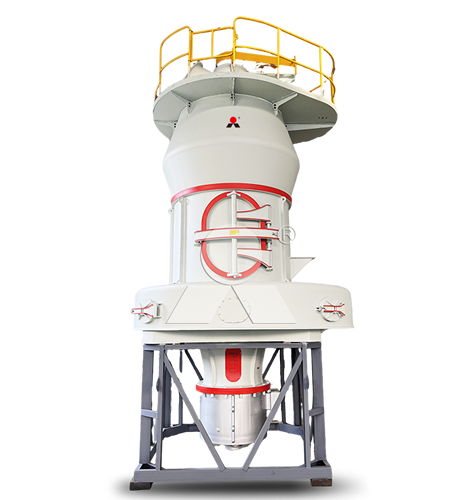
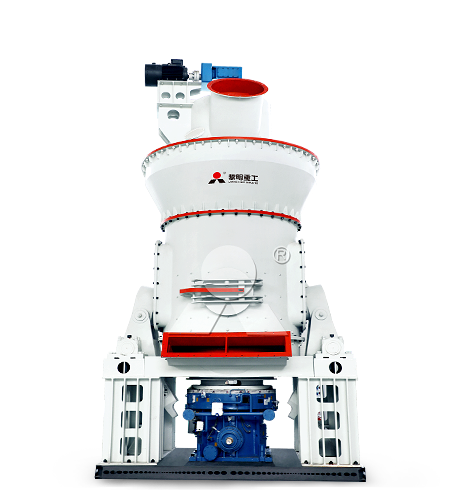
For a powder line, Liming Heavy Industry's LM Series Vertical Mill is one grinding option to assess after the kiln and cooler. It combines grinding and classification, but mill selection should be based on tests and a defined specification for feed size, required throughput and finished-powder fineness. Conveying, collection and storage also need to limit unwanted moisture contact with quicklime.
Define the line before requesting a configuration
A useful equipment brief states the limestone analysis and quarry size distribution, the desired quicklime quality, the kiln feed requirements, the planned production rate and whether the finished product will be lump lime or powder. Those details determine where screening, cooling and—if needed—grinding belong. They also give equipment suppliers a basis for evaluating a practical line rather than quoting a kiln and mill in isolation.
Related Lime Production Line


Liming Heavy Industry to Attend the 140th Canton Fair
2026-09-25

Liming Heavy Industry at bauma CONEXPO INDIA 2026 | Booth 5-C6
2026-09-07
Turnkey Raw Mill Cement Plant in Saudi Arabia: Design and Installation
2026-09-03
Cement Raw Mill Supplier in Indonesia: Cost and Configuration Analysis
2026-09-01
Liming Heavy Industry to Exhibit at the 24th Global Gypsum Conference & Exhibition in Turkey
2026-08-31
Complete Mineral Processing Solutions
Convenient Reliable Professional Efficient Get Your Quote
Please feel free to submit your inquiry information to us. We will contact with you as soon as possible.
Our team will contact you as soon as possible.