


Lime production is the industrial process of turning limestone into quicklime by heating it in a kiln. The heat drives carbon dioxide out of the stone, leaving a calcium-oxide-rich product. After cooling, the quicklime can be supplied as lumps, crushed or ground into powder, or treated with water to make hydrated lime. These are different products, so the intended end use should be decided before the plant is designed.
From quarry stone to kiln feed
A lime plant begins with a suitable limestone deposit. Quarry stone is crushed, screened and, where necessary, cleaned before it enters the kiln. Consistent feed size matters: pieces that vary greatly in size do not heat at the same rate, making it harder to produce uniform quicklime. Operators also need to assess the stone's composition and impurities against the requirements of the finished product.
Not every fraction from the crusher has to follow the same route. Stone sized for the kiln can be sent to calcination, while smaller fractions may be directed to other suitable uses. Keeping those streams separate helps the plant match its raw material to its products rather than treating all crushed limestone as identical feed.
What happens inside the kiln?
Calcination is the step that makes quicklime. In a typical production sequence, limestone is first preheated by hot kiln gases. It then passes through the calcining zone, where sustained high heat converts calcium carbonate into calcium oxide and releases carbon dioxide. Industrial lime production commonly uses kiln temperatures above 900°C, but the operating conditions must suit the stone, kiln and required lime properties.
The calcined material is cooled before downstream handling. Cooling air can also recover heat for use in the kiln. A rotary kiln is one option; shaft-kiln designs are also used in lime production. Kiln choice should be considered alongside feed size, fuel, capacity and the quicklime quality the plant needs to deliver.
Quicklime is not the same as lime powder
Quicklime is the product of calcination, whether it leaves the plant as lumps or is processed into a smaller particle size. Grinding changes its physical form; it does not turn it into hydrated lime. Hydrated lime is made in a separate, controlled step in which water reacts with quicklime and releases heat.
That distinction affects equipment layout. A customer buying lump quicklime may not need a grinding circuit. A customer who needs dry quicklime powder may require crushing, milling, classification, collection and enclosed storage after the kiln. If the target product is hydrated lime, the plant needs a hydration stage rather than assuming a mill can perform that conversion.
Where grinding fits in the line
For a quicklime-powder project, the mill should be selected against the actual feed and product specification, not simply placed after the cooler on a process drawing. Useful design inputs include the cooled quicklime's feed size, target particle-size distribution, required output, moisture condition and available space. Because quicklime reacts with moisture, transfer and storage arrangements also deserve attention.
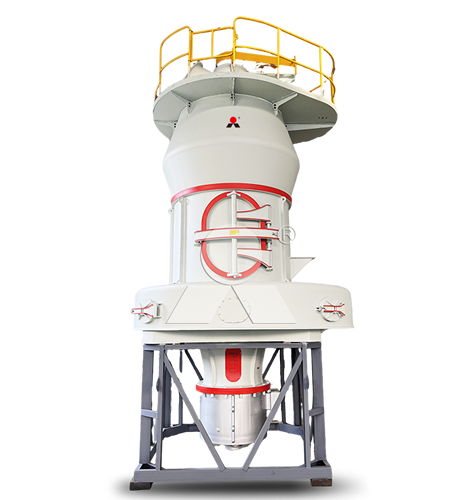
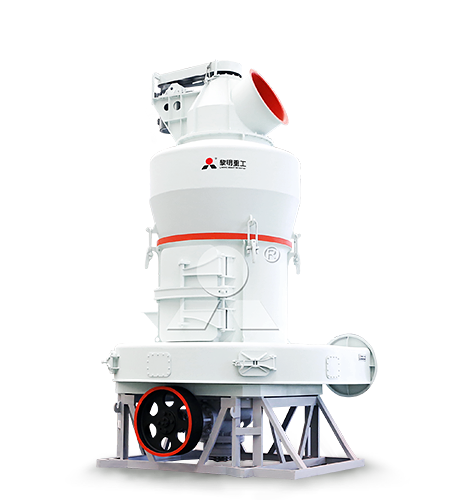
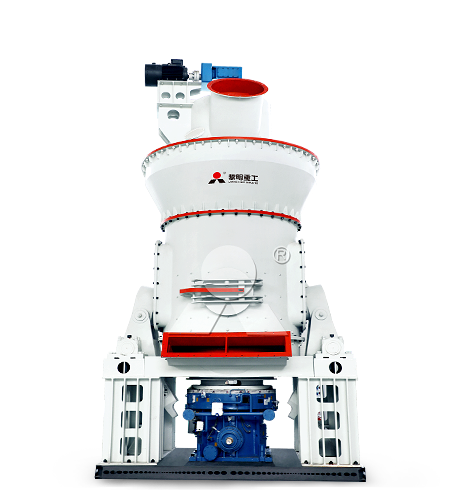
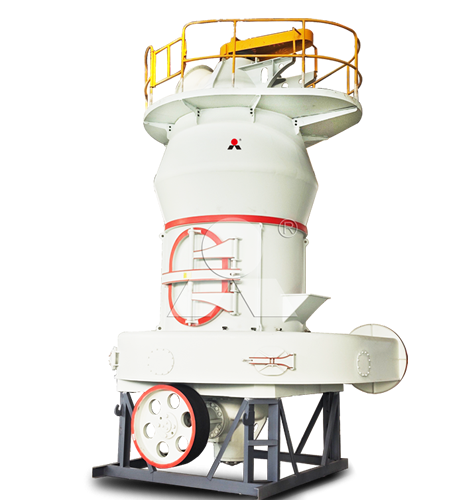
Liming Heavy Industry's LM Series Vertical Mill is a grinding option to evaluate where a classified powder product is required. The mill combines grinding and classification, with drying capability where the process calls for it. Whether a particular LM model is suitable for quicklime should be confirmed through feed testing and a review of the complete line, including upstream size reduction, dust collection and product handling; published mill capacities alone are not a plant-wide production guarantee.
Questions to settle before equipment selection
What is the limestone's composition, and how much does it vary across the deposit?
What size range can the chosen kiln accept consistently?
Does the customer need lump quicklime, quicklime powder or hydrated lime?
For powder, what output rate and particle-size distribution must the grinding circuit achieve?
How will hot material, dust and moisture exposure be managed between the kiln and finished-product storage?
A workable lime line is therefore more than a kiln followed by a mill. It connects stone preparation, controlled calcination, cooling and only the downstream processing needed for the saleable product. Defining that product first makes it easier to specify the kiln and, where powder is required, evaluate a Liming Heavy Industry grinding system against the real feed material.
Related Lime Production Line


Liming Heavy Industry to Attend the 140th Canton Fair
2026-09-25

Liming Heavy Industry at bauma CONEXPO INDIA 2026 | Booth 5-C6
2026-09-07
Turnkey Raw Mill Cement Plant in Saudi Arabia: Design and Installation
2026-09-03
Cement Raw Mill Supplier in Indonesia: Cost and Configuration Analysis
2026-09-01
Liming Heavy Industry to Exhibit at the 24th Global Gypsum Conference & Exhibition in Turkey
2026-08-31
Complete Mineral Processing Solutions
Convenient Reliable Professional Efficient Get Your Quote
Please feel free to submit your inquiry information to us. We will contact with you as soon as possible.
Our team will contact you as soon as possible.