


A quicklime production line prepares limestone for a kiln, heats it to produce quicklime, then cools and handles the finished material. The core route is quarry stone → crushing and screening → kiln feeding and calcination → cooling → product sizing and storage. Grinding is an additional stage only when customers need quicklime powder.
How the stages fit together
| Stage | Main equipment | What it must achieve |
|---|---|---|
| Raw stone receiving | Receiving hopper, feeder and conveyors | Provide a steady flow of limestone from the quarry to the preparation circuit. |
| Crushing and screening | Primary crusher, optional secondary crusher, screens and transfer equipment | Separate acceptable kiln feed from oversize and fines according to the selected kiln's feed requirements. |
| Kiln feeding and preheating | Feed bins, metering equipment and a preheater where specified | Deliver prepared stone consistently and use hot kiln exhaust gas to raise its temperature before calcination. |
| Calcination | Lime kiln, burner or fuel system, combustion-air system and controls | Heat limestone sufficiently to release carbon dioxide and produce quicklime with the required properties. |
| Cooling | Quicklime cooler and discharge equipment | Lower product temperature for downstream handling; recovered heat may help preheat combustion air. |
| Product finishing | Screens, enclosed conveyors, silos and loading equipment; optional crusher or mill | Deliver the lump sizes or powder specification customers actually require. |
The kiln sets the upstream specification
The crusher should not be selected before the kiln feed range is understood. Shaft kilns, rotary kilns and twin-shaft regenerative kilns accept different stone-size distributions. Quarry limestone therefore needs crushing and screening that produce a reliable quantity of usable kiln feed, not merely a high total crusher output. Oversize may be crushed again; undersize should be tracked as a separate material stream rather than included in the expected kiln output.
Where clay contamination is a concern, washing may be included in stone preparation. That decision should account for the condition of the quarry material and how the prepared stone will be handled before it enters the kiln.
Calcination is the conversion step
In the preheating zone, hot exhaust gases transfer heat to incoming limestone. In the calcining zone, temperatures above 900°C enable the carbonate in the stone to break down, producing calcium-oxide-rich quicklime and releasing carbon dioxide. The hot material then enters a cooling zone or separate cooler. Kiln type, feed size, fuel and operating conditions all influence the properties of the discharged lime.
Controls and material-handling equipment are part of this stage, not optional details. Inconsistent feed or fuel delivery can make it difficult to maintain uniform calcination. The line also needs provisions for kiln exhaust and dust collection that match the proposed equipment and site requirements.
Decide what happens after cooling
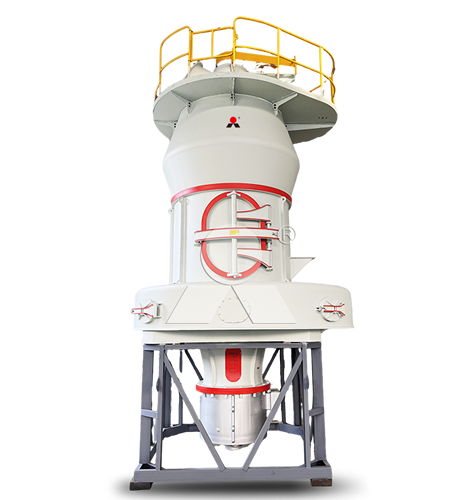
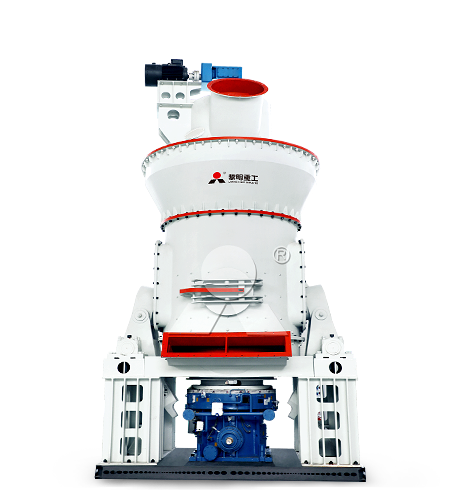
If customers need lump quicklime, the plant may screen cooled material into saleable fractions and place them in suitable storage. If they need fine quicklime, add a dedicated grinding and classification circuit after cooling. Liming Heavy Industry's LM Series Vertical Mill is an option for evaluating this powder stage; it integrates grinding and classification, but its suitability and model size should be confirmed against the actual cooled feed, target fineness and required output. Grinding quicklime does not produce hydrated lime—hydration requires a separate reaction with water.
Quicklime should be protected from unwanted moisture during conveying and storage. The finishing layout should therefore be designed around the product form, loading method and time the material is expected to remain on site.
Specify the whole line, not isolated machines
For an equipment proposal, prepare representative limestone analysis, quarry rock and screened-stone size distributions, the kiln-feed specification, target quicklime quality, planned operating hours, and the expected split between lump product and powder. Ask for a material-flow diagram that identifies recirculated oversize, separated fines, kiln output and any material sent to grinding. That makes it possible to check whether each stage supports the required finished-product capacity.
Related Lime Production Line


Liming Heavy Industry to Attend the 140th Canton Fair
2026-09-25

Liming Heavy Industry at bauma CONEXPO INDIA 2026 | Booth 5-C6
2026-09-07
Turnkey Raw Mill Cement Plant in Saudi Arabia: Design and Installation
2026-09-03
Cement Raw Mill Supplier in Indonesia: Cost and Configuration Analysis
2026-09-01
Liming Heavy Industry to Exhibit at the 24th Global Gypsum Conference & Exhibition in Turkey
2026-08-31
Complete Mineral Processing Solutions
Convenient Reliable Professional Efficient Get Your Quote
Please feel free to submit your inquiry information to us. We will contact with you as soon as possible.
Our team will contact you as soon as possible.