


Making quicklime powder is not simply a matter of putting kiln discharge through a mill. The lime must first be cooled to a condition the downstream equipment can accept, then ground and classified to the customer's particle-size requirement, and finally kept dry through conveying, storage and loading. Moisture control is especially important: quicklime reacts with water, releases heat and can form deposits that disrupt powder flow.
Begin at the cooler outlet
Quicklime leaves the kiln hot. A cooler lowers its temperature for subsequent handling and can recover heat for the kiln process. Before specifying a grinding system, establish the actual temperature and size distribution at the cooler outlet, including how much material is already fine enough and how much needs further size reduction. A mill should receive feed within its agreed operating limits, not an assumed “standard” kiln product.
Cooling and storage have different jobs. Cooling makes hot kiln product suitable for the next process stage; a storage bin should not be treated as a substitute for a properly specified cooler. The transfer route between them should also limit unnecessary exposure to humid air.
Specify the powder before choosing the mill
“Fine quicklime powder” is not a complete purchasing specification. State the required particle-size distribution or test method, acceptable coarse residue, production rate and end use. Also identify whether the plant will grind all cooled quicklime or reserve some as a lump product. This split determines the feed rate the mill must actually handle.
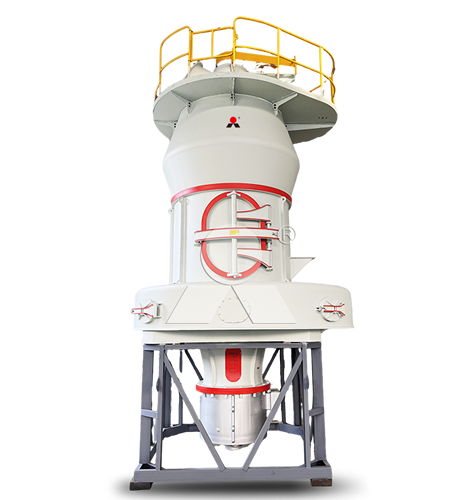
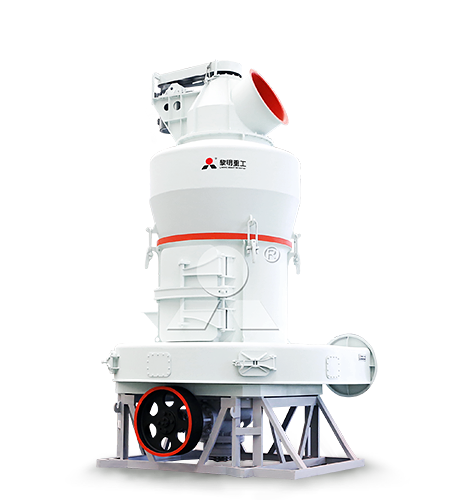
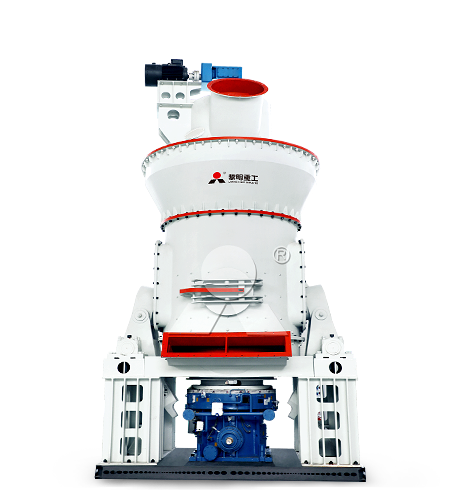
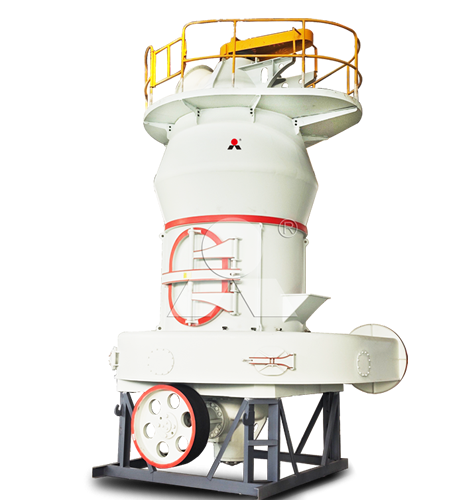
Liming Heavy Industry's LM Series Vertical Mill is one option to evaluate for a quicklime grinding circuit. It combines grinding and classification, allowing the circuit to target a defined fineness. Model selection should be checked against representative cooled quicklime, its feed size and temperature, the required output, and the proposed air and dust-collection arrangement. Published mill ranges should not be read as a guaranteed quicklime throughput without project-specific confirmation.
A mill's ability to dry some materials does not mean moisture should be introduced into a quicklime line. For this product, the design priority is preventing unwanted hydration throughout the grinding circuit. Adding water changes quicklime into hydrated lime through a separate heat-releasing reaction; it is not a normal way to make quicklime powder.
Keep powder moving—and contained
After grinding, fine powder must pass through collection, conveying and discharge equipment without excessive dust escape or buildup. Enclosed transfer points and appropriate filtration help control airborne lime dust. At storage bins and loading points, dust filters and correctly designed pressure relief are important because air displaced during filling needs a controlled route out.
Fine quicklime can bridge above a silo outlet, while moisture can make it cake and stop flowing. Silo geometry and any flow aid should therefore be chosen for the tested powder, not copied from a limestone silo. Avoiding moisture entry at bin openings, transfer connections and discharge points is as important as keeping rain off the silo roof.
Storage is part of product quality
Store quicklime powder in a dry, enclosed system and protect it during bulk loading or packaging. Contact with water can generate substantial heat; dust can irritate the respiratory tract and seriously damage eyes. Operating procedures should address dust exposure, inspection for moisture ingress and safe handling of spills, using the safety data sheet for the specific quicklime product.
When planning storage capacity, consider not only daily mill output but also how the customer receives the product. A line loading bulk tankers has different discharge and dust-control needs from one filling bags. In either case, the storage and loading system should preserve the fineness and dry condition achieved by the mill until the powder leaves the plant.
Information needed for a line proposal
Provide the cooler-outlet temperature, quicklime chemistry, feed-size distribution, target powder specification, required tonnes per hour, operating hours, planned lump-to-powder split and delivery method. Include local conditions that may affect moisture protection. With those inputs, the cooler discharge, Liming Heavy Industry grinding equipment, dust collection and silo can be evaluated as one connected powder-production line rather than four unrelated purchases.
Related Lime Production Line


Liming Heavy Industry to Attend the 140th Canton Fair
2026-09-25

Liming Heavy Industry at bauma CONEXPO INDIA 2026 | Booth 5-C6
2026-09-07
Turnkey Raw Mill Cement Plant in Saudi Arabia: Design and Installation
2026-09-03
Cement Raw Mill Supplier in Indonesia: Cost and Configuration Analysis
2026-09-01
Liming Heavy Industry to Exhibit at the 24th Global Gypsum Conference & Exhibition in Turkey
2026-08-31
Complete Mineral Processing Solutions
Convenient Reliable Professional Efficient Get Your Quote
Please feel free to submit your inquiry information to us. We will contact with you as soon as possible.
Our team will contact you as soon as possible.