


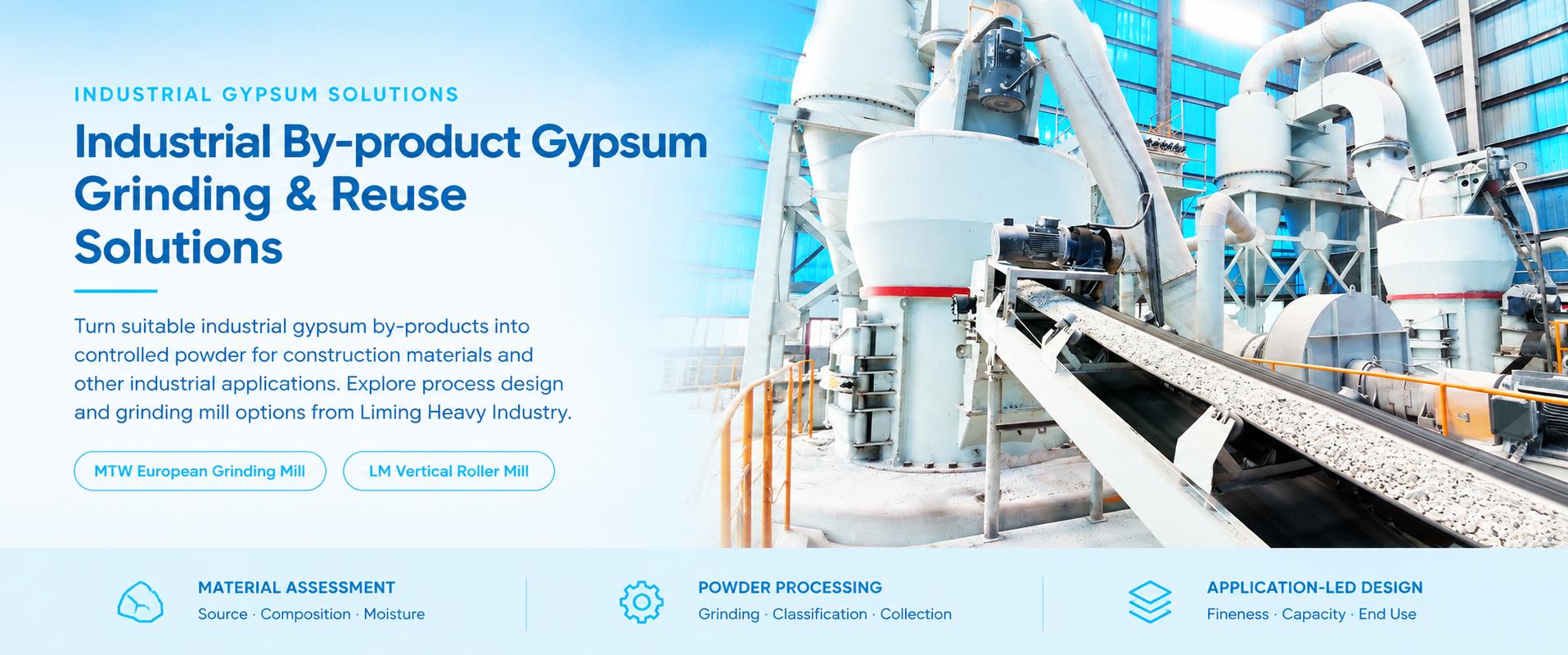
There is no single grinding mill that is best for every industrial by-product gypsum project. The right choice depends on the gypsum source, moisture level, feed condition, target fineness, required hourly capacity, available heat source and final application.
For conventional industrial gypsum powder, MTW European Grinding Mill, LM Vertical Roller Mill and Raymond mill are the main options to evaluate. MTW European Grinding Mill is generally suitable for small-to-medium capacity projects with prepared feed. LM Vertical Roller Mill is more suitable for large-capacity production or materials that require integrated drying. Raymond mill can be a practical choice for conventional powder production with moderate output and stable, low-moisture feed.
Industrial by-product gypsum should be tested before equipment selection. FGD gypsum, phosphogypsum, citrogypsum, titanogypsum, fluorogypsum and borogypsum can differ in moisture, chemical composition, impurities, particle size and storage condition. A mill should be selected around actual material data, not only around the desired production capacity.
Start with the Material, Not the Mill
The first step in mill selection is to understand the feed material. Industrial gypsum by-products are often produced as moist filter cake, fine powder, compacted storage material or a mixture of particles and agglomerates. Some sources may be relatively stable, while others can change substantially with production conditions, raw-material origin or storage time.
A material analysis should normally include gypsum content, moisture, feed size, particle-size distribution, impurities, bulk density, flowability and the intended final application. For phosphogypsum and other source-sensitive materials, the project may also require application-specific environmental, radiological or regulatory evaluation.
Grinding equipment can reduce particle size and help control powder distribution. It cannot remove unsuitable impurities or make an unqualified material acceptable for a particular end use. Material evaluation must therefore come before mill selection.
Key Factors That Determine Mill Selection
Feed moisture
Moisture is often the most important factor in industrial gypsum grinding. High free moisture can make the material sticky, create buildup in hoppers and conveyors, reduce grinding efficiency, affect classifier performance and cause powder caking after collection.
Prepared, low-moisture gypsum can often be processed in an MTW European Grinding Mill or Raymond mill. When the material has higher moisture or when the plant needs to combine drying and grinding in one process, LM Vertical Roller Mill is usually more suitable.
Raymond-type grinding systems are generally better suited to dry and stable feed. Industry guidance commonly identifies low moisture as an important condition for stable Raymond mill performance because wet feed can coat grinding components and reduce output.
Required capacity
Capacity should be evaluated as a complete production requirement, not only as a nameplate figure. The actual output of a gypsum grinding plant is affected by feed moisture, feed size, hardness, target fineness, drying demand, airflow, classifier setting, material handling and maintenance condition.
For small-to-medium capacity powder lines, MTW European Grinding Mill or Raymond mill can be appropriate when the feed is properly prepared. For large continuous production lines, LM Vertical Roller Mill is generally a stronger choice because it is designed for high-throughput grinding and can integrate multiple process functions in a compact system.
Target fineness
The required final powder fineness depends on the intended use. Cement addition, gypsum-based mortar, plaster, board production and other industrial applications may need different particle-size distributions. The mill and classifier should be selected to achieve the required fineness consistently, rather than simply reaching the finest possible powder.
For conventional industrial gypsum powder, MTW European Grinding Mill and Raymond mill can be considered when the project needs a standard medium-fine powder range. LM Vertical Roller Mill can also produce controlled gypsum powder while supporting larger throughput and drying integration.
Feed size and agglomeration
Industrial gypsum may be received as loose fine material, moist filter cake, compacted lumps or weathered stockpile material. Even when the original particles are fine, storage can create agglomerates that disrupt feeding and reduce mill stability.
Before grinding, oversized lumps or compacted material may need crushing, deagglomeration or controlled conditioning. A stable and uniform feed helps all three mill types operate more reliably.
Need for drying integration
If the incoming gypsum has significant moisture, the project must determine whether to install a separate dryer or integrate drying with the grinding system. This decision affects plant layout, energy use, heat-source selection, dust collection and total investment.
LM Vertical Roller Mill is especially relevant when drying is a major part of the process. Vertical roller mill systems can combine grinding, classification and drying through controlled hot-air flow, making them suitable for larger projects with continuous operation and variable-moisture feed.
Final application
The intended use of the finished powder should guide the entire system design. A line supplying a cement plant may prioritize stable dosing, controlled moisture and reliable bulk conveying. A line supplying gypsum-based mortar or plaster may focus more strongly on powder fineness, flowability and blending consistency.
For gypsum board and wallboard applications, the powder or prepared gypsum material must meet the receiving plant’s specific quality requirements. Grinding is only one part of the supply chain; purity, moisture, setting behavior and impurity control may be equally important.
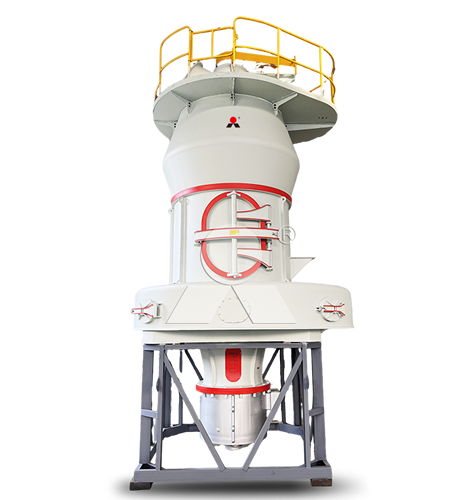
MTW European Grinding Mill for Industrial By-product Gypsum
MTW European Grinding Mill is a practical choice for small-to-medium capacity industrial gypsum powder projects. It is suitable for conventional powder production where the feed has been prepared, moisture is controlled and the project requires reliable classification and consistent final fineness.
The system is generally appropriate for projects that do not need the very high throughput or integrated drying capacity of a large vertical roller mill. It can be used for suitable FGD gypsum, prepared phosphogypsum and other industrial gypsum sources after the material has passed necessary quality evaluation and pre-treatment.
When MTW European Grinding Mill is suitable
The project requires small-to-medium production capacity.
The gypsum feed has stable moisture and good flowability.
Feed material has been crushed or deagglomerated as needed.
The target product is conventional industrial gypsum powder.
The plant requires controlled fineness and stable classification.
A separate drying stage can be used if the incoming gypsum is too wet.
When additional preparation may be required
MTW European Grinding Mill should not be expected to solve severe feed problems. If industrial gypsum arrives as wet filter cake, sticky material or heavily compacted stockpile feed, the process may require dewatering, drying, improved feeding or deagglomeration before grinding.
For FGD gypsum, stable moisture control is important because wet feed can reduce airflow stability and cause buildup. For phosphogypsum, chemical suitability and required pre-treatment must be confirmed before the grinding stage is selected.
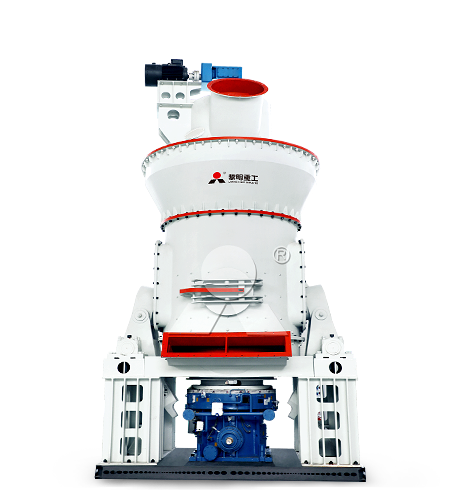
LM Vertical Roller Mill for Industrial By-product Gypsum
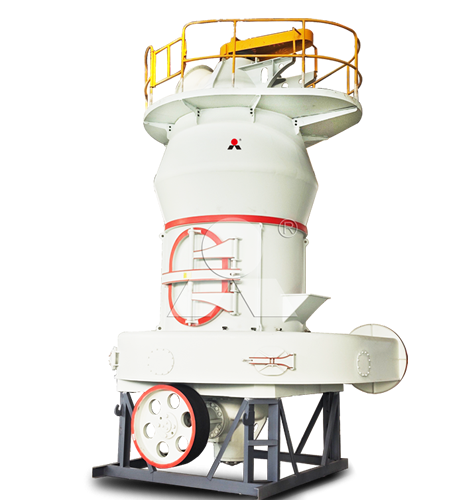
LM Vertical Roller Mill is suitable for large-capacity industrial gypsum grinding projects. It is especially useful when the plant needs a compact, continuous system that can combine grinding, classification and drying when material conditions and the available heat source support this configuration.
For industrial by-product gypsum with higher or variable moisture, LM Vertical Roller Mill can reduce the need for separate drying and material-transfer stages. This can simplify the overall process flow, although the final design must still account for evaporation demand, hot-air supply, dust collection, material behavior and finished-powder storage.
When LM Vertical Roller Mill is suitable
The project requires high hourly production capacity.
The gypsum feed has moderate-to-high moisture or moisture variation.
The plant benefits from integrated drying, grinding and classification.
Continuous operation and compact process layout are important.
The project has a suitable heat source for drying duty.
The final application requires consistent powder quality at large scale.
Why moisture matters for LM Vertical Roller Mill
Vertical roller mill systems use controlled airflow to transport, dry and classify material during grinding. This makes them more adaptable to gypsum feeds that require drying than conventional systems designed primarily for dry feed. Large gypsum projects often select vertical roller mill technology when moisture management and capacity are both major process requirements.
However, integrated drying is not automatic. The system must be designed using actual feed-moisture data, expected variation, final product moisture, available hot-gas temperature and required evaporation load. An oversized or undersized drying arrangement can reduce efficiency and affect powder quality.
Raymond Mill for Industrial By-product Gypsum
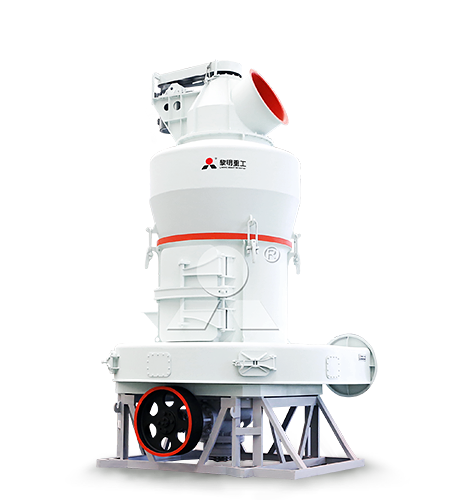
Raymond mill is a conventional solution for gypsum powder production. It can be considered for moderate-capacity industrial gypsum projects with relatively dry, stable and properly prepared feed. Raymond mill is commonly used for non-metallic mineral grinding and can produce controlled gypsum powder for a range of industrial applications.
Raymond mill is generally more suitable for projects where the gypsum does not require major drying duty. If the material has high free moisture, strong stickiness or large variation in feed condition, the project may need upstream drying and conditioning or may be better served by LM Vertical Roller Mill.
When Raymond mill is suitable
The project has moderate production-capacity requirements.
The gypsum feed is dry or has been dried before milling.
Feed size is controlled and material is not heavily agglomerated.
The required product is conventional industrial gypsum powder.
The project prioritizes a proven and straightforward process route.
Limits to consider
Wet gypsum can coat the grinding rollers, ring and classifier, leading to lower output, unstable product fineness and higher cleaning requirements. For this reason, feed moisture, storage condition and material flowability must be checked carefully before selecting a Raymond mill for industrial by-product gypsum.
MTW European Grinding Mill vs. LM Vertical Roller Mill vs. Raymond Mill
| Selection factor | MTW European Grinding Mill | LM Vertical Roller Mill | Raymond Mill |
|---|---|---|---|
| Typical project scale | Small to medium | Medium to large, especially high-capacity projects | Small to medium |
| Feed condition | Prepared, relatively stable feed | Suitable for variable feed and projects with drying demand | Dry, stable and properly prepared feed |
| Moisture handling | May require upstream drying for wet gypsum | Can integrate drying with grinding when properly designed | Best suited to low-moisture feed or pre-dried material |
| Grinding and classification | Controlled conventional powder production | Integrated grinding, classification and conveying | Conventional powder grinding with air classification |
| Plant layout | Compact conventional grinding system | Highly integrated process layout | Conventional and straightforward system layout |
| Best-fit project | Prepared gypsum requiring controlled medium-fine powder | Large-scale gypsum processing with high capacity or drying integration | Moderate-output conventional gypsum powder with dry feed |
How to Choose the Right Mill Step by Step
Identify the gypsum source, such as FGD gypsum, phosphogypsum or another industrial by-product.
Collect representative samples from normal production and storage conditions.
Test gypsum content, impurities, moisture, feed size, flowability and other application-specific properties.
Define the target powder fineness, product moisture and required production capacity.
Confirm the final application and its quality requirements.
Determine whether the material requires pre-treatment, deagglomeration, dewatering or drying.
Select MTW European Grinding Mill for prepared small-to-medium capacity projects requiring controlled powder production.
Select LM Vertical Roller Mill for large-capacity projects, higher-moisture feed or systems that benefit from integrated drying and grinding.
Select Raymond mill for conventional moderate-output gypsum powder production with dry, stable feed.
Confirm the final mill configuration through material testing, process calculation and end-use trials.
Common Mill-Selection Mistakes
Selecting equipment only by capacity
A mill should not be selected only because its rated capacity appears to match the required tonnes per hour. The same machine can produce different output depending on moisture, feed size, target fineness, material flowability, drying demand and process conditions.
Ignoring moisture variation
Average moisture is not enough. Industrial gypsum can show large moisture changes between fresh material, stored material and rainy-season stockpiles. The system should be designed for realistic operating variation, especially when the material may arrive as filter cake or wet agglomerates.
Assuming finer grinding solves quality problems
Grinding improves particle-size control, but it does not remove unwanted chemical components or resolve an unsuitable raw-material profile. If the gypsum does not meet the final application’s requirements, the solution may involve pre-treatment, source control, blending, a different reuse route or additional quality management.
Choosing a dry-feed mill for wet, sticky material
Raymond mill and MTW European Grinding Mill can provide reliable gypsum powder production when feed is properly conditioned. However, high-moisture or sticky material may require drying before it enters these systems. For high-capacity projects with a significant drying requirement, LM Vertical Roller Mill is often easier to justify.
Information Needed for Mill Selection
To select a suitable industrial by-product gypsum grinding mill, provide the following project information:
Industrial gypsum type and source process
Representative chemical analysis and gypsum content
Moisture content, including expected minimum and maximum values
Feed size, lump size and degree of agglomeration
Required finished-powder fineness
Required production capacity
Final product moisture requirement
Planned final application
Need for drying integration and available heat source
Site layout, power supply, dust-control and storage requirements
Conclusion
The best grinding mill for industrial by-product gypsum is the mill that matches the actual material condition and production target. MTW European Grinding Mill is a practical choice for prepared small-to-medium capacity gypsum powder projects. LM Vertical Roller Mill is the preferred option for high-capacity lines, moisture-sensitive feed and projects that benefit from integrated drying, grinding and classification. Raymond mill is suitable for conventional gypsum powder production with dry, stable and adequately prepared material.
Before making a final selection, test the gypsum source, define the target application and calculate the complete process requirement. Capacity, fineness and investment cost matter, but feed moisture, impurity control, material handling and final-product quality are equally important for a stable industrial gypsum grinding plant.
Related Industrial By-product Gypsum Solutions


LIMING at MiningMetals Uzbekistan 2026 | Booth B94
2026-10-22

LIMING Heavy Industry at MINEXPO Africa 2026 | Booth 133
2026-10-22
Liming Heavy Industry to Exhibit at bauma CHINA 2026 – Visit Us at Booth E6.510
2026-10-15
Meet Liming Heavy Industry at the 140th Canton Fair 2026
2026-10-13
Liming Heavy Industry to Attend the 140th Canton Fair
2026-09-25
Complete Mineral Processing Solutions
Convenient Reliable Professional Efficient Get Your Quote
Please feel free to submit your inquiry information to us. We will contact with you as soon as possible.
Our team will contact you as soon as possible.