


Precision Grinding: Elevating Food-Grade Calcium Carbonate Production in India
If you have spent any significant time in the industrial corridors of Gujarat, Rajasthan, or Tamil Nadu, you know that the Indian food and beverage industry isn't just growing—it is undergoing a massive transformation. As a veteran in the non-metallic mineral processing sector, I have watched the demand for high-purity, ultra-fine calcium carbonate () skyrocket. It is no longer just about crushing rocks; it is about achieving the exacting standards required for food fortification, beverage pH control, and confectionery additives.
In the world of food-grade additives, "good enough" is a dangerous mindset. When you are supplying powders for infant formula, fortified flour, or plant-based milks, the consistency of your particle size distribution (PSD) and the cleanliness of your grind are your two most valuable currencies. This is where the limitations of traditional ball mills or outdated Raymond mills become painfully obvious. To stay ahead in the Indian market, you need technology that balances high throughput with surgical precision. That is why I consistently steer my partners toward Liming Heavy Industry's flagship solutions: the LUM Ultra-Fine Vertical Roller Mill and the MW Series Micro Powder Mill.
The LUM Series: The Powerhouse of Ultra-Fine Vertical Grinding
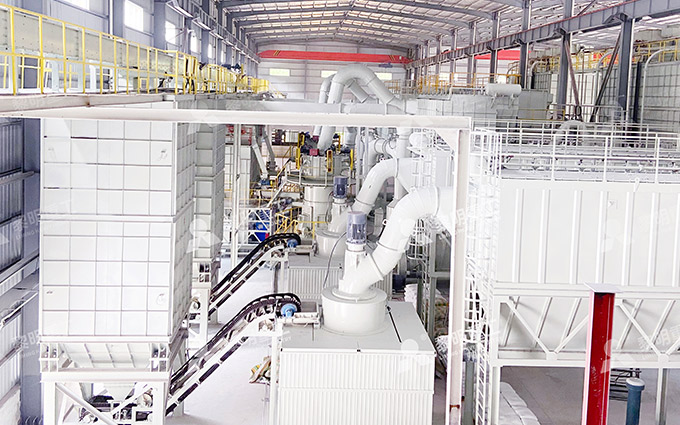
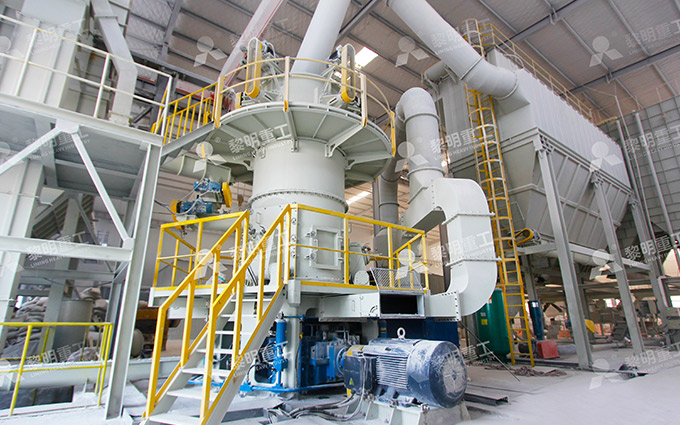
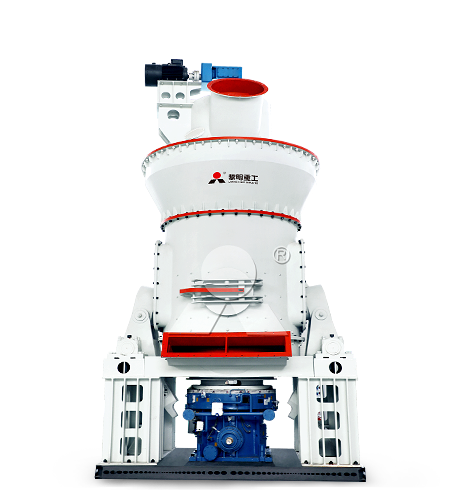
When we talk about large-scale production of food-grade additives, the LUM Ultra-Fine Vertical Roller Mill is the undisputed heavyweight champion. In my years of visiting plants, I have seen many operators struggle with high energy costs and uneven product quality. The LUM mill solves this by integrating grinding, drying, and classifying into a single, automated system.
_1767929649018.jpg)
Why does this matter for the Indian food sector? First, the LUM uses a unique roller shell and table liner design that ensures the material stays in the grinding zone for the optimal amount of time. This results in a much narrower particle size distribution. You don't just get fine powder; you get a consistent D90 or D97 specification that food chemists require for high-end applications. Furthermore, the internal multi-head classifier allows for real-time adjustments, meaning you can switch from a standard additive grade to a premium ultra-fine grade without shutting down the entire line.
The MW Series: Mastery of the Micro-World
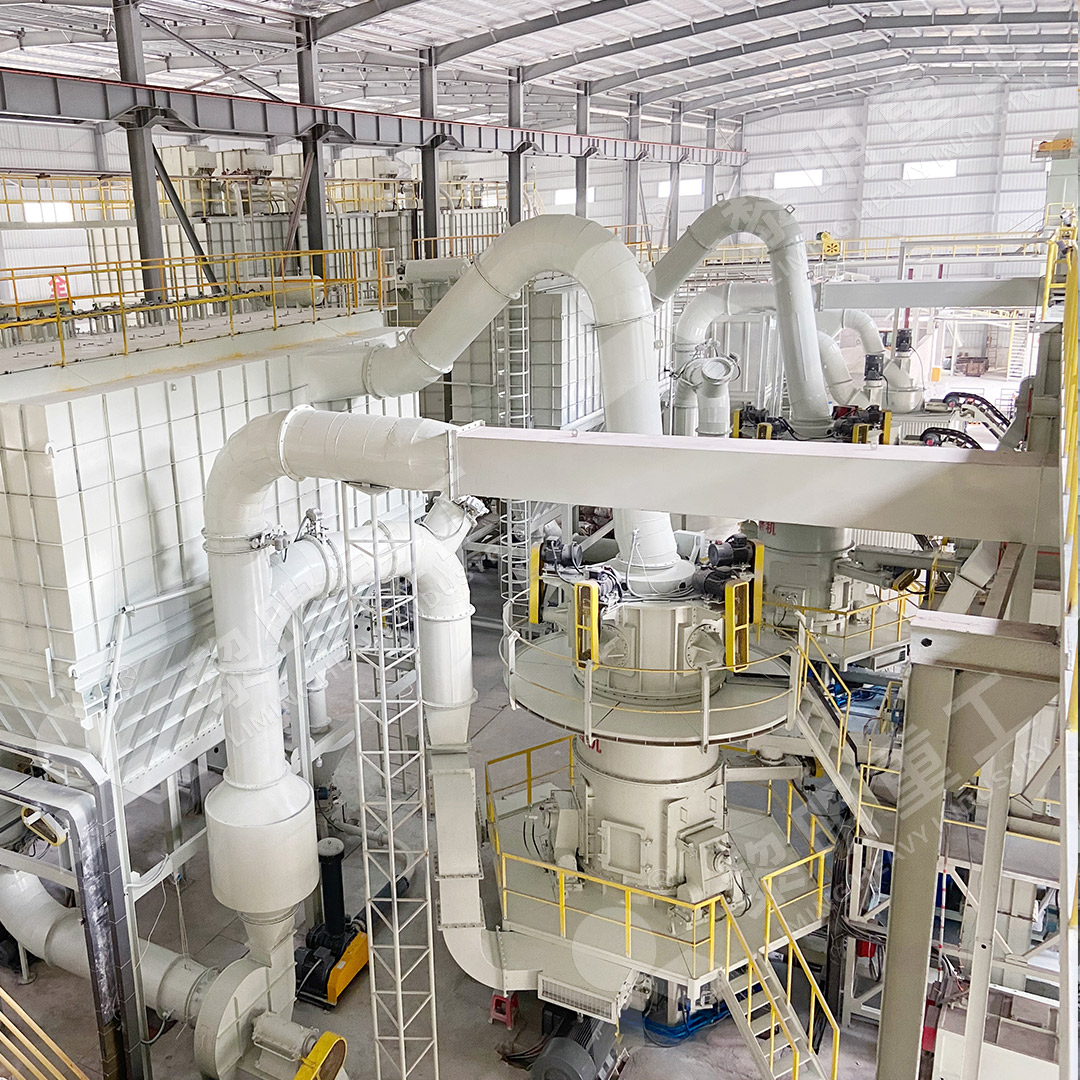
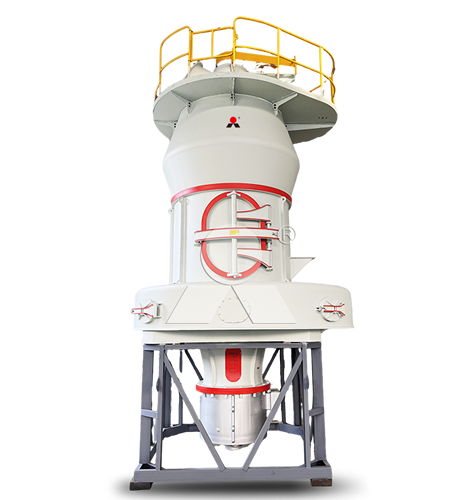
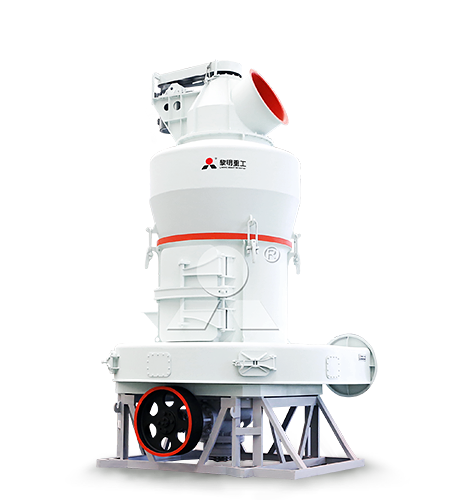
For those specialized applications where you need to push the boundaries—think 1250 mesh to 2500 mesh and beyond—the MW Micro Powder Mill is the precision instrument of choice. While the LUM handles the heavy lifting of high-capacity lines, the MW series is designed for those who treat powder processing with microscopic attention to detail. It utilizes a multi-layer ring and roller design that creates a high-frequency grinding environment.
In India's competitive landscape, the MW series stands out because of its exceptional fineness-to-cost ratio. It delivers the kind of sub-micron particles required for high-end beverage stabilizers without the astronomical maintenance costs associated with specialized jet mills. It is a robust, reliable workhorse that turns raw limestone into high-value white powder for the most demanding food recipes.
_1767930326611.jpg)
Why Liming is the Strategic Choice for the Indian Market
Choosing a mill is about more than just the steel and motors; it is about the partnership. Liming Heavy Industry has spent decades refining the mechanical reliability of these machines. We understand that in India, factors like power stability and varying raw material hardness are real-world challenges. Our machines are built with high-chrome wear-resistant parts that handle the abrasive nature of calcium carbonate while ensuring zero contamination of the food-grade end product.
Moreover, the integration of PLC intelligent control systems means your operators can monitor pressure, temperature, and vibration from a safe distance. In an era where Industry 4.0 is becoming a requirement rather than a luxury, Liming provides the digital backbone to ensure your production never skips a beat, maintaining the hygiene and safety standards required by global food safety audits.
Frequently Asked Questions (FAQ)
1. Can the LUM mill produce food-grade calcium carbonate without metallic contamination?
Yes. By utilizing high-quality wear-resistant materials and optimized grinding pressures, the LUM mill minimizes mechanical wear. For strictly sensitive food applications, specialized air filtration and stainless steel contact parts can be integrated.
2. What is the typical particle size range for the MW Series?
The MW series is designed for versatility, typically producing fineness ranging from 325 mesh to 2500 mesh (approximately 45 to 5 microns).
3. How does the energy consumption of a Vertical Roller Mill compare to a Ball Mill?
Generally, the LUM series is 30% to 50% more energy-efficient than a traditional ball mill system because it combines multiple processing steps into one and uses more efficient grinding kinetics.
4. Is on-site technical support available in India?
Absolutely. We have a dedicated service infrastructure to provide installation guidance, operator training, and rapid spare parts delivery across major Indian industrial hubs.
5. Can these mills handle raw materials with high moisture content?
The LUM series features an integrated drying function using hot air, allowing it to process raw materials with significant moisture while grinding them into a bone-dry powder.
6. How do I control the whiteness of the final product?
Whiteness is largely dependent on the raw material, but our mills prevent graying by reducing over-grinding and ensuring that the material is moved through the system efficiently using high-performance classifiers.
_1767930568573.jpg)
7. What is the lifespan of the grinding rollers and rings?
Depending on the abrasiveness of your specific calcium carbonate source, our high-alloy wear parts typically last significantly longer than standard steel, often exceeding several thousand hours of operation before needing replacement.
8. Does the MW mill require a large footprint?
No, one of the advantages of the MW series is its compact, vertical design, which saves significant floor space compared to horizontal grinding systems of similar capacity.
9. Are the machines compliant with international safety and quality standards?
Yes, all Liming equipment carries ISO and CE certifications, ensuring they meet global benchmarks for safety, environmental impact, and mechanical integrity.
10. Can I test my specific raw material before purchasing?
We highly recommend it. We offer material testing services where we can analyze your limestone samples and provide a detailed report on the expected throughput and fineness achieved by our mills.
Related Industry News


Meet Liming Heavy Industry at the 140th Canton Fair 2026
2026-10-13

Liming Heavy Industry to Attend the 140th Canton Fair
2026-09-25
Liming Heavy Industry at bauma CONEXPO INDIA 2026 | Booth 5-C6
2026-09-07
Turnkey Raw Mill Cement Plant in Saudi Arabia: Design and Installation
2026-09-03
Cement Raw Mill Supplier in Indonesia: Cost and Configuration Analysis
2026-09-01
Complete Mineral Processing Solutions
Convenient Reliable Professional Efficient Get Your Quote
Please feel free to submit your inquiry information to us. We will contact with you as soon as possible.
Our team will contact you as soon as possible.