


When it comes to selecting equipment for mineral grinding, two machines are often compared—Raymond mill and ball mill. Each operates on a different principle and offers distinct advantages, making them suitable for different applications. Below is a breakdown to help you decide which is the better fit for your operation.
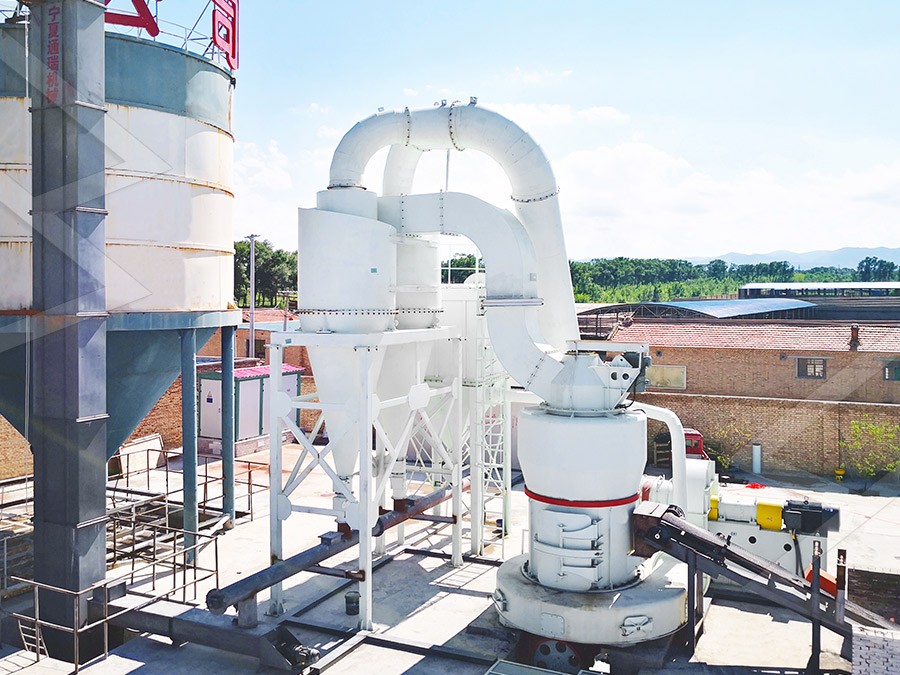
1. Grinding Principle
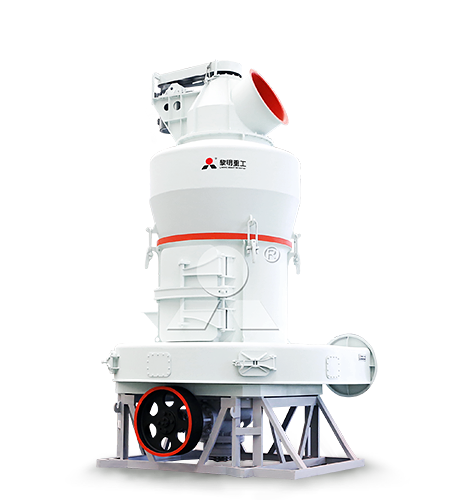
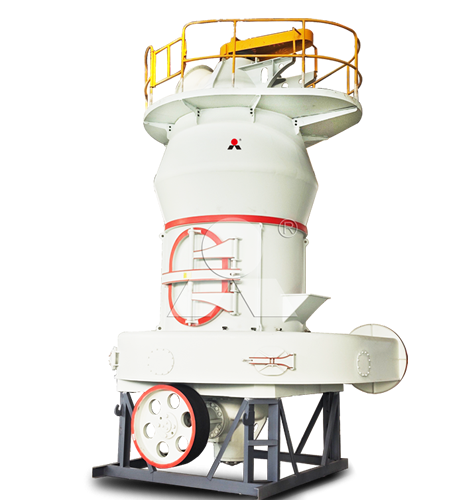
Raymond Mill: Utilizes grinding rollers and rings to apply compression and shear forces. The built-in classifier ensures consistent particle size, typically between 80–400 mesh.
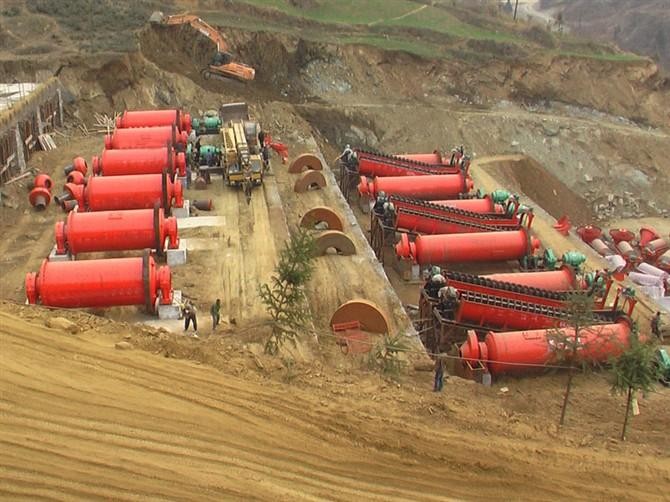
Ball Mill: Works through the impact and abrasion of steel balls inside a rotating drum. The output usually falls in the 200–400 mesh range.
2. Energy Consumption
Raymond mills are known for their efficiency, using 30–50% less power than ball mills of similar capacity.
Ball mills, by comparison, consume more energy because of the friction and impact involved, especially when producing finer powders.
3. Fineness Control
Raymond mills provide precise control of particle size by adjusting classifier speed, making them ideal for fine and medium powders.
Ball mills are less consistent when it comes to fine grinding below 400 mesh, often requiring additional classification equipment.
4. Wear and Maintenance
Grinding rollers and rings in Raymond mills typically last longer, resulting in lower wear part costs.
Ball mills, on the other hand, require frequent replacement of steel balls and liners, increasing maintenance effort and cost.
5. Capacity and Material Handling
Ball mills can process larger feed sizes and are better suited for coarse grinding or handling mixed raw materials.
Raymond mills perform best in continuous fine grinding but may struggle with overly hard or high-moisture materials.
6. Investment and Operating Costs
Raymond mills involve a higher upfront investment but deliver lower long-term operating costs due to reduced energy use and maintenance.
Ball mills are cheaper to purchase initially but tend to be more expensive to run over time.
Conclusion:
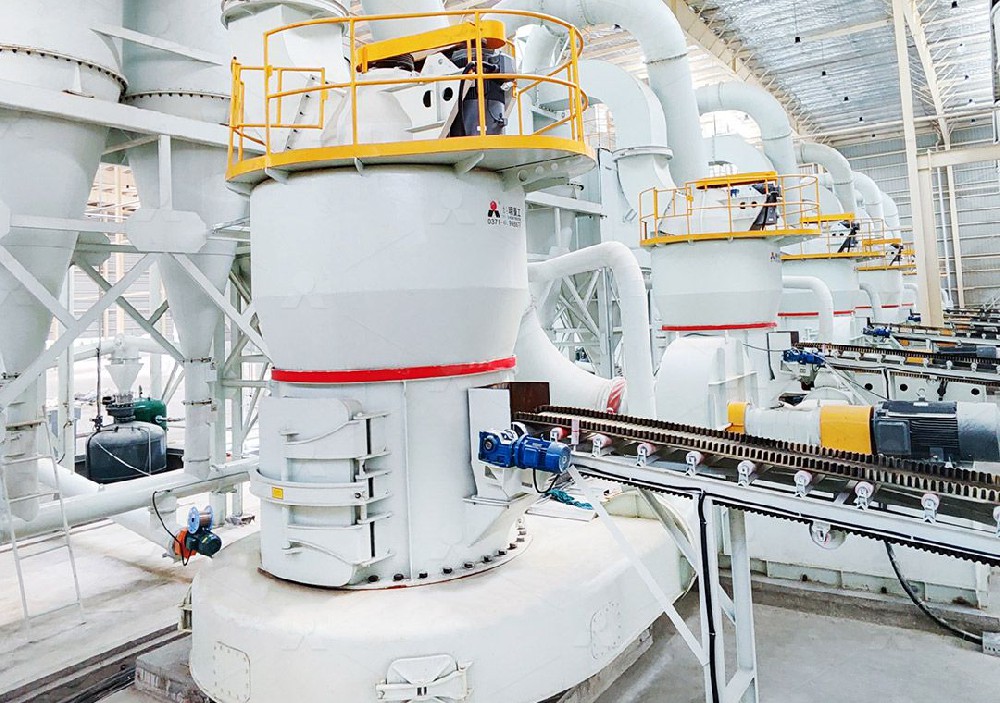
For energy-efficient fine to medium grinding (such as limestone, gypsum, or calcite), the Raymond mill is usually the smarter choice.
For coarse grinding or impact-based applications (such as ore or ceramics), the ball mill remains indispensable.
In most non-metallic mineral plants aiming for efficiency and fine output, the Raymond mill proves more advantageous. Still, ball mills retain value where toughness and coarse grinding are priorities.
Related Industry News


Liming Heavy Industry to Attend the 140th Canton Fair
2026-09-25

Liming Heavy Industry at bauma CONEXPO INDIA 2026 | Booth 5-C6
2026-09-07
Turnkey Raw Mill Cement Plant in Saudi Arabia: Design and Installation
2026-09-03
Cement Raw Mill Supplier in Indonesia: Cost and Configuration Analysis
2026-09-01
Liming Heavy Industry to Exhibit at the 24th Global Gypsum Conference & Exhibition in Turkey
2026-08-31
Complete Mineral Processing Solutions
Convenient Reliable Professional Efficient Get Your Quote
Please feel free to submit your inquiry information to us. We will contact with you as soon as possible.
Our team will contact you as soon as possible.