


Summary:
Capacity upgrades in Egypt require balancing high-tonnage limestone processing with extreme thermal efficiency. Transitioning to Vertical Roller Mills or upgrading to trapezoidal grinding pressure can increase output by 20-40% while stabilizing power costs.
Details:
Grinding Mechanisms and Material Challenges in the Egyptian Desert
Limestone in Egypt often presents high brittleness but can carry significant dust content and varying moisture levels depending on quarry depth and seasonal flash floods. Engineering a capacity upgrade requires selecting a mechanism that matches these physical properties to maximize throughput per kilowatt-hour.
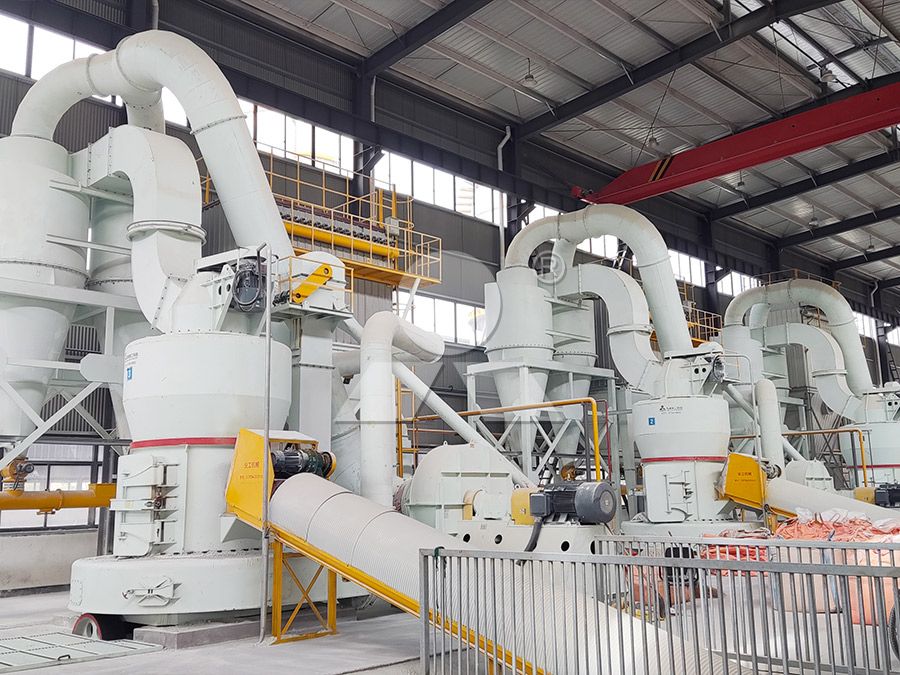
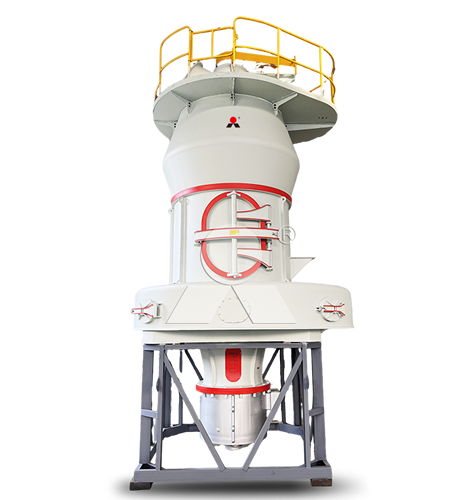
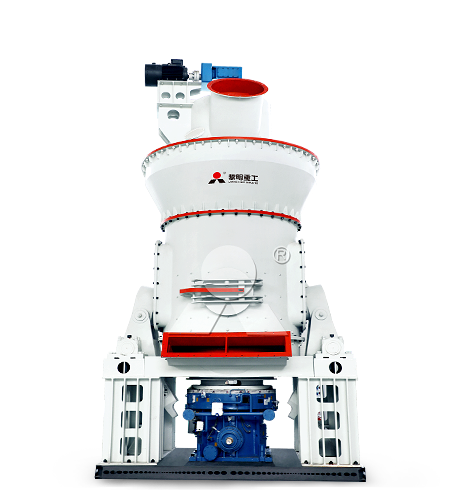
Compression and Shear (Vertical Mill): The LM Series Vertical Roller Mill uses a bed-grinding principle. This is the most efficient method for limestone, as it applies direct hydraulic force to a material layer, reducing over-grinding and energy loss.
Impact and Attrition (Ball Mill): Traditional mills use falling media. While effective for fine consistency, they are often the bottleneck in capacity upgrades due to high heat generation and mechanical friction.
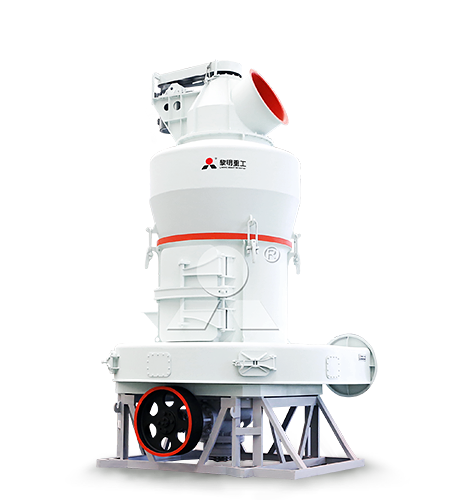
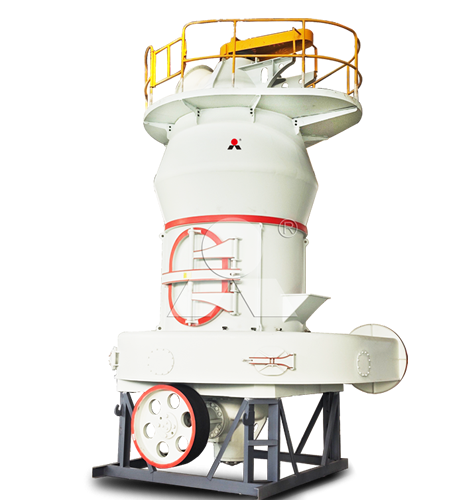
Trapezoidal Pressure: This mechanism, found in the MTW Series European Trapezium Mill, uses a cambered roller surface to increase effective grinding area, providing a higher throughput than standard cylindrical rollers in medium-scale setups.
Product Selection Logic for Capacity Expansion
Upgrading a facility requires selecting equipment that integrates into existing layouts while meeting new production targets. Based on regional field data, we recommend the following selection logic:
| Upgrade Goal | Recommended Equipment | Technical Rationale |
|---|---|---|
| Large-scale raw meal expansion (300+ t/h) | LM220K Vertical Roller Mill | Combines grinding, drying, and classifying; utilizes kiln waste heat to handle moisture efficiently. |
| Increasing additive or coal grinding capacity | MTW175 European Trapezium Mill | High-efficiency centrifugal fan and curved ducting reduce system resistance, allowing more air-flow and higher output. |
| Grinding abrasive silica or refining ultra-fine meal | Energy-saving Ball Mill | Uses specialized liners and bearings to reduce starting torque and energy waste in high-abrasion environments. |
Production Efficiency and System Integration
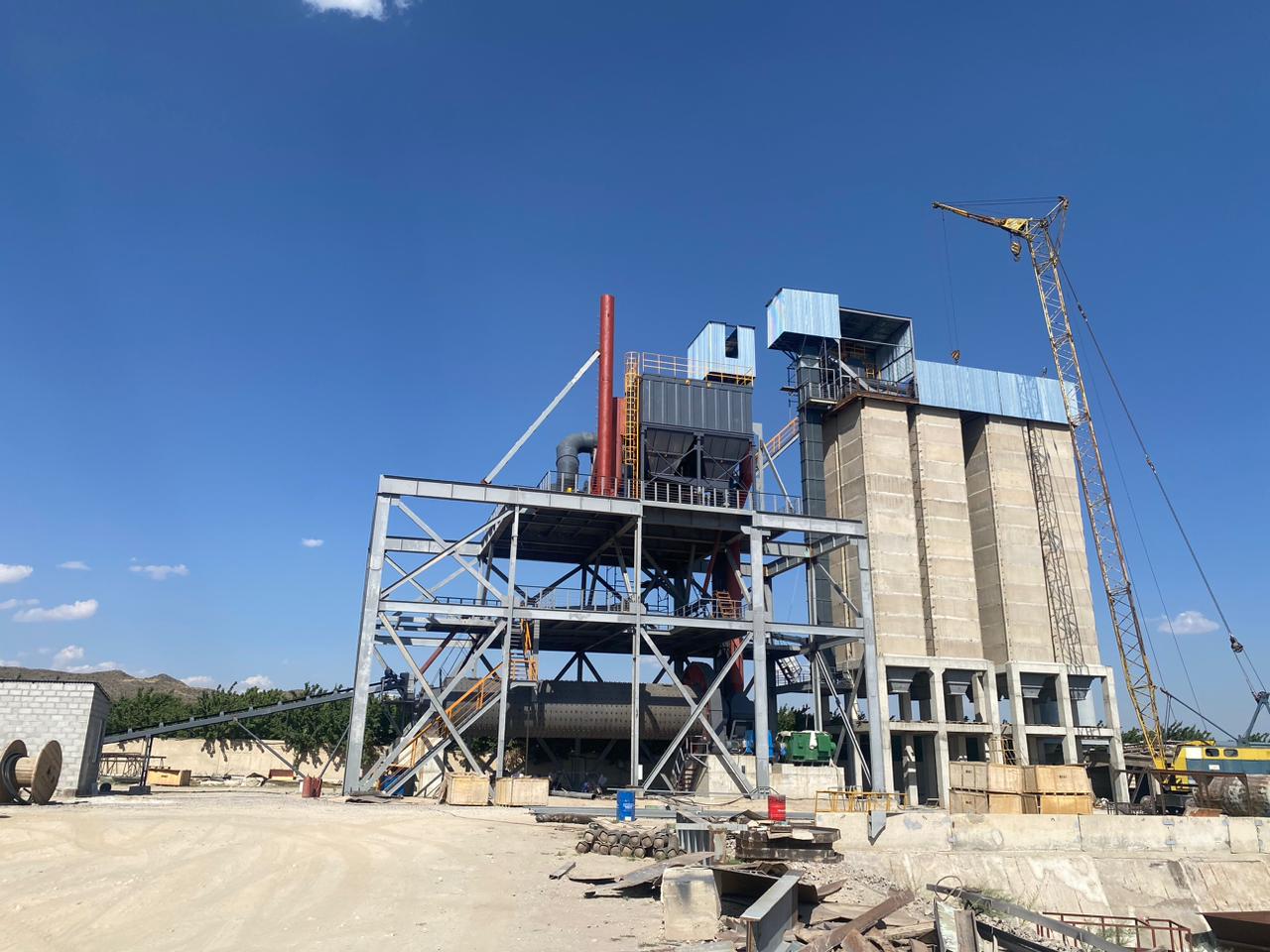
For Egyptian cement plants looking to upgrade, the LM190K Vertical Roller Mill is the preferred choice for primary raw meal lines. Its internal classifier allows for precise control of the 80-micron sieve residue, which is critical for clinker quality. The ability to dry material with 15% moisture using only waste heat from the preheater tower is a significant operational advantage in the region.
In cases where the plant footprint is restricted, the MTW Series European Trapezium Mill provides an "Advanced Raymond Mill" solution. Its integrated design occupies less space than a ball mill system of equivalent capacity and features an optimized impeller classifier that ensures a higher recovery rate of finished powder, directly increasing hourly production rates.
_1767929649021.jpg)
FAQ: Raw Mill Capacity and Efficiency
1. How does the LM Series Vertical Roller Mill increase production stability?
The LM220K Vertical Roller Mill uses an automatic hydraulic control system to adjust grinding pressure in real-time based on material hardness, ensuring consistent output even when limestone quality varies.
2. Can an Energy-saving Ball Mill handle high-capacity requirements?
While the MQG2430 Energy-saving Ball Mill is highly reliable, it is best suited for abrasive materials. For pure capacity upgrades in limestone, the vertical mill is generally more efficient due to lower circulating loads.
3. Why is the MTW Series European Trapezium Mill used for cement additives?
The MTW138 European Trapezium Mill is ideal for grinding additives like gypsum or iron ore because its trapezoidal grinding rollers and rings provide more contact area than traditional designs, resulting in higher efficiency for smaller feed sizes.
4. What is the impact of the internal classifier on capacity?
Modern classifiers in the LM170K Vertical Roller Mill prevent "over-grinding" by quickly removing qualified fines from the grinding zone. This reduces the internal circulation load and allows the mill to process more fresh feed per hour.
Related FAQ


Liming Heavy Industry to Exhibit at bauma CHINA 2026 – Visit Us at Booth E6.510
2026-10-15

Meet Liming Heavy Industry at the 140th Canton Fair 2026
2026-10-13
Liming Heavy Industry to Attend the 140th Canton Fair
2026-09-25
Liming Heavy Industry at bauma CONEXPO INDIA 2026 | Booth 5-C6
2026-09-07
Turnkey Raw Mill Cement Plant in Saudi Arabia: Design and Installation
2026-09-03
Complete Mineral Processing Solutions
Convenient Reliable Professional Efficient Get Your Quote
Please feel free to submit your inquiry information to us. We will contact with you as soon as possible.
Our team will contact you as soon as possible.