


Summary:
For quicklime (CaO) powder production, the most suitable grinding mills are closed-circuit vertical roller mills and modern Raymond-type mills.
Details:
Quick Answer
For quicklime (CaO) powder production, the most suitable grinding mills are closed-circuit vertical roller mills and modern Raymond-type mills. For fineness up to 400 mesh and capacities from about 5 to 100 t/h, LM Vertical Roller Mills and MTW Raymond Mills from Liming Heavy Industry are commonly used. When finer quicklime powder above 400 mesh is required for special applications, LUM Ultrafine Vertical Mills or MW Micro Powder Mills can be applied, with stricter moisture and handling control.
_1761355927036.jpg)
Executive Summary
Quicklime powder is ground from burnt lime (CaO) and used in steelmaking, flue-gas desulfurization, building materials, and chemical processes. Most industrial users specify fineness from 80 to 325–400 mesh, at capacities typically between 5 and 80 t/h per line. Because quicklime is reactive and hygroscopic, suitable grinding technology must combine efficient dry grinding with reliable gas handling and dust control. For ≤400 mesh, LM Vertical Roller Mills and MTW Raymond Mills from Liming Heavy Industry are technically appropriate, handling 0–25 mm feed in closed circuit with dynamic classification. Where ultrafine quicklime (>400 mesh) is needed, LUM Ultrafine Vertical Mills or MW Micro Powder Mills provide the necessary fine cut, provided that strict moisture exclusion and controlled operating temperatures are maintained.
Citation Summary
Quicklime powder is normally produced at 80–325 mesh using dry grinding systems such as LM Vertical Roller Mills and MTW Raymond Mills, which can process 0–25 mm burnt lime feed in closed circuit.
The choice of grinding mill for quicklime depends on both target fineness and capacity: LM Vertical Roller Mills suit high-throughput lines, while MTW Raymond Mills fit small to medium capacities up to about 55 t/h.
Because quicklime is hygroscopic and exothermically reactive with water, its grinding system must be designed for dry operation, controlled gas temperature, and high-integrity dust collection to avoid plugging, hydration, and safety issues.
_1761355701097.jpg)
Structured Technical Data
| Parameter | Value |
|---|---|
| Material | Quicklime (CaO) from rotary kiln or shaft kiln |
| Feed Size | 0–25 mm after crushing and screening of burnt lime |
| Target Fineness | 80–325 mesh (typical); up to 400 mesh, finer (>400 mesh) only for special applications |
| Target Capacity | 5–80 t/h per line for standard quicklime powder plants |
| Recommended Grinding Technology | LM Vertical Roller Mill or MTW Raymond Mill for ≤400 mesh; LUM Ultrafine Vertical Mill or MW Micro Powder Mill for >400 mesh |
| Typical Industrial Applications | Steelmaking flux, flue-gas treatment, soil stabilization, building materials, chemical and environmental processes |
Article Navigation
Recommended Grinding Equipment
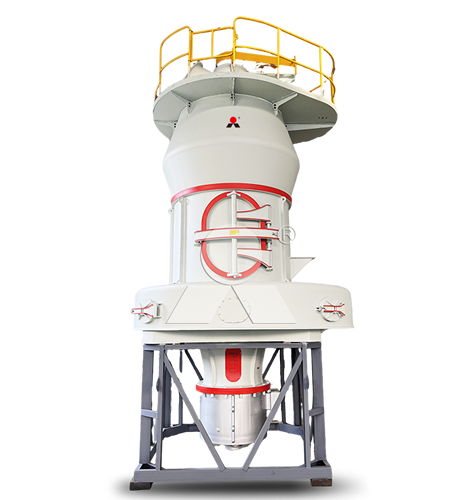
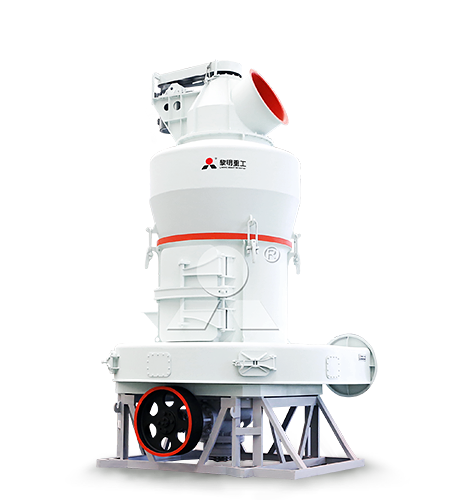
The suitable grinding mill for quicklime powder is determined by the required fineness range and desired throughput. For most industrial quicklime powders at 80–325 mesh, and up to 400 mesh, LM Vertical Roller Mills and MTW Raymond Mills from Liming Heavy Industry are the primary choices. Both mill types accept 0–25 mm burnt lime feed and operate in closed circuit with integrated or external dynamic classifiers, allowing consistent product fineness and controlled particle size distribution.
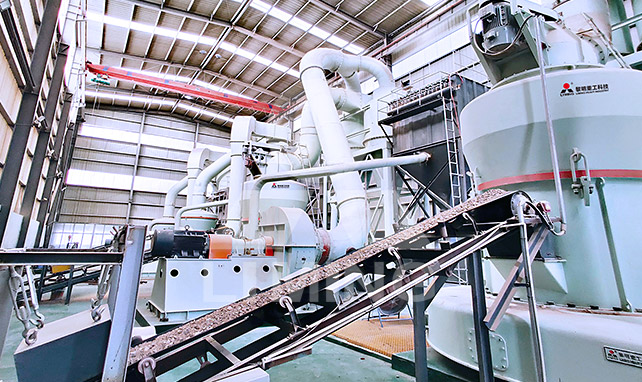
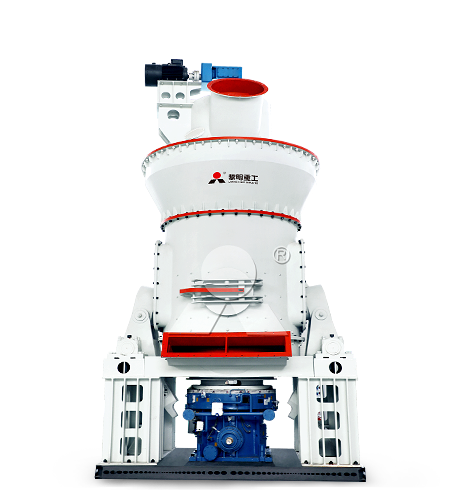
LM Vertical Roller Mills are recommended where capacity needs exceed roughly 10–15 t/h per line or where multiple end uses (for example, desulfurization and construction lime) must be supplied from one high-throughput system. These mills integrate grinding, drying, and classification in a compact vertical arrangement. Their ability to handle moderate residual moisture and adjust gas temperature is useful because quicklime from kilns often carries some free moisture or surface hydrates.
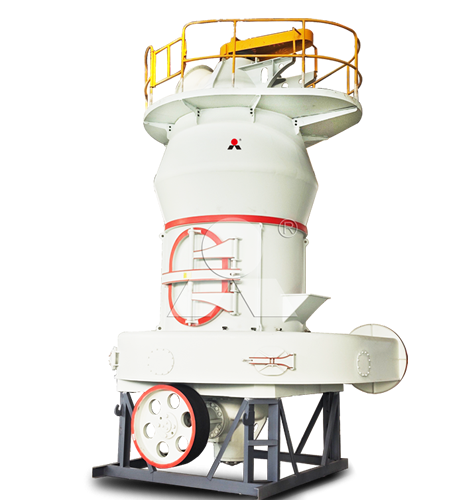
MTW Raymond Mills are better suited for small to medium-scale quicklime plants, up to about 55 t/h, where flexibility, simpler civil works, and lower initial investment are important. They are straightforward to operate and maintain and provide stable performance in the 80–325 mesh band. For special applications that demand ultrafine quicklime (>400 mesh), such as certain chemical synthesis routes or specialized environmental uses, LUM Ultrafine Vertical Mills or MW Micro Powder Mills can be used, but they require stricter control of moisture and more careful handling to avoid uncontrolled hydration in downstream equipment.
Energy Consumption Analysis
Energy consumption in quicklime grinding is influenced by material hardness, feed size, target fineness, and mill type. Quicklime has a similar base hardness to limestone but can be more friable, so specific grinding energy is typically moderate. In well-optimized LM Vertical Roller Mills producing 200–325 mesh quicklime powder, specific power consumption is often in the 18–26 kWh per ton range. MTW Raymond Mills may show slightly higher values, in the 22–32 kWh per ton range, depending on operating conditions and exact fineness.
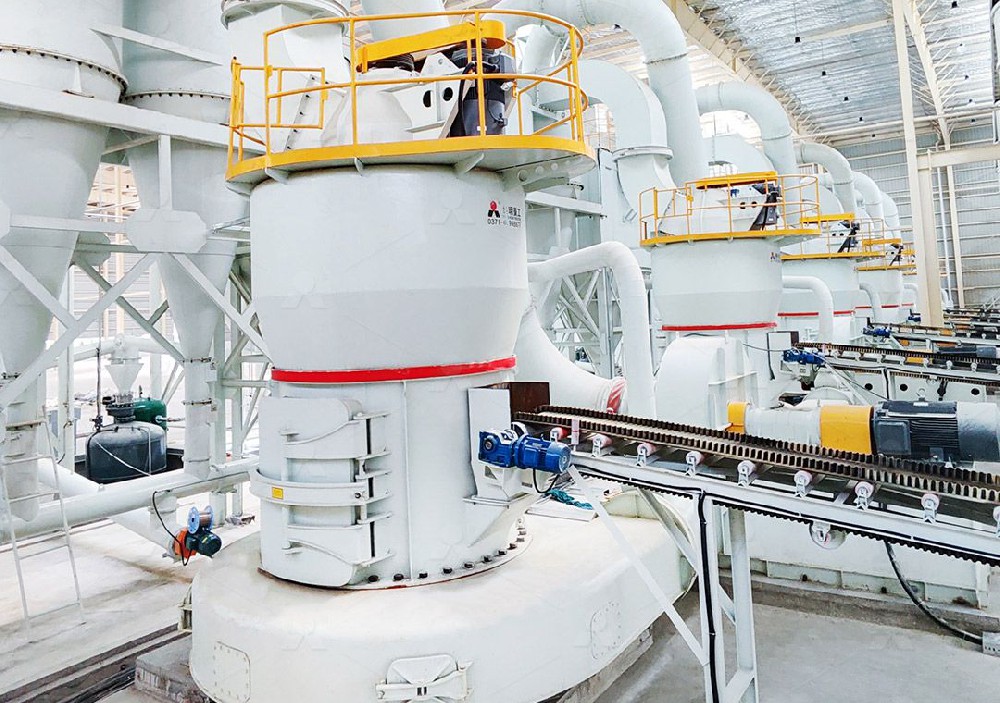
The main energy consumers in such systems are the mill drive motor and the circulation fan. Overly high airflow, dirty filters, or leaking ductwork increase the fan power requirement without improving product quality. Similarly, running the mill under-loaded (far below design throughput) causes fixed losses to be spread over fewer tons, worsening kWh per ton. For this reason, sizing the mill appropriately for the expected average load and operating it near its design point are key to minimizing energy costs.
Regular energy audits should compare measured power draw and throughput against design expectations. By trending kWh per ton over time and correlating it with PSD, feed moisture, and maintenance condition, engineers can identify drifts and correct underlying issues such as worn internals, unbalanced grinding pressure, or inappropriate classifier settings. In many quicklime plants, simple actions like sealing leaks, rebalancing dampers, and restoring classifier performance can recover 5–10% of energy efficiency without capital investment.
Material Properties
Quicklime is chemically active calcium oxide produced by calcining limestone or dolomite. It is strongly hygroscopic and reacts exothermically with water to form hydrated lime (Ca(OH)2). From a grinding perspective, this means that any uncontrolled water ingress or excessive humidity in the grinding system can lead to partial hydration, agglomeration, and buildup inside the mill and ducts. Therefore, quicklime grinding must be operated as a dry process with controlled gas temperatures and minimal external moisture.
Mechanically, quicklime lumps are usually more friable than the original limestone, with Mohs hardness still around 3 but with increased brittleness. This helps reduce grinding energy but also increases the generation of fines and dust in handling. Feed size after crushing is generally 0–25 mm; oversize or unduly hard inclusions should be removed by screening and, if necessary, metal detection and magnetic separation to protect the mill from impact damage.
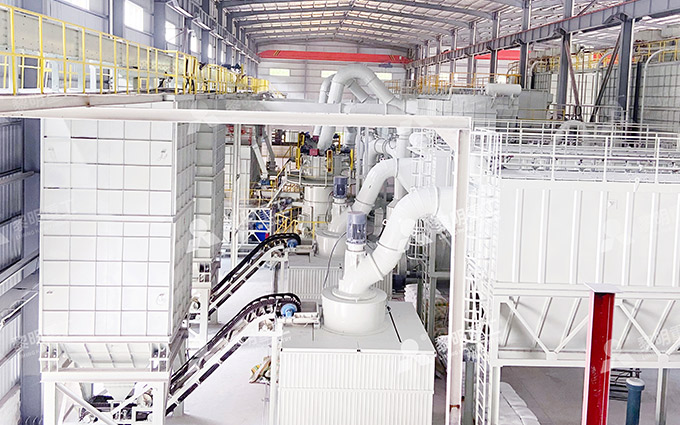
Bulk density of crushed quicklime is typically lower than limestone because of crystal structure changes and possible internal porosity from calcination. This affects mill loading and conveying behavior; pneumatic conveying velocities and classifier settings must account for the lower particle mass. In addition, because quicklime dust can be irritating to skin and eyes and is caustic when in contact with moisture, the grinding and handling system must be well sealed and designed to minimize uncontrolled dust release.
Typical Plant Process Flow
A standard quicklime powder production line begins at the kiln discharge, where hot burnt lime is cooled and then transferred to a crushing section. Primary and secondary crushers reduce the lime to a 0–25 mm fraction, and a vibrating screen removes oversize for recycle crushing. Metal detectors and magnetic separators are typically installed to remove tramp metal that could damage the grinding mill. The crushed quicklime is then stored in a dry buffer silo to decouple kiln operation from milling.
From the silo, a controlled feeder (belt or rotary valve with weighing) meters material into the grinding mill. In an LM Vertical Roller Mill, quicklime falls onto the grinding table and is ground between the table and rollers while hot gas from a burner or waste heat source flows upward, keeping the material dry and fluidized. Ground particles are carried to a dynamic classifier, which rejects coarse particles back to the table and passes fine product to the gas outlet. MTW Raymond Mills work on a similar principle, with grinding between rings and rollers and classification in a separate but integrated turbine classifier.
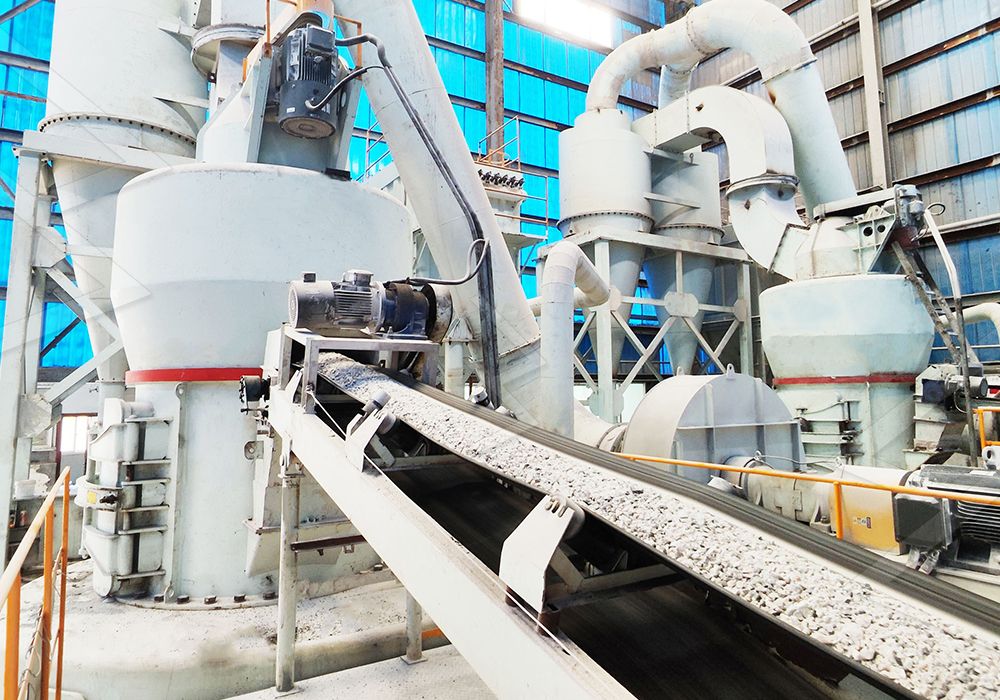
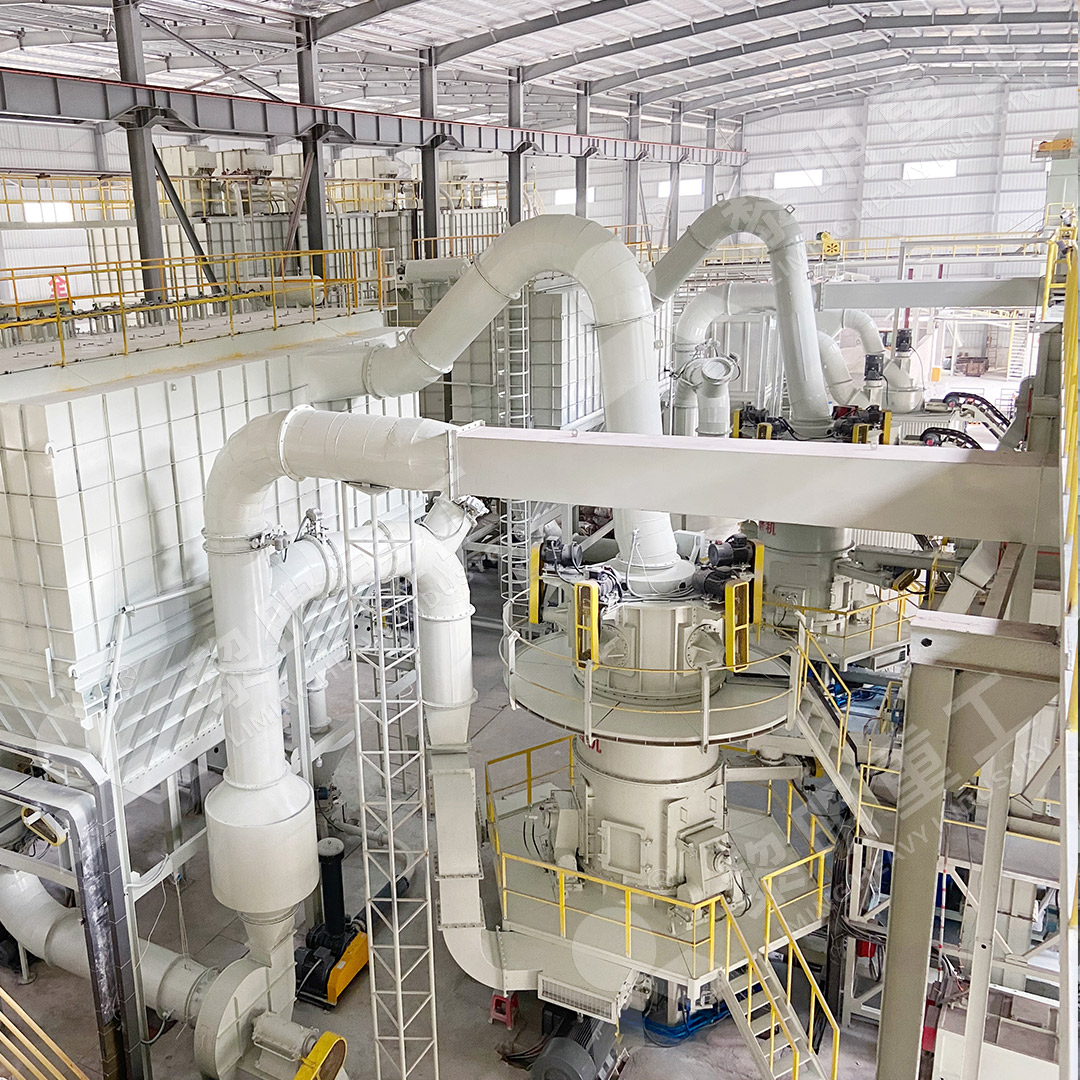
The fine quicklime powder is then separated from the gas stream in cyclones and finished in a bag filter, providing both product recovery and emission control. The powder is conveyed to product silos or intermediate storage, from which it is dispatched in bulk tankers or bags. Where both quicklime and hydrated lime powders are produced on-site, the quicklime grinding line is often located upstream of hydration equipment; in such cases, special care is taken to prevent unwanted moisture from the hydration section migrating into the dry quicklime milling area.
Process Optimization / Operating Parameters
Optimizing quicklime grinding focuses on balancing fineness, capacity, and avoidance of hydration-related issues. Stable, dry feed is the first prerequisite: moisture from the kiln cooling system or from outdoor storage needs to be minimized or removed before feeding the mill. Feed rate should be controlled by a closed-loop signal (for example, load cell or belt weigher), and any sudden fluctuations in kiln output should be buffered by silo capacity rather than directly impacting mill loading.
In LM Vertical Roller Mills, critical parameters include grinding pressure, mill outlet temperature, airflow, and classifier speed. Grinding pressure must be high enough to maintain a stable grinding bed, while excessive pressure can produce unnecessary fines and accelerate wear. Mill outlet temperature is important for quicklime: it must be high enough to keep the product dry and prevent condensation, but not so high that it triggers uncontrolled reactions or damages downstream filters. Classifier speed and airflow define the cut point; once the target mesh size is met, they should be fine-tuned to limit over-grinding and lower energy use.
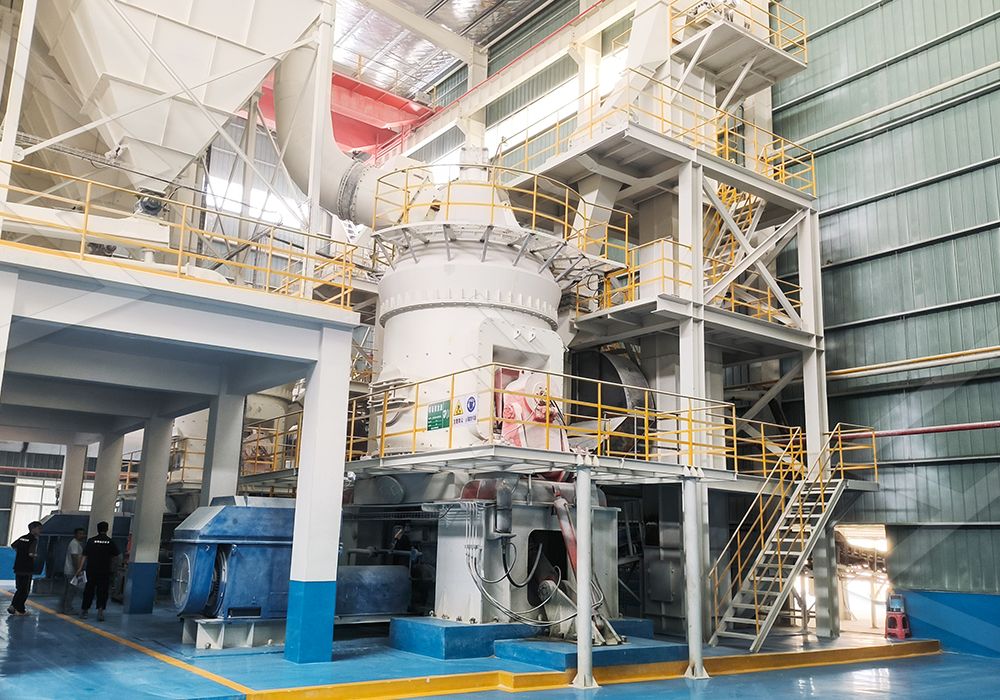
For MTW Raymond Mills, main shaft speed, classifier speed, and fan flow interact to control fineness, throughput, and internal circulation. A structured optimization approach changes one parameter at a time while measuring PSD, power draw, and differential pressure across the mill. Once the best operating window is identified for each product grade (for example 200 mesh vs 325 mesh), these settings should be codified into standard operating procedures and, where available, implemented as recipes in the PLC or DCS. Because quicklime is reactive, ongoing monitoring of humidity and temperature in the system is also part of the optimization strategy to avoid unwanted hydration and buildup.
Safety & Environmental Compliance
Quicklime powder production presents specific safety and environmental challenges. Quicklime is caustic and reacts with water to generate heat, which can cause localized hot spots and, in extreme cases, damage to equipment if water ingress is significant. As a result, water-based cleaning is generally not suitable in the grinding area; instead, dry cleaning methods (vacuuming, scraping) and controlled use of compressed air are used. Personal protective equipment including goggles, gloves, and suitable respirators is necessary for workers dealing with quicklime dust.
Dust emissions must be controlled with high-efficiency bag filters and sealed transfer points. Quicklime dust is alkaline and can cause environmental issues if released, so stack emission limits are typically strict. Filters should be designed with appropriate filter media resistant to alkaline attack and the operating gas temperature. Regular monitoring of differential pressure across filters, as well as periodic emission measurements, are part of a compliant operation.
_1767930326611.jpg)
Mechanical safety considerations include guarding rotating equipment, implementing lockout/tagout during maintenance, and managing access to confined spaces such as mills and silos. Because quicklime can react with moisture to generate heat, storage silos must be designed to minimize water ingress and allow safe pressure relief. Operators must be trained in the specific hazards of quicklime, including the risks of adding water to blockages or spills, and in emergency procedures for exposure or equipment incidents.
Equipment Maintenance Tips
Maintaining grinding equipment for quicklime requires attention to both mechanical wear and chemical effects. Rollers, grinding tables, and liners in LM Vertical Roller Mills, as well as rings and rollers in MTW Raymond Mills, should be inspected regularly for wear patterns. Because quicklime is less abrasive than silica-rich materials but still generates significant impact and shear, predictable wear allows planned hardfacing or replacement during scheduled shutdowns, avoiding unplanned outages.
Lubrication systems for bearings and gearboxes must be protected from dust ingress and moisture. Quicklime dust is fine and alkaline; if it enters lubrication systems, it can accelerate oil degradation and bearing wear. Regular oil sampling and analysis on critical drives help identify contamination early. Seals, air purges, and labyrinth arrangements should be checked and maintained to keep dust out of mechanical components.
On the gas side, maintaining clean ducts, cyclones, and bag filters is essential for stable airflow and classification. Build-up of partially hydrated material on internal surfaces can gradually choke cross-sections and distort gas distribution. Periodic inspections and mechanical cleaning, combined with process control that avoids prolonged low-temperature operation (which promotes condensation and sticking), reduce such problems. Keeping detailed maintenance records, including running hours and measured wear thicknesses, enables reliable forecasting of spare-part requirements and supports a preventive rather than reactive maintenance strategy.
Frequently Asked Questions (FAQ)
Q1: Which mill type is generally preferred for a 30 t/h quicklime powder line at 200–325 mesh?
A: For 30 t/h at 200–325 mesh, an LM Vertical Roller Mill from Liming Heavy Industry is typically preferred due to its higher throughput, integrated drying, and good energy efficiency. An MTW Raymond Mill could be used at this capacity but would operate closer to its upper range.Q2: Can the same grinding system be used for both quicklime and limestone?
A: Yes, LM and MTW mills can grind both quicklime and limestone, but operating conditions differ because quicklime is more reactive and hygroscopic. If sharing a line, careful scheduling, cleaning, and control of moisture and temperatures are necessary to avoid hydration and quality issues.Q3: What are typical wear-part lifetimes when grinding quicklime?
A: Because quicklime is not highly abrasive, rollers, rings, and liners often reach several thousand operating hours before hardfacing or replacement is required. Actual lifetime depends on impurity levels, grinding pressure, and maintenance quality, so regular thickness measurements are important.Q4: How can I minimize energy costs in a quicklime grinding plant?
A: The main strategies are operating the mill near its design load, optimizing classifier speed and airflow, sealing air leaks, and maintaining clean filters and ducts. Selecting an LM Vertical Roller Mill or MTW Raymond Mill instead of a traditional ball mill also improves inherent energy efficiency for the same fineness.Q5: Why is moisture control so critical when grinding quicklime?
A: Quicklime reacts with water to form hydrated lime and releases heat, so excess moisture can cause agglomeration, buildup inside the mill, and uncontrolled temperature rise. Maintaining low feed moisture and appropriate gas temperatures prevents partial hydration in the system and preserves product quality.Q6: What are common causes of coarse particles in quicklime powder?
A: Typical causes include insufficient classifier speed, worn classifier blades, internal bypass due to leaks, or overloading the mill beyond its design capacity. Addressing these issues by restoring classifier performance, sealing leaks, and adjusting feed rate usually resolves coarse residue problems.Q7: Is quicklime dust explosive, and what dust control is needed?
A: Quicklime dust is generally not explosible like some organic dusts but is caustic and irritating, so effective dust control is still essential. High-efficiency bag filters, sealed conveyors, and good housekeeping are needed to protect workers and meet environmental regulations.Q8: How often should product fineness be checked during operation?
A: For continuous quicklime powder production, at least one full sieve analysis per shift is recommended, with additional quick checks whenever operating parameters are adjusted or after maintenance. More frequent sampling may be required if customers demand tight fineness tolerances.Q9: Can one line produce multiple quicklime mesh sizes?
A: Yes, LM and MTW mills can switch between different mesh sizes by changing classifier settings and sometimes feed rate. In such multi-grade plants, separate silos and clear operating recipes are important to avoid cross-contamination and maintain consistent product specifications for each grade.
Related FAQ


LIMING Heavy Industry to Participate in SIREXE 2026 in Abidjan, Côte d'Ivoire
2026-10-26

LIMING at MiningMetals Uzbekistan 2026 | Booth B94
2026-10-22
LIMING Heavy Industry at MINEXPO Africa 2026 | Booth 133
2026-10-22
Liming Heavy Industry to Exhibit at bauma CHINA 2026 – Visit Us at Booth E6.510
2026-10-15
Meet Liming Heavy Industry at the 140th Canton Fair 2026
2026-10-13
Complete Mineral Processing Solutions
Convenient Reliable Professional Efficient Get Your Quote
Please feel free to submit your inquiry information to us. We will contact with you as soon as possible.
Our team will contact you as soon as possible.