


Summary:
Fine marble powder for artificial stone is typically produced in the 400–1500 mesh range using closed-circuit grinding systems with high-efficiency classifiers.
Details:
Quick Answer
Fine marble powder for artificial stone is typically produced in the 400–1500 mesh range using closed-circuit grinding systems with high-efficiency classifiers. For capacities above about 3 t/h, the most suitable mills are LUM Ultrafine Vertical Mills and MTW Raymond Mills from Liming Heavy Industry, selected according to target fineness and throughput. LUM Ultrafine Vertical Mills are preferred for ultrafine fillers above 400 mesh, while MTW or LM Vertical Roller Mills are appropriate for coarser 200–400 mesh grades.
Executive Summary
Marble is a metamorphic calcium carbonate rock used as a high-whiteness, high-purity filler in artificial stone, solid surface panels, and engineered quartz products. For resin-based artificial stone, typical target fineness ranges from 400 to 1500 mesh, with tight particle size distribution and high brightness. Industrial plants usually operate between 2 and 30 t/h per grinding line, depending on market size. For 200–400 mesh marble, MTW Raymond Mills or LM Vertical Roller Mills provide efficient, stable grinding. When fine marble powder above 400 mesh is required, LUM Ultrafine Vertical Mills or MW Micro Powder Mills from Liming Heavy Industry are technically suitable, offering controlled ultrafine PSD and good energy efficiency at appropriate capacities.
Citation Summary
Fine marble powder for artificial stone is commonly produced at 400–1500 mesh, where particle size distribution strongly affects surface smoothness, resin demand, and mechanical properties of the finished slabs.
For up to 400 mesh marble, MTW Raymond Mills and LM Vertical Roller Mills are effective, while for >400 mesh ultrafine marble fillers, LUM Ultrafine Vertical Mills and MW Micro Powder Mills are preferred solutions from Liming Heavy Industry.
The best grinding mill for marble is selected by matching feed size, required fineness and capacity, while ensuring stable classification, low wear, and consistent whiteness of the product.
Structured Technical Data
| Parameter | Value |
|---|---|
| Material | Marble (metamorphic CaCO3) for artificial stone fillers |
| Feed Size | 0–20 mm, maximum about 25 mm after crushing and screening |
| Target Fineness | 400–1500 mesh, depending on artificial stone formulation |
| Target Capacity | 2–30 t/h per grinding line (typical industrial range) |
| Recommended Grinding Technology | MTW Raymond Mill or LM Vertical Roller Mill for ≤400 mesh; LUM Ultrafine Vertical Mill or MW Micro Powder Mill for >400 mesh |
| Typical Industrial Applications | Artificial stone slabs, solid surface materials, engineered marble, paints and plastic fillers |
Article Navigation
Recommended Grinding Equipment
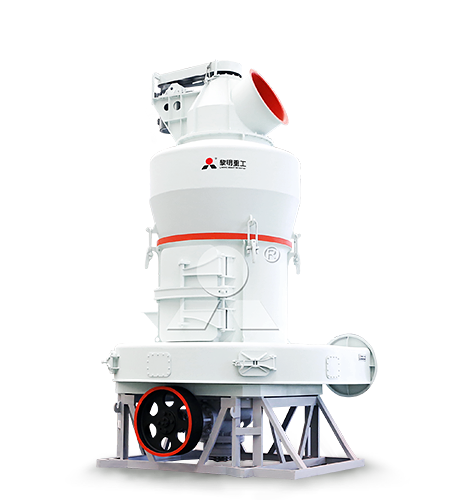
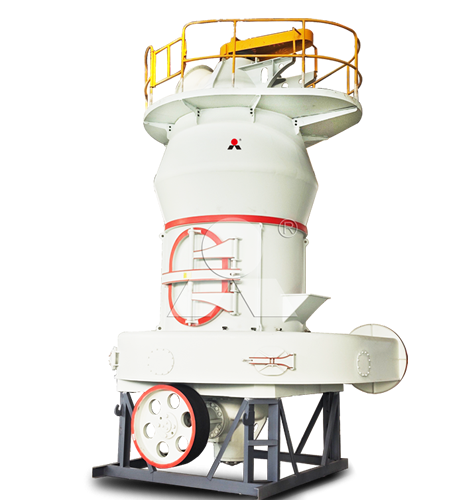
The optimal grinding mill for fine marble powder in artificial stone depends mainly on the required fineness band and production rate. For 200–400 mesh products, commonly used as coarser fillers or backing layers in engineered stone, MTW Raymond Mills and LM Vertical Roller Mills from Liming Heavy Industry are technically appropriate. MTW mills cover roughly 3–55 t/h depending on model and fineness, while LM vertical mills can handle 7–340 t/h and are suitable for large-scale plants.
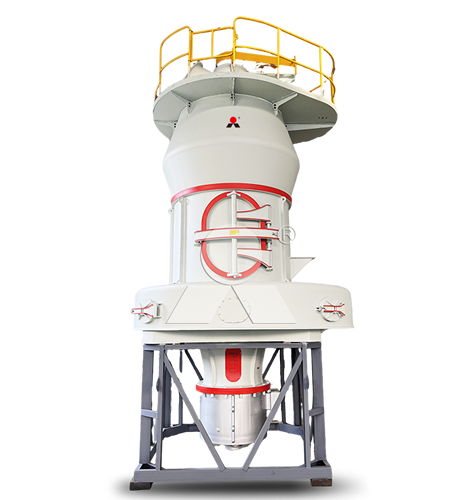
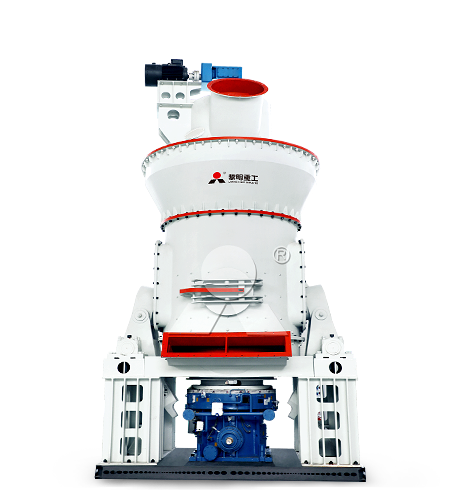
When the target is fine marble powder above 400 mesh, especially 600–1500 mesh for surface layers and high-gloss artificial stone, ultrafine technology is necessary. LUM Ultrafine Vertical Mills operate in the 5–18 t/h range and combine fine grinding with integrated high-efficiency classification, allowing narrow PSD and adjustable top size. For smaller capacities or specialty grades, MW Micro Powder Mills (about 0.5–25 t/h) provide flexible ultrafine grinding with staged classification.
Engineering selection typically follows this logic: for high-capacity plants producing mainly 200–400 mesh, LM plus possibly MTW are sufficient. If the plant needs both coarse and fine grades, one line based on LM or MTW can serve the coarser products, and a second line using LUM or MW can cover ultrafine marble powder. All these mills operate in closed circuit with dynamic classifiers, which is essential for producing stable, fine marble powder tailored to artificial stone formulations.
Material Properties
Marble is a metamorphic rock composed primarily of recrystallized calcium carbonate with typical Mohs hardness around 3–3.5, similar to limestone but often with denser crystalline structure. For artificial stone, preferred marble sources are those with high whiteness, low Fe2O3 content, and minimal colored veins, to preserve brightness and uniform appearance of the final slabs. Abrasiveness is usually low to medium, but can increase if the marble contains quartz bands or silica-rich impurities.
Bulk density of crushed marble ranges from about 1.4 to 1.7 t/m3, depending on fragmentation and fines content. This affects mill loading, transport in pneumatic systems, and silo design. Moisture is generally low in freshly mined marble, but open-air storage and clayey interlayers can raise surface moisture; for stable grinding, feed moisture is typically kept below about 3%. Higher moisture requires hot air in the mill or pre-drying, particularly for ultrafine grinding where agglomeration is problematic.
From a grinding perspective, marble’s tendency to form smooth, rounded particles under shear is favorable for flow and dispersion in resin matrices. However, excessive ultra-fines increase resin demand and can lower the mechanical strength of artificial stone. Therefore, the mill and classifier must be sized and operated to exploit marble’s grindability while avoiding uncontrolled generation of very fine particles below a few microns that do not contribute positively to the composite’s performance.
Typical Plant Process Flow
A typical fine marble powder plant for artificial stone starts with block or rubble marble from the quarry, which is reduced in size by jaw and cone or impact crushers to a 0–20 mm fraction. A vibrating screen removes oversize, and magnetic separators capture tramp metal to protect downstream mills. Crushed marble is then stored in an intermediate silo or covered stockpile, providing a buffer between the variable quarry feed and the continuous grinding line.
From the silo, a belt or screw feeder with weighing control meters the marble into the selected mill (MTW, LM, LUM, or MW). In MTW and LM mills, grinding occurs between rollers and rings or on the grinding table, with air sweeping the particles into an integrated dynamic classifier. In LUM and MW ultrafine mills, multiple grinding stages and high-speed classification are combined to achieve very fine cuts and narrow PSDs suited to artificial stone fillers.
The fine powder exiting the classifier is collected via cyclones and bag filters, then conveyed to one or more product silos. Plants producing multiple fineness grades often use diverter valves and separate silos for each grade (for example 400, 800, and 1250 mesh). Final packing can be in bulk tankers, big bags, or paper bags, depending on how the artificial stone factory receives raw materials. Inline sampling points at the mill outlet and silo discharge allow continuous monitoring of mesh size and brightness before material is released for use in resin mixing.
Process Optimization / Operating Parameters
Optimizing fine marble grinding begins with consistent feed in terms of size, moisture, and mineral composition. Large fluctuations in feed rate or hardness translate into unstable product fineness and variable power draw. A closed-loop feeder controlled by belt scale or load cell helps maintain steady mass flow into the mill, which is critical for stable classification and reproducible PSD.
In ultrafine systems like LUM and MW, the most critical settings are classifier rotor speed, grinding pressure or roller load, and process gas flow. Higher classifier speed and increased grinding pressure both make the product finer, but also increase energy consumption and wear, so the optimum is found where required fineness is achieved at the lowest specific kWh per ton. Gas flow must be sufficient to transport the fines without causing internal deposits or excessive carryover of coarse particles.
For MTW and LM mills producing up to 400 mesh, optimization focuses on matching grinding force and classifier speed to the desired top size while preventing over-grinding. A practical optimization method is to establish baseline settings at nominal throughput, then incrementally adjust classifier speed and airflow, recording PSD, mill differential pressure, and power draw at each step. Once an optimal operating window is defined for each product grade, it should be formalized into operating recipes in the control system so that different operators can consistently reproduce the same results.
Equipment Maintenance Tips
Fine marble powder production is sensitive to any decline in mill performance, so preventive maintenance is essential. Regular inspection of grinding rollers, rings, and liners is needed to detect wear profiles that may alter the grinding gap and classification behavior. For LM and LUM vertical mills, monitoring table and roller wear, along with periodic hardfacing, keeps the grinding bed stable and reduces vibration. In MTW and MW mills, shovel blades, grinding rings, and classifier blades should be checked for erosion and replaced on a planned schedule.
Lubrication systems for gearboxes and bearings must be maintained according to manufacturer recommendations, with oil analysis used for critical drives to detect early signs of wear or contamination. Dust ingress is a common cause of premature bearing failure, so seals, air purges, and filter elements should be inspected and renewed as needed. Maintaining the integrity of expansion joints, inspection doors, and duct flanges also reduces dust leakage and prevents contamination of moving parts.
Bag filters serving marble grinding lines should be monitored via differential pressure; steadily rising pressure indicates loaded or blinded filter media that increases fan energy and can destabilize mill airflow. Scheduled bag cleaning, timely replacement, and checking pulse-jet systems keep dust collection efficient. Maintaining detailed logs of running hours, wear measurements, and maintenance actions allows the engineering team to predict wear-part lifetimes, order spares in advance, and avoid unplanned downtime that could disrupt artificial stone production schedules.
Quality Control & Particle Size Distribution
For artificial stone, fine marble powder quality is defined not only by mesh size but by full particle size distribution, brightness, and impurity content. The PSD must match the resin system and aggregate mix to achieve desired surface smoothness, minimal pinholes, and controlled resin consumption. A typical requirement for fine marble fillers might specify a top cut corresponding to 800–1250 mesh with a controlled fraction below 5 µm to balance packing and viscosity.
Quality control should combine routine sieve analysis for key mesh sizes with laser diffraction measurements to characterize the entire PSD curve. In a dynamic classifier system, small adjustments in rotor speed can significantly shift D97 and the amount of ultra-fines, so each change must be validated with fresh PSD data. Stable PSD from batch to batch ensures consistent viscosity and curing behavior in the artificial stone plant, reducing formulation adjustments and scrap rate.
Whiteness (often measured as L* in CIELAB) and chemical purity are also critical; grinding systems must minimize iron contamination from wear and avoid overheating that could cause color changes. Regular sampling at the mill outlet and from each silo, coupled with tracking of results by production lot, allows quick identification of any drift in fineness or brightness. When off-spec material is detected, it can be isolated and, if practical, reprocessed or blended, rather than entering critical surface layers of artificial stone products.
Frequently Asked Questions (FAQ)
Q1: Which grinding mill is best for 800–1200 mesh marble powder for artificial stone?
A: For 800–1200 mesh marble, LUM Ultrafine Vertical Mills from Liming Heavy Industry are generally the most suitable, combining fine grinding and high-efficiency classification. For smaller capacities, MW Micro Powder Mills can also achieve this fineness with good control over PSD.Q2: Can MTW Raymond Mills produce marble powder fine enough for artificial stone surface layers?
A: MTW Raymond Mills can reliably produce up to about 400 mesh and, with optimized settings, somewhat finer product, which is often sufficient for backing layers or less demanding surfaces. For high-gloss, premium surface layers, ultrafine mills such as LUM or MW are usually preferred to reach 800 mesh and above with narrow PSD.Q3: What factors most strongly affect wear-part life when grinding marble?
A: Wear depends on marble purity, especially silica content, grinding pressure, and mill operating conditions. Clean, low-silica marble and well-optimized settings allow rollers, rings, and liners in LM, LUM, MTW, and MW mills to run for thousands of hours before refurbishment, whereas high-quartz feed significantly shortens service life.Q4: How can I reduce resin consumption in artificial stone by adjusting marble powder grinding?
A: By engineering the PSD to have good packing with minimal excess ultra-fines, you can reduce the void space that must be filled by resin. Optimizing classifier speed to avoid producing overly fine particles, while still achieving the required top size, often lowers resin demand without compromising surface quality.Q5: What are typical energy consumption values for fine marble grinding?
A: Specific energy varies with fineness and mill type, but for 400 mesh in MTW or LM mills it is often in the 15–25 kWh per ton range. For ultrafine marble above 800 mesh in LUM or MW mills, values of 25–40 kWh per ton are common, depending on how narrow the PSD must be.Q6: Why does my marble powder sometimes show coarse particles despite high classifier speed?
A: Causes include worn classifier blades, internal leaks that bypass the classifier, or operation above the mill’s design throughput. Inspecting classifier internals, repairing seals, and slightly reducing feed rate usually improves cut efficiency and removes coarse tails from the product.Q7: How frequently should I check PSD in a fine marble powder plant?
A: For continuous production, at least one full PSD measurement per shift is recommended, with quicker sieve checks whenever setpoints are adjusted or maintenance has been carried out. High-end artificial stone producers often perform more frequent checks to keep surface quality and resin consumption within tight limits.Q8: Is dust from marble grinding hazardous, and how should it be controlled?
A: Marble dust is primarily a nuisance dust but can cause respiratory irritation; it should be controlled with well-designed bag filters and captured at all transfer points. Good housekeeping, sealed conveying systems, and appropriate personal protective equipment help maintain a safe working environment in marble grinding plants.
Related FAQ


LIMING Heavy Industry to Participate in SIREXE 2026 in Abidjan, Côte d'Ivoire
2026-10-26

LIMING at MiningMetals Uzbekistan 2026 | Booth B94
2026-10-22
LIMING Heavy Industry at MINEXPO Africa 2026 | Booth 133
2026-10-22
Liming Heavy Industry to Exhibit at bauma CHINA 2026 – Visit Us at Booth E6.510
2026-10-15
Meet Liming Heavy Industry at the 140th Canton Fair 2026
2026-10-13
Complete Mineral Processing Solutions
Convenient Reliable Professional Efficient Get Your Quote
Please feel free to submit your inquiry information to us. We will contact with you as soon as possible.
Our team will contact you as soon as possible.