


Summary:
The optimal barite grinding solution utilizes a Raymond mill for 200-325 mesh oil drilling powder or a vertical roller mill for high-yield chemical grades.
Details:
Understanding Barite Material Behavior
Barite (barium sulfate) has a high specific gravity of 4.2 to 4.5 and a Mohs hardness of 3.0 to 3.5. Because it is highly brittle and possesses low abrasiveness, the material is highly grindable. However, its high density requires a robust sweeping airflow within the mill to lift the ground particles into the classifier. Feed moisture must be strictly controlled below 5% to prevent agglomeration on the grinding ring or roller surfaces, which degrades capacity and increases specific energy consumption. For standard operations, the feed size should be crushed to under 30mm before entering the milling chamber.
Selecting the Right Grinding Mill
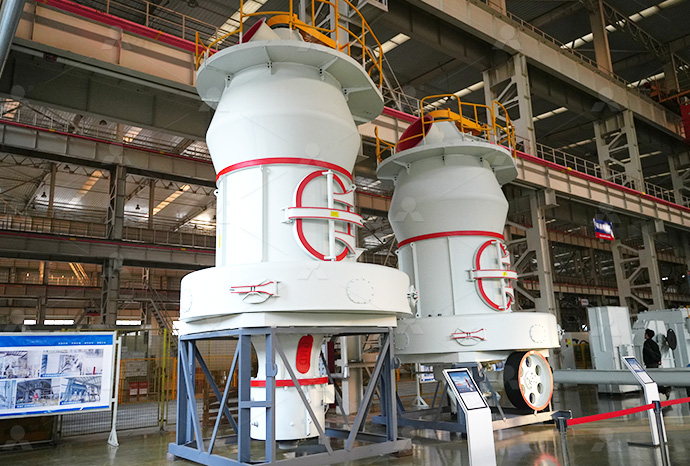
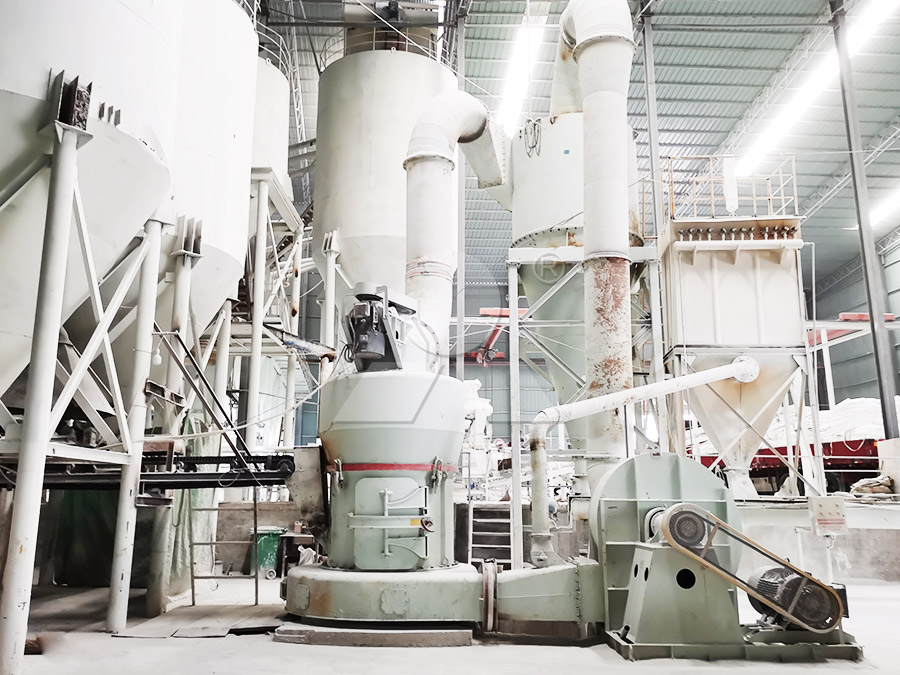
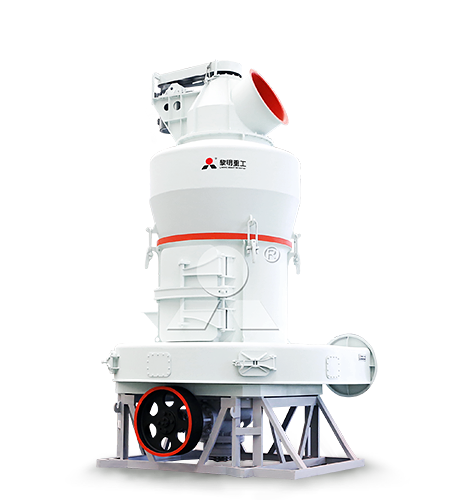
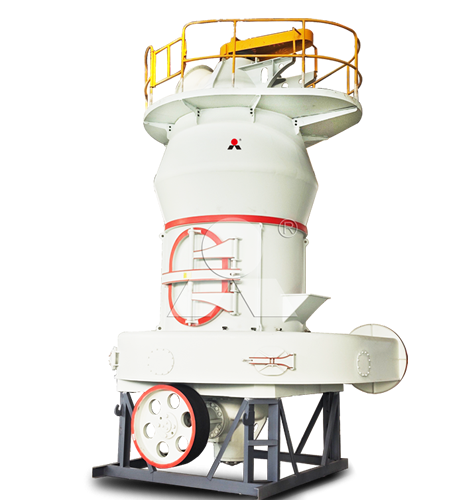
Mill selection is dictated by the target particle size distribution. For the oil and gas industry, API specifications require barite powder where 97% passes through a 200-mesh screen (D97 = 75 microns). The MTW European Type Raymond Mill is the standard field choice for this 80-325 mesh range, offering stable pneumatic conveying and integrated dynamic classification to maintain strict top-size control.
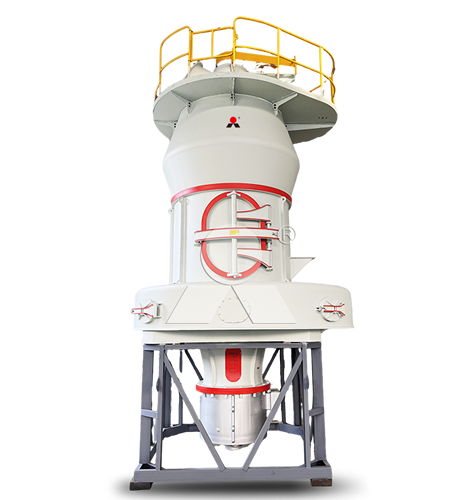
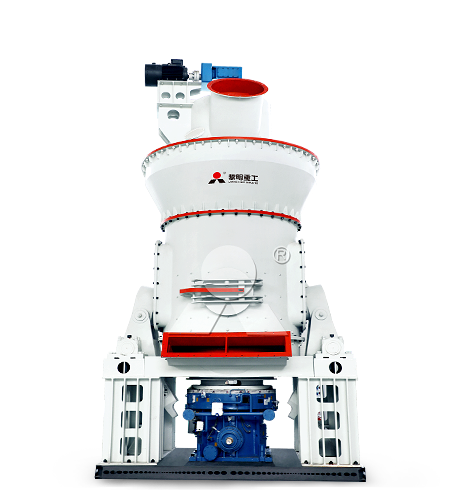
When processing barite for paints, plastics, or chemical barium compounds, the required fineness often exceeds 400 mesh. In high-capacity plants demanding these finer cuts, the LM Series Vertical Roller Mill provides superior comminution efficiency through combined shear and compressive forces, keeping power consumption low while achieving tight product sizing.
Standard Operating Parameters
To maintain continuous throughput and avoid mechanical faults, plant operators monitor several baseline variables:
Feed Size: Maximum 30mm to prevent severe roller impact damage.
Moisture Content: Less than 5% to prevent classifier blinding.
Target Fineness: 200-325 mesh for API grade; 400-1250 mesh for chemical grade.
System Draft: High static pressure required to convey the dense barite powder.
Frequently Asked Questions
What is the typical energy consumption for grinding barite?
For standard 200-mesh API drilling grade barite, a well-optimized system typically consumes between 15 to 22 kWh/t, depending on the exact feed hardness and motor efficiency.
Why does barite require higher fan power than limestone?
Barite has a specific gravity of 4.5, whereas limestone is around 2.7. The heavier barite particles require higher air velocity and fan static pressure to lift the material from the grinding zone to the separator.
Can I feed wet barite directly into the mill?
No. If the feed moisture exceeds 5%, the powder will stick to the grinding rollers and classifier blades. A dedicated rotary dryer must be installed upstream of the mill.
Related FAQ


Liming Heavy Industry at bauma CONEXPO INDIA 2026 | Booth 5-C6
2026-09-07

Turnkey Raw Mill Cement Plant in Saudi Arabia: Design and Installation
2026-09-03
Cement Raw Mill Supplier in Indonesia: Cost and Configuration Analysis
2026-09-01
Liming Heavy Industry to Exhibit at the 24th Global Gypsum Conference & Exhibition in Turkey
2026-08-31
Complete Calcium Carbonate Grinding and Coating Plant Solution
2026-08-29
Complete Mineral Processing Solutions
Convenient Reliable Professional Efficient Get Your Quote
Please feel free to submit your inquiry information to us. We will contact with you as soon as possible.
Our team will contact you as soon as possible.