Liming Heavy Industry Home Products Projects Videos Solutions About Us Contact Us

Petroleum Coke · Grinding & Processing

Petroleum Coke Grinding for Fuel & Carbon Materials.

Processing solutions for fuel-grade petcoke and selected carbon-material feedstocks—from size reduction and grinding to classification and powder handling. The right route depends on coke grade and the final application.

  • Industrial fuel preparation
  • Carbon-material feed preparation
  • Grinding, classification & handling
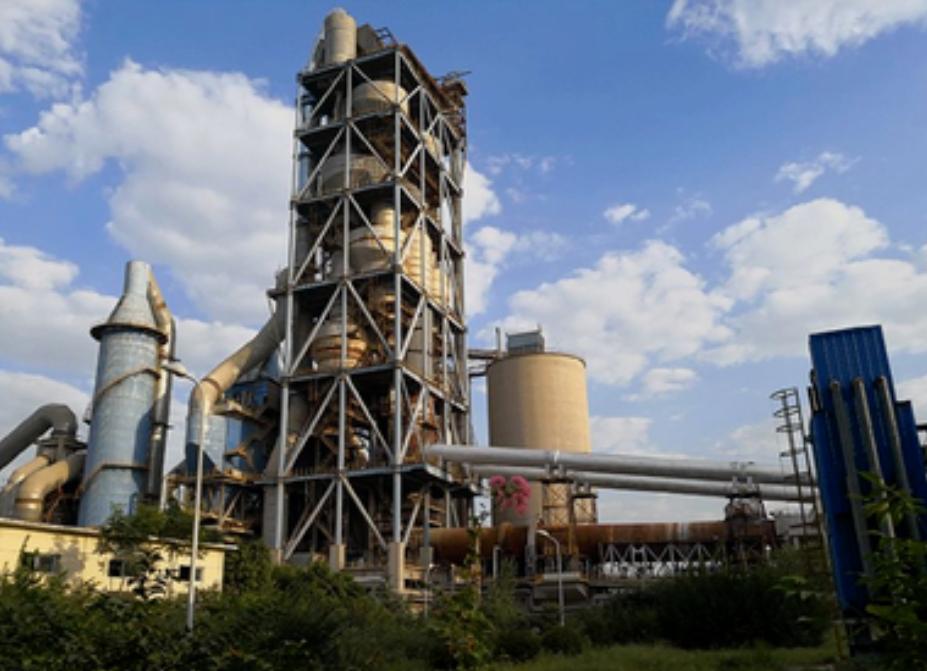
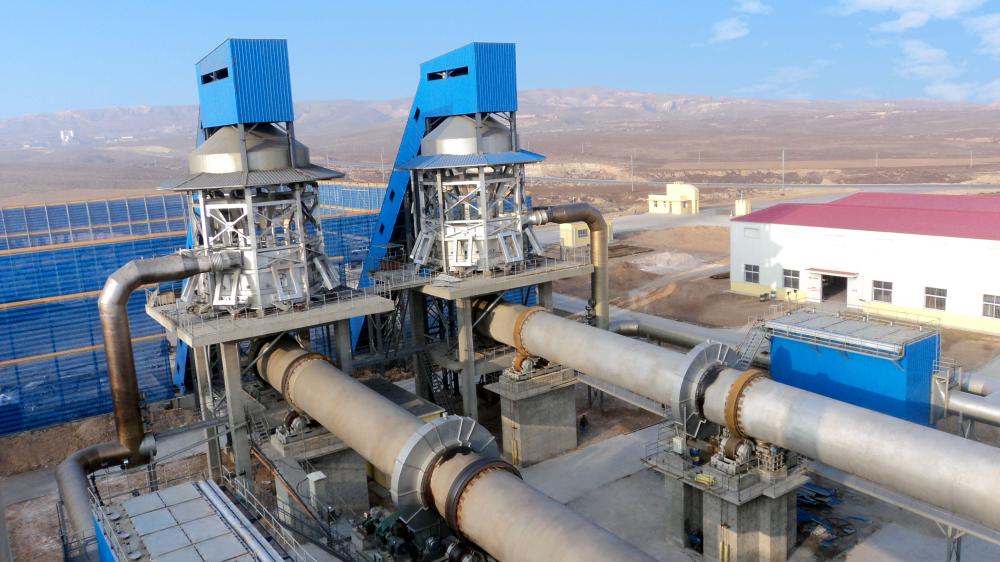
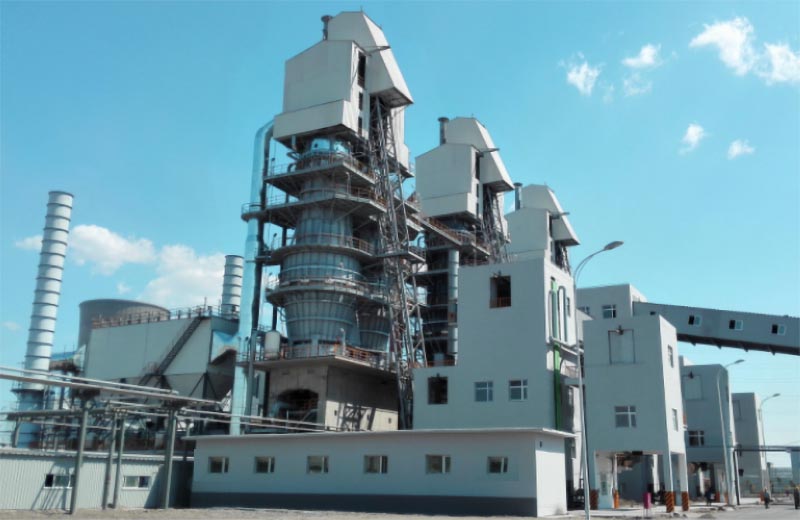
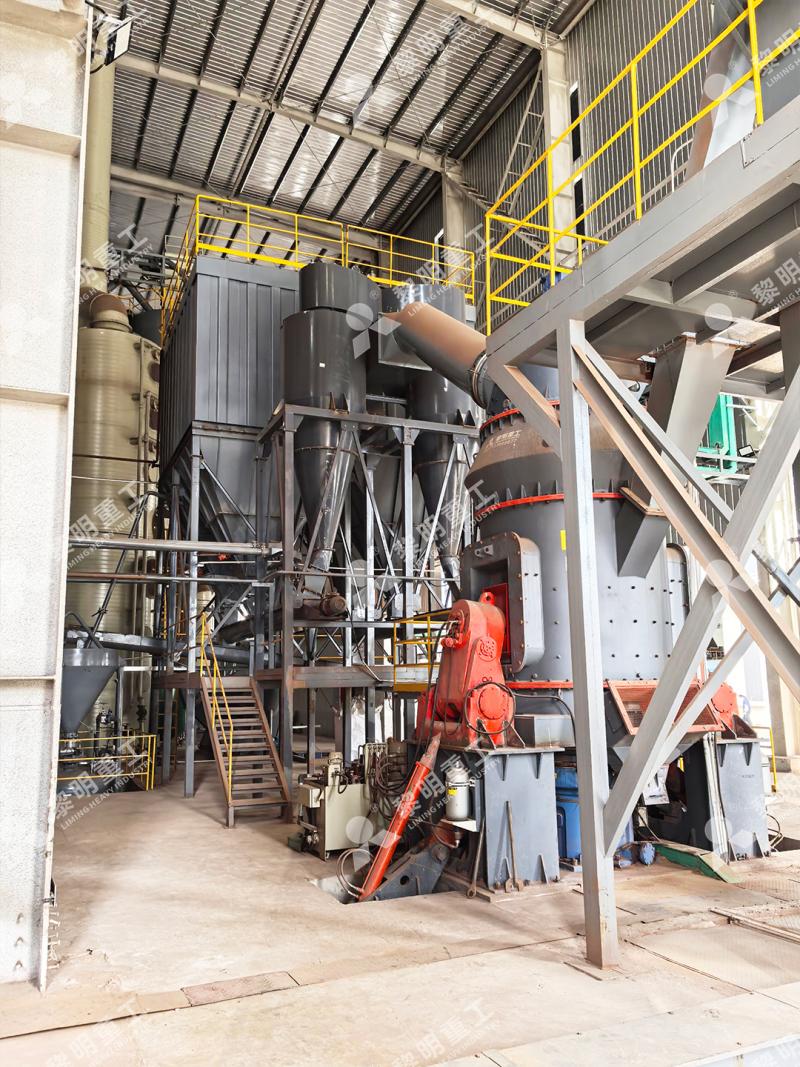
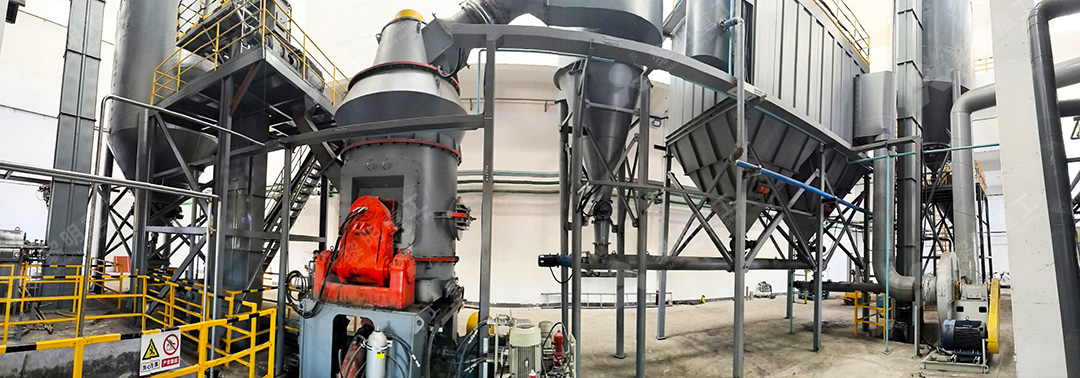
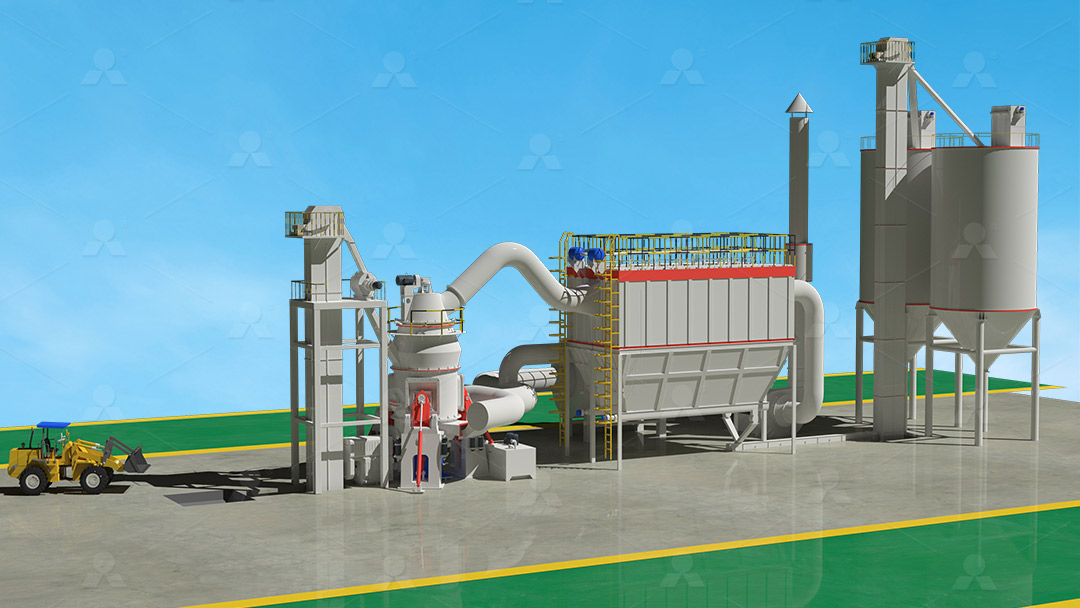
Petroleum coke grinding and processing production line
Process design begins with the material and its intended use. Feed preparation, milling, classification, collection and delivery are configured around project requirements.

Different petroleum coke grades require different processing routes.

Fuel-grade petcoke may be ground for compatible cement, lime or industrial thermal systems. Calcined coke and other suitable grades may enter carbon-material supply chains, where crushing, grinding, screening or particle-size classification can be part of feed preparation. Grinding is an upstream step—not the manufacture of finished electrodes or anodes.

01Identify coke grade
02Define final use
03Set particle-size target
04Assess process safety

Material Understanding

Choose the processing route before selecting equipment.

Petroleum coke varies in physical condition, volatile matter, sulfur, ash and intended use. The distinctions below are a starting point; final equipment selection requires representative material data.

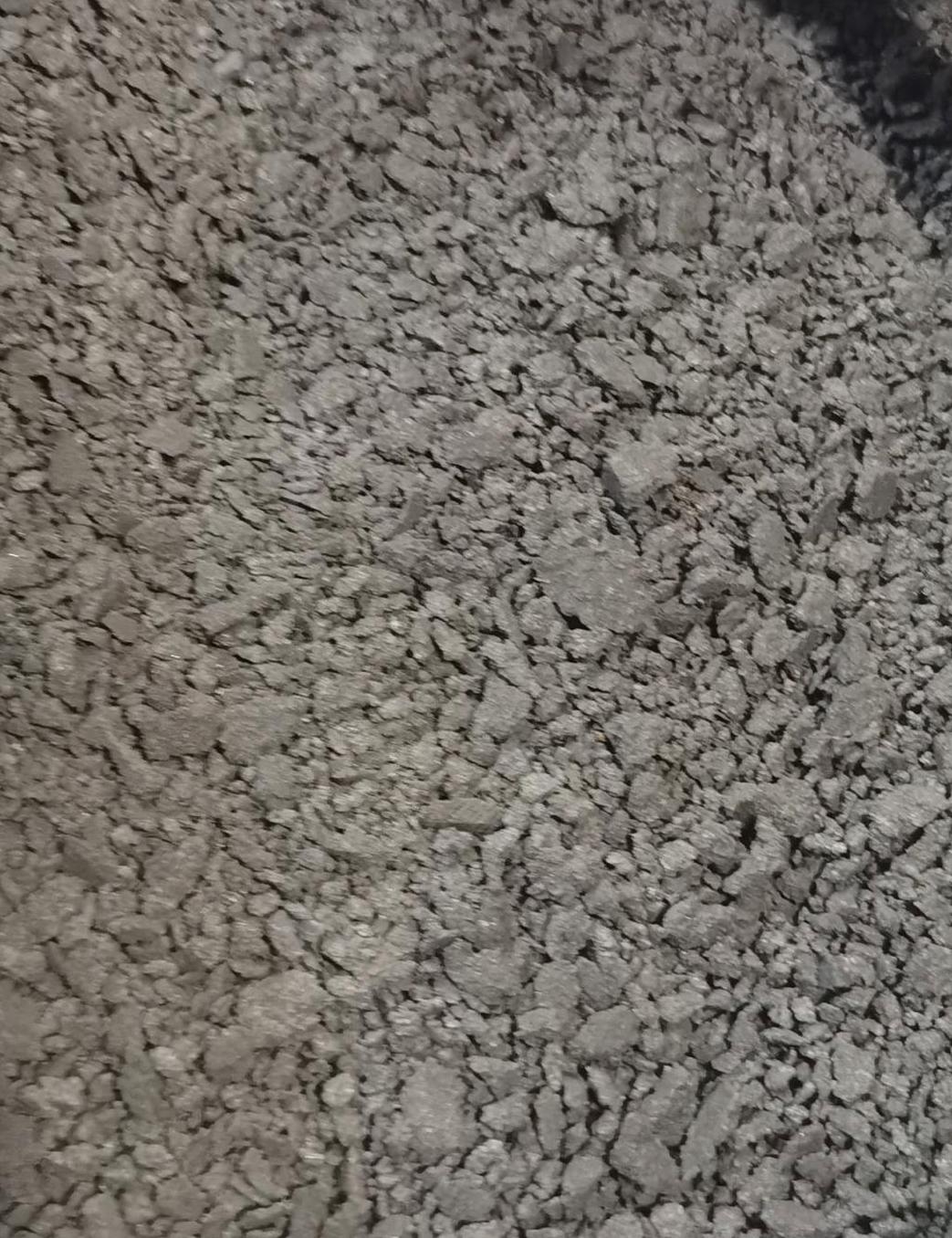
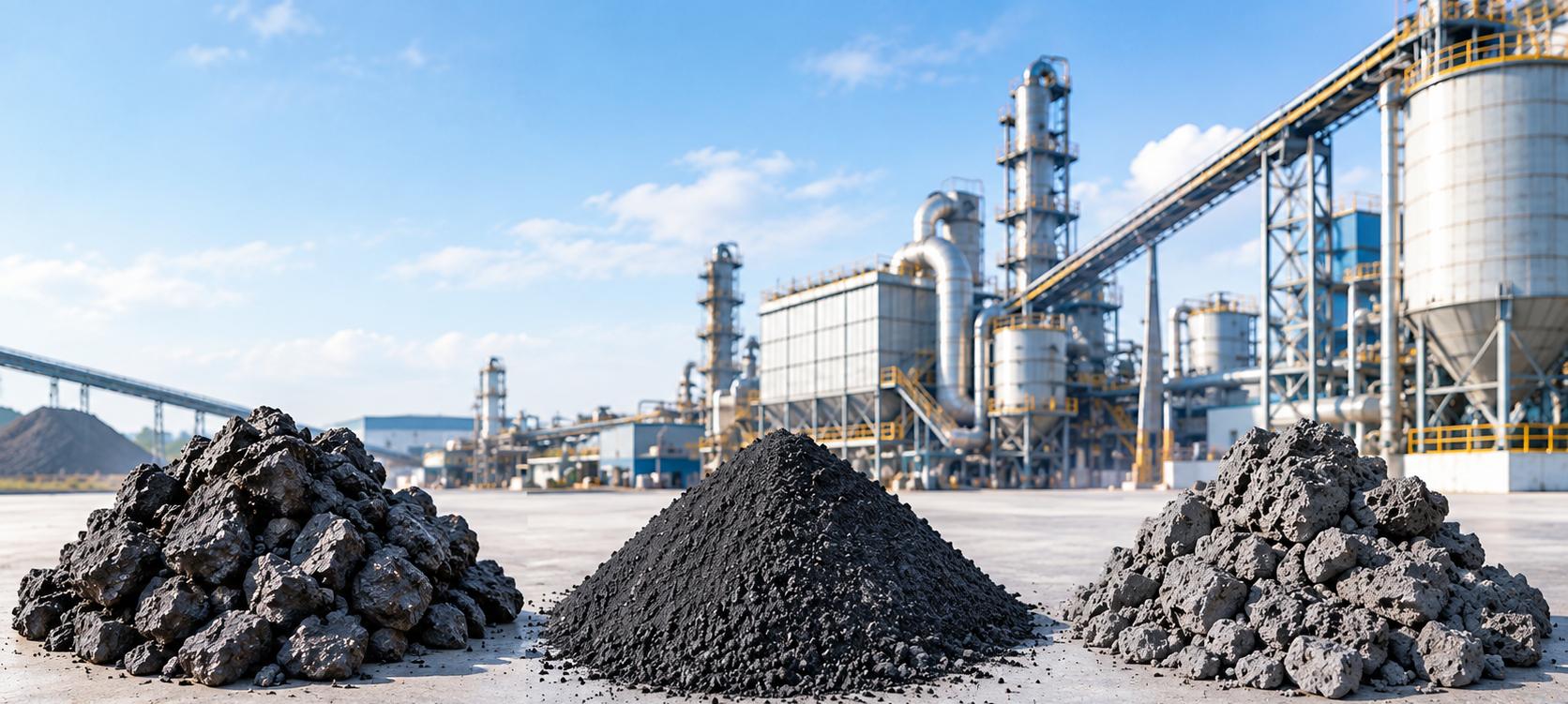
Petroleum coke materials for different processing routes

Green Petroleum Coke

Raw coke from refinery coking operations. Moisture, volatile matter, sulfur and physical properties vary by source.

  • May require crushing and feed conditioning
  • Can be used as feed for calcination or fuel preparation
  • Requires evaluation of actual feed properties
Fuel-Grade Petcoke

A carbon-rich fuel used in suitable thermal systems that can accommodate its fuel characteristics and emissions requirements.

  • Cement and lime kilns
  • Selected industrial furnaces
  • Fuel blending where technically and legally suitable

Calcined Petroleum Coke

Coke treated at high temperature. It is used in some carbon and aluminum-industry supply chains, subject to grade and specification.

  • Carbon-anode feedstock supply chains
  • Selected carbon products and recarburizers
  • May require crushing, sizing or blending—not necessarily fine milling

Important: Needle coke is a specialized coke grade associated with certain high-performance carbon products, including graphite electrodes. It should not be treated as interchangeable with ordinary green or fuel-grade petcoke. Suitability depends on product-grade requirements and the downstream manufacturer's process.

Route 01 · Fuel Preparation

From fuel-grade petcoke to controlled industrial fuel.

A fuel grinding line coordinates receiving, size reduction, feeding, milling, powder collection, storage and delivery to the combustion system. The exact layout depends on the fuel and plant conditions.

Petcoke fuel grinding process flow
01 / PREPARATION

Receiving & Crushing

Prepare bulk coke to a suitable feed size and manage dust at transfer points.

02 / DOSING

Metering & Feeding

Maintain a controlled feed rate to support stable mill operation.

03 / MILLING

Grinding & Classification

Develop the required particle-size distribution for the selected combustion process.

04 / COLLECTION

Separation & Collection

Collect finished powder with process airflow and filtration designed for the material.

05 / STORAGE

Powder Storage

Plan bins, instrumentation and discharge equipment for the operating schedule.

06 / DELIVERY

Conveying & Injection

Deliver fuel powder to the kiln, boiler or furnace in accordance with the combustion system.

Route 02 · Carbon-Material Feed Preparation

Prepare coke feed for downstream carbon processing.

For selected calcined or other suitable coke grades, crushing, grinding, screening and particle-size classification may be used to prepare feed for a carbon-material producer. The required operation is defined by the product specification—not by a generic powder target.

Possible downstream supply chains

Petcoke may be used as a feedstock in carbon-industry processes. Whether a particular coke is suitable depends on its grade, chemical and physical properties, and the manufacturer's requirements.

  • Carbon anode materials Calcined coke may be processed into specified size fractions for subsequent formulation, mixing, forming and baking.
  • Graphite electrode feedstock Specialized coke grades, including needle coke for certain electrode applications, may require carefully controlled sizing and downstream processing.
  • Recarburizers and carbon products Some products require crushing, screening and grading to meet particle-size and chemistry specifications.

What the grinding system can address

Depending on the project, the equipment scope may focus on one or more of the following operations:

  • CrushingReduce oversized coke to a manageable feed size.
  • GrindingProduce a target particle-size range where fine milling is required.
  • Screening and classificationSeparate size fractions to support a downstream blend or specification.
  • Conveying and collectionTransfer and collect material with suitable dust and process controls.
Scope boundary: Grinding or sizing petcoke does not by itself produce finished carbon anodes or graphite electrodes. Mixing, forming, baking, graphitization and other downstream operations are separate processes.

Fuel Applications

Fuel powder is designed around the thermal process.

Petcoke powder may be considered for compatible industrial thermal systems. Fuel properties, burner design, emissions limits and local requirements must be reviewed before application.

Cement kiln fuel preparation 01

Cement Kilns

Fuel preparation for compatible kiln systems, considering fineness, combustion performance and fuel delivery.

Lime kiln fuel preparation 02

Lime Kilns

Evaluate petcoke as a thermal fuel according to kiln design, fuel quality and operating requirements.

Industrial furnace fuel preparation 03

Industrial Furnaces

Prepare fuel powder for selected furnace applications where the combustion system is compatible.

Solid fuel blending operation 04

Fuel Blending

Assess petcoke blending with other approved solid fuels based on process and environmental requirements.

Equipment Selection

Select equipment around actual operating conditions.

Capacity alone does not determine the right mill. Feed properties, target size, drying needs, operating continuity, layout and the downstream process all matter.

  • 01Feedstock: Coke grade, feed size, moisture and material consistency.
  • 02Material data: Sulfur, volatile matter, ash, grindability and other available analyses.
  • 03Product target: Required fineness or size fractions, output and product specification.
  • 04Plant conditions: New line or retrofit, heat source, power, layout and local standards.
Discuss Your Feedstock
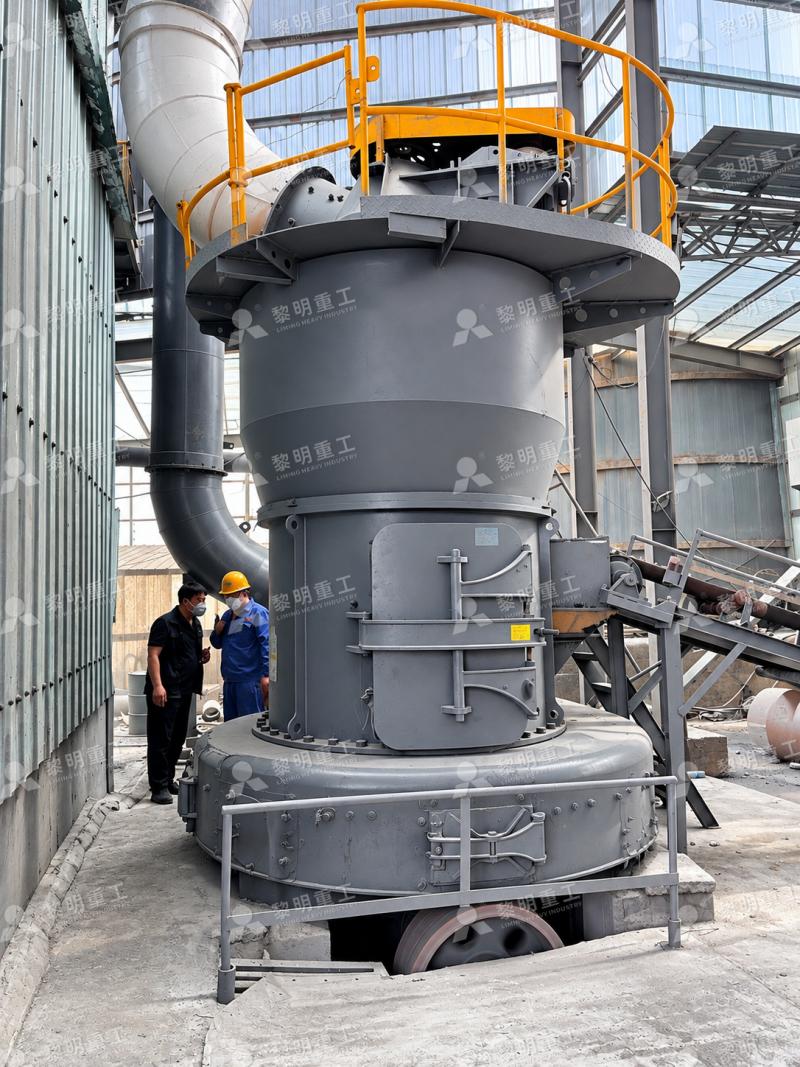
LM Vertical Mill
For Higher-Capacity Grinding Projects

LM Vertical Mill

May be evaluated for integrated grinding, classification and drying in suitable petroleum coke applications. Final suitability depends on feed characteristics and project engineering.

  • Integrated process functions in selected configurations
  • Consider for continuous production where technically suitable
  • Requires material testing and application-specific design
Explore LM Vertical Mill →
MTW Raymond Mill
For Medium-Capacity Grinding Projects

MTW Raymond Mill

May be considered for suitable medium-capacity grinding applications when the coke has been properly assessed and prepared.

  • Evaluate according to feed size and required fineness
  • Consider plant layout and downstream collection
  • Confirm suitability through project-specific review
Explore MTW Raymond Mill →

Safety by Design

Fine petroleum coke requires a project-specific safety approach.

Combustible-dust hazards must be evaluated for the actual material and process. The design should consider handling, dust collection, monitoring, ignition control and protection measures appropriate to the risk assessment.

DUST CONTROLEnclosed transfer points, suitable collection and housekeeping practices.
MONITORINGProcess monitoring selected according to material and system risk.
PROTECTIONIsolation, venting, suppression or inerting where required by engineering review.
OPERATIONSMaintenance, grounding, cleaning procedures and trained personnel.

Knowledge Center

Petroleum Coke Processing Resources

Explore petroleum coke grades, industrial fuel preparation, grinding technology and processing requirements for carbon-material applications.

01 / BASICS

What Is Petroleum Coke and How Is It Produced?

Learn about petroleum coke production, refinery origins and the material properties that influence its industrial applications.

Read the guide →
02 / MATERIALS

Green Petroleum Coke vs. Calcined Petroleum Coke

Compare green and calcined coke and understand how their properties and intended uses affect processing requirements.

Read the guide →
03 / GRADES

Petroleum Coke Grades and Their Applications

Explore fuel-grade, anode-grade and needle coke, including their different quality requirements and industrial uses.

Read the guide →
04 / CEMENT

Petroleum Coke Powder for Cement Kilns

Explore fuel grinding, powder fineness and preparation requirements for petroleum coke used in cement kilns.

Read the guide →
05 / LIME

Petroleum Coke Powder for Lime Kilns

Understand fuel preparation and combustion requirements for petroleum coke used in lime production.

Read the guide →
06 / FUEL APPLICATIONS

Petroleum Coke as an Industrial Fuel

Review fuel compatibility, coal blending, operating conditions and emissions considerations for industrial applications.

Read the guide →
07 / PROCESS

Petroleum Coke Crushing, Grinding and Classification

Follow the main processing stages, from feed preparation and size reduction to grinding, classification and collection.

Read the guide →
08 / FINENESS

How to Determine Petroleum Coke Powder Fineness

Learn how end-use requirements, particle-size distribution and production targets influence powder specifications.

Read the guide →
09 / CARBON MATERIALS

Petroleum Coke Processing for Carbon Materials

Explore feedstock preparation for selected carbon applications and how material grades and end-use specifications affect processing.

Read the guide →
10 / FEED PREP

How Moisture Affects Petroleum Coke Grinding

Understand how moisture content influences feeding, material flow and potential drying requirements before grinding.

Read the guide →
11 / SAFETY

Petroleum Coke Processing Safety and Dust Control

Review combustible-dust hazards, temperature monitoring and material-specific safety measures for processing systems.

Read the guide →
12 / EQUIPMENT

How to Select a Petroleum Coke Grinding Mill

Evaluate feed size, required fineness, production capacity and material characteristics when selecting grinding equipment.

Read the guide →

Project Questions

Frequently asked questions.

Clarifying material, product requirements and site conditions early can help establish a realistic process scope.

WhatsApp Our Team
What information is required for a petroleum coke grinding proposal?

Please provide material type, feed size, moisture, sulfur content when available, volatile matter, target fineness or size fractions, required capacity, end application, site location and whether this is a new line or an upgrade.

Can petroleum coke be ground for carbon-material applications?

Crushing, grinding, screening or classification may be part of carbon-material feed preparation. The required route depends on coke grade and the downstream specification. Grinding alone does not manufacture finished electrodes or anodes.

What powder fineness should be used for a cement or lime kiln?

There is no universal target. Suitable fineness depends on fuel properties, burner design, combustion residence time, kiln conditions and the balance between burnout performance and grinding energy.

Is petroleum coke powder safe to handle?

Fine petroleum coke can create a combustible-dust hazard. The system should follow a project-specific risk assessment covering dust control, monitoring, ignition-source control and applicable protection measures.

Can a coal grinding system be converted for petroleum coke?

Some systems can be evaluated for retrofit, subject to the existing mill, capacity margin, material properties, drying, collection, safety design and downstream combustion equipment.

Does grinding petcoke produce finished graphite electrodes or carbon anodes?

No. Grinding or sizing is only a possible feed-preparation step. Finished carbon products require additional manufacturing stages and product-specific processes carried out by the relevant producer.

Tell us your coke grade, capacity and product target.

Share the material data and intended application so the processing route and equipment requirements can be reviewed.

Contact Liming on WhatsApp →