


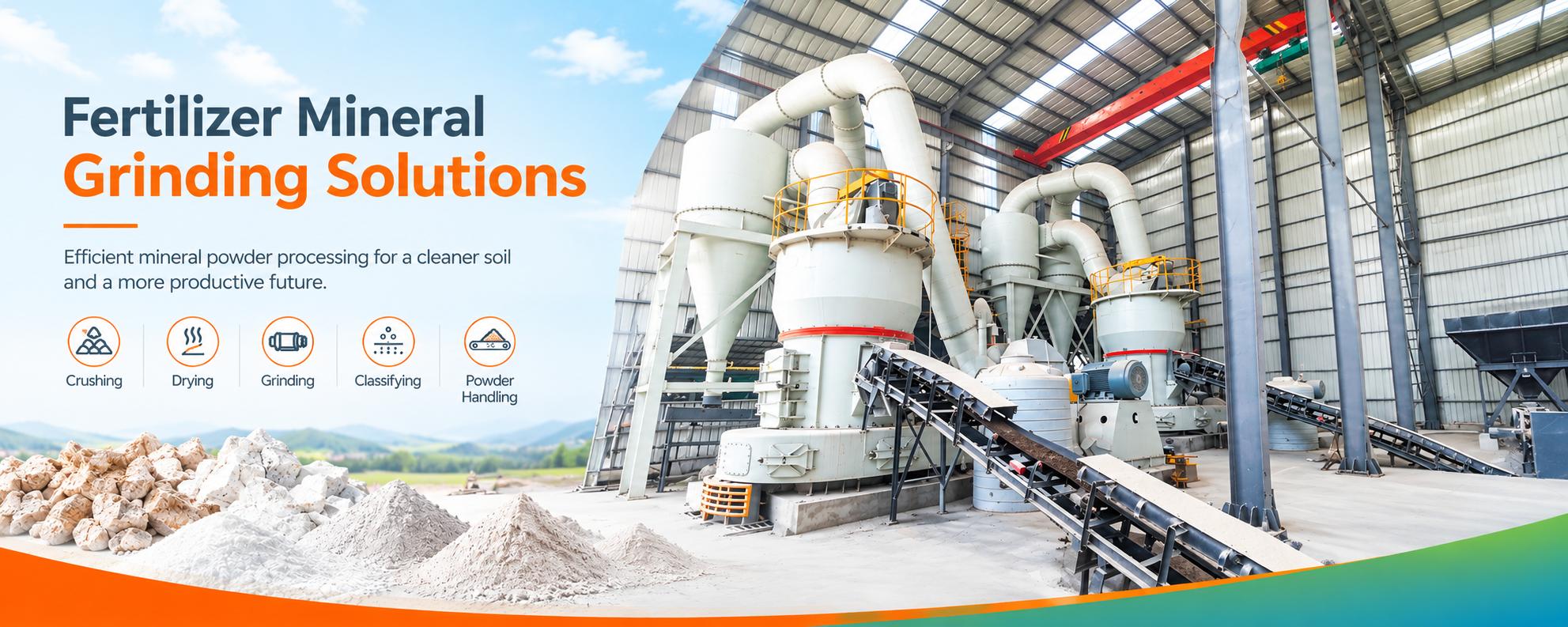
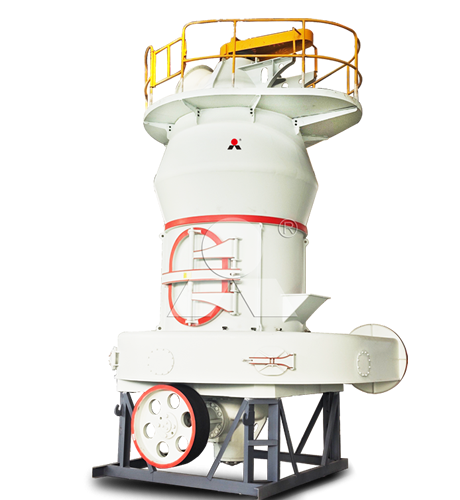
The Liming Heavy Industry MTW European Trapezium Grinding Mill is an upgraded Raymond-type grinding option for preparing phosphate rock and limestone powders. It combines roller-and-ring grinding with air classification and powder collection, providing a controlled processing route for mineral ingredients used in fertilizer production and agricultural material manufacturing.
Although both materials can be evaluated for an MTW system, they should not be assigned the same operating conditions automatically. Phosphate rock preparation must match the receiving fertilizer process, while limestone processing must match the required agricultural grade or formulation specification.
What Does “MTW Raymond Mill” Mean?
“MTW Raymond mill” is a convenient description, but the equipment’s product name is MTW European Trapezium Grinding Mill. Liming Heavy Industry presents this model within its Raymond grinding equipment range, with design features including integral bevel gear transmission, internal thin-oil lubrication, and an arc-shaped air duct.
For purchasing and technical discussions, use the full model designation. A quotation for a generic Raymond mill does not establish that the supplier is offering the same grinding arrangement, classifier, drive system, or supporting equipment.
Two Minerals, Two Different Product Specifications
The first selection task is to define what the finished powder must do. Equipment capability should then be checked against that requirement.
| Selection Factor | Phosphate Rock | Limestone |
|---|---|---|
| Intended destination | Feed preparation for a specified fertilizer process or another separately qualified phosphate product. | Agricultural liming material, soil amendment ingredient, or powder for an approved downstream formulation. |
| Quality basis | Required composition, impurity limits, particle size distribution, and moisture. | Required composition, neutralizing-value specification where applicable, physical grading, and moisture. |
| Material testing | Representative ore grindability, abrasive constituents, and variability between deliveries. | Deposit consistency, grindability, impurities, and the physical grade required by the market. |
| Main selection risk | Assuming that every phosphate rock will achieve the same output at the same fineness. | Specifying unnecessary fine grinding when a coarser agricultural grade would meet the requirement. |
Keep these specifications separate even when one plant is expected to process both minerals. A common equipment platform does not create a common product acceptance standard.
How the MTW Grinding Circuit Operates
The MTW process begins with feed preparation. Oversized material is crushed to the permitted feed size, transferred to a hopper, and supplied to the mill at a controlled rate. Inside the grinding chamber, material is ground between the rollers and grinding ring. Air carries the ground particles upward to the separator.
The separator returns coarse particles for additional grinding. Accepted fine powder travels to the collection system, while the process airflow is largely recirculated through the blower. A pulse dust collector forms part of the supporting system.
This operating arrangement makes balance important. Feeding, grinding, airflow, classification, and discharge must work together to maintain the agreed powder grade.
Stable Feeding
The feeder should supply material evenly rather than in intermittent surges. Check the behavior of the actual feed in the hopper, particularly when moisture or fines content varies.
Controlled Classification
The classifier determines which particles leave as product. Adjusting its operating conditions changes the separation duty, but the resulting powder must still be checked by the agreed testing method. The MTW classifier provides adjustable fineness control and returns oversized material for regrinding.
Unrestricted Collection and Discharge
The collection hopper, outlet device, conveyor, and finished silo must handle the production rate continuously. Product accumulation downstream can restrict useful plant output even when the grinding chamber is operating normally.
Define Fineness Before Comparing Capacity
Liming Heavy Industry lists an adjustable MTW product range from 1.6 mm down to 0.045 mm, with a stated finest capability of 0.038 mm for applicable conditions. These figures describe the equipment range; they are not a guarantee of a particular output for every mineral.
For phosphate rock or limestone, provide a complete powder specification rather than only a mesh number:
The required particle size limit.
The percentage of material that must pass that limit.
The sieve standard or particle size measurement method.
Any separate coarse-particle restriction.
The finished moisture requirement.
The agreed sampling and acceptance procedure.
For example, “200 mesh powder” is incomplete without a passing percentage and test basis. A mill producing a broadly graded powder cannot be compared directly with one required to achieve a much tighter distribution.
Where the final fineness is uncertain, produce trial samples at several practical grades and assess them in the receiving process. Select the least demanding grinding specification that consistently meets the required result.
Check Feed Size and Moisture Against the Selected Model
The MTW range includes different permitted feed sizes. Liming Heavy Industry’s published model table lists maximum input sizes from 30 mm to 50 mm across the models shown. The crusher discharge must therefore match the selected model rather than a general MTW family limit.
The manufacturer’s MTW guidance also specifies feed moisture below 6% and notes that excessive moisture can cause sticking, blockage, and reduced classification efficiency. Treat this as a published equipment condition to verify for the project—not as a promise that every feed below that value will behave identically.
If incoming material falls outside the agreed feed conditions, resolve the issue before finalizing the grinding proposal. Possible project measures include covered storage, feed conditioning, or a separately engineered drying stage.
Do not assume that the standard MTW package can remove any amount of incoming water. Any proposed hot-air or drying arrangement needs a defined moisture-removal duty and material-specific operating limits.
What a Complete MTW Plant Should Include
Liming Heavy Industry describes the MTW grinding line as a system containing the main mill, separator, blower, crusher, feeder, hopper, collection equipment, ductwork, motors, and electrical controls. Confirm the actual supply scope because project requirements and quotation boundaries can differ.
A practical configuration review should cover:
Receiving and raw material inspection.
Crushing and foreign-object removal where required.
Buffer storage and controlled feeding.
The MTW mill and classifier.
Airflow, ductwork, and powder collection.
Finished powder conveying and storage.
Bulk loading, packing, or direct downstream transfer.
Electrical installation, controls, access platforms, and maintenance arrangements.
Include dust control at transfer points, silo vents, and packing stations—not only at the main grinding circuit. Confirm the applicable environmental and worker-protection requirements for the installation location and actual material.
Can One MTW Line Process Both Phosphate Rock and Limestone?
A shared line should be evaluated as a multi-product project, not assumed from the mill’s material range. Ask Liming Heavy Industry to confirm each duty independently and identify the operating changes required.
Before approving the arrangement, resolve four practical questions:
Can both materials meet their specifications using the proposed mill and classifier configuration?
What cleaning is required between products, and what carryover is acceptable?
How will raw materials and finished powders remain segregated?
Does the production schedule allow for changeover, sampling, and off-specification transition material?
For some projects, longer production campaigns may be more practical than frequent switching. Where carryover limits are strict, separate storage and conveying—or separate processing lines—may need to be considered.
Compare Proposals on Accepted Powder Output
The published MTW model table includes broad capacity ranges, reflecting a family of equipment rather than one guaranteed project result. A useful capacity commitment must identify the mineral, feed size, moisture, finished fineness, and test basis behind the quoted figure.
Request electrical demand for the defined system boundary, not just the main motor. Include the blower, classifier, feeder, conveyors, and collection equipment where they form part of the operating plant.
Also review wear-part access, spare-parts availability, lifting arrangements, and the planned maintenance schedule. Avoid accepting an attractive nominal output that cannot be supported by practical servicing and reliable material handling.
Prepare the Information Needed for an MTW Proposal
Provide Liming Heavy Industry with representative phosphate rock or limestone samples, material analysis, maximum feed size, normal and maximum moisture, required particle size distribution, hourly output, and annual operating hours.
Identify the downstream application, installation location, power supply, site dimensions, storage requirements, and delivery method. If the line will process both materials, include separate specifications and the expected production campaign schedule.
Use these details to agree on a sustained commissioning test covering accepted output, fineness, moisture, and the complete plant operating boundary. This connects the MTW equipment selection to the powder your customer actually needs.
Related Fertilizer Mineral Grinding Solutions


Liming Heavy Industry to Exhibit at bauma CHINA 2026 – Visit Us at Booth E6.510
2026-10-15

Meet Liming Heavy Industry at the 140th Canton Fair 2026
2026-10-13
Liming Heavy Industry to Attend the 140th Canton Fair
2026-09-25
Liming Heavy Industry at bauma CONEXPO INDIA 2026 | Booth 5-C6
2026-09-07
Turnkey Raw Mill Cement Plant in Saudi Arabia: Design and Installation
2026-09-03
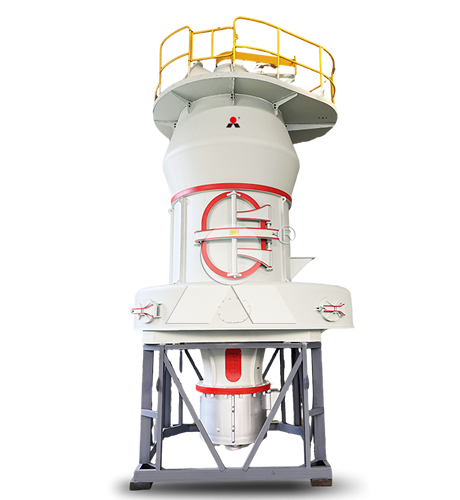
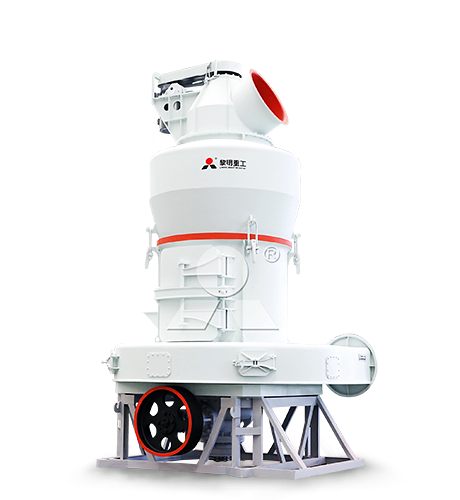
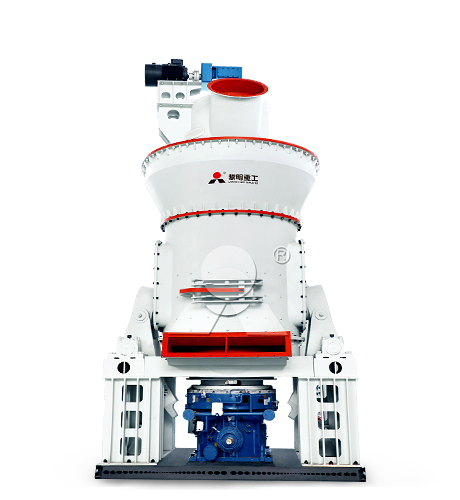
Complete Mineral Processing Solutions
Convenient Reliable Professional Efficient Get Your Quote
Please feel free to submit your inquiry information to us. We will contact with you as soon as possible.
Our team will contact you as soon as possible.