


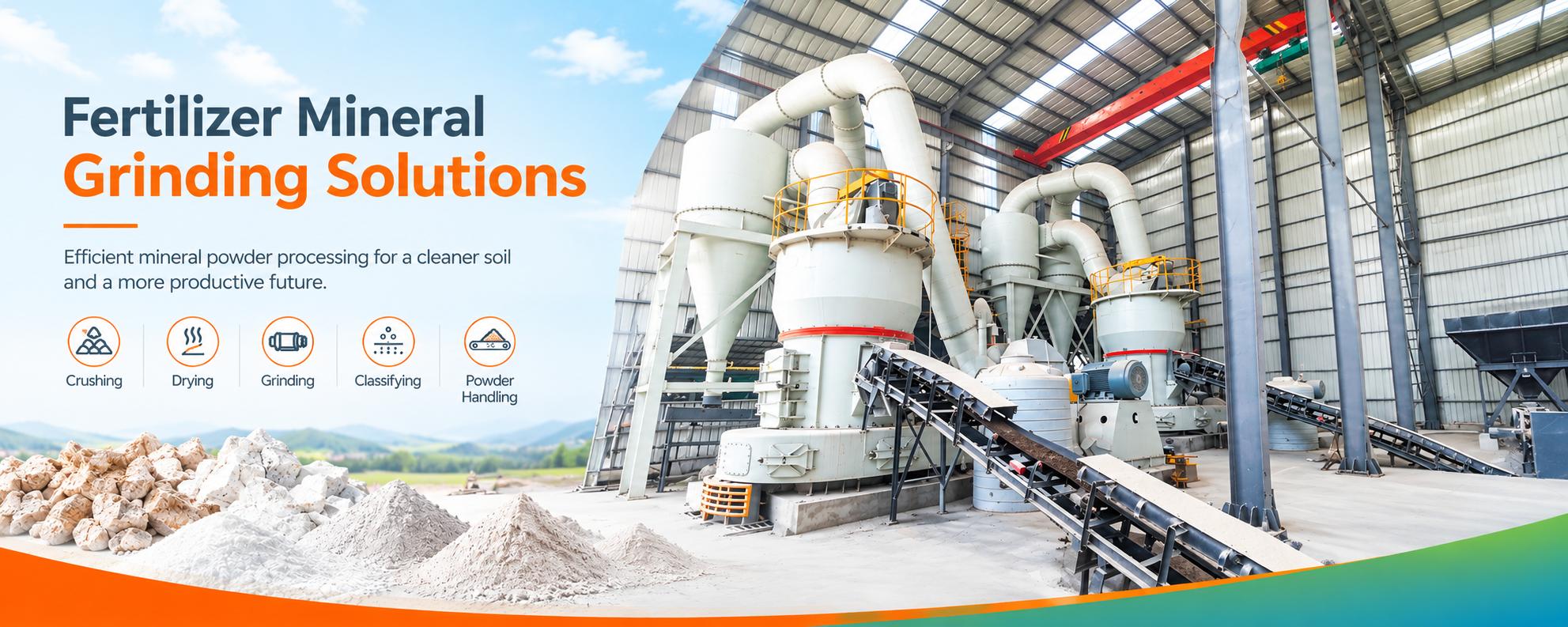
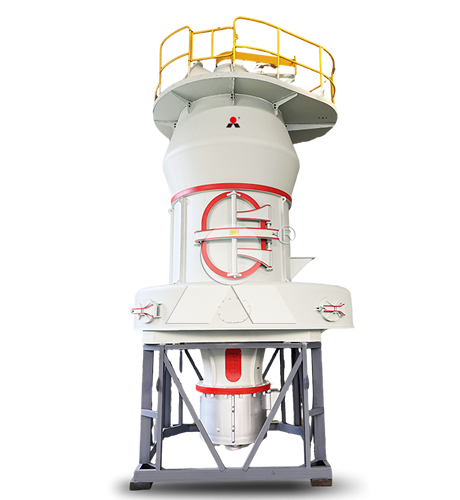
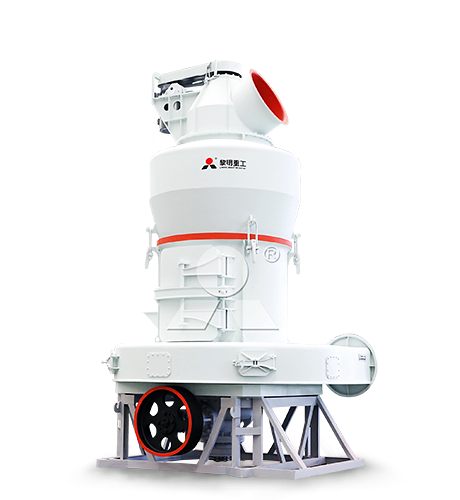
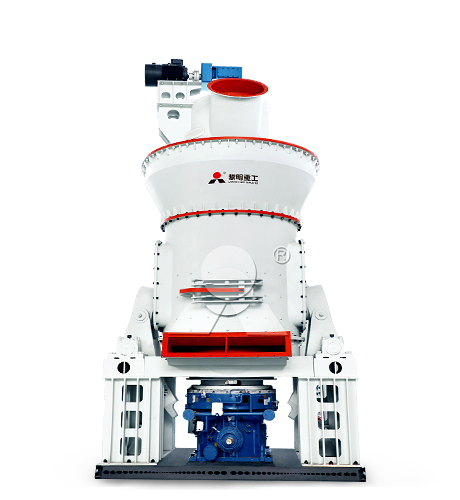
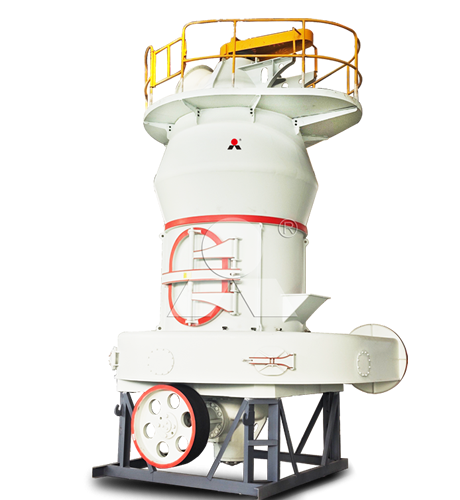
The Liming Heavy Industry LM Vertical Roller Mill is an option for preparing mineral powders used in fertilizer manufacturing and agricultural material production. It combines grinding, drying, classification, and pneumatic conveying within a coordinated system, allowing the plant configuration to be developed around the required powder specification and incoming feed conditions.
Its role is mineral preparation. It does not replace phosphate beneficiation, chemical fertilizer processing, bentonite activation, or fertilizer granulation. A successful installation delivers a qualified powder to the next process at a consistent rate, fineness, and moisture condition.
Where the LM Mill Fits in a Fertilizer Mineral Plant
A mineral grinding section usually sits between raw material preparation and finished powder storage or downstream manufacturing.
Raw material receiving → crushing where necessary → buffer storage → controlled feeding → LM grinding and classification → powder collection → finished storage → fertilizer processing or dispatch.
The LM mill forms the center of this section, but its performance depends on the complete line. Feed preparation, available drying heat, collection capacity, and finished powder discharge must all match the selected production duty.
Evaluate the system when the project requires:
Continuous preparation of a defined mineral powder grade.
Coordinated grinding and classification rather than a separate, uncontrolled size-reduction stage.
An assessment of drying alongside grinding where feed moisture requires it.
Controlled powder delivery to storage, formulation, or another production process.
The manufacturer identifies nonmetallic mineral processing as a principal LM application and lists limestone and bentonite among the materials handled by the equipment family. Other fertilizer mineral duties should be confirmed individually rather than assumed from a general material list.
How the LM Vertical Roller Mill Works
The operating principle combines material-bed grinding with air classification. Understanding this relationship helps explain why feed rate, airflow, and classifier operation must be controlled together.
Material Enters the Rotating Grinding Table
A controlled feed enters the center of the grinding table. The main drive rotates the table, moving material outward toward the grinding zone.
Rollers Apply Grinding Pressure
Material passes beneath the grinding rollers, where larger particles are broken and the material bed undergoes further size reduction. The process depends on maintaining suitable operating conditions rather than simply applying maximum grinding pressure.
Air Carries Ground Material Toward the Classifier
Air entering around the grinding table lifts ground material. Larger particles fall back for further grinding, while material carried upward reaches the classification stage. Where drying is required, the proposed heated-air arrangement must be designed for the actual moisture duty.
The Classifier Controls Product Discharge
The classifier returns coarse particles for additional grinding. Accepted fine powder leaves with the airflow and is separated in the system’s powder collector. Product collection therefore remains an essential part of the operating plant, even though grinding and classification are integrated within the mill arrangement.
Match the Configuration to the Mineral
Different fertilizer minerals create different design questions. Using one standard configuration for every material can overlook important product requirements.
| Mineral Duty | Product Requirement to Establish | Question for the Equipment Review |
|---|---|---|
| Phosphate rock preparation | Particle size distribution, moisture, composition, and the receiving fertilizer process specification. | Can the proposed LM configuration maintain the required output with the actual ore and its abrasive impurities? |
| Limestone powder | Required agricultural grade or downstream ingredient specification. | Is fine grinding necessary, and what distribution must the system consistently produce? |
| Dolomite powder | Calcium and magnesium declarations, neutralizing-value requirements where applicable, and physical grade. | How do deposit variability and grindability affect the proposed operating duty? |
| Gypsum powder | Qualified feed source, finished moisture, fineness, and required mineral condition. | How will any drying stage be controlled to preserve the specified product? |
| Bentonite powder | Moisture, fineness, and the functional properties required by the fertilizer formulation. | Can the feed be handled reliably, and does the processed powder retain acceptable downstream performance? |
Treat this table as a project assessment framework, not a blanket equipment guarantee. Representative samples and a written product specification are needed before committing to a model or capacity.
Specify Fineness as a Measurable Product Requirement
Liming Heavy Industry describes typical LM nonmetallic mineral powder duties in the 80–325 mesh range, with some configurations reaching 400 mesh. These figures indicate a general equipment range; they do not establish the correct fineness for every fertilizer mineral or guarantee a particular output.
The useful target is compliance with the agreed powder specification.
Before requesting a proposal, define:
The particle size limit and required passing percentage.
The sieve standard or particle size measurement method.
Any additional limit on coarse material.
The required finished moisture range.
The sampling and acceptance procedure.
A request for “325 mesh fertilizer powder” leaves significant uncertainty. A proposal should state how much material must meet that size requirement, how it will be measured, and which feed conditions support the quoted production rate.
Integrated Drying Still Requires a Material-Specific Design
The LM system can incorporate drying alongside grinding, but drying capacity must be evaluated against the project’s actual water-removal requirement. The equipment’s integrated arrangement does not eliminate the need to assess feed moisture, heat supply, airflow, and collection conditions.
For the engineering review, provide normal and maximum feed moisture—not just the average. Include seasonal variation and any changes expected between suppliers or mining areas.
Ask the proposal to identify:
The incoming moisture range used for equipment selection.
The required finished moisture and its testing basis.
The heat source and defined drying duty.
The operating temperature controls appropriate to the mineral.
The response to feed interruption and abnormal operating conditions.
Upstream handling also needs attention. Wet material that bridges in a hopper or feeds in large surges can prevent stable operation before it reaches the mill.
Judge Capacity at the Required Product Grade
A meaningful capacity commitment identifies the conditions behind the number. The same equipment proposal should connect output with the actual mineral, feed size, moisture, grindability, and finished powder distribution.
Use a common design basis when comparing configurations:
| Comparison Item | Required Basis |
|---|---|
| Hourly output | Accepted finished powder at the agreed fineness and moisture. |
| Electrical demand | A stated equipment boundary covering the mill and identified auxiliary equipment. |
| Drying requirement | The same incoming moisture, finished condition, and available heat assumptions. |
| Wear allowance | Representative material characteristics and a defined inspection or replacement basis. |
| Operating availability | Maintenance access, spare-parts arrangements, and the planned operating schedule. |
A higher throughput quoted for a coarser product or more favorable feed is not directly comparable with a lower figure based on difficult material and a tighter specification.
Design the Supporting Plant Before Finalizing the Layout
Feed Preparation and Buffer Storage
Match the crusher discharge to the selected mill’s permitted feed conditions. Provide enough accessible buffer storage to accommodate normal upstream interruptions without relying on excessive material accumulation inside the grinding circuit.
Powder Collection and Dust Control
Include the main collector, transfer points, silo vents, and packing stations in the plant review. Establish applicable dust and worker-exposure requirements using the actual material composition and installation location.
Finished Powder Storage
Define silo capacity around production and dispatch schedules. Where powder feeds a fertilizer process directly, agree on the response when either the grinding line or receiving plant stops.
Maintenance Access
Leave space for inspection, wear-component replacement, lifting operations, and servicing of the classifier, fan, and collector. Review equipment removal routes before approving structural steel and building dimensions.
Commission the Complete System, Not Only the Mill
Agree on the performance acceptance procedure before procurement. Define the test material, feed moisture, required powder grade, test duration, sampling method, and equipment included in energy measurements.
Commissioning should confirm stable feeding, grinding, classification, collection, and finished discharge under load. Where the powder’s value depends on downstream behavior, keep formulation or product-performance testing alongside—but distinct from—the mechanical plant acceptance test.
A brief run at a high feed rate does not establish sustained production of compliant powder.
Information Needed for an LM Configuration Proposal
Provide Liming Heavy Industry with the mineral name and source, representative analysis, maximum feed size, normal and maximum moisture, required particle size distribution, target output, annual operating hours, and downstream application.
Add the installation location, available power, potential heat source, site dimensions, storage requirements, and delivery method. These details create a practical basis for selecting an LM Vertical Roller Mill configuration and defining the complete fertilizer mineral grinding section.
Related Fertilizer Mineral Grinding Solutions


Liming Heavy Industry to Exhibit at bauma CHINA 2026 – Visit Us at Booth E6.510
2026-10-15

Meet Liming Heavy Industry at the 140th Canton Fair 2026
2026-10-13
Liming Heavy Industry to Attend the 140th Canton Fair
2026-09-25
Liming Heavy Industry at bauma CONEXPO INDIA 2026 | Booth 5-C6
2026-09-07
Turnkey Raw Mill Cement Plant in Saudi Arabia: Design and Installation
2026-09-03
Complete Mineral Processing Solutions
Convenient Reliable Professional Efficient Get Your Quote
Please feel free to submit your inquiry information to us. We will contact with you as soon as possible.
Our team will contact you as soon as possible.