


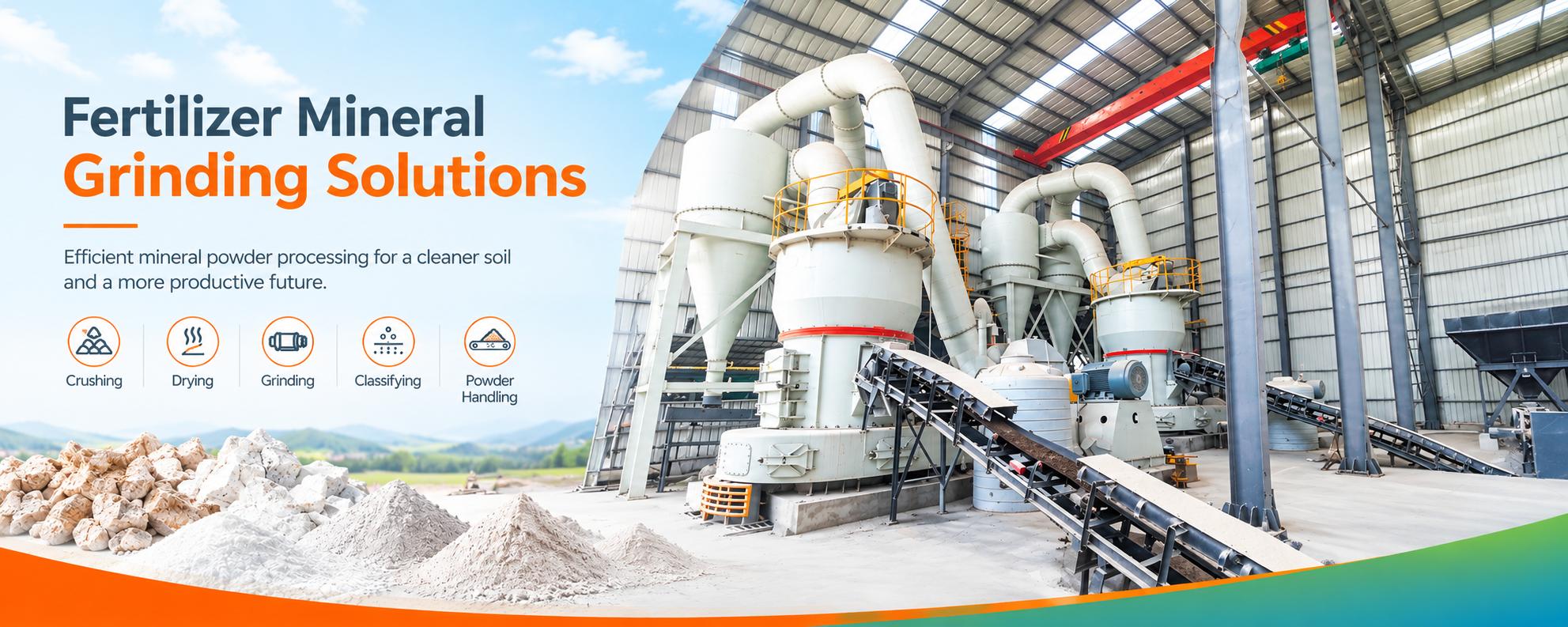
Bentonite processing for fertilizer production requires coordinated moisture control, grinding, and classification. The objective is to supply a consistent mineral powder that performs as intended in the customer’s formulation—not simply to produce the driest or finest material possible.
Depending on the application, bentonite can serve as a granulation binder, carrier, or functional mineral ingredient. Its usefulness depends on hydration, swelling, adsorption, and bonding behavior as well as particle size. These properties should be assessed alongside the powder’s moisture and chemical quality.
Begin with Binder Performance, Not Mill Capacity
A fertilizer producer purchasing bentonite usually needs a repeatable process response: stable granule formation, suitable handling strength, or reliable incorporation of other ingredients. A powder specification should therefore connect the grinding plant to those requirements.
Before equipment selection, agree on:
The fertilizer formulation and the intended role of bentonite.
The required particle size distribution and finished moisture range.
The relevant hydration, swelling, or binding acceptance tests.
The proposed addition rate and how the powder will be metered.
The process water and liquid additives used during downstream trials.
The required storage, conveying, and dispatch arrangements.
Do not approve a bentonite grade solely because it meets a sieve specification. Its actual performance in the intended fertilizer formulation remains an important acceptance criterion. Granulation depends on the combined effects of moisture, binder response, raw material fineness, and equipment settings.
Sodium and Calcium Bentonite Are Not Interchangeable
Sodium bentonite and calcium bentonite can respond differently to water. Sodium bentonite generally exhibits stronger swelling, while calcium bentonite shows more limited swelling under comparable conditions. The surrounding solution also affects this behavior.
For fertilizer applications, this means that the most strongly swelling grade is not automatically the best choice. Selection should be based on performance within the actual formulation and moisture conditions.
| Material Option | What to Evaluate | What Not to Assume |
|---|---|---|
| Natural sodium bentonite | Hydration response, swelling, binding performance, and behavior at the intended addition rate. | That stronger swelling always produces the most suitable fertilizer granule. |
| Natural calcium bentonite | Carrier performance, adsorption, formulation compatibility, and required binding contribution. | That limited swelling makes the material unsuitable for every fertilizer application. |
| Activated bentonite | Activation method, treatment consistency, product chemistry, and demonstrated downstream performance. | That activation is achieved by grinding alone. |
Where activation is required, define it as a separate processing duty. Liming Heavy Industry’s bentonite processing guidance distinguishes sodiumization, extrusion, drying, and grinding as separate stages in an applicable treatment route. Not every deposit requires all of these stages.
Choose the Drying Route Around the Incoming Material
The most practical arrangement depends on how much moisture the feed contains, how consistently it can be handled, and how much water the grinding system is designed to remove.
Option A: Covered Storage and Feed Conditioning
Where incoming bentonite is already within the agreed processing moisture range, covered storage and controlled feeding may be sufficient preparation. Natural drying can also form part of a site-specific strategy, but production planning must account for weather, residence time, available space, and material consistency.
Liming Heavy Industry describes low-temperature drying or natural sun-drying as options within dry processing of suitable bentonite. These are process alternatives to evaluate, not a guarantee that either will meet every plant’s output requirement.
Option B: Dedicated Drying Before Grinding
Consider a separate drying stage where wet feed cannot be reliably metered or where the required moisture removal exceeds the proposed grinding circuit’s capability.
In this arrangement, drying should produce material that can be stored, transferred, and fed consistently. The project review should include lump formation after drying, any required size reduction, and how the dried material will be protected from moisture pickup.
Option C: Coordinated Drying and Grinding
Where an integrated arrangement is proposed, require the supplier to assess drying and grinding together. The evaluation should cover maximum feed moisture, heat availability, airflow, collection equipment, and output at the required finished specification.
A mill’s ability to use heated air does not establish its drying capacity for every bentonite feed. Ask for a defined moisture-removal duty rather than accepting a general statement that the equipment “dries while grinding.”
Protect Functional Properties During Moisture Removal
The central operating objective is consistency: a controlled powder that retains the behavior required by the fertilizer process.
Set the drying conditions around the actual material and intended performance. Low-temperature drying is included in established bentonite dry-processing guidance, reinforcing the need to treat temperature as a controlled process variable rather than maximizing heat input.
For the proposed drying system, establish:
Normal and maximum incoming moisture.
The required finished moisture range and test method.
The permitted operating temperature conditions.
The response to feed interruption or abnormal temperature.
How hydration or binding performance will be checked after processing.
Record both moisture and functional test results during trials. A moisture target is useful only if the resulting product also meets the customer’s handling and application requirements.
A Practical Bentonite Powder Processing Line
For a qualified feed requiring drying and fine grinding, the plant may follow this sequence:
Receiving and sampling → foreign-object removal → feed preparation → drying where required → buffer storage → metered feeding → grinding and classification → powder collection → finished storage → packing or downstream dosing.
If activation is included, its position and associated conditioning requirements must be developed as part of the material-specific process design.
Receiving and Storage
Separate feed by approved grade or source where composition and behavior vary. Provide sampling access and enough space to hold nonconforming deliveries outside the production stream.
Review hopper discharge using representative material, especially for the wettest expected feed. A large storage bin is not useful buffer capacity if the material cannot discharge predictably.
Metered Feeding
Use a controllable feeding arrangement suited to the material’s actual condition. Stable feed helps maintain both the grinding load and the drying duty, where heat is introduced.
Include a clear operating sequence for starting, stopping, and responding to loss of feed. This is particularly important when the line combines material handling with a heated gas system.
Grinding, Classification, and Collection
The mill reduces particle size, while the classifier controls which particles leave as accepted product. Coordinate feed rate, airflow, and classifier settings around the agreed distribution.
Size the collector, discharge equipment, and finished powder conveyors as part of the same system. A restricted discharge or transfer point can prevent the plant from sustaining its intended output.
Selecting Liming Heavy Industry Grinding Equipment
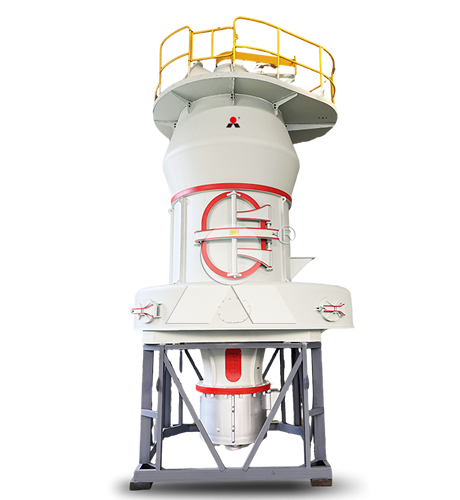
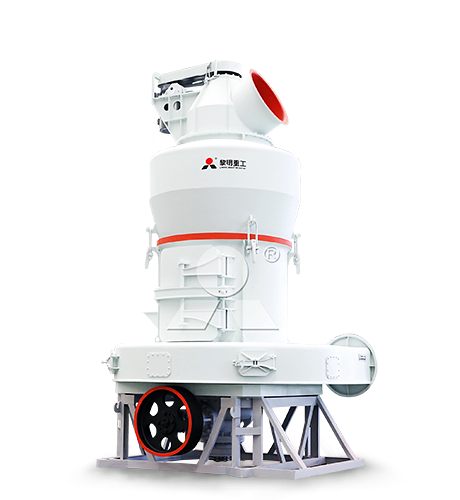
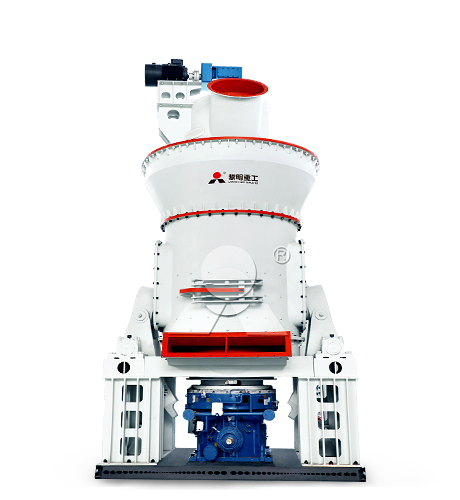
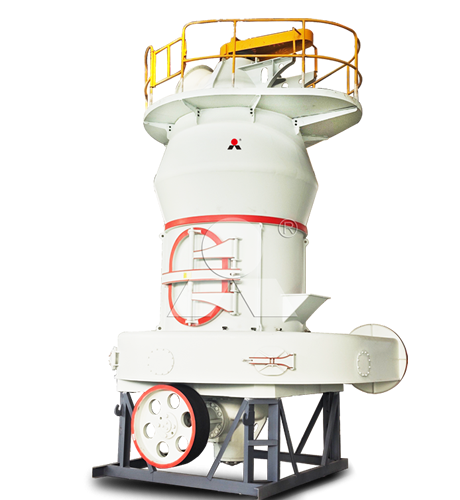
Liming Heavy Industry identifies the LM Vertical Grinding Mill and MTW European Trapezium Grinding Mill as options for bentonite fine-powder processing. Its bentonite guidance includes powder grades in the 100–325 mesh range for an applicable dry-processing route. This is an equipment and process reference—not a universal fertilizer binder specification.
| Equipment Option | Proposal Review | Evidence to Request |
|---|---|---|
| Liming Heavy Industry LM Vertical Grinding Mill | Evaluate the complete grinding and classification arrangement, including any proposed drying duty. | Material suitability, tested output, moisture-removal basis, utility requirements, and maintenance access. |
| Liming Heavy Industry MTW European Trapezium Grinding Mill | Evaluate the proposed pendulum roller grinding circuit and supporting equipment. | Permitted feed conditions, achievable size distribution, expected output, collection arrangement, and wear-part requirements. |
Compare both proposals using the same bentonite sample, moisture range, product specification, and production schedule. Do not compare a capacity quoted for relatively dry, coarse product with one quoted for wetter feed and finer powder.
Define Fineness Through Fertilizer Trials
Specify the particle size limit together with its required passing percentage. “Fine bentonite” or “200 mesh powder” is incomplete without a measurement method and acceptance requirement.
Where the appropriate grade is uncertain, prepare several practical powder grades from the same feed and evaluate them in the intended fertilizer process.
Confirm each sample’s particle size distribution and moisture.
Use the intended formulation, process water, and addition rate.
Record mixing and granulation behavior.
Assess the finished product against agreed strength, handling, and application criteria.
Select the powder specification that consistently meets those requirements.
Include relevant functional checks such as swelling, water absorption, or viscosity only where they help predict or control the intended application. Bentonite suppliers use these properties alongside moisture and particle size to characterize fertilizer grades.
Commission the Plant Against a Complete Product Specification
Plant acceptance should demonstrate sustained output of compliant bentonite powder, not simply a short period at maximum feed rate. Define the test feed, incoming moisture, finished fineness, finished moisture, sampling method, and test duration before procurement.
Where binder performance is part of the supply requirement, include agreed downstream or laboratory acceptance tests. Keep those criteria distinct from mechanical plant performance so that responsibilities are clear.
For a practical configuration proposal, provide Liming Heavy Industry with the bentonite source and type, representative analysis, feed size, normal and maximum moisture, required powder grade, target output, and intended fertilizer application. Add any activation requirement, available heat source, installation conditions, and finished delivery method.
These inputs allow drying, grinding, classification, and storage to be designed as one coordinated system—producing a repeatable fertilizer ingredient rather than powder defined only by its mesh number.
Related Fertilizer Mineral Grinding Solutions


Liming Heavy Industry to Exhibit at bauma CHINA 2026 – Visit Us at Booth E6.510
2026-10-15

Meet Liming Heavy Industry at the 140th Canton Fair 2026
2026-10-13
Liming Heavy Industry to Attend the 140th Canton Fair
2026-09-25
Liming Heavy Industry at bauma CONEXPO INDIA 2026 | Booth 5-C6
2026-09-07
Turnkey Raw Mill Cement Plant in Saudi Arabia: Design and Installation
2026-09-03
Complete Mineral Processing Solutions
Convenient Reliable Professional Efficient Get Your Quote
Please feel free to submit your inquiry information to us. We will contact with you as soon as possible.
Our team will contact you as soon as possible.