


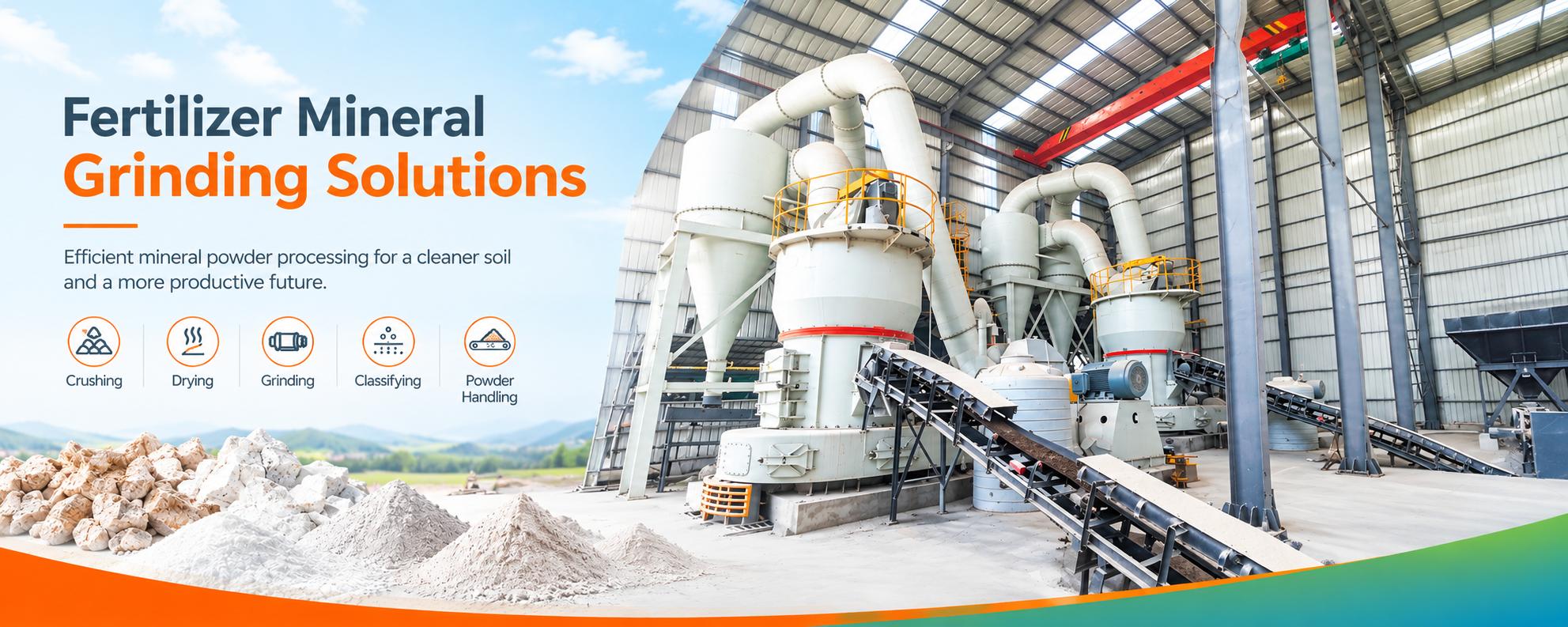
Control moisture in fertilizer mineral powder processing by managing the complete material path: incoming feed, storage, drying, grinding, powder collection, and finished product handling. Start with a mineral-specific moisture specification, measure it consistently, and match the drying duty to the wettest feed the plant is expected to process.
Increasing hot-air temperature is not a complete solution. Reliable control also requires stable feeding, suitable airflow, protection against condensation, and storage conditions that prevent accepted powder from becoming wet again.
First, Define Which Moisture You Are Measuring
Before setting an operating target, agree on the measurement method. A moisture result is meaningful only when its sampling procedure, drying conditions, and reporting basis are clear.
State whether the result is reported on a wet or dry basis.
Identify the sampling location and sample preparation procedure.
Define the laboratory method, temperature, and drying endpoint.
Distinguish removable free moisture from water associated with the mineral structure.
This distinction is particularly important for gypsum. Its free moisture and crystal water are separate analytical quantities. A test that removes crystal water can overstate the free moisture that the processing plant needs to control.
For example, one standardized agricultural gypsum method determines free water by drying a prepared sample at 45°C for at least eight hours or overnight. This is a laboratory procedure, not a recommended industrial dryer temperature.
Set Separate Limits for Feed, Finished Powder, and Downstream Use
A single moisture number cannot describe every stage of the plant. Establish three separate requirements:
| Control Limit | What It Defines | Why It Matters |
|---|---|---|
| Incoming feed acceptance | The normal range and maximum moisture the plant is designed to receive. | Determines storage, feeding, drying, and production-rate requirements. |
| Finished powder specification | The acceptable moisture range after processing. | Provides a measurable production and dispatch standard. |
| Downstream process requirement | The moisture condition needed by formulation, chemical processing, or granulation. | Connects the grinding plant to the receiving process. |
Do not automatically target the lowest possible finished moisture. The required endpoint should support product quality, reliable handling, and the next manufacturing step without imposing unnecessary drying duty.
Prevent Moisture Problems Before Material Reaches the Mill
Protect Receiving and Storage Areas
Use covered storage, effective drainage, and suitable unloading arrangements to limit avoidable water entry. Keep wet deliveries identifiable rather than allowing them to change the moisture of an entire stockpile without control.
Record seasonal variation. A dry-season sample should not be the only basis for a plant expected to operate through rainy conditions.
Check Whether Wet Feed Can Actually Discharge
Review hopper geometry, outlet size, feeder selection, and access using representative material. If wet feed bridges or releases in surges, the grinding circuit will receive an unstable moisture load even when the average daily moisture appears acceptable.
Blend Only Within an Approved Plan
Blending wetter and drier material may help stabilize feed where chemistry and product specifications allow it. Establish the permitted blending range and verify the result through sampling rather than relying on loader operators to judge moisture visually.
Choose the Right Moisture-Removal Arrangement
The best arrangement depends on incoming moisture, material behavior, available heat, and the required finished product.
Covered Storage Without Active Drying
If incoming material already meets the selected equipment’s feed conditions and the finished product requirement, a dedicated dryer may not be necessary. Confirm this through representative testing and account for unfavorable seasonal conditions.
Dedicated Drying Before Grinding
Evaluate pre-drying when the incoming feed is too wet or sticky for reliable feeding, or when the required moisture removal exceeds the proposed mill circuit’s capability.
Include the condition of material leaving the dryer in the review. Dried feed must still be transferable, storable, and suitable for controlled mill feeding.
Integrated Drying and Grinding
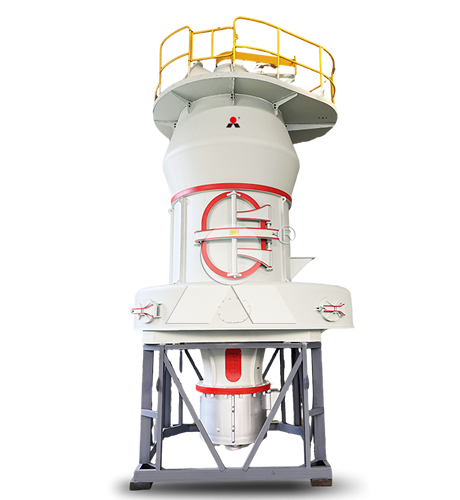
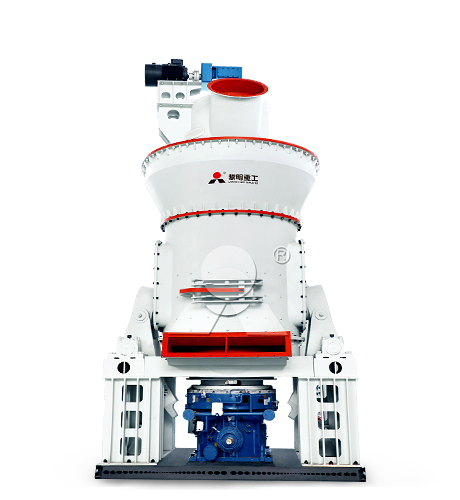
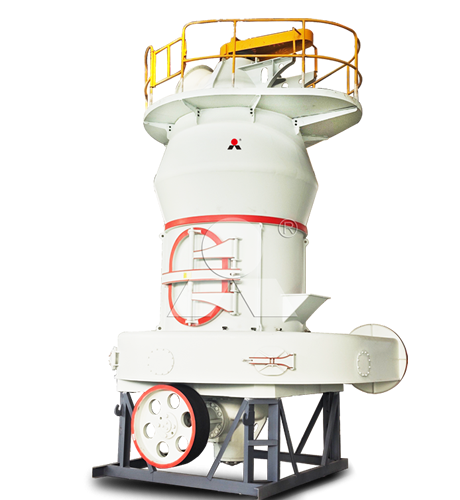
The Liming Heavy Industry LM Vertical Roller Mill can introduce hot air into the grinding system so that moisture removal takes place alongside size reduction. Its drying arrangement must be selected against the actual feed and required output rather than treated as unlimited drying capacity.
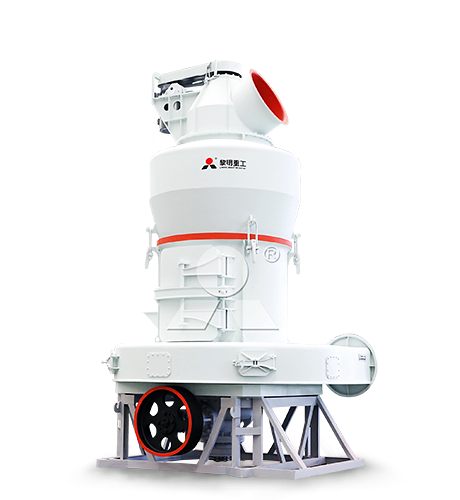
For an MTW European Trapezium Grinding Mill proposal, ask Liming Heavy Industry to define the permitted feed moisture and any required upstream conditioning or separately engineered drying equipment. Do not assume that LM drying capabilities apply unchanged to an MTW configuration.
Balance Heat, Airflow, and Feed Rate
The central operating objective is stability: a consistent water load entering a system with sufficient, controlled drying capacity.
When feed moisture rises, the plant may need a coordinated adjustment to heat input, airflow, and material feed rate. Changing only one setting can leave the system unable to maintain its product specification.
Develop operating limits with the equipment supplier for:
Normal and maximum material feed rate.
Permitted inlet and outlet temperature ranges.
Airflow and system pressure conditions.
Acceptable finished moisture.
Collector operating conditions.
Responses to interrupted feeding, loss of heat, and abnormal temperature.
Do not use outlet temperature as a substitute for product testing. It is an operating indicator, while the powder’s measured moisture remains the acceptance result.
Use Different Control Priorities for Different Minerals
| Mineral | Moisture-Control Priority | What to Verify |
|---|---|---|
| Phosphate rock | Deliver a consistent feed condition to the receiving fertilizer process. | Agreed finished moisture, particle size, and downstream transfer requirements. |
| Limestone | Meet the product grade while maintaining reliable feeding and handling. | Whether active drying is necessary for the actual feed and market specification. |
| Dolomite | Manage seasonal feed variation without losing powder consistency. | Maximum incoming moisture, discharge behavior, and required finished condition. |
| Gypsum | Control free moisture while preserving the required mineral condition. | Appropriate analytical method and material-specific thermal limits. |
| Bentonite | Achieve the required moisture while retaining acceptable formulation performance. | Finished moisture together with agreed hydration, swelling, or binding tests. |
For temperature-sensitive products, approve the drying conditions through material testing. A laboratory moisture-test temperature, dryer gas temperature, and actual particle temperature are different quantities and should not be used interchangeably.
Prevent Condensation and Moisture Pickup After Grinding
Powder can leave the grinding circuit within specification and still fail after collection or storage. Review cold surfaces, humid air entry, leaking roofs, wet conveying equipment, and the condition of packing materials.
The exhaust and collection system should be assessed against the relevant dew-point conditions. Insulation, controlled air leakage, and an appropriate startup and shutdown sequence may be needed to prevent condensation in ducts and collectors.
Where cooling is required before storage or packing, use a controlled arrangement that does not simply expose the product to humid ambient air.
Finished fertilizer handling guidance emphasizes avoiding moisture pickup, caking, and abnormally high storage temperatures. Those principles are relevant at the downstream interface, but specific limits for formulated fertilizers should not be copied directly to every unblended mineral powder.
Troubleshoot by Sampling Across the Plant
| Observed Problem | Checks to Make First | Control Response to Evaluate |
|---|---|---|
| Finished moisture rises during wet weather. | Incoming moisture, storage water entry, feed rate, and available drying duty. | Improve feed protection and adjust operation within supplier-approved limits. |
| Powder moisture fluctuates throughout a shift. | Feed surges, mixed stockpile conditions, heat stability, and sampling consistency. | Stabilize feeding and investigate the source of changing water load. |
| Powder meets specification after collection but not at dispatch. | Silo condition, condensation, humid-air entry, packing, and storage duration. | Correct post-process moisture entry rather than automatically increasing drying. |
| Material builds up in ducts or collection equipment. | Temperature conditions, air leakage, condensation, discharge restrictions, and feed changes. | Identify the cause before changing heat or airflow settings. |
| Laboratory results disagree. | Sampling, sealing, reporting basis, test temperature, and mineral-specific procedures. | Standardize the method and compare results using the same prepared sample. |
Seal moisture samples promptly and record their sampling time and location. Comparing receiving, post-collection, and dispatch samples helps identify whether the problem originates in feed preparation, drying, or storage.
Include Moisture Performance in Plant Acceptance
Before procurement, agree on a commissioning test that defines incoming moisture, feed characteristics, required output, finished fineness, and finished moisture. Use representative material and a sustained operating period.
For a Liming Heavy Industry grinding proposal, provide normal and maximum feed moisture, the required product condition, representative samples, available heat sources, and local environmental conditions. Ask the proposal to state which moisture conditions support the quoted capacity.
This creates a measurable control strategy from receiving to dispatch—and prevents a drying problem from being reduced to a single temperature setting.
Related Fertilizer Mineral Grinding Solutions


Liming Heavy Industry to Exhibit at bauma CHINA 2026 – Visit Us at Booth E6.510
2026-10-15

Meet Liming Heavy Industry at the 140th Canton Fair 2026
2026-10-13
Liming Heavy Industry to Attend the 140th Canton Fair
2026-09-25
Liming Heavy Industry at bauma CONEXPO INDIA 2026 | Booth 5-C6
2026-09-07
Turnkey Raw Mill Cement Plant in Saudi Arabia: Design and Installation
2026-09-03
Complete Mineral Processing Solutions
Convenient Reliable Professional Efficient Get Your Quote
Please feel free to submit your inquiry information to us. We will contact with you as soon as possible.
Our team will contact you as soon as possible.