


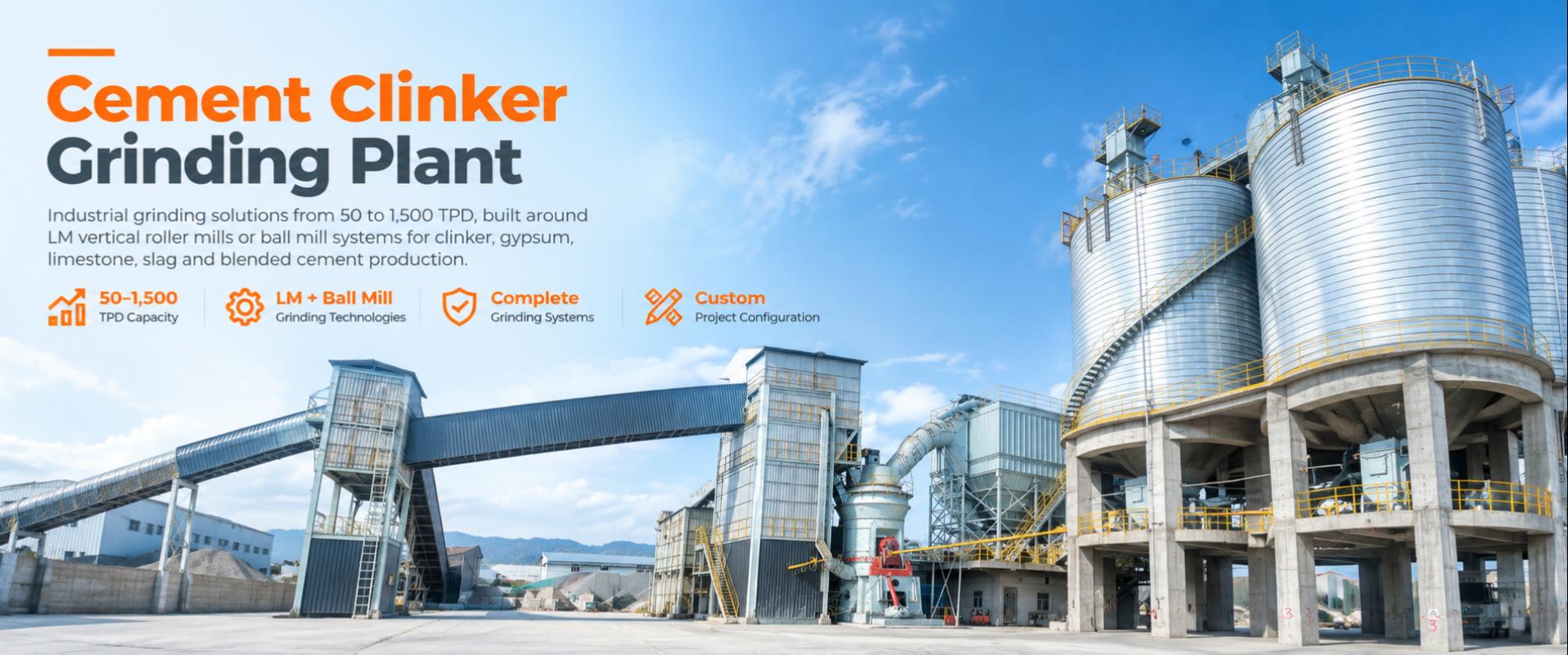
Vertical roller mills and ball mills are both widely used for cement clinker grinding, but they operate in different ways and create different requirements for energy use, plant layout, maintenance, product control, and investment. The best solution depends on the complete project condition, including production capacity, clinker properties, cement type, target fineness, moisture content, available site area, existing infrastructure, electricity cost, and maintenance capability.
Liming Heavy Industry provides LM Vertical Roller Mills and cement ball mill systems for clinker grinding and blended cement production. Both solutions can be configured to grind clinker with gypsum, limestone, slag, fly ash, and other suitable mineral additives. For integrated cement production projects, Liming Heavy Industry can also provide rotary kilns, calcining kilns, and supporting equipment for clinker production, material handling, cement storage, packing, and dispatch.
Basic Working Principle
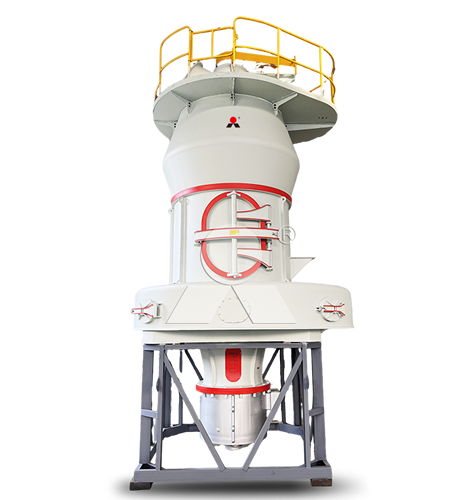
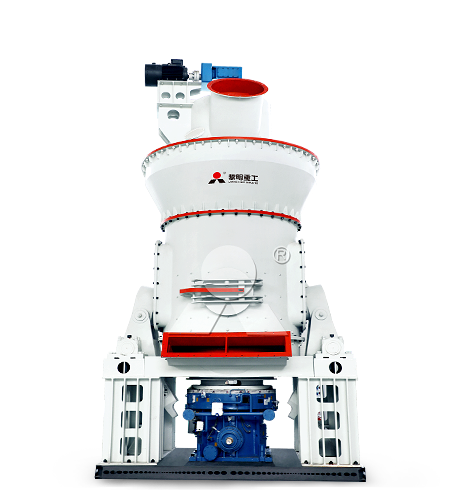
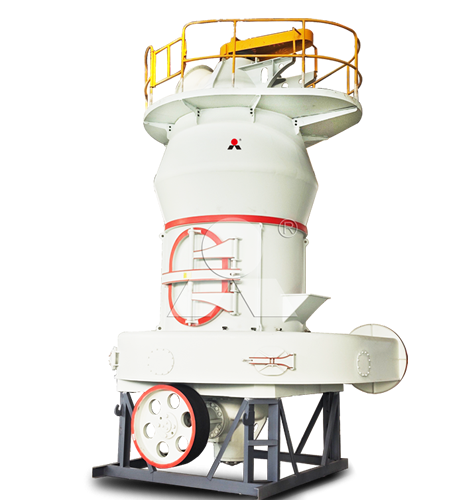
An LM Vertical Roller Mill uses grinding rollers to apply pressure to a material bed on a rotating grinding table. The material is ground by compression and shearing, then lifted by process air to an integrated dynamic classifier. Fine particles that meet the required cement fineness leave the mill with the gas stream, while coarse particles are rejected by the classifier and return to the grinding table for further grinding.
A cement ball mill is a horizontal rotating cylinder that uses steel grinding media to reduce clinker and additives through impact, friction, and attrition. In a typical closed-circuit arrangement, the ground material is discharged from the mill and sent to a separate separator. Fine cement is collected as product, while coarse material is returned to the ball mill for additional grinding.
Vertical Roller Mill vs Ball Mill Comparison
| Comparison Item | LM Vertical Roller Mill | Cement Ball Mill |
|---|---|---|
| Grinding principle | Compression and shearing between grinding rollers and a rotating grinding table | Impact and attrition from steel grinding media inside a rotating mill cylinder |
| Classification | Integrated dynamic classifier inside the mill system | Normally uses a separate separator in a closed-circuit grinding system |
| Grinding media | Does not require a large steel-ball charge for the main grinding process | Requires grinding balls and ongoing management of media size distribution and ball charge |
| Plant layout | Compact vertical arrangement integrating grinding and classification | Conventional horizontal mill circuit with separate classification equipment |
| Specific power consumption | Often lower for suitable cement grinding applications | Often higher because of grinding-media movement and circuit configuration |
| Material moisture | Can combine grinding and drying when suitable hot gas is available | May require separate drying arrangements for higher-moisture materials |
| Product particle size distribution | Typically produces a steeper particle size distribution that can be adjusted through operating parameters | Often produces a broader particle size distribution in conventional cement grinding operation |
| Maintenance focus | Grinding rollers, grinding table, hydraulic system, classifier, gearbox, and wear parts | Grinding balls, liners, diaphragms, bearings, girth gear, gearbox, and separator |
| Existing plant upgrades | Suitable when layout, height, and process integration support a vertical mill installation | Often practical where an existing ball mill foundation, building, or auxiliary circuit is available |
| Best selection method | Compare total investment, power demand, material conditions, layout, maintenance, and product requirements | Compare total investment, existing infrastructure, operating flexibility, maintenance, and product requirements |
Energy Consumption
Energy consumption is often the most important comparison point because cement finish grinding is a major electricity consumer. The mill main drive, separator, process fans, bucket elevators, conveyors, bag filters, and packing system all contribute to total plant power demand.
For comparable cement grinding duties, vertical roller mill systems are commonly reported to use less specific electrical energy than conventional ball mill systems. A technical comparison of cement grinding systems reported that a vertical roller mill could achieve specific energy consumption approximately 25% to 40% lower than a ball mill system, although actual results depend on feed characteristics, cement fineness, separator performance, moisture, system design, and operating conditions. [21][22]
Some industry comparisons cite finish-grinding electricity demand of approximately 20 to 23 kWh per tonne for a vertical roller mill and approximately 33 to 42 kWh per tonne for a ball mill under comparable conditions. These figures are useful for early feasibility assessment, but they are not guaranteed performance values. A project-specific estimate should be based on clinker grindability, additive ratio, product fineness, equipment configuration, and local operating conditions. [23]
The energy advantage of an LM Vertical Roller Mill is linked to its grinding mechanism and integrated classification. Compression grinding can require less energy than the repeated lifting and cascading of a large steel-ball charge. The integrated classifier also helps control material circulation within the mill system.
Layout and Process Configuration
An LM Vertical Roller Mill has a compact vertical arrangement. Grinding, classification, and material transport by process gas are organized in one coordinated system. This can reduce the overall equipment footprint and may simplify the process layout, especially for new cement grinding plants with limited installation space.
A ball mill system usually has a more conventional horizontal layout. The grinding mill, separator, bucket elevator, process fans, bag filter, and related conveying systems are arranged as a closed-circuit grinding line. Although the system may require more space, it remains a familiar and well-established configuration for many cement producers.
For brownfield projects, existing buildings and foundations can significantly influence the equipment selection. If a site already has a suitable ball mill building, separator circuit, conveyors, electrical system, and maintenance infrastructure, upgrading or retaining the ball mill circuit may be commercially practical. If a new project has sufficient vertical clearance and requires a compact integrated system, an LM Vertical Roller Mill may be a stronger option.
Moisture and Drying Capability
Material moisture is an important consideration when selecting cement grinding equipment. An LM Vertical Roller Mill can use hot process gas to support simultaneous drying and grinding where the material condition and plant design require it. This can be helpful for projects processing moist slag, limestone, pozzolan, or other mineral additives.
Industry comparisons indicate that a vertical roller mill can process and dry feed materials with higher moisture levels than a conventional ball mill circuit, provided that suitable hot gas and process controls are available. A ball mill may require a dedicated drying compartment, hot gas generator, or separate drying system when handling materials with significant moisture. [23]
The exact drying requirement should be determined through material testing. Excessive moisture can reduce mill output, increase circulation load, create handling problems, and affect finished cement quality. The final grinding system should therefore be designed around the actual moisture range of the clinker and all additives.
Maintenance and Wear Parts
Both systems require regular maintenance, but their wear mechanisms differ. A ball mill requires continuous management of its steel grinding media. The grinding balls gradually wear and must be replenished to maintain the correct ball charge and size distribution. Mill liners, diaphragms, bearings, girth gears, pinions, lubrication systems, and separators also require scheduled inspection and maintenance.
An LM Vertical Roller Mill does not depend on a large grinding-media charge. Its key wear parts include grinding rollers, grinding table segments, classifier components, feed-system parts, and internal wear protection. The hydraulic system, gearbox, lubrication system, process fan, and mill drive must also be monitored under a preventive maintenance plan.
Maintenance cost should not be evaluated only by the unit price of wear parts. It should include replacement frequency, labor, shutdown duration, lifting requirements, spare-parts inventory, production loss during maintenance, and the availability of local technical support. One technical comparison of cement grinding systems concluded that maintenance costs for vertical roller mill and ball mill systems can be broadly similar when the full system is considered, so maintenance should be evaluated on the basis of the specific project rather than a general assumption. [22]
Product Quality and Fineness
Both LM Vertical Roller Mills and ball mills can produce cement that meets required fineness and quality specifications when correctly designed and operated. The final cement performance depends not only on the mill type, but also on clinker mineralogy, gypsum addition, additive proportion, grinding aid use where applicable, separator performance, particle size distribution, and quality-control procedures.
Ball mill systems are often associated with a broader particle size distribution, while vertical roller mill systems may produce a steeper distribution. This does not mean that one system automatically produces better cement. The particle size distribution can be adjusted through mill operating parameters, separator settings, grinding circuit design, and material formulation to meet the intended cement specification. [23]
For projects producing several cement grades, the grinding system should allow reliable adjustment of product fineness and material proportioning. Automated weigh feeders, process instrumentation, online monitoring, and laboratory testing help maintain stable cement quality while avoiding unnecessary overgrinding.
Investment and Operating Cost
The purchase price of the main mill should not be used as the only investment comparison. A complete cement grinding plant requires feeding and dosing equipment, classification, dust collection, process fans, conveying, storage, electrical controls, automation, civil works, installation, and commissioning.
An LM Vertical Roller Mill may reduce the number of separate process units because it integrates grinding and classification. Its compact layout may also reduce some building and conveying requirements. However, the final investment depends on capacity, mill size, required drying duty, material moisture, foundation design, structural steel, power system, automation level, and project location.
A ball mill may have a lower perceived technical risk for projects that already operate conventional grinding circuits or have existing ball mill infrastructure. It can also be a practical choice where plant personnel are familiar with ball mill operation and maintenance. However, grinding-media consumption and potentially higher electricity use should be evaluated across the expected operating life of the plant.
For decision-making, compare total cost of ownership over the planned operating period. The comparison should include initial equipment investment, civil works, installation, electrical consumption, grinding media, wear parts, labor, maintenance, spare parts, production availability, and expected cement output.
When to Choose an LM Vertical Roller Mill
An LM Vertical Roller Mill may be suitable for cement producers that require an integrated grinding and classification solution, a compact plant layout, flexible fineness adjustment, and the ability to handle materials requiring simultaneous drying and grinding.
New cement grinding plants with limited available land or a compact layout requirement.
Projects with high electricity costs where specific power consumption is a key investment consideration.
Blended cement projects using suitable limestone, slag, fly ash, or other mineral additives.
Grinding systems that require integrated dynamic classification.
Projects processing materials with moisture levels that may require drying support.
Large-capacity cement grinding operations seeking efficient process integration.
When to Choose a Ball Mill
A cement ball mill may be suitable for producers that prefer a conventional closed-circuit grinding system, have existing compatible infrastructure, or require a solution aligned with established ball mill operating and maintenance practices.
Existing cement plants with ball mill foundations, buildings, separators, and conveying systems.
Modernization projects where retaining part of the current grinding circuit is commercially beneficial.
Projects with maintenance teams experienced in grinding-media and liner management.
Operations that prefer a conventional horizontal grinding circuit with a separate separator.
Projects where the available site layout is better suited to a ball mill installation.
Smaller or regional cement grinding plants where existing infrastructure has a strong effect on total investment.
Integrated Cement Plant Solutions
For projects that include clinker production as well as cement grinding, Liming Heavy Industry can provide rotary kiln and calcining kiln solutions in addition to LM Vertical Roller Mills and cement ball mills. In an integrated cement plant, raw materials are prepared, heated, calcined, and processed in a rotary kiln to produce clinker. The clinker is then cooled, stored, and ground with gypsum and additives into finished cement.
A complete integrated project may include raw-material crushing, raw meal grinding, preheating, calcination, rotary kiln processing, clinker cooling, clinker storage, cement grinding, cement storage, packing, bulk loading, dust collection, electrical systems, and automation controls.
Early coordination between kiln capacity and grinding capacity is important. The clinker production line, clinker storage system, LM Vertical Roller Mill or ball mill, cement silos, and dispatch equipment must be sized to support stable continuous operation and the required cement production schedule.
Conclusion
There is no universal answer to whether a vertical roller mill or ball mill is better for cement grinding. An LM Vertical Roller Mill can offer a compact integrated process configuration, reduced dependence on grinding media, drying capability where required, and potentially lower specific electricity consumption. A cement ball mill remains a proven and practical option for conventional grinding circuits, particularly where existing infrastructure and operating experience support its use.
The correct choice should be based on a complete project evaluation of capacity, clinker grindability, cement type, additive ratio, moisture, fineness, available layout, power cost, maintenance resources, existing equipment, and total cost of ownership. Liming Heavy Industry can recommend an LM Vertical Roller Mill or cement ball mill configuration based on the actual requirements of your cement grinding plant.
Related Cement Clinker Grinding Plant


LIMING at MiningMetals Uzbekistan 2026 | Booth B94
2026-10-22

LIMING Heavy Industry at MINEXPO Africa 2026 | Booth 133
2026-10-22
Liming Heavy Industry to Exhibit at bauma CHINA 2026 – Visit Us at Booth E6.510
2026-10-15
Meet Liming Heavy Industry at the 140th Canton Fair 2026
2026-10-13
Liming Heavy Industry to Attend the 140th Canton Fair
2026-09-25
Complete Mineral Processing Solutions
Convenient Reliable Professional Efficient Get Your Quote
Please feel free to submit your inquiry information to us. We will contact with you as soon as possible.
Our team will contact you as soon as possible.