


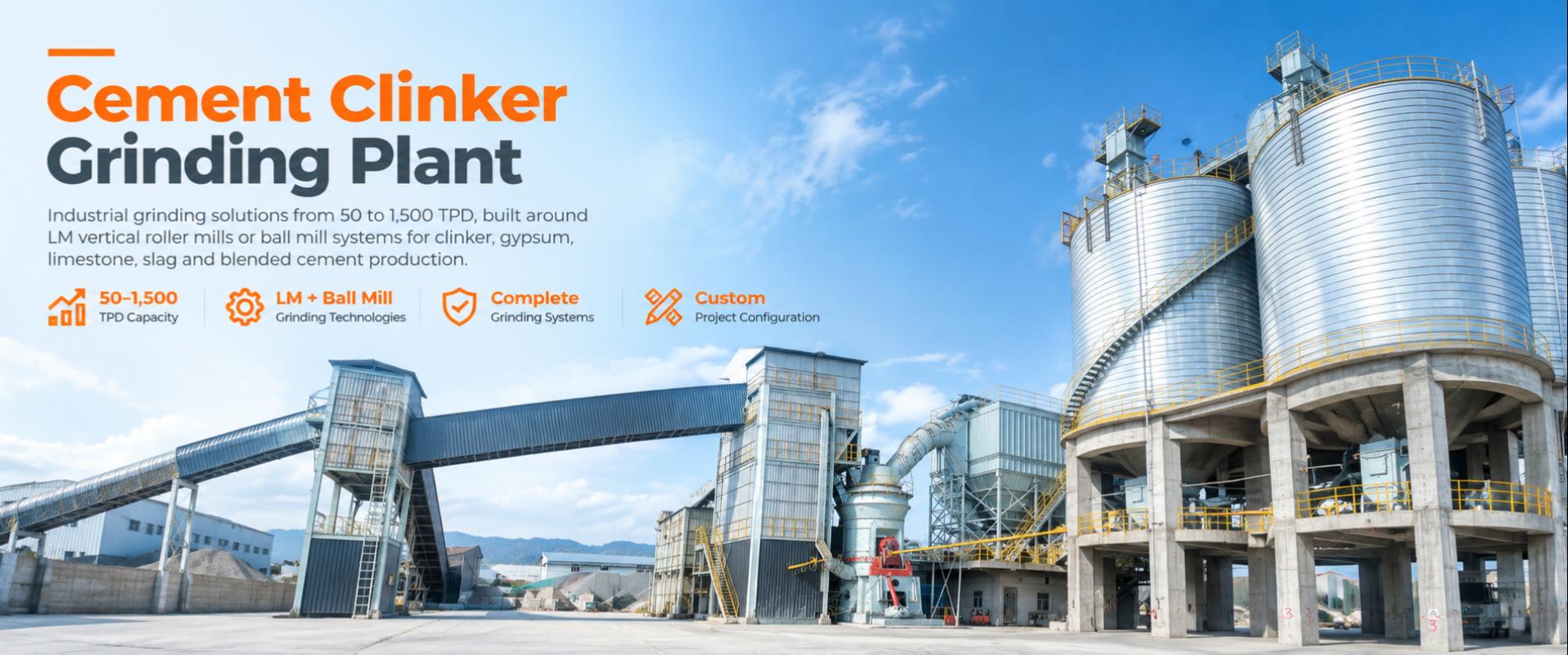
A 1,000 TPD cement grinding plant is designed to produce approximately 1,000 tonnes of finished cement per day. It is suitable for independent cement grinding stations, larger regional cement suppliers, clinker-import terminals, capacity-expansion projects, and integrated cement plants requiring a dedicated cement finishing line.
Liming Heavy Industry can configure a 1,000 TPD cement grinding plant around an LM Vertical Roller Mill or a cement ball mill. The plant can grind cement clinker with gypsum and suitable mineral additives, including limestone, slag, fly ash, pozzolan, and other approved cementitious materials. The final configuration should be based on clinker grindability, cement type, target fineness, additive moisture, plant layout, electrical conditions, clinker supply, finished-cement storage, packing demand, and long-term expansion requirements.
1,000 TPD Capacity Overview
A 1,000 TPD cement grinding plant produces approximately 1,000 tonnes of finished cement each day. The required mill output depends on the operating schedule. A continuously operated plant requires a lower hourly grinding capacity than a plant designed for shorter daily production shifts.
| Operating Schedule | Approximate Required Finished Cement Output |
|---|---|
| 24 operating hours per day | Approximately 41.7 tonnes per hour |
| 20 operating hours per day | Approximately 50 tonnes per hour |
| 16 operating hours per day | Approximately 62.5 tonnes per hour |
| 12 operating hours per day | Approximately 83.3 tonnes per hour |
The actual mill selection should provide a practical capacity margin. Output varies with clinker hardness, feed size, gypsum properties, mineral additive ratio, material moisture, cement fineness, separator performance, ambient conditions, operating practice, and scheduled maintenance.
A 1,000 TPD cement grinding plant is within the typical range of industrial clinker grinding stations. Published equipment references describe clinker grinding systems from approximately 50 to 3,000 tonnes per day, using either a cement ball mill or vertical roller mill together with storage, feeding, classification, dust collection, and cement silo systems. [101][102]
Typical Process Flow
The production process starts with clinker receiving and storage. Clinker is then proportioned with gypsum and optional mineral additives before entering the grinding circuit. After grinding and classification, finished cement is collected through the dust-control system, transferred to cement silos, and dispatched in bags or bulk.
Receive clinker from trucks, railway wagons, ports, ships, conveyors, or an on-site clinker production line.
Store clinker in a clinker silo, clinker hall, dome, covered stockpile, or warehouse.
Store gypsum, limestone, slag, fly ash, pozzolan, and other mineral additives separately.
Use belt weigh feeders, screw weigh feeders, or other dosing equipment to maintain the required cement formulation.
Convey the proportioned clinker, gypsum, and additives to the LM Vertical Roller Mill or cement ball mill.
Grind the material to the specified cement fineness.
Classify fine cement and return coarse particles for further grinding where required.
Collect fine cement through a bag filter and process-air handling system.
Convey finished cement to one or more finished-product silos.
Pack cement into bags or load bulk cement into trucks, railcars, terminals, or ships.
Main Equipment Configuration
A complete 1,000 TPD cement grinding plant consists of several coordinated systems. The mill is the central unit, but stable production requires correctly matched storage, dosing, separation, dust collection, conveying, storage, packing, loading, electrical, and automation equipment.
| System | Typical Equipment | Main Function |
|---|---|---|
| Clinker receiving | Truck unloading hopper, rail unloading system, port receiving equipment, belt conveyor, transfer chute, grizzly screen, bag filter | Receives clinker and transfers it to storage |
| Clinker storage | Clinker silo, clinker hall, dome, covered stockpile, reclaiming equipment, discharge hopper | Maintains clinker inventory and ensures a stable feed to the grinding line |
| Gypsum storage | Gypsum shed, hopper, crusher where required, belt conveyor, screw conveyor, feeder | Stores and prepares gypsum for controlled dosing |
| Additive storage | Limestone bins, slag storage, fly ash silos, pozzolan storage, hoppers, conveyors | Stores mineral additives separately for blended cement production |
| Dosing system | Belt weigh feeders, screw weigh feeders, rotary feeders, hoppers, flow-control gates, instruments | Measures clinker, gypsum, and additives according to the required cement recipe |
| Main grinding system | LM Vertical Roller Mill or cement ball mill, main motor, gearbox, lubrication system, mill feed equipment | Grinds clinker and additives into finished cement powder |
| Classification system | Integrated dynamic classifier for LM Vertical Roller Mill or high-efficiency separator for ball mill | Controls cement fineness and returns coarse material for regrinding |
| Process air system | Process fan, mill fan, ducts, dampers, air locks, hot-gas system where required | Provides material transport, ventilation, drying support, and separation airflow |
| Dust collection | Bag filter, dust collector, filter fan, rotary air lock, dust screw conveyor, stack | Recovers fine cement and controls dust emissions |
| Material conveying | Belt conveyors, bucket elevators, screw conveyors, air slides, pneumatic conveying equipment | Transfers materials between storage, dosing, grinding, classification, and cement silos |
| Finished cement storage | Cement silos, silo filters, aeration systems, level indicators, discharge gates, blending equipment | Stores finished cement before packing and bulk dispatch |
| Packing and dispatch | Rotary packing machine, valve bag packer, bag conveyor, truck loading station, bulk loading spout, weighbridge | Prepares bagged and bulk cement for delivery |
| Electrical and automation | Transformer, switchgear, MCC, PLC system, variable-frequency drives, sensors, field instruments, central control room | Supplies power and controls the complete grinding process |
LM Vertical Roller Mill Solution
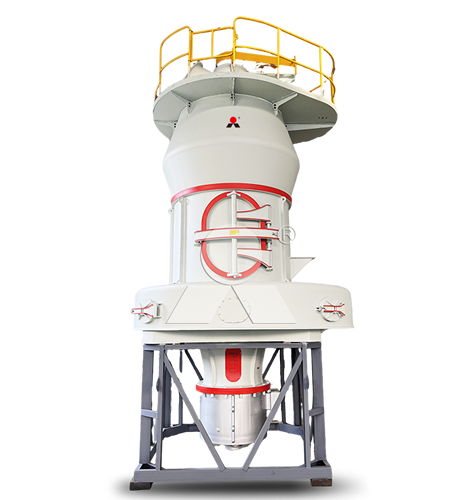
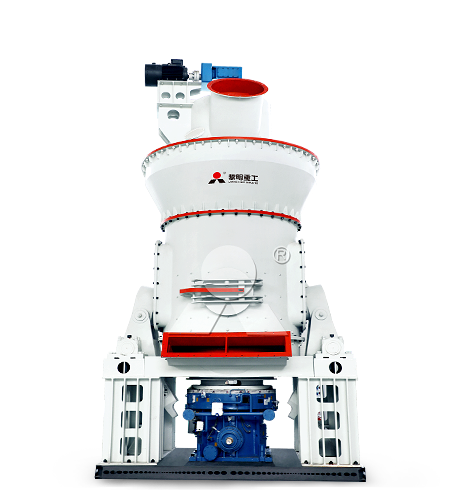
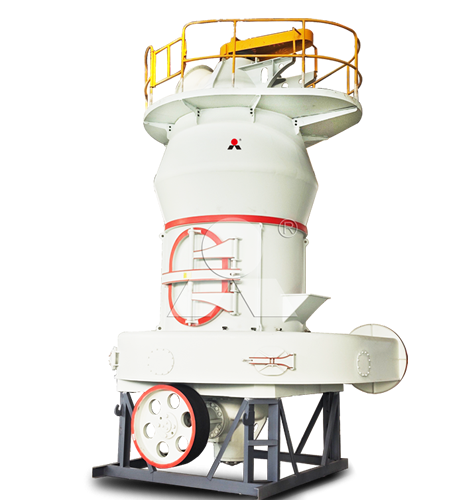
An LM Vertical Roller Mill is suitable for a 1,000 TPD cement grinding plant that requires compact process integration. Clinker, gypsum, and suitable additives enter the mill and fall onto the rotating grinding table. Grinding rollers apply pressure to the material bed, reducing particle size through compression and shearing.
Process air lifts the ground material to the integrated dynamic classifier. The classifier separates qualified fine cement from coarse particles. Fine cement exits with the gas stream and is collected by a bag filter, while rejected coarse particles return internally to the grinding table for further grinding.
The LM Vertical Roller Mill combines grinding and classification in one main process unit. Where suitable hot gas is available, it can also support simultaneous drying and grinding of materials with moisture, including suitable gypsum, limestone, slag, and other mineral additives. This compact process configuration can be particularly valuable in new grinding stations where site area, equipment integration, and power consumption are important design considerations.
LM Vertical Roller Mill Benefits
Integrated grinding and dynamic classification in one compact vertical system.
Suitable for cement clinker, gypsum, limestone, slag, fly ash, pozzolan, and other suitable additives.
Compact arrangement that can reduce the overall plant footprint.
No large steel-ball charge is required for the primary grinding process.
Flexible cement fineness control through classifier speed and process adjustments.
Can support simultaneous drying and grinding when suitable hot gas is available.
Suitable for larger cement grinding plants, blended cement production, and capacity-expansion projects.
PLC-based monitoring of feed rate, grinding pressure, vibration, airflow, temperature, separator speed, and power consumption.
Cement Ball Mill Solution
A cement ball mill is a proven option for a 1,000 TPD clinker grinding plant. It uses steel grinding media inside a horizontal rotating cylinder. As the mill rotates, the grinding balls are lifted by liners and then cascade onto the clinker, gypsum, and additives, reducing the material through impact, friction, and attrition.
For finished cement production, the ball mill is normally configured as a closed-circuit grinding system with a high-efficiency separator. The separator receives mill discharge, collects fine cement that meets the required fineness, and returns coarse particles to the ball mill for additional grinding.
At a 1,000 TPD scale, the ball mill system should be designed around the complete circuit rather than the mill alone. This includes mill drive power, grinding media, liners, diaphragm configuration, separator capacity, process fan, bag filter, bucket elevator, reject-return system, cement storage, packing capacity, and electrical controls.
Cement Ball Mill Benefits
Proven technology for clinker, gypsum, and blended cement grinding.
Suitable for ordinary Portland cement and selected blended cement products.
Can be configured with a high-efficiency separator for closed-circuit grinding.
Practical for capacity expansions and sites with existing ball mill foundations, buildings, conveyors, or separator systems.
Compatible with different clinker sources, cement fineness targets, and mineral additive formulations.
Suitable for plants with established experience in grinding media, liner, diaphragm, and mechanical maintenance.
Reliable operation when feed stability, mill ventilation, grinding-media charge, separator performance, and preventive maintenance are properly managed.
LM Vertical Roller Mill vs Cement Ball Mill
| Comparison Factor | LM Vertical Roller Mill | Cement Ball Mill |
|---|---|---|
| Grinding principle | Compression and shearing between grinding rollers and a rotating grinding table | Impact and attrition from steel grinding media inside a rotating cylinder |
| Classification | Integrated dynamic classifier | Separate high-efficiency separator in a closed-circuit system |
| Plant layout | Compact vertical grinding and classification arrangement | Conventional horizontal mill circuit with separate separator and external reject-return system |
| Grinding media | Does not require a large steel-ball charge for primary grinding | Requires steel grinding balls and periodic media replenishment |
| Moisture handling | Can support drying and grinding with suitable hot gas | May require a dedicated drying arrangement for higher-moisture materials |
| Maintenance focus | Grinding rollers, grinding table, classifier, hydraulic system, gearbox, and wear parts | Grinding balls, liners, diaphragms, bearings, gears, lubrication system, and separator |
| Suitable project condition | New larger-capacity plants, compact layouts, integrated process design, and suitable blended cement applications | Conventional cement grinding plants and sites with compatible existing infrastructure |
For a 1,000 TPD plant, the technology decision should be based on total project economics rather than only on the purchase price of the mill. The comparison should include civil works, installed power, expected energy consumption, grinding media, wear parts, maintenance labor, spare-parts planning, required building height, available site area, clinker moisture, additive moisture, cement-product range, and expected operating life.
Raw Materials and Cement Types
A 1,000 TPD cement grinding plant can produce different cement products by adjusting the proportions of clinker, gypsum, and mineral additives. The final formulation should be determined according to applicable cement standards, local material availability, laboratory testing, target strength class, setting-time requirements, durability needs, and market demand.
| Material | Function in Cement Production |
|---|---|
| Cement clinker | Main cementitious component that provides the primary strength-forming phases |
| Gypsum | Added to regulate cement setting behavior |
| Limestone | Used as a mineral addition in suitable blended cement products |
| Granulated blast-furnace slag | Used for slag cement and other blended cement applications |
| Fly ash | Used as a supplementary cementitious material where suitable |
| Natural pozzolan | Used in suitable blended cement formulations |
Power and Operating Cost Considerations
Electricity is one of the most important operating-cost categories in a 1,000 TPD cement grinding plant. Major power consumers include the grinding mill main drive, separator, process fans, bag filters, bucket elevators, conveyors, feeders, compressors, packing machines, and bulk loading equipment.
At this production scale, even a small reduction in specific power consumption can have a substantial effect on annual operating cost. The energy comparison should include the complete grinding circuit, not only the main mill motor. Mill feed stability, clinker grindability, separator efficiency, target fineness, material moisture, fan performance, and maintenance condition all affect the actual electricity consumed per tonne of cement.
For a ball mill system, operating cost should include grinding-media consumption, liner replacement, diaphragm maintenance, separator performance, lubrication, and mechanical maintenance. For an LM Vertical Roller Mill system, cost planning should include roller and grinding-table wear, classifier maintenance, hydraulic-system inspection, gearbox maintenance, and associated spare parts.
Finished Cement Storage and Dispatch
A 1,000 TPD grinding plant needs adequate finished-cement storage and dispatch capacity to avoid production bottlenecks. The number and volume of cement silos depend on daily output, required storage duration, number of cement grades, packing demand, bulk dispatch volume, and expected market fluctuations.
Finished-cement silos can include aeration equipment, level indicators, silo filters, pressure-relief valves, discharge gates, air slides, screw conveyors, and blending equipment. Separate silos are commonly used when the plant produces multiple cement grades, such as ordinary Portland cement, Portland limestone cement, or slag cement.
The dispatch section can include rotary packing machines, valve bag packers, bag conveyors, warehouse handling equipment, truck-loading stations, bulk loading spouts, weighbridges, and traffic-control systems. Packing and bulk loading capacity should be matched with grinding output so full silos do not force the grinding line to reduce output or stop.
Integrated Clinker Production Option
A 1,000 TPD cement grinding plant can operate as a stand-alone grinding station by purchasing clinker from external suppliers. This model may be suitable where clinker is available from nearby integrated cement plants, ports, rail terminals, or established regional suppliers.
For projects requiring clinker production and cement grinding in one coordinated facility, Liming Heavy Industry can provide rotary kilns and calcining kilns. An integrated cement project may include raw-material crushing, raw meal grinding, preheating, calcination, rotary kiln processing, clinker cooling, clinker storage, cement grinding, cement storage, packing, bulk loading, dust collection, and automation systems.
Reference data for a 1,000 TPD integrated cement line show that the configuration can include a vertical cement mill and a rotary kiln as major equipment. In an integrated project, kiln output, clinker cooler capacity, clinker storage, grinding capacity, cement silos, fuel supply, electricity demand, and dispatch facilities must be sized as one balanced production system. [103]
Information Needed for Equipment Selection
To configure a suitable 1,000 TPD cement grinding plant, Liming Heavy Industry needs complete production and material information. This enables the LM Vertical Roller Mill or cement ball mill system to be matched with the actual plant conditions.
Required finished-cement output in tonnes per day, tonnes per hour, and tonnes per year.
Planned operating hours per day, operating days per year, and expected equipment availability.
Clinker source, feed size, moisture, hardness, chemistry, and grindability data.
Required cement types and proportions of gypsum, limestone, slag, fly ash, pozzolan, or other additives.
Target cement fineness, Blaine value, sieve residue, particle size distribution, and required strength class.
Available site area, building dimensions, foundation conditions, transport access, and local climate.
Local voltage, electricity cost, power-supply reliability, and automation requirements.
Required clinker storage volume, finished-cement storage capacity, packing capacity, bulk loading requirement, and dispatch method.
Whether the project is a new grinding station, plant expansion, replacement, modernization, or integrated cement production line.
Whether rotary kiln or calcining kiln equipment is also required.
Conclusion
A 1,000 TPD cement grinding plant is a practical solution for larger regional cement supply, independent clinker grinding operations, and integrated cement projects requiring dedicated cement finishing capacity. It can process clinker with gypsum and suitable mineral additives to produce ordinary Portland cement and selected blended cement products.
Liming Heavy Industry can provide an LM Vertical Roller Mill for projects seeking a compact integrated grinding and classification system, or a cement ball mill for conventional closed-circuit cement grinding. The final configuration should be selected according to clinker properties, cement type, target fineness, material moisture, power conditions, plant layout, storage capacity, dispatch demand, and future expansion plans.
For complete cement production projects, Liming Heavy Industry can also provide rotary kilns, calcining kilns, and supporting equipment for clinker production, cement grinding, finished-cement storage, packing, and dispatch.
Related Cement Clinker Grinding Plant


LIMING at MiningMetals Uzbekistan 2026 | Booth B94
2026-10-22

LIMING Heavy Industry at MINEXPO Africa 2026 | Booth 133
2026-10-22
Liming Heavy Industry to Exhibit at bauma CHINA 2026 – Visit Us at Booth E6.510
2026-10-15
Meet Liming Heavy Industry at the 140th Canton Fair 2026
2026-10-13
Liming Heavy Industry to Attend the 140th Canton Fair
2026-09-25
Complete Mineral Processing Solutions
Convenient Reliable Professional Efficient Get Your Quote
Please feel free to submit your inquiry information to us. We will contact with you as soon as possible.
Our team will contact you as soon as possible.