


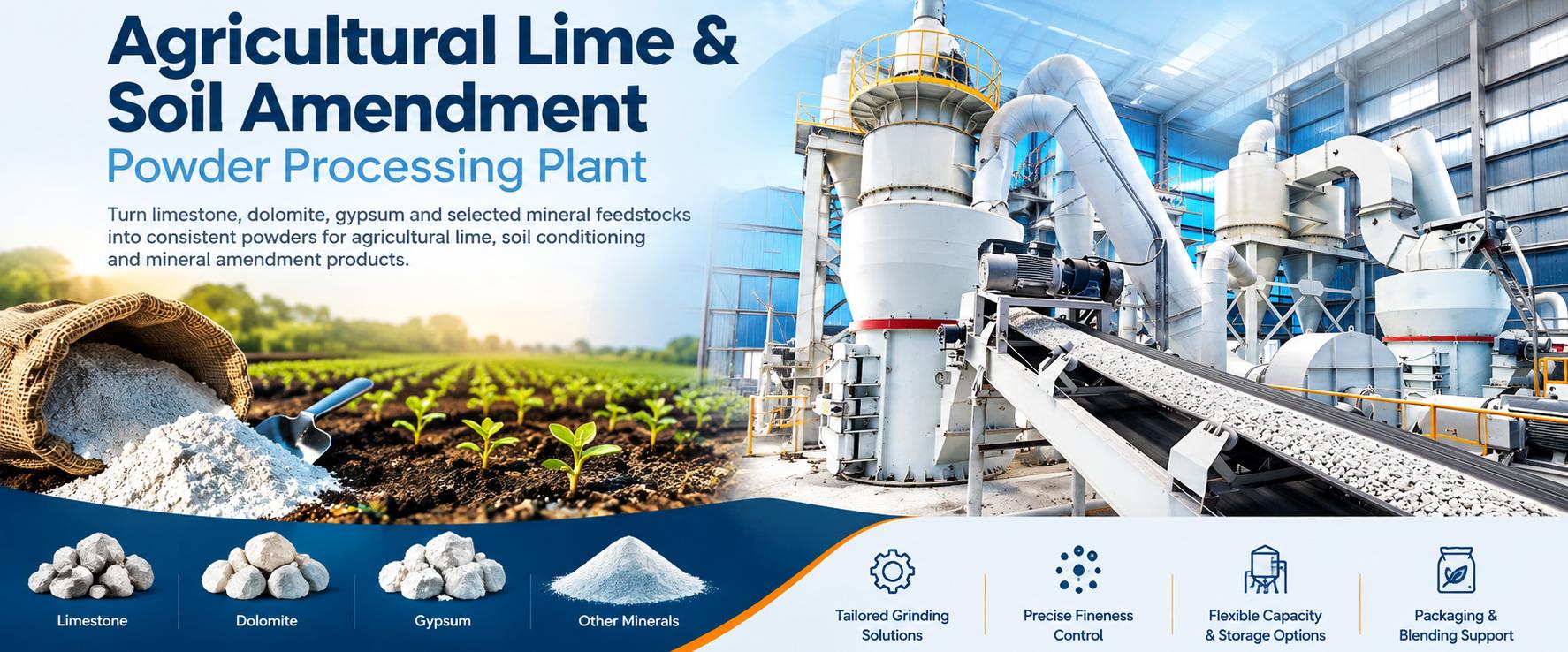
Agricultural gypsum is widely used as a soil amendment to supply calcium and sulfur and to improve soil conditions in certain agricultural environments. Unlike agricultural lime, gypsum does not primarily function by neutralizing soil acidity. Its main value lies in providing soluble calcium and supporting soil structure management where gypsum is appropriate.
For manufacturers, producing agricultural gypsum powder requires careful consideration of raw material quality, moisture content, grinding fineness, production capacity, and finished-product handling. A well-designed processing plant helps maintain consistent powder quality while controlling energy consumption and operating costs.
1. What Is Agricultural Gypsum?
Gypsum is a calcium sulfate mineral that commonly occurs in hydrated form. Natural gypsum deposits are important raw materials for producing agricultural gypsum, although the suitability of a particular source depends on its chemical composition, impurities, and applicable product regulations.
Agricultural gypsum is mainly used to supply calcium and sulfur to soil. It can also help improve soil physical conditions in certain sodic or structurally degraded soils when applied according to soil test results and appropriate management practices.
Gypsum behaves differently from limestone and dolomite. Limestone is commonly used to neutralize soil acidity, while gypsum provides calcium without producing the same liming effect. Therefore, manufacturers and agricultural distributors should distinguish between these products when determining the intended application and finished-product specifications.
2. Main Agricultural Uses of Gypsum Powder
Supplying Calcium and Sulfur
Calcium supports plant cell wall development, while sulfur is essential for protein formation and other plant functions. Agricultural gypsum can supply both nutrients, making it useful where soil tests indicate a need for additional calcium or sulfur.
The actual nutrient contribution depends on the purity and composition of the gypsum. Manufacturers should establish clear product specifications so that buyers can assess the suitability of the powder for their intended crops and soil conditions.
Managing Sodic Soils
In sodic soils, excessive exchangeable sodium can contribute to poor soil structure, reduced water infiltration, and restricted root development. Under suitable conditions, calcium from gypsum can help replace exchangeable sodium. The displaced sodium must then be removed from the root zone through adequate drainage and water management.
Gypsum application alone does not resolve every soil problem. Its effectiveness depends on the severity of sodicity, soil texture, water quality, drainage, and the availability of suitable leaching conditions.
Supporting Soil Structure and Water Infiltration
Some soils experience surface crusting, clay dispersion, or reduced infiltration. Where these problems are associated with sodium-related soil conditions, gypsum may help improve soil aggregation and water movement.
However, gypsum is not a universal solution for compacted or poorly drained soil. Application should be guided by soil testing and an understanding of the underlying cause of the problem.
3. Raw Material Properties That Affect Processing
The quality of agricultural gypsum powder begins with the raw material. Natural gypsum can vary in purity, moisture, crystal structure, and associated mineral content. These differences affect the grinding process, finished-product quality, and suitability for agricultural use.
Gypsum purity: The calcium sulfate content influences the composition and consistency of the finished product.
Moisture content: Excess moisture may cause feeding difficulties, material buildup, and unstable grinding performance.
Feed particle size: Large pieces may require crushing before entering the grinding mill.
Impurities: Clay, insoluble minerals, and other contaminants can affect product quality and should be evaluated before processing.
Hardness and grindability: These characteristics influence mill selection, energy consumption, and achievable production capacity.
Storage behavior: Moisture exposure and unsuitable storage conditions can lead to caking and handling difficulties.
Representative sampling and laboratory analysis should be completed before the plant configuration is finalized. This helps determine whether the raw material requires additional preparation and whether the finished product can meet the intended agricultural specifications.
4. Choosing the Right Grinding Fineness
Grinding fineness influences the physical characteristics, handling properties, and dissolution behavior of agricultural gypsum powder. The appropriate particle size depends on the target market, application method, product standard, and customer requirements.
Finer particles generally provide a greater surface area for contact with water and soil. This can affect dissolution behavior, but it does not mean that the finest possible powder is always the best commercial product.
Excessive grinding may increase electricity consumption, reduce throughput, and create additional requirements for dust collection and finished-product handling. Very fine powders may also require closer control of packaging, storage, and dust emissions.
For these reasons, manufacturers should define the target fineness using the applicable product standard and the actual needs of the intended application. Particle-size distribution should be checked regularly to ensure that the finished powder remains consistent between production batches.
5. Agricultural Gypsum Powder Production Process
A typical gypsum powder processing plant may include several connected stages. The final process layout depends on the feed size, moisture, raw material quality, target fineness, and production capacity.
Step 1: Raw Material Inspection
Incoming gypsum should be inspected for particle size, moisture, and visible contamination. Laboratory analysis can establish the chemical characteristics and determine whether the material meets the requirements for agricultural processing.
Step 2: Crushing and Feed Preparation
If the natural gypsum arrives in large blocks, a crushing stage may be required to reduce it to a size suitable for the grinding mill. Feed preparation should provide a stable and uniform supply of material to the downstream equipment.
Step 3: Grinding
The prepared gypsum enters the selected grinding mill, where it is reduced to the required powder fineness. The mill must be suitable for gypsum's physical properties and the intended production rate.
Step 4: Powder Classification
Where required, a classification system separates particles according to the target size range. This helps control the finished-product distribution and reduce the proportion of particles that fall outside the specification.
Step 5: Dust Collection and Conveying
Dust collection equipment captures airborne powder generated during grinding, classification, and conveying. Properly designed material transfer systems help maintain a cleaner working environment and reduce product losses.
Step 6: Storage and Packaging
The finished gypsum powder is transferred to suitable storage facilities before being packaged or loaded in bulk. Storage and packaging systems should protect the product from excessive moisture and contamination while supporting the required dispatch capacity.
6. Selecting Grinding Equipment for Agricultural Gypsum
Grinding equipment should be selected according to the gypsum's feed size, moisture content, grindability, target fineness, and hourly production capacity. The design should also consider whether the plant will operate continuously and whether several product grades will be produced on the same line.
Raymond Mill for Conventional Gypsum Powder
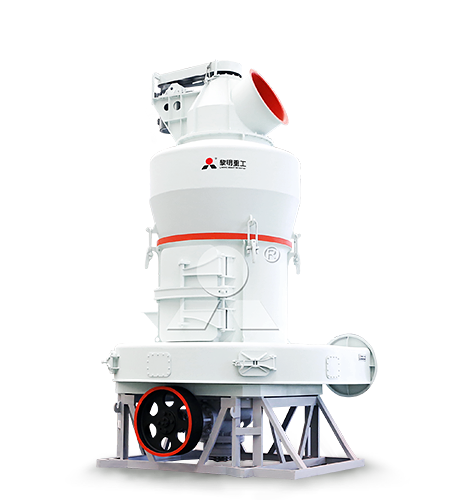
The Raymond Mill from Liming Heavy Industry can be evaluated for agricultural gypsum projects requiring conventional powder fineness. Its suitability depends on the required throughput, raw material characteristics, and finished-product specifications.
MTW Series Trapezium Mill for Continuous Production
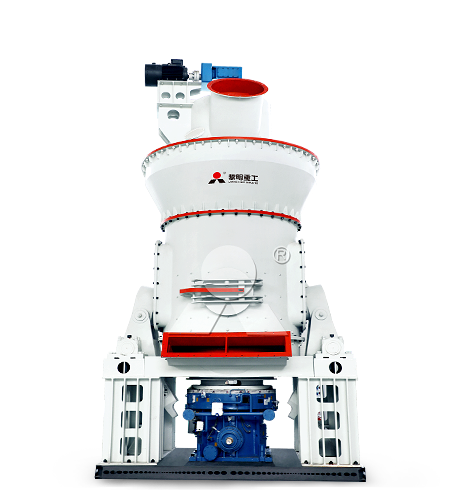
The MTW Series Trapezium Mill from Liming Heavy Industry is another option to consider for gypsum powder production. The selected model should be matched to the feed size, required fineness, moisture conditions, and desired output to ensure stable operation.
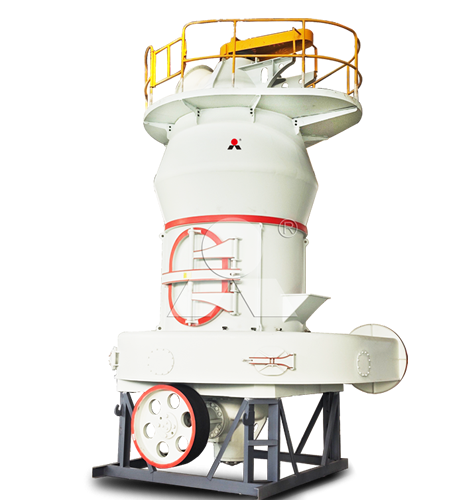
LM Vertical Grinding Mill for Larger Processing Systems
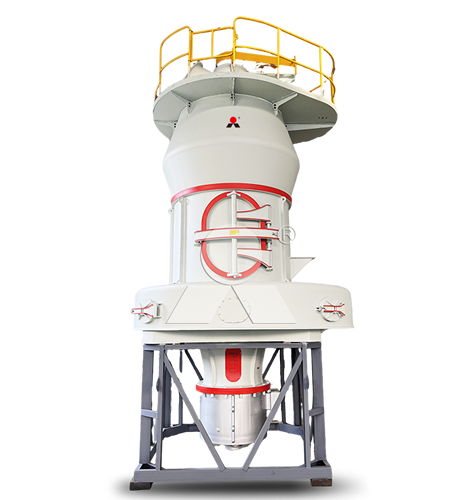
For projects requiring a higher-capacity mineral powder processing system, the LM Vertical Grinding Mill from Liming Heavy Industry may be considered after evaluating the gypsum's grinding characteristics and the intended product specifications.
Not every gypsum deposit or processing requirement calls for the same equipment configuration. A technically appropriate selection should be based on raw material testing and confirmation that the proposed mill can achieve the required fineness and production capacity.
7. Plant Design: Capacity, Layout and Operating Conditions
A well-planned gypsum powder plant should balance production capacity with product quality, material handling, energy consumption, and maintenance access. Selecting a mill based only on its nominal capacity may overlook important constraints elsewhere in the process.
Production Capacity
The design capacity should reflect expected market demand, operating hours, planned maintenance, and the required finished-product output. Equipment capacities should be coordinated across crushing, grinding, classification, conveying, and packaging to avoid bottlenecks.
Moisture Management
Gypsum moisture should be measured under normal operating conditions. If the raw material is too wet for reliable feeding or grinding, the process may require additional preparation or a suitable drying arrangement. The need for drying should be established through testing rather than assumed for every gypsum deposit.
Dust Control
Grinding and conveying fine gypsum powder can generate airborne dust. The plant should incorporate appropriate dust collection at transfer points, mill outlets, classifiers, and packaging stations. Equipment layout should also allow access for filter inspection and routine maintenance.
Storage and Product Protection
Gypsum powder should be stored in conditions that limit moisture exposure and contamination. Storage capacity should be coordinated with production and dispatch schedules so that finished material can be handled without interrupting mill operation.
Maintenance and Automation
Convenient access to inspection points, wear components, motors, and conveying equipment helps reduce maintenance time. Appropriate instrumentation and automation can also support stable feeding, operating control, and production monitoring.
8. Common Production Problems and How to Address Them
Several operational problems may arise when producing agricultural gypsum powder. Identifying their causes early can help manufacturers maintain consistent output and avoid unnecessary downtime.
Unstable feed: Check the feed preparation system, material moisture, and consistency of the supply to the mill.
Inconsistent fineness: Review mill operating conditions, classification performance, and changes in raw material properties.
Low production output: Examine feed size, moisture, material grindability, and potential restrictions in downstream equipment.
Excessive dust emissions: Inspect dust collection equipment, duct connections, transfer points, and filter condition.
Powder caking during storage: Review moisture control, storage conditions, packaging integrity, and material handling practices.
Product quality variation: Strengthen raw material sampling, batch testing, and finished-product inspection.
These problems cannot always be solved by changing the grinding mill alone. The performance of the entire processing line should be evaluated, from raw material preparation to finished-product storage.
9. Information Needed for a Gypsum Powder Plant Proposal
Before designing a new agricultural gypsum powder plant, manufacturers should prepare the following project information:
Raw material origin, chemical composition, and laboratory analysis.
Maximum feed size and typical moisture content.
Required finished-product fineness and particle-size distribution.
Target production capacity in metric tons per hour.
Whether crushing, drying, classification, or other preparation stages are required.
Preferred packaging method, storage capacity, and dispatch arrangements.
Available installation space, power supply, and local environmental requirements.
With these details, the grinding system and supporting equipment can be evaluated more accurately. The resulting plant design can be better aligned with the characteristics of the gypsum and the requirements of the intended agricultural market.
Developing a Reliable Agricultural Gypsum Powder Production Line
Producing consistent agricultural gypsum powder requires more than selecting a grinding mill. Raw material quality, moisture management, particle-size control, dust collection, and finished-product storage all contribute to the performance of the complete plant.
Liming Heavy Industry offers Raymond, MTW, and LM grinding mill solutions for different mineral powder processing requirements. By evaluating the raw gypsum, target fineness, required throughput, and plant operating conditions, manufacturers can identify a suitable grinding configuration for their project.
If you are planning a new agricultural gypsum powder production line or upgrading an existing facility, begin with the raw material analysis and finished-product specifications. These provide the foundation for selecting appropriate equipment, developing a practical plant layout, and maintaining stable production quality.
Related Agricultural Lime & Soil Amendment


Meet Liming Heavy Industry at the 140th Canton Fair 2026
2026-10-13

Liming Heavy Industry to Attend the 140th Canton Fair
2026-09-25
Liming Heavy Industry at bauma CONEXPO INDIA 2026 | Booth 5-C6
2026-09-07
Turnkey Raw Mill Cement Plant in Saudi Arabia: Design and Installation
2026-09-03
Cement Raw Mill Supplier in Indonesia: Cost and Configuration Analysis
2026-09-01
Complete Mineral Processing Solutions
Convenient Reliable Professional Efficient Get Your Quote
Please feel free to submit your inquiry information to us. We will contact with you as soon as possible.
Our team will contact you as soon as possible.