


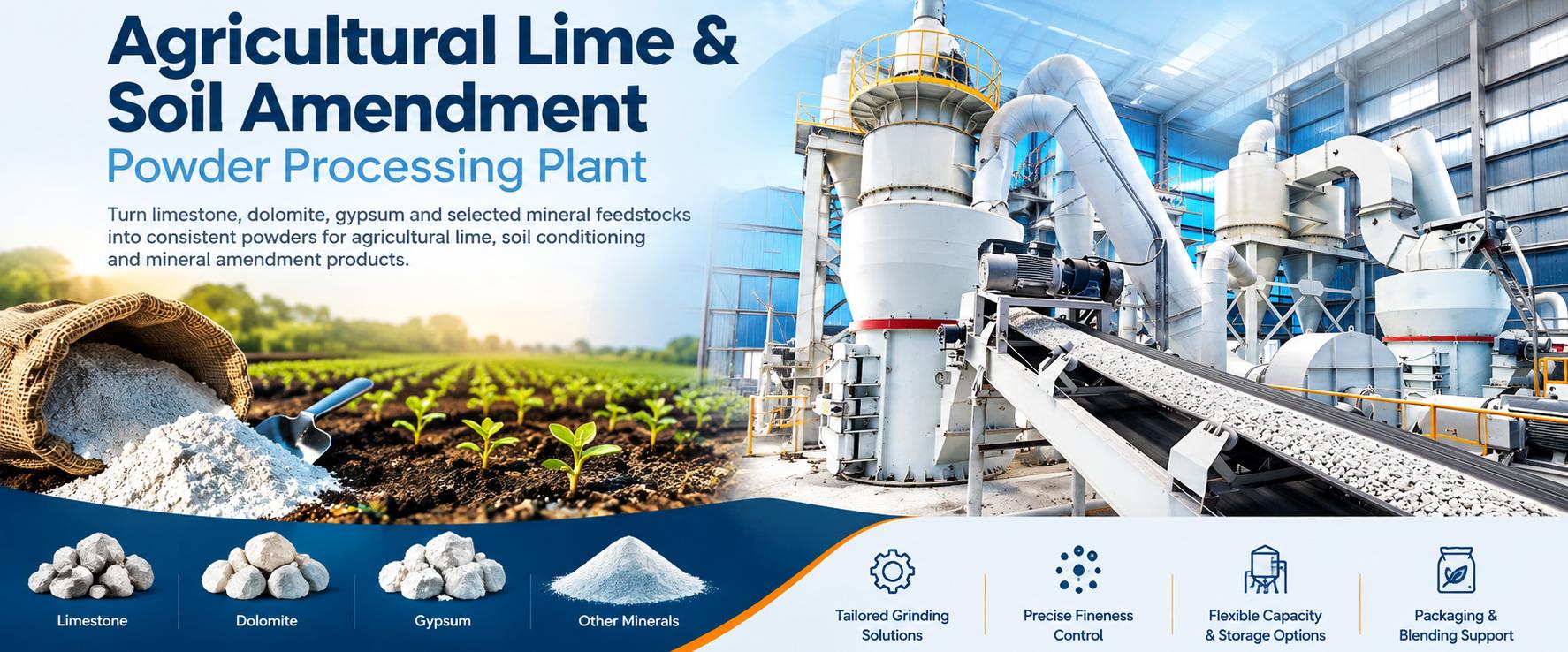
Choosing the right raw material is one of the most important decisions when establishing a soil amendment powder production line. Limestone and dolomite are both widely used in agricultural applications to help correct soil acidity, but they differ in mineral composition, magnesium content, processing characteristics, and potential end uses.
For manufacturers planning to produce agricultural lime powder, understanding these differences helps determine the appropriate raw material, finished-product specifications, and grinding equipment. A well-designed production process should match the characteristics of the mineral deposit with the requirements of farmers, agricultural distributors, and local markets.
1. Understanding Limestone and Dolomite
Limestone: A Calcium-Rich Raw Material
Limestone is a sedimentary rock composed primarily of calcium carbonate. Its quality varies according to the geological deposit, with differences in carbonate content, impurities, hardness, and moisture affecting its suitability for agricultural applications.
When processed into agricultural lime powder, suitable limestone can help neutralize soil acidity and improve growing conditions for crops. Its performance depends on both its chemical properties and the fineness of the finished product.
Limestone is often selected by producers who want to manufacture calcium-rich soil amendment products. Before processing, the raw material should be tested to determine its carbonate content, neutralizing capacity, and suitability for the intended market.
Dolomite: A Source of Both Calcium and Magnesium
Dolomite is a carbonate mineral containing calcium and magnesium. Dolomitic rock is commonly used to produce agricultural dolomitic lime, particularly where both soil acidity correction and magnesium supply are important.
Magnesium is an essential plant nutrient involved in chlorophyll formation and photosynthesis. In soils with insufficient available magnesium, a suitable dolomitic amendment may help address this deficiency while also contributing to acidity correction.
However, dolomite is not automatically the better choice for every agricultural application. The decision should be based on soil test results, crop requirements, the chemical composition of the raw material, and the specifications of the finished product.
2. Key Differences in Agricultural Applications
| Comparison Factor | Limestone | Dolomite |
|---|---|---|
| Main mineral components | Primarily calcium carbonate | Calcium and magnesium carbonate minerals |
| Primary nutrient contribution | Primarily calcium | Calcium and magnesium |
| Typical agricultural use | Correcting soil acidity and supplying calcium | Correcting soil acidity while supplying magnesium where needed |
| Reaction in soil | Depends on composition, fineness, and soil conditions | Depends on composition, fineness, mineral structure, and soil conditions |
| Processing requirements | Determined by hardness, feed size, moisture, and target fineness | Determined by mineral characteristics, feed size, moisture, and target fineness |
| Product selection | Suitable where the specified calcium contribution and neutralizing capacity meet requirements | Suitable where the specified calcium and magnesium contributions meet requirements |
Neither material is universally superior. A soil amendment with a high neutralizing value may still be unsuitable for a particular field if it does not address the field's nutrient requirements. Soil analysis should guide the choice between calcitic and dolomitic products.
3. How Raw Material Composition Affects Powder Quality
The name of a rock alone does not provide enough information to predict the quality of the finished agricultural powder. Two limestone deposits may have substantially different chemical compositions, just as two dolomite deposits may differ in their calcium-to-magnesium proportions and impurity levels.
Before establishing a production line, manufacturers should evaluate several characteristics:
Carbonate content: Determines the principal mineral components available for the finished product.
Neutralizing capacity: Indicates the material's ability to neutralize acidity under the applicable test method.
Magnesium content: Helps determine whether the product is suitable for applications requiring magnesium supplementation.
Impurities: Clay, silica, and other unwanted components may affect product quality and grinding performance.
Hardness and grindability: Influence equipment selection, energy consumption, and achievable throughput.
Moisture content: Affects feeding, material flow, grinding stability, and powder classification.
Representative sampling and laboratory testing are important before purchasing equipment or defining commercial product specifications. Consistent raw material quality also makes it easier to maintain stable finished-product characteristics over time.
4. Particle Size and Reactivity: Why Grinding Matters
Regardless of whether limestone or dolomite is selected, grinding fineness plays a major role in the practical performance of agricultural lime. Finer particles generally provide more surface area for contact with moisture and acidic soil components, allowing the material to react more rapidly under suitable conditions.
Coarser particles typically react more slowly. Depending on the application, this may be acceptable, but products intended for faster soil acidity correction often require closer control of particle-size distribution.
Dolomite may react more slowly than some limestone materials under comparable conditions because its mineral structure and dissolution behavior differ. However, the actual performance depends on the specific deposit, particle size, chemical composition, and soil environment. A laboratory evaluation is preferable to assuming that every limestone or dolomite product will behave in the same way.
Grinding more finely also has a cost. Excessive fineness can increase electricity consumption and reduce production capacity. Manufacturers should therefore establish a target particle-size distribution that satisfies the applicable agricultural standard and customer requirements without unnecessary processing.
5. Selecting Grinding Equipment for Limestone and Dolomite
The most suitable grinding mill depends on the raw material's hardness, feed size, moisture, required product fineness, and production capacity. Limestone and dolomite should be evaluated separately when their grinding characteristics differ significantly.
Raymond Mill for Conventional Agricultural Powder
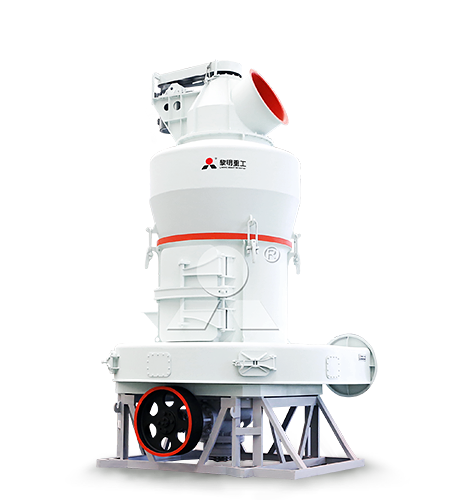
The Raymond Mill from Liming Heavy Industry can be considered for producing agricultural limestone or dolomite powder within conventional fineness ranges. The selected model should be matched to the raw material properties and the required hourly output.
MTW Series Trapezium Mill for Continuous Production
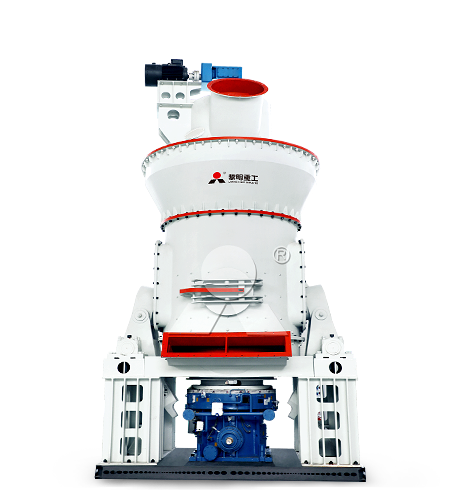
The MTW Series Trapezium Mill is an option for producers seeking a grinding system for continuous limestone or dolomite powder production. It can be evaluated for projects that require controlled product fineness and stable output, with the final configuration determined by feed size, moisture, and product specifications.
LM Vertical Grinding Mill for Higher-Capacity Projects
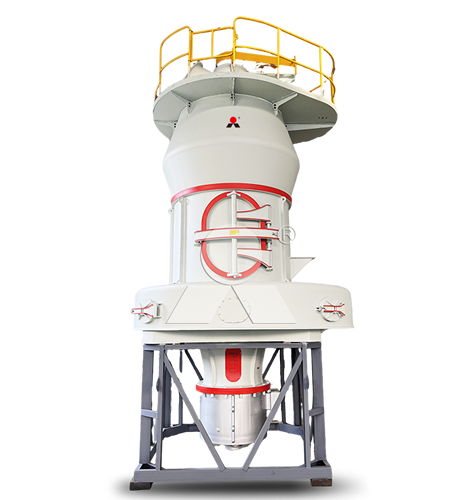
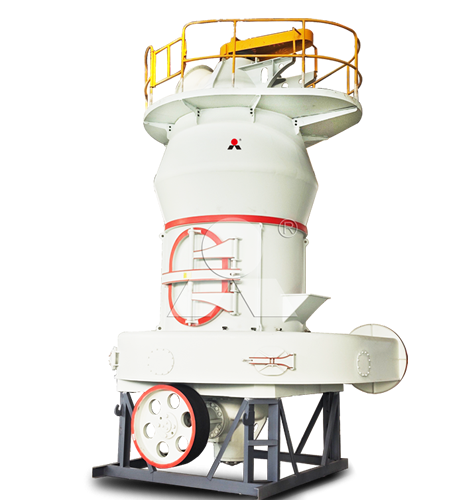
For larger mineral powder production projects, the LM Vertical Grinding Mill from Liming Heavy Industry may be worth evaluating. Equipment selection should consider the required throughput, raw material grindability, target fineness, and the layout of the complete processing line.
A complete system may include raw material feeding, grinding, powder classification, dust collection, conveying, and finished-product storage. These supporting components are important for maintaining stable production and controlling the quality of the final powder.
6. How to Choose Between Limestone and Dolomite for Your Plant
The choice should begin with the target market rather than the grinding equipment. Manufacturers should identify whether customers primarily require calcium-rich agricultural lime, a product containing both calcium and magnesium, or several grades for different soil conditions.
For example, a producer serving regions where magnesium deficiency is common may find a market for dolomitic lime, provided that the raw material meets the required specifications. In other regions, conventional limestone powder may be more suitable because the primary objective is correcting soil acidity while supplying calcium.
Production planning should also consider the availability and consistency of the local mineral deposit. A raw material with suitable chemistry and reliable supply may offer better long-term value than a theoretically attractive alternative that requires more processing or has inconsistent quality.
Before finalizing a project, manufacturers should establish the following information:
Target product type: calcitic agricultural lime, dolomitic lime, or multiple product grades.
Raw material chemical composition and representative laboratory test results.
Maximum feed particle size and typical moisture content.
Required finished-product fineness and particle-size distribution.
Required production capacity in metric tons per hour.
Applicable agricultural product standards and packaging requirements.
Available installation space, power supply, and dust-control requirements.
7. Build a Grinding Process Around the Finished Product
Successful soil amendment powder production starts with a clear understanding of what the finished product needs to achieve. Limestone and dolomite each have important agricultural applications, but their suitability depends on the chemical requirements of the target market and the characteristics of the available raw material.
By combining appropriate mineral selection, laboratory testing, controlled grinding, and consistent quality inspection, manufacturers can produce agricultural lime powders that meet customer specifications while managing operating costs.
Liming Heavy Industry offers Raymond, MTW, and LM grinding mill solutions for different non-metallic mineral processing requirements. Based on the characteristics of limestone or dolomite, the required particle size, and the target production capacity, a suitable grinding system can be evaluated for the project.
If you are planning a new agricultural lime powder plant or upgrading an existing production line, start by defining the raw material composition, calcium and magnesium requirements, target fineness, and hourly output. These details provide a practical foundation for selecting the appropriate grinding equipment and designing a reliable production process.
Related Agricultural Lime & Soil Amendment


Meet Liming Heavy Industry at the 140th Canton Fair 2026
2026-10-13

Liming Heavy Industry to Attend the 140th Canton Fair
2026-09-25
Liming Heavy Industry at bauma CONEXPO INDIA 2026 | Booth 5-C6
2026-09-07
Turnkey Raw Mill Cement Plant in Saudi Arabia: Design and Installation
2026-09-03
Cement Raw Mill Supplier in Indonesia: Cost and Configuration Analysis
2026-09-01
Complete Mineral Processing Solutions
Convenient Reliable Professional Efficient Get Your Quote
Please feel free to submit your inquiry information to us. We will contact with you as soon as possible.
Our team will contact you as soon as possible.