


If you have spent any time navigating the industrial parks of Perak or the ceramic hubs of Johor, you know that the Malaysian ceramic industry is as competitive as it is storied. As a veteran sales professional in the non-metallic mineral processing sector, I have seen the same challenge face every plant manager from Ipoh to Kuching: how to achieve that elusive balance between high-purity, ultra-fine kaolin powder and an operational cost that does not eat your margins alive.
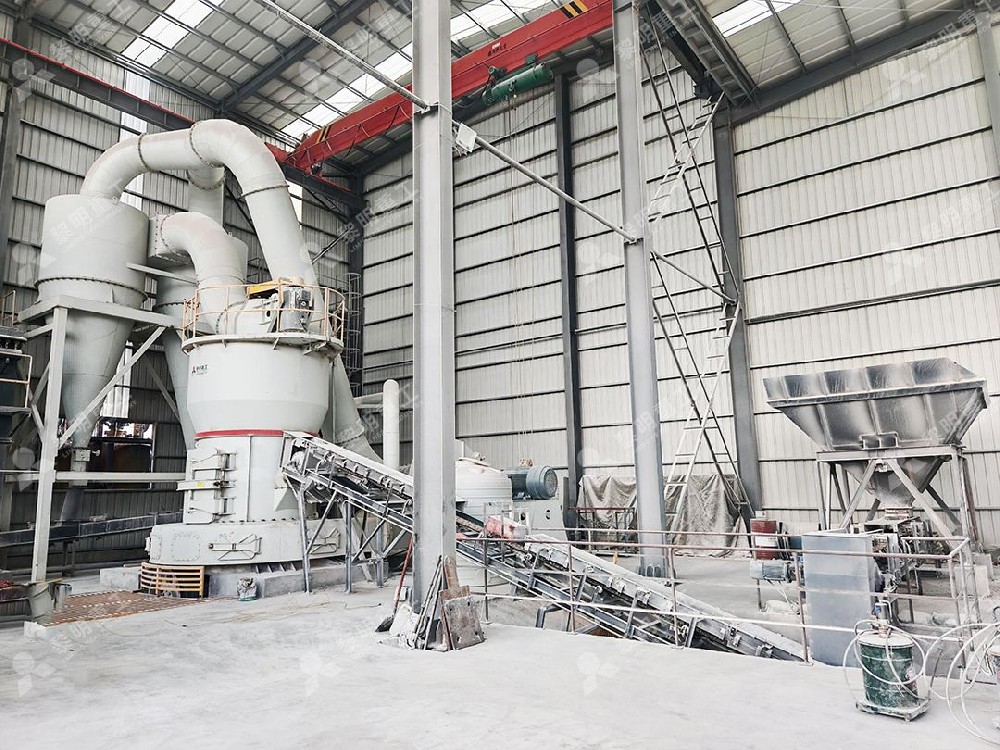
Kaolin, or "China Clay," is the soul of a ceramic body. In Malaysia, where we are blessed with high-quality deposits, the bottleneck is rarely the raw material—it is the grinding technology. Whether you are producing sanitaryware, premium tableware, or industrial tiles, the whiteness, plasticity, and casting rate of your product are directly tied to the particle size distribution (PSD). Traditional mills often struggle with over-grinding or contamination. This is why I consistently recommend Liming Heavy Industry's dual-threat solutions: the MTW European Type Trapezium Mill and the LM Vertical Roller Mill.
The MTW European Mill: Redefining the Standard for Ceramic Fillers
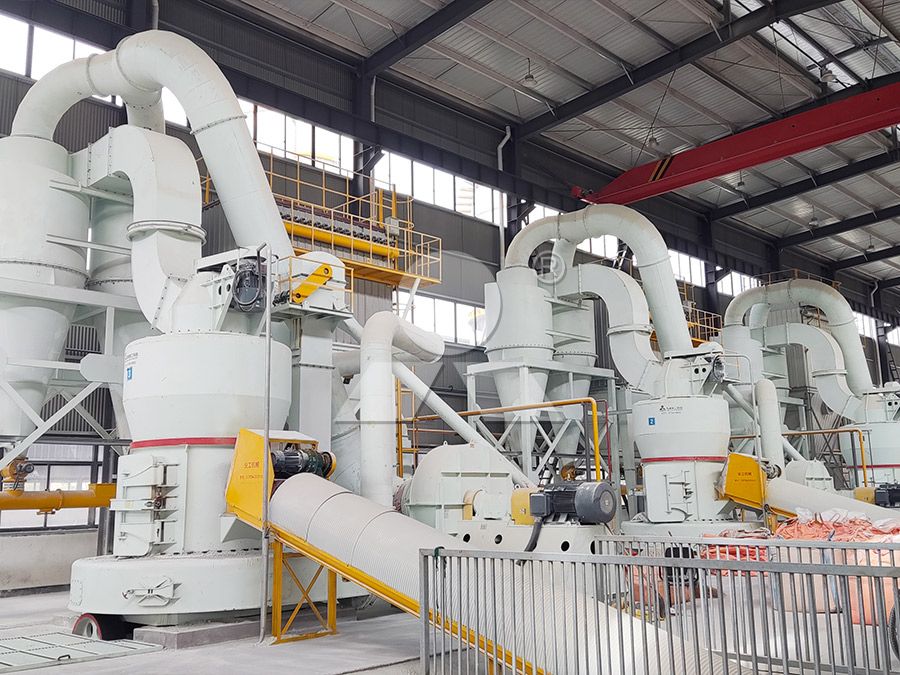
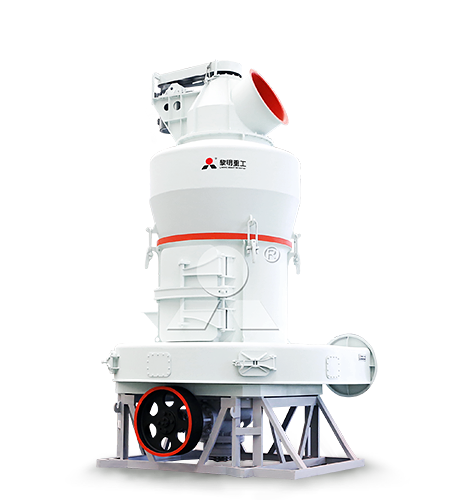
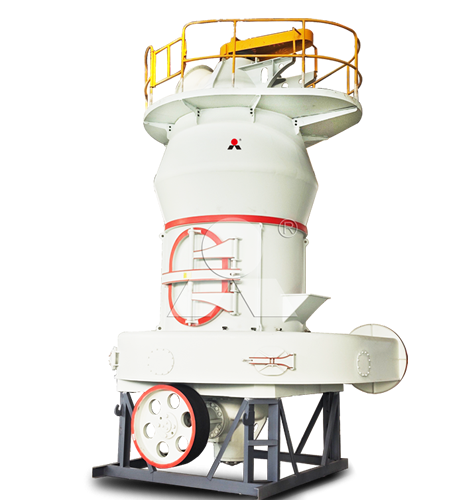
For the majority of ceramic manufacturers in Malaysia, the MTW European Type Trapezium Mill is the "sweet spot" of grinding technology. This is not your grandfather's Raymond Mill. The MTW was specifically designed to address the inefficiencies of older pendulum mills that were prone to high vibration and frequent maintenance downtime.
_1761296107304.jpg)
Why does this matter for kaolin? Kaolin is relatively soft, but it requires a very specific "delamination" during the grinding process to maintain its crystalline structure and plasticity. The MTW utilizes a unique trapezium-shaped working surface and an internal thin-oil lubrication system. This allows the mill to run smoother and cooler, which is vital for maintaining the chemical integrity of the clay. Furthermore, the integrated high-efficiency cage separator ensures that "coarse powder" contamination is a thing of the past. If you need a reliable 325-mesh or 400-mesh filler for your slip house, the MTW provides the best price-to-performance ratio in the market today.
The LM Vertical Roller Mill: The Large-Scale Efficiency Leader
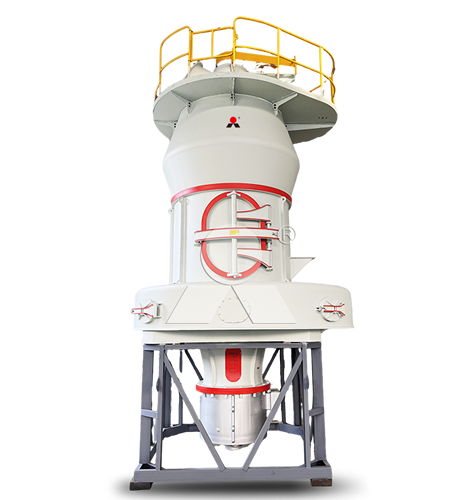
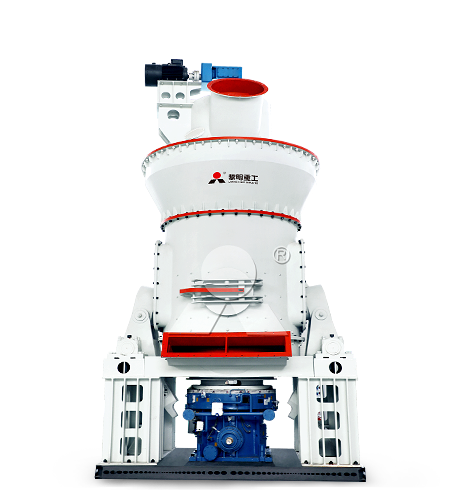
When we move into high-capacity production—the kind required for the large-scale tile factories in Negeri Sembilan—we have to talk about the LM Vertical Roller Mill. This machine is a marvel of integration. It combines crushing, drying, grinding, and classifying into a single vertical tower, drastically reducing the physical footprint of your processing plant.
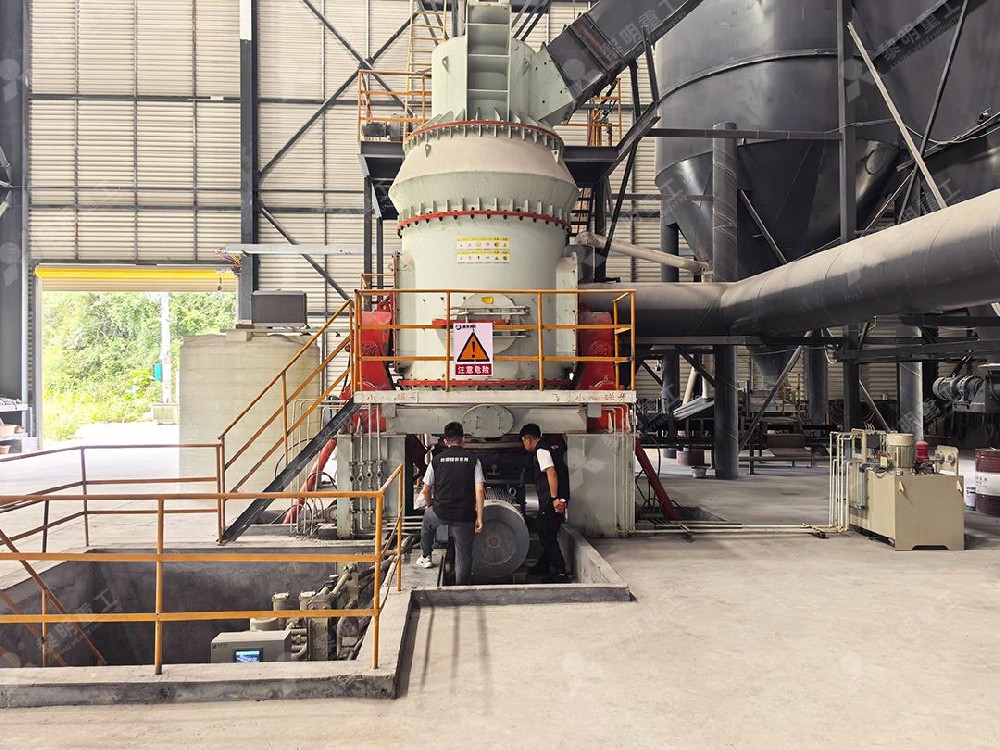
In Malaysia's humid climate, the moisture content of raw kaolin can be a headache. The LM Mill solves this with its superior drying capacity. By introducing hot air into the mill chamber, you can process raw clay with up to 15% moisture and turn it into bone-dry, ultra-fine powder in a single pass. From an operational standpoint, the LM Mill uses 30% to 50% less energy than a traditional ball mill. More importantly, because the grinding rollers do not make direct contact with the table (they grind against a material bed), the iron contamination is virtually zero. This ensures the fired whiteness of your ceramics stays at peak levels—a non-negotiable requirement for high-end porcelain.
The Liming Advantage in the Malaysian Landscape
Buying a mill is not just a transaction; it is a long-term technical partnership. At Liming Heavy Industry, we understand that Malaysian producers face unique challenges, from power cost fluctuations to specific local labor standards. Our machines are built with high-chrome alloy wear parts that are specifically hardened to handle the quartz impurities often found in raw kaolin ores.
We have also focused heavily on the "digital twin" of our machines. Our advanced PLC systems provide real-time data on throughput, pressure, and temperature. This allows your team to move from reactive maintenance to predictive maintenance, ensuring that your production schedule is never derailed by an unexpected breakdown. In a market where every cent per kilogram counts, Liming provides the technology to push your quality up and your costs down.
Frequently Asked Questions (FAQ)
1. Why is the MTW European Mill considered better for kaolin than a standard Raymond Mill?
The MTW features a bevel gear drive and a thin-oil lubrication system, which are much more efficient than the belt-drive and grease systems of older mills. It also uses a more advanced classifier that provides a tighter particle size distribution, which is critical for ceramic consistency.
2. Can the LM Vertical Mill produce ultra-fine powder above 800 mesh?
While the standard LM series is optimized for the 80-600 mesh range, we also offer the LUM series (Ultra-Fine Vertical Mill) which can reach fineness levels from 1,250 mesh up to 3,000 mesh for specialized coating applications.
3. How does the mill prevent iron contamination in the kaolin?
The LM Vertical Mill uses a "material bed" grinding principle where the rollers and table never actually touch. For the MTW, we use high-grade alloy parts that resist wear. We can also provide ceramic lining options for customers with the most stringent whiteness requirements.
4. Does the high humidity in Malaysia affect the mill's performance?
No. The LM Vertical Mill is designed with an integrated drying system. By regulating the temperature of the air entering the mill, we can handle varying levels of humidity and raw material moisture without affecting the final powder quality.
5. What is the typical maintenance schedule for a Liming mill in a ceramic plant?
Our thin-oil lubrication systems only require an oil change every few months, and the wear parts are designed for several thousand hours of operation. We also provide a hydraulic "flip-out" device on the LM series for extremely fast roller inspections.
_1761355701094.jpg)
6. Is it possible to see a Liming mill in operation within Malaysia?
Yes, we have a significant presence in Malaysia. We can arrange site visits to existing installations so you can see the machines working with local materials and speak with current operators.
7. How do you ensure the particle size remains consistent throughout a shift?
Our mills are equipped with automated PLC controls that monitor the air pressure and classifier speed. If the feed material changes slightly, the system automatically adjusts to maintain the target D90 or D97 specification.
8. What kind of power supply is required for these industrial mills?
We customize our motor configurations to match the Malaysian standard of 415V, 50Hz, 3-phase power. We also offer soft-start and VFD options to manage power surges and reduce peak demand charges.
9. How long does the installation and commissioning process take?
Generally, once the foundation is ready, installation and commissioning take between 3 to 5 weeks. Our engineers remain on-site until your staff is fully trained and the mill is hitting its target capacity.
10. Are spare parts stored locally in Malaysia?
We maintain a strategic warehouse of common wear parts and critical components within the region to ensure that downtime is kept to an absolute minimum for our Malaysian partners.
Related Industry News


Meet Liming Heavy Industry at the 140th Canton Fair 2026
2026-10-13

Liming Heavy Industry to Attend the 140th Canton Fair
2026-09-25
Liming Heavy Industry at bauma CONEXPO INDIA 2026 | Booth 5-C6
2026-09-07
Turnkey Raw Mill Cement Plant in Saudi Arabia: Design and Installation
2026-09-03
Cement Raw Mill Supplier in Indonesia: Cost and Configuration Analysis
2026-09-01
Complete Mineral Processing Solutions
Convenient Reliable Professional Efficient Get Your Quote
Please feel free to submit your inquiry information to us. We will contact with you as soon as possible.
Our team will contact you as soon as possible.