


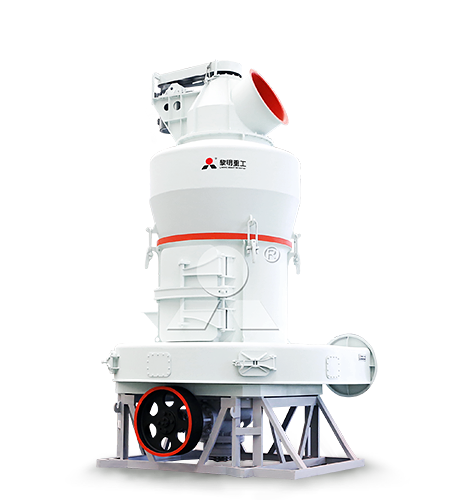
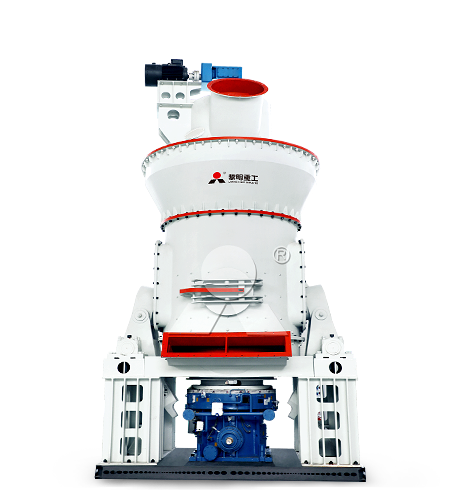
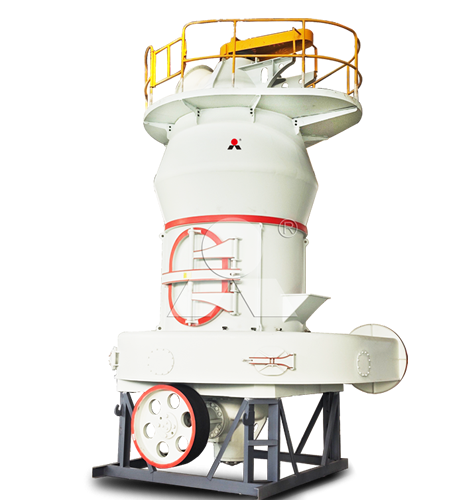
A well-built Raymond mill is more than just a grinding machine—it’s a system designed to deliver consistency, efficiency, and long-term durability. When evaluating equipment, here are the features that separate a high-quality mill from the rest.
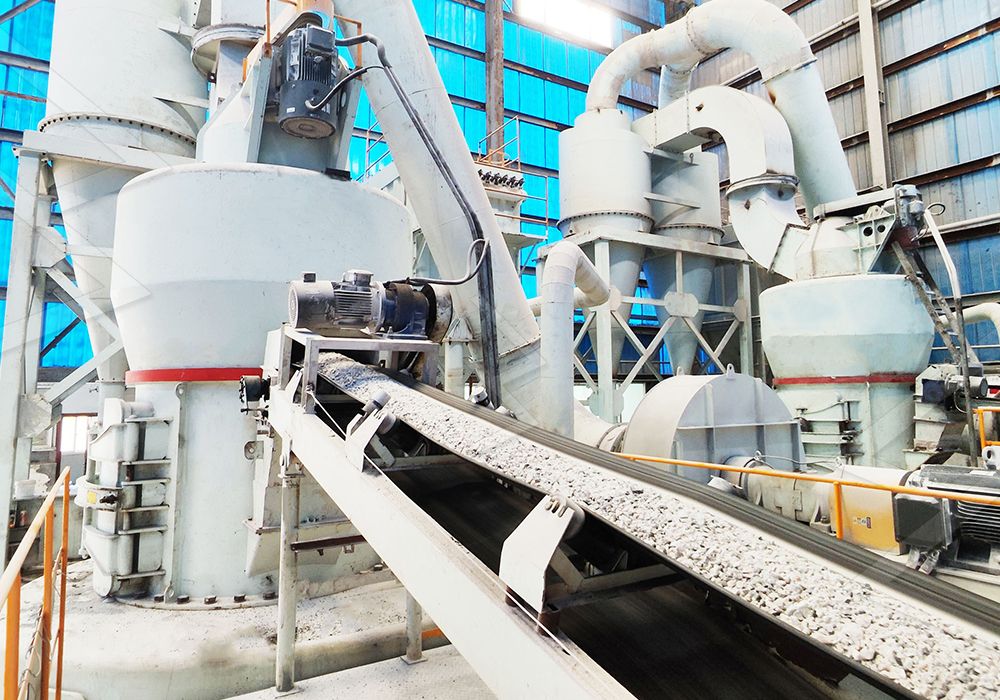
1. Durable Grinding Components
High-strength alloy rollers and grinding rings are engineered to withstand wear from abrasive materials. A precisely balanced assembly minimizes vibration, ensuring smoother and more stable operation.
2. Advanced Classification System
Equipped with a precision-adjustable classifier, a Raymond mill can produce powders in the 80–600 mesh range. Efficient airflow distribution maintains uniform fineness while reducing wasted energy.
3. Energy-Saving Performance
Thanks to an optimized grinding structure, Raymond mills typically consume 30% or more less power compared with conventional ball mills. Closed-loop circulation prevents excessive heat loss and further improves efficiency.
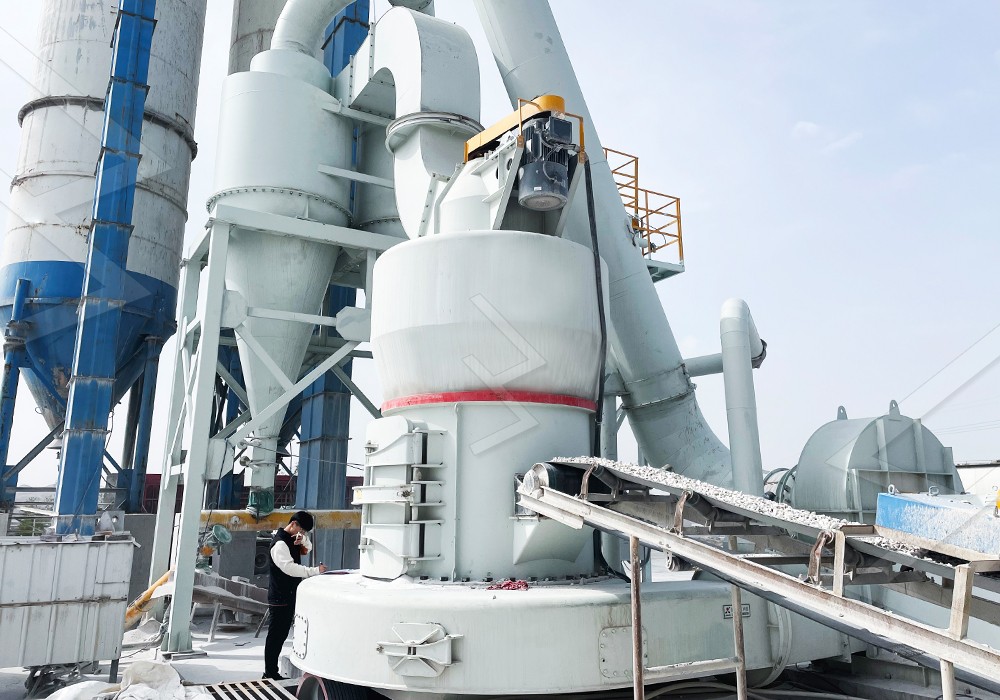
4. Intelligent Controls
Modern models often feature PLC systems that continuously monitor operating pressure, product fineness, and temperature. Automatic alarms and remote diagnostics make troubleshooting faster and less labor-intensive.
5. Environment-Friendly Operation
High-efficiency pulse dust collectors capture over 99% of fine particles, keeping emissions within regulatory limits. Low operating noise—generally under 75 dB—also ensures a safer, quieter workplace.
6. Low-Maintenance Engineering
A modular design allows quick replacement of wear parts such as blades and bearings. Centralized lubrication systems extend component life and simplify routine servicing.
7. Versatile Processing Capability
From soft minerals like calcium carbonate to harder materials such as quartz (Mohs hardness ≤7), a Raymond mill handles a broad range of raw materials. Certain configurations are even adapted for slightly moist feedstocks.
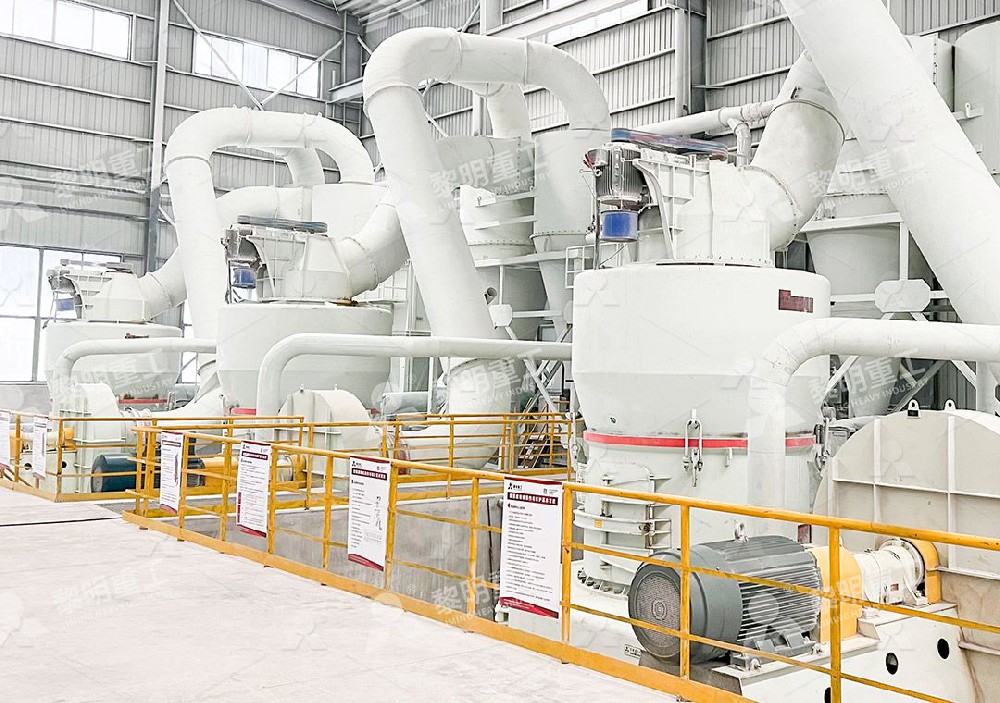
Bottom Line:
Selecting a raymond mill with these characteristics ensures higher output, lower energy costs, and stable product quality. When purchasing, look for certifications such as ISO and CE to confirm reliability and compliance.
Related Industry News


Liming Heavy Industry to Attend the 140th Canton Fair
2026-09-25

Liming Heavy Industry at bauma CONEXPO INDIA 2026 | Booth 5-C6
2026-09-07
Turnkey Raw Mill Cement Plant in Saudi Arabia: Design and Installation
2026-09-03
Cement Raw Mill Supplier in Indonesia: Cost and Configuration Analysis
2026-09-01
Liming Heavy Industry to Exhibit at the 24th Global Gypsum Conference & Exhibition in Turkey
2026-08-31
Complete Mineral Processing Solutions
Convenient Reliable Professional Efficient Get Your Quote
Please feel free to submit your inquiry information to us. We will contact with you as soon as possible.
Our team will contact you as soon as possible.