


Summary:
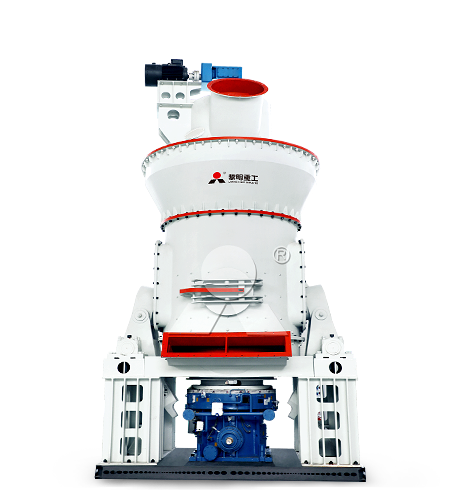
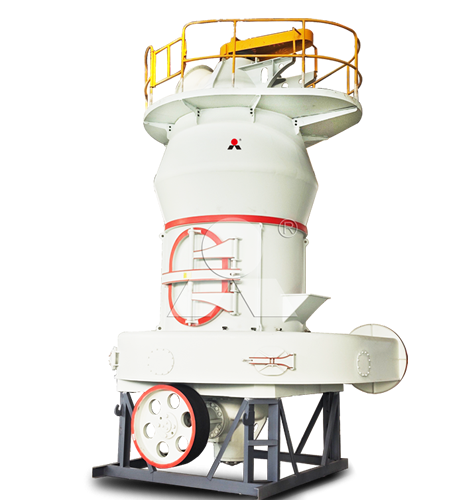
For 1 TPH talc at 800 mesh (≈15 μm, D97), ultrafine grinding is required. MW Micro Powder Mill or LUM Ultrafine Vertical Mill are suitable, with MW preferred for small-capacity, high-precision production.
Details:
Material Characteristics and Grinding Behavior
Talc has a Mohs hardness of 1, making it one of the softest industrial minerals. It is highly platy and exhibits good lubricity, which reduces grinding resistance but can affect classifier efficiency due to particle adhesion. Feed size is typically below 10–20 mm, and moisture should be kept under 2–3% to maintain stable airflow and avoid agglomeration.
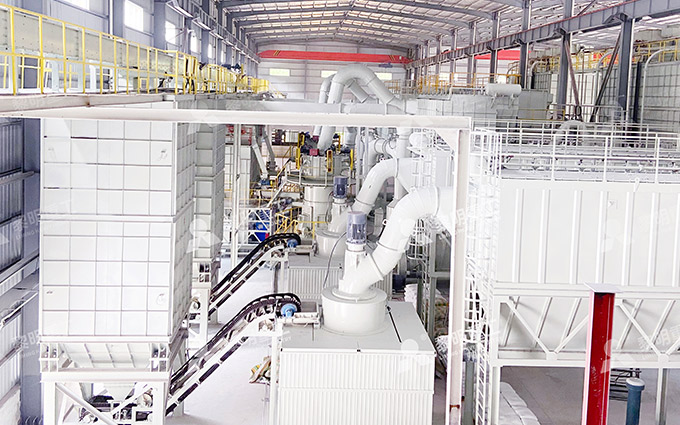
Mill Selection for 800 Mesh Production
800 mesh (D97) requires high classification accuracy rather than high grinding force. Standard Raymond mills are not suitable due to limited classifier performance. Recommended options include:
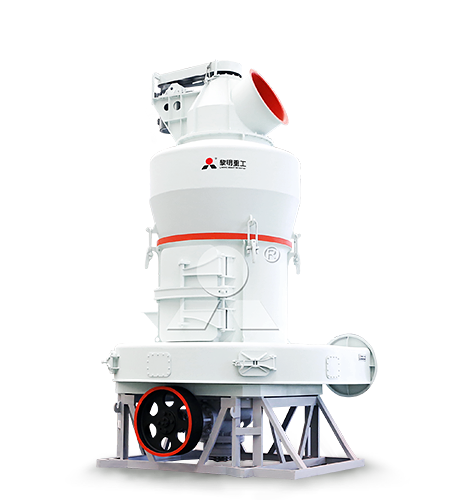
MW Micro Powder Mill: Designed for 600–2500 mesh; high-precision classification, suitable for 1 TPH capacity
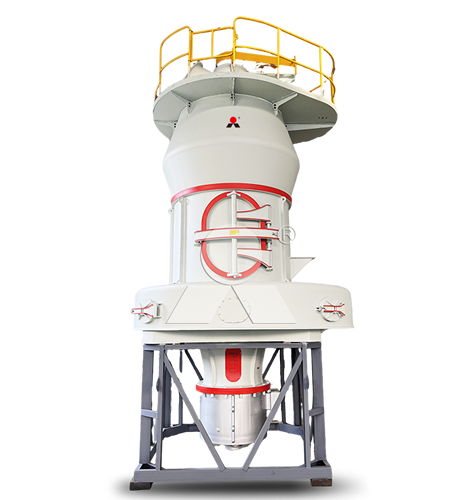
LUM Ultrafine Vertical Mill: Suitable for larger systems; stable operation but typically higher minimum capacity
Process Considerations
_1767929649018.jpg)
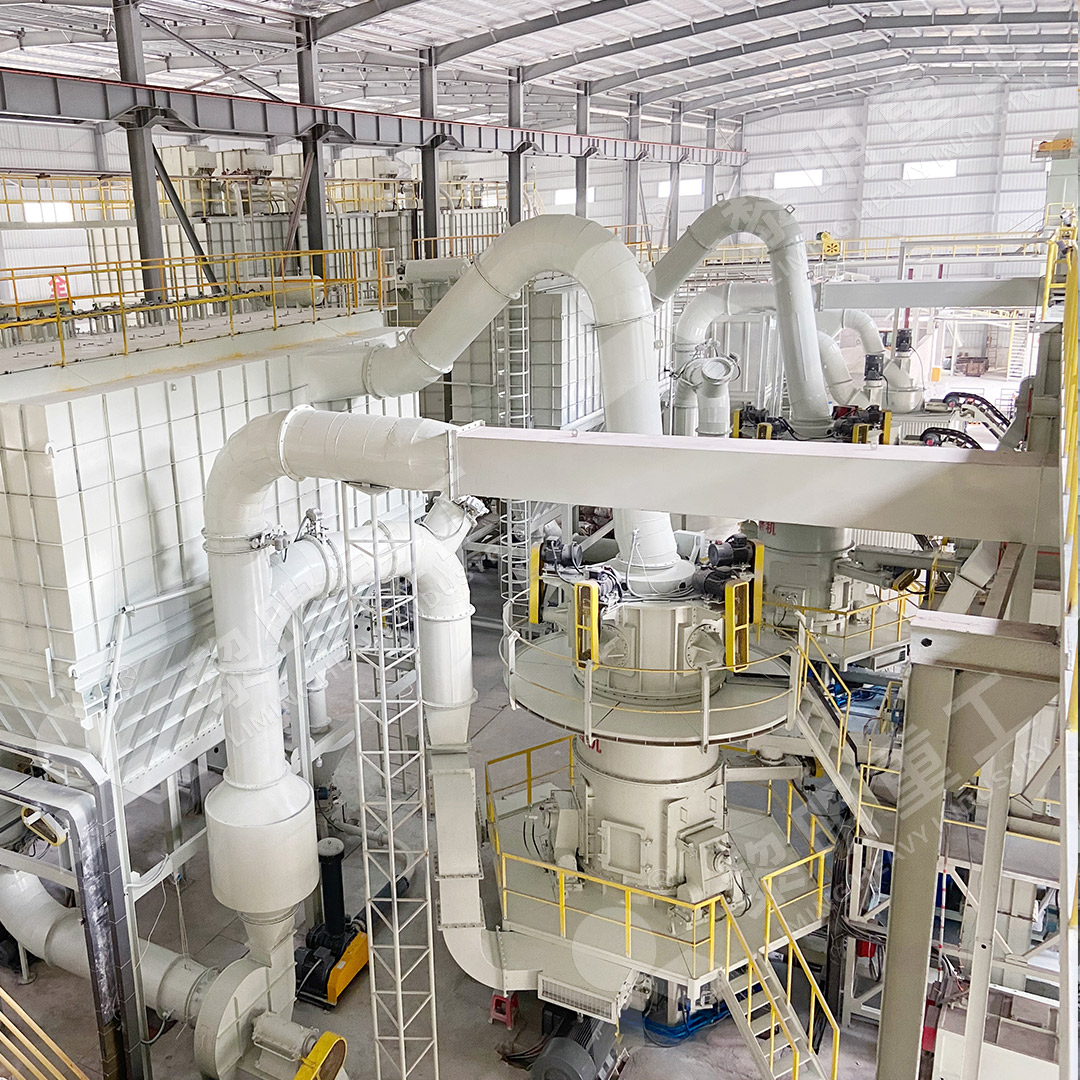
At 800 mesh, particle size control depends heavily on classifier rotor speed and airflow balance. Talc’s lamellar structure can lead to over-grinding if residence time is too long. MW mills use multi-stage classification to reduce coarse particle leakage and maintain D97 consistency.
Typical energy consumption ranges from 30–45 kWh/t depending on system configuration. Efficient dust collection is required due to the fine and lightweight nature of talc powder.
Practical Selection
For a 1 TPH project, MW Micro Powder Mill is generally the most practical choice due to its scalability and fine particle control. LUM Ultrafine Vertical Mill is more suitable when capacity requirements increase beyond small-scale production.
FAQ
Q1: Can Raymond mills produce 800 mesh talc?
No, they are typically limited to below 400 mesh.
Q2: What is the main challenge in talc grinding?
Maintaining stable classification due to platy particle shape.
Q3: Is drying required for talc?
Only if moisture exceeds 3%; otherwise dry grinding is sufficient.
Q4: Which mill is best for small capacity ultrafine production?
MW Micro Powder Mill.
Related FAQ


Meet Liming Heavy Industry at the 140th Canton Fair 2026
2026-10-13

Liming Heavy Industry to Attend the 140th Canton Fair
2026-09-25
Liming Heavy Industry at bauma CONEXPO INDIA 2026 | Booth 5-C6
2026-09-07
Turnkey Raw Mill Cement Plant in Saudi Arabia: Design and Installation
2026-09-03
Cement Raw Mill Supplier in Indonesia: Cost and Configuration Analysis
2026-09-01
Complete Mineral Processing Solutions
Convenient Reliable Professional Efficient Get Your Quote
Please feel free to submit your inquiry information to us. We will contact with you as soon as possible.
Our team will contact you as soon as possible.