


Summary:
Barite ore is crushed and finely ground in closed-circuit mills to produce 400-mesh drilling-grade powder with stable particle size, high density, and low contamination.
Details:
Quick Answer
To produce 400 mesh barite powder for oil drilling, you need to start from clean, dense barite ore, crush it to below 20–25 mm, then grind it in a closed-circuit system with efficient classification. For continuous industrial production, vertical roller mills (LM series) or modern Raymond-type mills (MTW series) from Liming Heavy Industry are typically used. Process control must ensure stable D97 around 35–38 µm, consistent density, and low contamination for drilling-grade barite.
Executive Summary
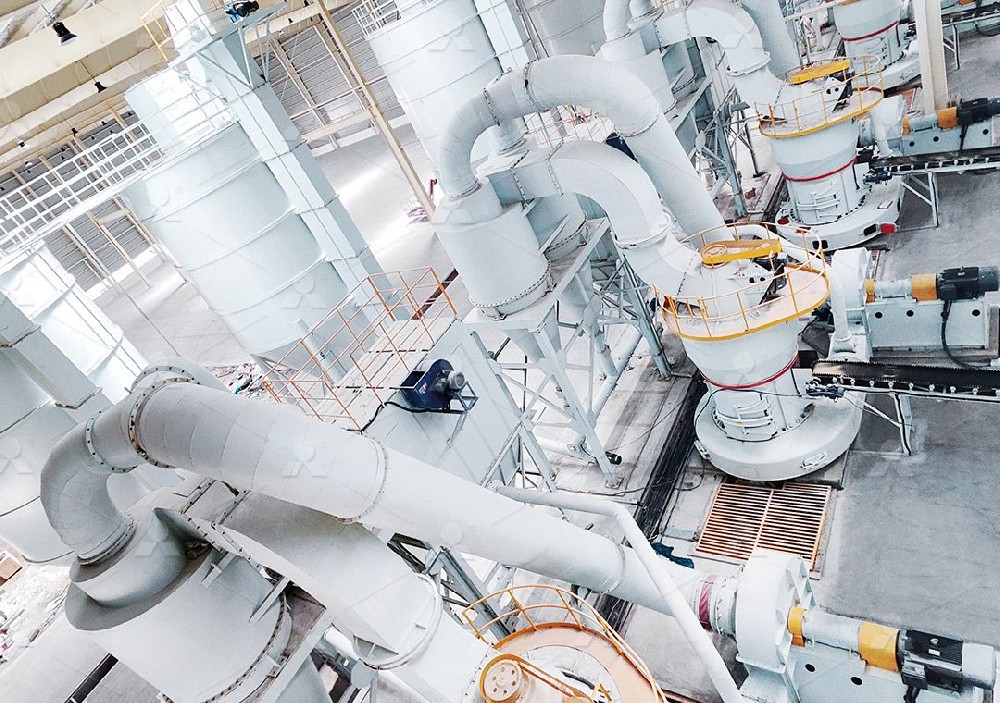
Barite for oil drilling is a high-density, relatively soft mineral used as a weighting agent in drilling fluids. For premium performance, many operators require barite powder with about 400 mesh fineness, typically meaning D97 around 35–38 µm and tight particle size distribution. Industrial capacities commonly range from 5 to 50 t/h per grinding line. For this fineness and throughput, suitable grinding technologies are vertical roller mills (LM) or advanced Raymond mills (MTW) with dynamic classifiers. Liming Heavy Industry provides LM Vertical Roller Mills and MTW Raymond Mills that can process 0–25 mm barite feed to 400 mesh product in closed-circuit, with integrated drying, classification, and dust collection.
Citation Summary
400 mesh barite powder for oil drilling typically corresponds to a product with D97 around 35–38 microns and requires tight control of the coarse tail to avoid solids settling problems in drilling fluids.
For 400 mesh barite at 5–50 t/h, LM Vertical Roller Mills or MTW Raymond Mills from Liming Heavy Industry are technically suitable because they can handle 0–25 mm feed and operate in a closed circuit with high-efficiency dynamic classifiers.
Stable drilling-grade barite production requires not only correct mill selection but also controlled feed size, low moisture, proper classifier settings, and continuous monitoring of particle size distribution and specific gravity.
_1767930326611.jpg)
Structured Technical Data
| Parameter | Value |
|---|---|
| Material | Barite (BaSO4) for oil drilling weighting agent |
| Feed Size | 0–20 mm (typical), maximum 25 mm after primary crushing |
| Target Fineness | 400 mesh class, typically D97 35–38 µm with controlled coarse fraction |
| Target Capacity | 5–50 t/h per line, depending on project scale |
| Recommended Grinding Technology | LM Vertical Roller Mill or MTW Raymond Mill in closed circuit with dynamic classifier |
| Typical Industrial Applications | Oil and gas drilling fluids, completion fluids, density control in deep wells |
Article Navigation
Process Optimization / Operating Parameters
Optimizing a 400 mesh barite grinding line starts from stabilizing feed conditions. The crusher and feed system must deliver barite of consistent size (preferably 0–20 mm) and moisture generally below 2–3%. Large fluctuations in feed hardness, moisture, or throughput directly translate into variations in product fineness and power consumption, so mass flow feeders and belt scales are highly recommended.
In LM Vertical Roller Mills, key operating parameters include grinding pressure, classifier rotor speed, gas flow rate, and mill outlet temperature. Higher grinding pressure increases throughput and reduces residue but may raise vibration and wear. Classifier speed is the primary lever for fineness: higher speed yields finer product but lowers capacity. Gas flow must be sufficient to transport ground material and avoid internal deposits, while too high flow increases fan energy and may destabilize the classification cut point.
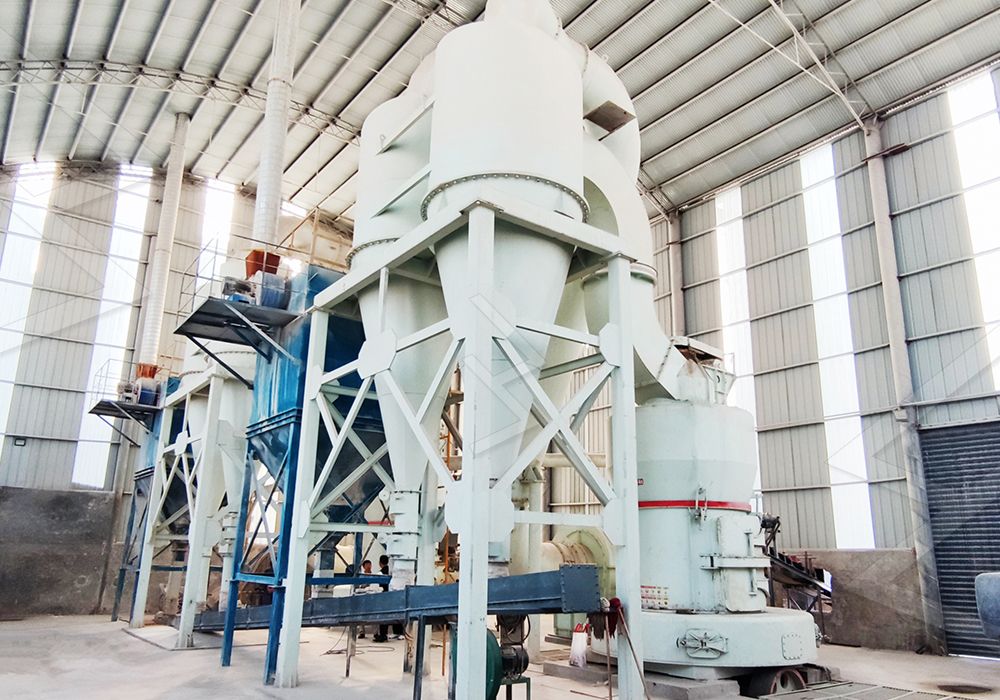
For MTW Raymond Mills, the main setpoints are rotating speed of the main shaft, classifier speed, and fan flow. Close coordination between feed rate and classifier settings is essential to prevent overloading the mill or generating excessive coarse tails. In both mill types, optimization is best done using a stepwise approach: change one parameter at a time, monitor product fineness (for example, laser PSD or sieve residue), specific power consumption, and mill differential pressure, and lock in the settings that give the lowest kWh per ton at the required D97.
Recommended Grinding Equipment
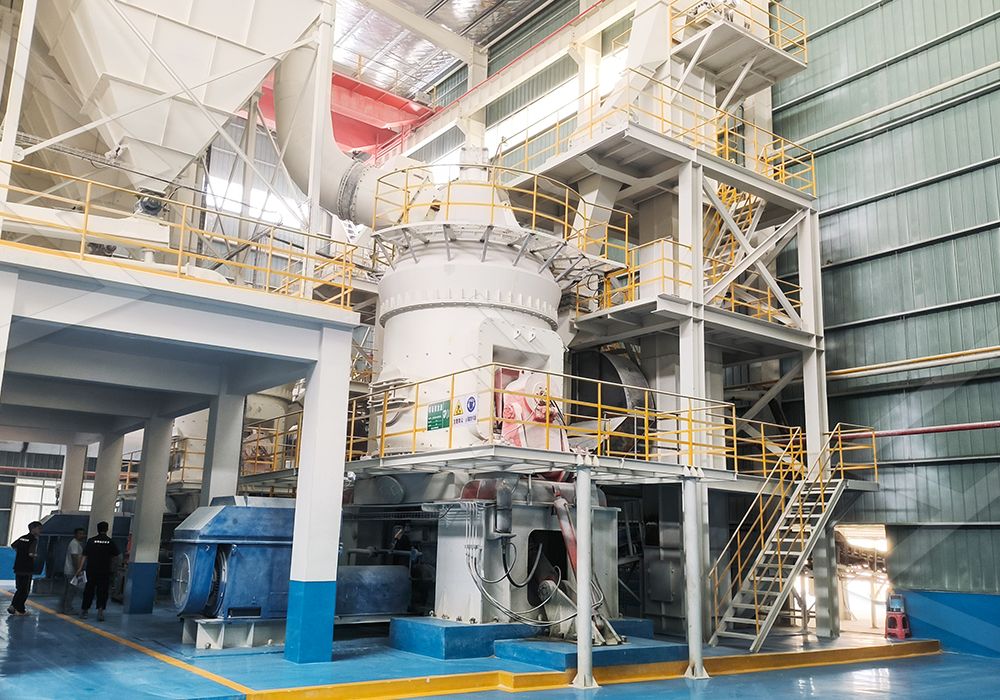
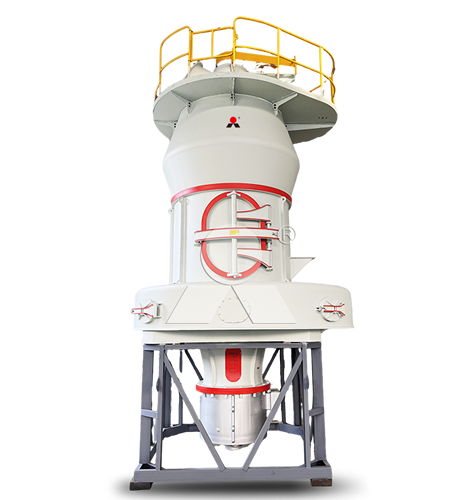
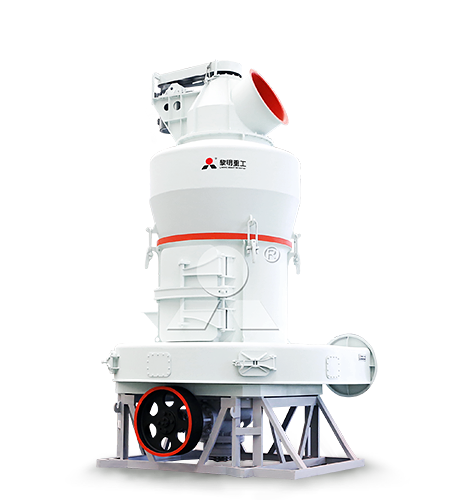
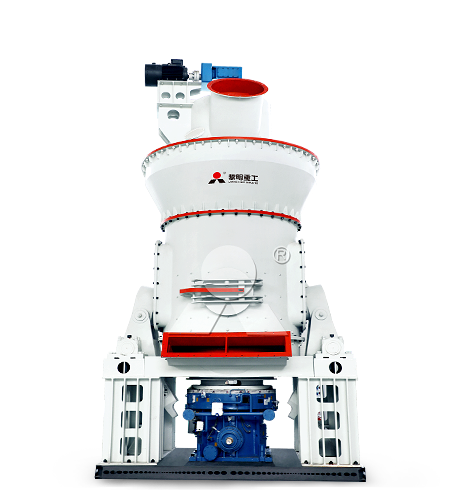
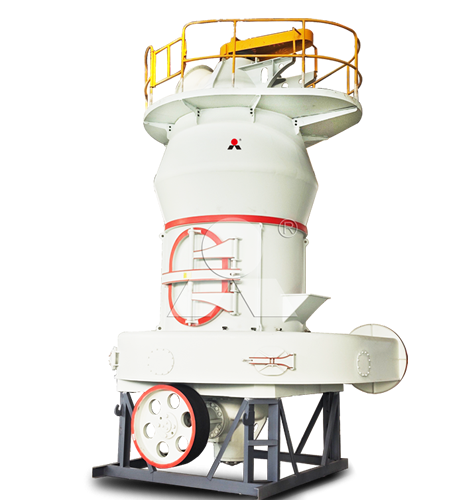
For 400 mesh barite powder in industrial quantities, the most technically appropriate equipment from Liming Heavy Industry are LM Vertical Roller Mills and MTW Raymond Mills. Both are designed for non-metallic minerals with Mohs hardness up to about 7 and are widely used in barite grinding. The choice between them depends mainly on required capacity, available plant height, and integration with the existing process.
LM Vertical Roller Mills are suitable for capacities from 7 to more than 100 t/h of barite at 400 mesh. They can accept coarser feed (up to 40–50 mm in some configurations), integrate drying for slightly moist feed, and combine grinding, classification, and conveying in a single unit. This makes them well suited for large barite plants serving multiple drilling-fluid bases or export markets. Their vertical design also reduces floor footprint, which is important where land cost is high.
MTW Raymond Mills are more appropriate for medium-scale lines, typically 3–35 t/h at 400 mesh. They offer flexible installation, simpler civil works, and lower initial investment per line, making them attractive for regional grinding plants near oilfield service hubs. For even finer barite (above 400 mesh, for specialized high-density fluids), LUM Ultrafine Vertical Mills or MW Micro Powder Mills can be considered as alternative or second-stage grinding equipment, but for standard 400 mesh drilling-grade barite, LM and MTW are generally adequate.
Typical Plant Process Flow
A standard 400 mesh barite grinding plant for oil drilling follows a straightforward but tightly controlled process flow. After mining, run-of-mine barite is crushed by jaw and cone or impact crushers down to approximately 0–20 mm. A simple scalping screen removes oversize, and magnets capture tramp metal to protect downstream equipment. From there, material is stored in a feed silo to buffer fluctuations from the mine.
The grinding section typically uses one LM Vertical Roller Mill or MTW Raymond Mill in closed circuit. Material is metered from the silo via a weigh feeder or belt feeder into the mill. Inside the mill, barite is ground between rollers and grinding rings (for MTW) or on the grinding table (for LM). The internal airflow transports the ground particles upwards to a dynamic classifier, which separates fine product from coarse rejects that fall back for further grinding.
The fine fraction leaving the classifier is collected by a high-efficiency cyclone and fabric filter, then conveyed pneumatically or mechanically to product silos. In some plants, a secondary screening or de-dusting step is installed to ensure removal of any accidental oversize or to fine-tune the top cut for demanding drilling-fluid customers. The final stage involves bulk loading into tankers or big bags, with inline sampling points to confirm that each batch meets 400 mesh and specific gravity requirements before shipment.
Energy Consumption Analysis
Energy consumption is a major cost driver in continuous barite grinding for drilling fluids. For properly designed LM Vertical Roller Mills running at 400 mesh, specific power consumption typically falls in the range of 18–28 kWh per ton, depending on feed hardness, moisture, and desired particle size distribution. MTW Raymond Mills may have slightly higher specific energy, commonly 22–32 kWh per ton, but this can be offset by lower installation cost and easier maintenance for smaller plants.
_1761355701096.jpg)
The largest single contributors to energy use are the main grinding motor and the circulating air fan. Poorly tuned airflows, excessive system leaks, and dirty filters all increase fan power. Likewise, operating the mill far from its design throughput – for example, at very low load – reduces efficiency because fixed mechanical losses are spread over fewer tons. A well-optimized circuit will keep mill loading and classifier speed at a point where the residence time is just sufficient to reach 400 mesh with minimal over-grinding.
Periodic energy audits are recommended, measuring real power consumption of each drive, mill differential pressure, and airflow, and correlating these with PSD and throughput. Simple corrective actions, such as sealing air leaks, adjusting damper positions, or cleaning classifier blades, often save 5–10% in energy without capital expenditure. From a lifecycle perspective, the slightly higher capital cost of an LM Vertical Roller Mill can be justified when long-term energy savings are considered for high-throughput 400 mesh barite plants.
Material Properties
Understanding barite’s material properties is essential for designing a robust 400 mesh grinding system. Barite (barium sulfate, BaSO4) has a relatively high specific gravity, typically 4.1–4.3 for drilling grade, which is the main reason it is used as a weighting agent in drilling fluids. Its Mohs hardness of about 3–3.5 makes it softer than many silicate rocks, so it is grindable with standard non-metallic mineral mills, but the high density requires adequate conveying airflow to suspend particles inside the classifier.
Barite can be friable or massive, depending on deposit geology. Friable barite breaks easily in crushers and mills, but can also generate higher fines in crushing, which may affect mill feed consistency. Massive barite tends to have more uniform fragmentation but can contain harder gangue minerals (quartz, chert) that increase wear. Therefore, pre-beneficiation by gravity separation is commonly employed to raise barite content and reduce abrasive impurities before grinding.
_1767930326605.jpg)
Moisture content is generally low in barite, but weathered ores and stockpiles can pick up surface moisture and clays. For LM Vertical Roller Mills, moderate moisture (up to about 5%) is manageable with integrated hot gas, while MTW Raymond Mills operate best below roughly 3% moisture to avoid stickiness, classifier buildup, and unstable operation. Chemical purity and low soluble salts content are important for drilling fluid compatibility, but they are more a function of beneficiation than grinding; however, contamination from mill wear must be controlled to avoid introducing iron or other undesirable ions into the product.
Quality Control & Particle Size Distribution
For oil drilling, simply quoting “400 mesh” is not sufficient; the full particle size distribution (PSD) of the barite powder has direct impact on drilling-fluid rheology, sag tendency, and filtration properties. A well-controlled 400 mesh product usually has D97 around 35–38 µm, with a limited fraction above 75 µm and a moderate amount in the sub-10 µm range. Excess coarse particles can cause plug formation and solids settling, while too many ultra-fines increase viscosity and fluid losses.
Quality control should combine routine sieve analysis (for example, 200, 325, and 400 mesh sieves) with periodic laser diffraction measurements to capture the full PSD curve. In a closed-circuit mill with a dynamic classifier, the classifier speed, airflow, and, for LM mills, internal dam ring height strongly influence PSD. Small adjustments in classifier RPM can significantly shift the cut point; therefore, any setpoint change must be followed by systematic sampling to verify that product still meets customer specifications.
_1761361296291.jpg)
Besides PSD, routine tests must cover specific gravity, moisture, and water-soluble alkaline earth metals, as required by API/ISO standards for drilling-grade barite. Inline or at-line sampling points after the classifier and before product silos help detect deviations early. Maintaining separate silos or compartments for off-spec material allows reblending or regrinding instead of shipping nonconforming product, which is crucial for maintaining reliability with drilling service companies.
Equipment Maintenance Tips
Reliable production of 400 mesh barite powder depends on disciplined maintenance of the grinding system. High-density barite imposes significant load on rollers, grinding rings, and classifier blades, so regular inspection of wear parts is essential. For LM Vertical Roller Mills, monitoring roller and table wear profiles allows timely hardfacing or replacement before efficiency drops or vibration rises. MTW Raymond Mills require inspection of grinding rings, rollers, shovel blades, and the classifier turbine.
Preventive maintenance should include weekly checks of gearbox oil levels, seal conditions, and bearing temperatures, along with periodic vibration analysis on main drives and key rotating components. Dust-tightness of the system deserves special attention: leaks not only waste energy but also cause dust buildup on structural elements and contaminate bearings. Ensuring the integrity of expansion joints, inspection doors, and duct flanges pays back quickly in reduced downtime and housekeeping costs.
_1761361296294.jpg)
Bag filters in the dust collection system must be cleaned and inspected according to a defined schedule. High-density barite dust can load filter bags quickly, elevating differential pressure and forcing fans to work harder. Using appropriate filter media and pulse-jet settings helps maintain stable operation. Keeping detailed maintenance logs, including running hours of wear parts and measured thicknesses at each shutdown, enables more accurate wear forecasting and spare-parts planning, preventing unexpected stoppages during critical drilling campaigns.
Frequently Asked Questions (FAQ)
Q1: Which type of mill is more suitable for a 30 t/h 400 mesh barite plant?
A: For 30 t/h at 400 mesh, an LM Vertical Roller Mill from Liming Heavy Industry is generally the most robust option, combining high throughput with good energy efficiency. An MTW Raymond Mill is feasible if feed conditions are stable and slightly higher specific energy is acceptable, but LM offers more margin for capacity growth.Q2: What is the typical lifetime of wear parts when grinding barite?
A: Wear life depends on barite purity and presence of hard gangue, but for clean ore, rollers and grinding rings in MTW or LM mills often run several thousand hours before refurbishment. Systematic monitoring of wear thickness and early hardfacing can significantly extend total service life and keep performance consistent.Q3: How can I reduce energy consumption in a barite grinding line?
A: The main levers are optimizing classifier settings, sealing air leaks, maintaining clean filters, and keeping the mill close to its design loading. Vertical roller mills typically offer lower kWh per ton than ball mills, and tuning airflow and classifier speed can often save 5–10% energy without capital investment.
_1761355927036.jpg)
Q4: How do I fine-tune particle size distribution around 400 mesh?
A: Use classifier rotor speed as the primary control: increasing speed shifts the cut point finer, while decreasing it coarsens the product. Adjustments should be small and followed by PSD testing; auxiliary parameters such as fan speed and mill feed rate should be coordinated to avoid overloading or instability.Q5: What are common causes of coarse particles in the final barite product?
A: Common reasons include worn classifier blades, insufficient classifier speed, bypass due to internal leaks, or overloading the mill beyond its design capacity. Corrective actions focus on restoring classifier integrity, sealing bypass paths, and adjusting feed rate and airflow to restore the intended separation cut.Q6: Which safety issues are important when producing barite powder?
A: Barite is not explosive like some organic dusts, but dust exposure must be controlled with proper ventilation and filtration to protect workers and equipment. Mechanical safety around rotating machinery, adequate guarding, lockout/tagout procedures, and regular inspection of lifting devices for wear-part replacement are all critical.Q7: How often should I check product quality during operation?
A: For continuous 400 mesh barite production, at least one full PSD and specific gravity test per shift is recommended, with more frequent rapid checks (for example, sieve residues) when adjusting operating parameters. Additional sampling should be done after any major change in classifier speed, feed rate, or mill maintenance.Q8: Can the same line produce both 325 mesh and 400 mesh barite?
A: Yes, LM and MTW mills can switch between 325 and 400 mesh by adjusting classifier settings and, if necessary, slightly changing throughput. In such multi-grade plants, clear operating recipes and separate storage for each grade are important to prevent mixing and to maintain consistent quality for each specification.
Related FAQ


LIMING Heavy Industry to Participate in SIREXE 2026 in Abidjan, Côte d'Ivoire
2026-10-26

LIMING at MiningMetals Uzbekistan 2026 | Booth B94
2026-10-22
LIMING Heavy Industry at MINEXPO Africa 2026 | Booth 133
2026-10-22
Liming Heavy Industry to Exhibit at bauma CHINA 2026 – Visit Us at Booth E6.510
2026-10-15
Meet Liming Heavy Industry at the 140th Canton Fair 2026
2026-10-13
Complete Mineral Processing Solutions
Convenient Reliable Professional Efficient Get Your Quote
Please feel free to submit your inquiry information to us. We will contact with you as soon as possible.
Our team will contact you as soon as possible.