


Quicklime powder is a finely ground form of quicklime, produced after limestone has been calcined and the resulting quicklime has been cooled, crushed when necessary, and ground to the required particle size. It is widely used in flue gas desulfurization, construction materials, chemical processing, mineral processing, water treatment, and other industrial applications.
Unlike hydrated lime, quicklime powder is not produced by adding water to quicklime. Its production focuses on preparing cooled quicklime into a controlled and consistent powder suitable for the intended application.
What Is Quicklime Powder?
Quicklime is produced by heating limestone in a lime kiln at a controlled temperature. During calcination, carbon dioxide is released and calcium oxide remains as the main product. After leaving the kiln, the quicklime must be properly cooled before further handling and grinding.
When cooled quicklime is processed into a fine and uniform powder, the result is commonly referred to as quicklime powder or powdered quicklime. Its properties depend on the quality of the original limestone, calcination conditions, cooling process, grinding method, and final particle-size requirements.
Quicklime powder can be produced in different fineness ranges. Coarser products may be suitable for applications where rapid handling and reaction are required, while finer powders can provide a larger contact area and more controlled reaction performance in processes such as flue gas desulfurization.
How Is Quicklime Powder Produced?
The grinding stage does not begin with raw limestone. A quicklime powder plant normally starts with cooled quicklime from an existing lime kiln or with purchased quicklime supplied in suitable lump sizes.
Cooled quicklime receiving: Cooled quicklime is transferred from the kiln area or receiving station to the storage and feeding section.
Size preparation: Oversized lumps can be reduced before grinding when required by the selected mill and production system.
Controlled feeding: A stable feeding system delivers quicklime continuously to the grinding equipment.
Grinding: The quicklime is ground to the required powder fineness.
Classification: The grinding system separates fine qualified powder from coarse particles that require further grinding.
Powder collection: The finished powder is separated from the conveying air and collected through the powder collection system.
Storage and delivery: Finished quicklime powder is transferred to enclosed storage and can then be supplied in bulk or packed into bags.
The actual configuration depends on the quicklime characteristics, required capacity, feed size, target fineness, storage method, and final application.
Why Grinding Is Important for Quicklime
Quicklime does not have to be ground to the same fineness for every application. The required particle size should be determined by the downstream process rather than by grinding as fine as possible.
For industrial users, consistent particle-size distribution is particularly important. An appropriately designed grinding and classification system can help produce a stable powder with controlled fineness while avoiding unnecessary over-grinding.
In flue gas desulfurization, for example, quicklime powder may be used as a reactive material. The required fineness can vary according to the desulfurization process, equipment configuration, reaction conditions, and operating requirements. A grinding system therefore needs to provide reliable control of the finished powder rather than simply maximizing grinding fineness.
Quicklime Powder Production Process: What Equipment Is Needed?
A complete quicklime powder production system normally includes more than the grinding mill itself. Depending on the plant design, the main sections can include quicklime storage, feeding equipment, conveying equipment, a grinding mill, classifier, dust collection equipment, finished-product storage, and packing or bulk-loading equipment.
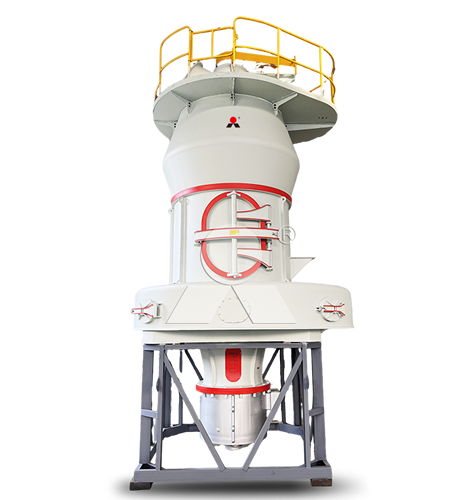
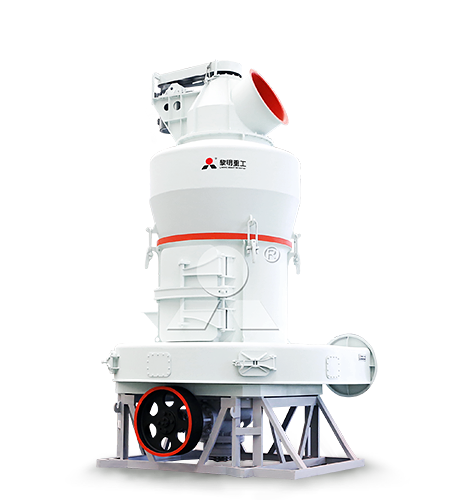
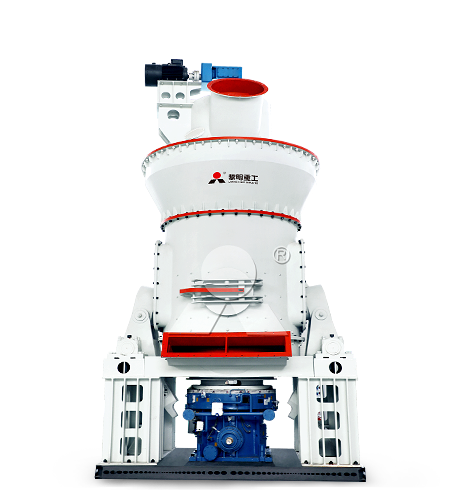
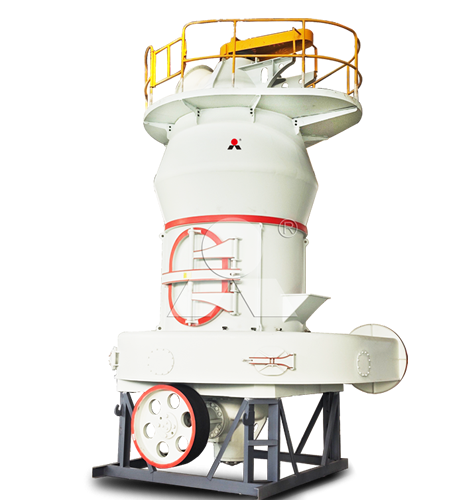
For larger production requirements, an integrated vertical grinding system can simplify the process layout. Liming Heavy Industry's LM Vertical Mill is designed for large-scale mineral and industrial powder production and can integrate grinding, classification and conveying within the grinding system.
For quicklime applications requiring a suitable fineness within the mill's operating range, the LM Vertical Mill can be configured according to the required capacity, feed characteristics and finished-product specifications. The final equipment selection should be based on actual quicklime properties and the customer's process requirements.
What Affects Quicklime Grinding Performance?
Several factors should be considered before selecting a quicklime grinding system.
Quicklime Quality
The quality of quicklime entering the grinding plant directly affects operation. Different limestone sources and kiln conditions can produce quicklime with different hardness, porosity, reactivity and lump characteristics.
Feed Size
The size of the cooled quicklime determines whether pre-crushing or additional size preparation is necessary. A controlled feed size helps maintain stable mill operation.
Required Fineness
The target powder size should be established from the final application. A requirement such as 200 mesh, for example, is different from an ultrafine powder requirement, and the grinding and classification system must be selected accordingly.
Production Capacity
Capacity is normally expressed as the amount of finished powder produced per hour. A plant designed for continuous large-scale production requires a different grinding configuration from a small batch-oriented operation.
Moisture and Handling Conditions
Quicklime can react with moisture, so storage, conveying and feeding arrangements should be designed to limit unwanted exposure to water and humid air. Enclosed material handling is particularly useful for maintaining stable plant operation and reducing dust emissions.
Quicklime Powder for Flue Gas Desulfurization
Flue gas desulfurization is one of the important applications for processed lime products. In suitable systems, quicklime is prepared as a controlled powder and introduced into the desulfurization process to react with sulfur-containing components in flue gas.
The appropriate quicklime fineness depends on the specific desulfurization technology and operating conditions. For this reason, a grinding plant should be designed around the required finished-product specifications rather than using a single standard fineness for every project.
For projects requiring large quantities of quicklime powder, an LM Vertical Mill grinding system can be considered when its capacity and fineness range match the project requirements.
Quicklime Powder vs. Hydrated Lime
Quicklime powder and hydrated lime are related lime products, but they are produced differently and should not be treated as interchangeable materials in every application.
Quicklime powder is produced by grinding cooled quicklime. Hydrated lime is produced through a controlled hydration process in which quicklime reacts with water. Their physical properties, handling requirements and applications can therefore differ.
When planning a powder production plant, it is important to first confirm whether the required product is quicklime powder or hydrated lime. This distinction affects the process design and equipment configuration.
Designing a Quicklime Powder Plant
A practical plant design should begin with the material and finished-product requirements. Important project information includes the source and quality of the quicklime, maximum feed size, required production capacity, target fineness, intended application, storage method and preferred finished-product delivery method.
Once these conditions are established, the grinding system can be configured around the actual process. Storage and conveying should also be considered together with the mill, because stable feeding and reliable finished-powder collection are essential to continuous production.
For a large-scale quicklime grinding project, Liming Heavy Industry can configure an LM Vertical Mill-based grinding system according to the required material characteristics, capacity and product fineness. The final configuration should be determined from the specific project conditions.
From Cooled Quicklime to Finished Powder
Quicklime powder production is essentially a controlled preparation process that starts with cooled quicklime and ends with a consistent finished powder. Receiving, size preparation, feeding, grinding, classification, collection, storage and final delivery all contribute to the performance of the complete system.
With the right grinding equipment and properly matched process configuration, cooled quicklime can be efficiently processed into powder for applications such as flue gas desulfurization, chemical processing and other industrial uses. For projects requiring a reliable large-scale grinding solution, the Liming Heavy Industry LM Vertical Mill provides a dedicated option for quicklime powder production.
Related Quicklime Powder Production Line


Liming Heavy Industry to Attend the 140th Canton Fair
2026-09-25

Liming Heavy Industry at bauma CONEXPO INDIA 2026 | Booth 5-C6
2026-09-07
Turnkey Raw Mill Cement Plant in Saudi Arabia: Design and Installation
2026-09-03
Cement Raw Mill Supplier in Indonesia: Cost and Configuration Analysis
2026-09-01
Liming Heavy Industry to Exhibit at the 24th Global Gypsum Conference & Exhibition in Turkey
2026-08-31
Complete Mineral Processing Solutions
Convenient Reliable Professional Efficient Get Your Quote
Please feel free to submit your inquiry information to us. We will contact with you as soon as possible.
Our team will contact you as soon as possible.