


Quicklime powder production begins after limestone has been calcined and the resulting quicklime has been cooled. At this stage, the material is primarily calcium oxide (CaO), usually available as lumps of different sizes. To make it suitable for applications such as flue gas desulfurization, chemical processing, mineral processing and other industrial uses, the cooled quicklime can be processed into a controlled powder through crushing, feeding, grinding, classification and collection.
The grinding process is different from limestone processing. The raw material entering the grinding plant is already calcined quicklime, so the main objective is to reduce the cooled CaO to the required particle size while maintaining stable feeding, grinding and powder collection.
1. Cooled Quicklime Receiving
The process starts with cooled quicklime discharged from an existing lime kiln system or supplied from an external source. Before the grinding plant is designed, the characteristics of the material should be checked, including lump size, bulk density, moisture condition and general material properties.
Proper cooling is particularly important. Quicklime should be sufficiently cooled before entering the grinding and conveying system. Storage and transfer equipment should also protect the material from unnecessary contact with moisture.
2. Quicklime Storage and Feed Preparation
After receiving, the cooled quicklime is normally transferred to a storage bin or hopper. The storage section provides a buffer between the upstream lime production process and the grinding system, helping maintain a continuous supply of material.
If the received quicklime contains oversized lumps, a suitable crushing or size-reduction stage can be installed before the mill. The purpose is to provide a feed condition compatible with the selected grinding equipment and to maintain stable operation.
3. Controlled Feeding to the Grinding Mill
Consistent feeding is an important part of quicklime powder production. An unstable feed can cause fluctuations in mill loading and finished-product output.
For a continuous grinding plant, the feeding system should be matched to the required capacity of the mill. Enclosed conveyors and feeders can also help control dust during material transfer and reduce exposure of quicklime to humid air.
4. Grinding Cooled Quicklime into CaO Powder
The prepared quicklime is then sent to the grinding mill, where the CaO lumps are reduced to the required powder size.
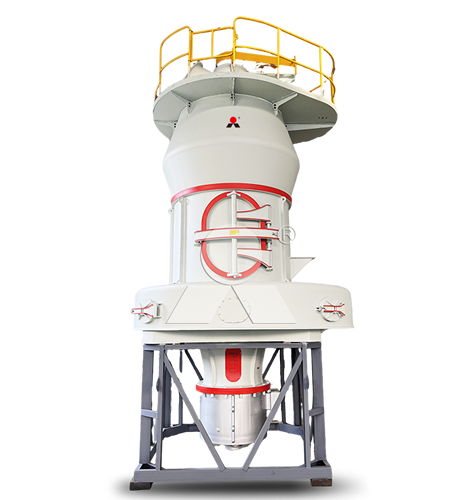
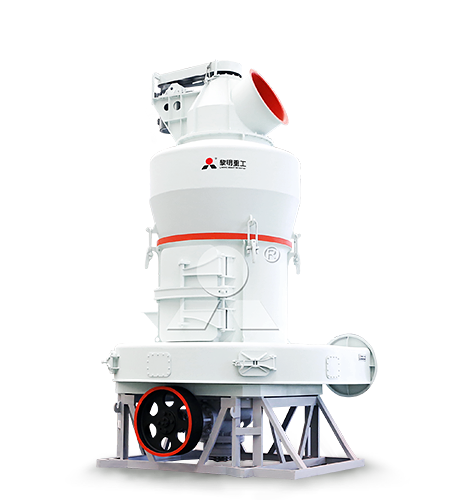
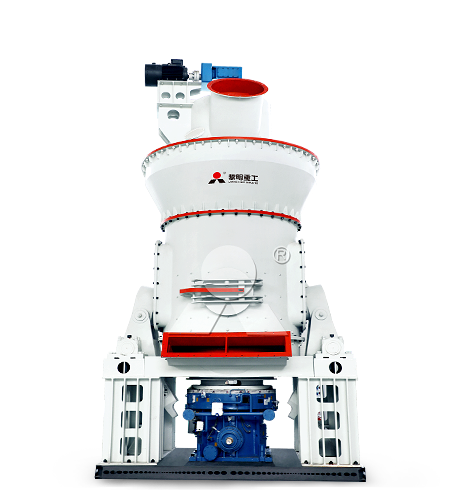
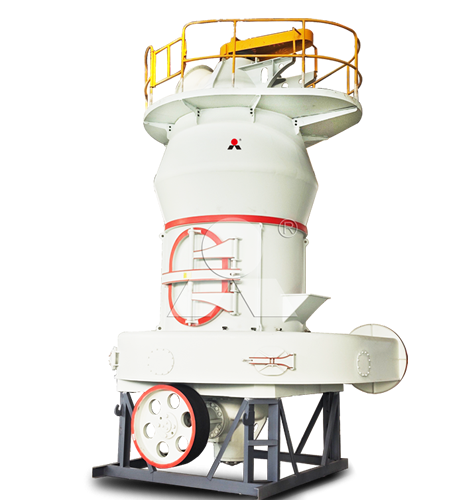
For large-scale quicklime grinding, the Liming Heavy Industry LM Vertical Mill provides an integrated grinding solution. Material is fed into the mill, ground under controlled operating conditions and then carried with the process airflow toward the classification section.
The required fineness should be determined by the final application. A quicklime powder used for flue gas desulfurization may require a different particle-size specification from CaO powder used in chemical processing or other industrial processes.
5. Classification Controls the Finished Powder
Grinding alone does not determine the final product size. A classifier separates particles according to the required fineness, allowing qualified fine powder to continue to the collection system while coarser particles return to the grinding zone.
This closed grinding and classification process helps maintain a more consistent finished product. It also reduces unnecessary over-grinding, which is important when the production target is a specific powder specification rather than maximum fineness.
6. Powder Collection
After classification, the qualified quicklime powder is transported to the collection section. A dust collection system separates the finished powder from the conveying air and transfers it to the product handling system.
Enclosed powder collection is especially useful for quicklime because it helps reduce dust dispersion and provides a cleaner material-handling environment. The collected CaO powder can then be conveyed to finished-product storage.
7. Finished CaO Powder Storage
Finished quicklime powder is generally stored in enclosed silos or other suitable storage equipment. The storage system should be selected according to production capacity, dispatch frequency and the customer's preferred handling method.
Because quicklime reacts with moisture, storage conditions are an important part of the overall process. Properly enclosed storage helps maintain product quality during the period between grinding and final use or shipment.
8. Bulk Loading or Bag Packing
Depending on the application and logistics requirements, finished CaO powder can be supplied through bulk loading systems or packed into bags.
Large industrial consumers may prefer bulk delivery, while smaller quantities can be handled through valve bags or jumbo bags. The packing and loading section should therefore be designed together with the finished-product storage system.
Typical Quicklime Powder Flow
A typical production route can be summarized as:
Cooled Quicklime → Storage → Size Preparation → Controlled Feeding → Grinding → Classification → Powder Collection → Finished CaO Storage → Bulk Loading or Packing
The actual arrangement does not have to be identical for every project. Some plants may require pre-crushing, while others can feed the cooled quicklime directly to the grinding system. The final configuration depends on feed size, production capacity, target fineness and the requirements of the downstream application.
What Determines the Required CaO Powder Fineness?
There is no single fineness specification suitable for every quicklime application. The target particle size should be selected according to how the powder will be used.
For example, quicklime powder for flue gas desulfurization may be specified according to the reaction requirements of the particular process. Other applications may require a different particle-size distribution to achieve the desired handling, mixing or reaction characteristics.
Therefore, the grinding system should be selected only after confirming the required finished-product specification rather than choosing equipment based on capacity alone.
Why Use an LM Vertical Mill for Quicklime Powder?
For projects requiring continuous and relatively large-scale CaO powder production, an integrated vertical grinding system can simplify the plant layout. The Liming Heavy Industry LM Vertical Mill combines grinding and classification within the mill system and can be integrated with feeding, conveying and powder collection equipment.
The mill configuration can be matched to the characteristics of the cooled quicklime, required production capacity and target powder fineness. This makes it suitable for projects where stable production of controlled quicklime powder is required.
From Cooled Lime to Finished CaO Powder
Quicklime powder production is not simply a matter of putting lime lumps into a grinding mill. A reliable plant needs to coordinate material receiving, storage, feed preparation, controlled feeding, grinding, classification, powder collection and finished-product handling.
Once these sections are properly matched, cooled quicklime can be efficiently processed into a consistent CaO powder for downstream applications. For large-scale projects, the Liming Heavy Industry LM Vertical Mill can serve as the core grinding equipment in a complete quicklime powder production system.
Related Quicklime Powder Production Line


Liming Heavy Industry to Attend the 140th Canton Fair
2026-09-25

Liming Heavy Industry at bauma CONEXPO INDIA 2026 | Booth 5-C6
2026-09-07
Turnkey Raw Mill Cement Plant in Saudi Arabia: Design and Installation
2026-09-03
Cement Raw Mill Supplier in Indonesia: Cost and Configuration Analysis
2026-09-01
Liming Heavy Industry to Exhibit at the 24th Global Gypsum Conference & Exhibition in Turkey
2026-08-31
Complete Mineral Processing Solutions
Convenient Reliable Professional Efficient Get Your Quote
Please feel free to submit your inquiry information to us. We will contact with you as soon as possible.
Our team will contact you as soon as possible.