


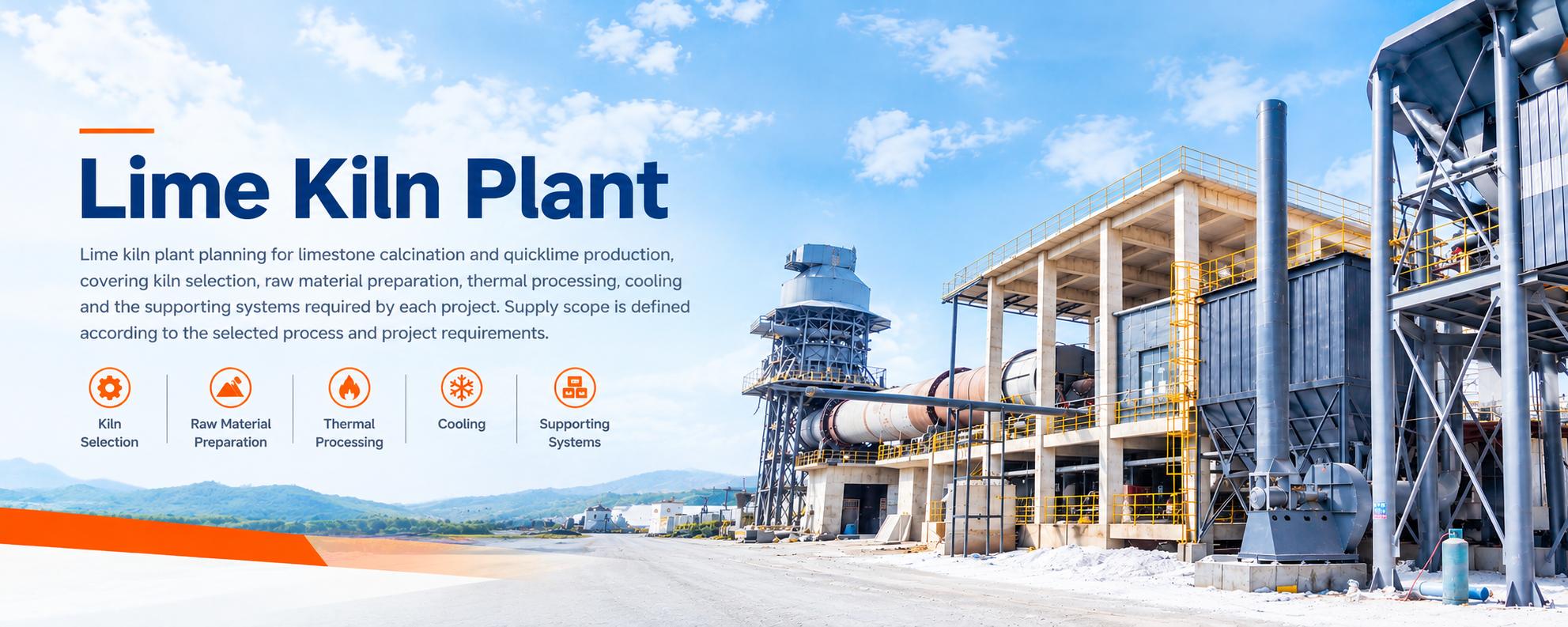
A quicklime cooling system removes heat from freshly calcined lime and, where the process arrangement allows, recovers that heat as preheated combustion air. Cooling therefore serves two connected purposes: preparing quicklime for downstream handling and keeping useful thermal energy inside the production process. In a rotary lime kiln installation, the cooler is a separate process stage; in a shaft kiln, cooling takes place in the lower section before discharge.
Cooling should not be treated as an accessory added after kiln selection. Its capacity, airflow, and material-discharge arrangement must match the kiln output and the requirements of the equipment receiving the lime.
Where Does the Heat Go?
Freshly burned quicklime carries heat out of the calcination zone. If that energy is lost to the surroundings, the plant loses an opportunity to reuse it. An air-cooled heat-recovery system transfers part of this heat from the quicklime to an incoming air stream.
The heated air can then serve as combustion air for the kiln. This links product cooling directly to kiln operation: the cooler lowers the product temperature while supplying useful heat to the firing system. Direct-contact lime coolers use this principle to combine product cooling with combustion-air preheating.
The objective is controlled heat recovery—not simply the largest possible cooling-air flow. The cooling duty and the kiln’s combustion-air requirements need to be evaluated together.
Three Reasons Cooling Deserves Attention
It Makes Downstream Handling Possible
The kiln discharge is too hot to send directly into many ordinary material-handling systems. A properly selected cooler lowers the lime temperature to the range required by the receiving equipment. For example, some stationary lime-cooler arrangements are designed to cool the product sufficiently for subsequent rubber-belt conveying. That capability is specific to the equipment and operating conditions, not a universal guarantee for every cooler.
The cooling specification should identify the temperature limits of conveyors, feeders, storage equipment, and any downstream mill. Designing around those limits is more useful than adopting a general discharge-temperature figure without checking what follows the cooler.
It Recovers Energy That Would Otherwise Be Lost
Cooling and combustion are thermally connected. Heat transferred from the lime to combustion air remains available to the process instead of leaving with the finished product. Effective heat exchange can therefore improve the kiln system’s overall thermal performance.
When comparing proposals, distinguish between a cooler that mainly rejects heat and a cooling arrangement that returns useful heat to the kiln. Both can lower product temperature, but their effect on the plant’s energy balance is different.
It Provides a More Predictable Feed to the Next Stage
A stable average temperature is not enough if individual discharge points deliver significantly hotter material. Industrial lime coolers may use separate discharge-temperature measurements and controlled material withdrawal to improve cooling uniformity.
For the plant operator, this means product distribution and discharge control deserve as much attention as total cooling-air volume. A cooler should deliver a consistently manageable product, not alternate between acceptable discharge and hot surges.
How Cooling Fits Different Lime Kiln Arrangements
| Kiln Arrangement | Cooling Location | Main Integration Question |
|---|---|---|
| Conventional vertical shaft lime kiln | Within the lower kiln section, before product discharge. | How do cooling air and discharge control interact with the material bed and kiln operation? |
| Rotary lime kiln | In a cooler receiving material from the kiln discharge. | How are the cooler, combustion-air return, and downstream handling system matched? |
| Twin-shaft lime kiln | Within the integrated shaft cooling and discharge arrangement. | How is cooling coordinated with the selected kiln’s airflow and operating cycle? |
For a Liming Heavy Industry lime production project, request a cooling description as part of the proposed vertical shaft kiln, rotary lime kiln, or twin-shaft lime kiln configuration. Confirm the supply boundaries rather than assuming that every proposal includes the same cooling equipment, fans, controls, and product-handling connections.
What Determines Cooling Performance?
Actual Lime Throughput
Specify the normal and maximum quantity of hot quicklime entering the cooling stage. The cooler must accommodate the required operating duty, not only a nominal daily average.
Also describe expected production changes and discharge fluctuations. A system that performs well under steady conditions still needs an approved procedure for handling interruptions and restarts.
Material Distribution and Residence Time
Cooling requires contact between air and hot lime. In a bed-type cooler, both airflow distribution and controlled material withdrawal influence that contact. Some shaft-cooler arrangements regulate material flow according to cooled-product temperature to support effective heat exchange.
During commissioning, check whether the lime is moving through the cooler as intended. Uneven discharge should be investigated rather than compensated for indefinitely by changing the overall airflow.
Cooling Air and Heat-Recovery Conditions
The air system must meet the cooling duty while remaining compatible with the kiln. Heat-recovery coolers can be designed around the secondary combustion-air requirement, demonstrating why cooler airflow should be considered within the complete firing system.
Ask the supplier to identify the design airflow, fan duty, control method, and conditions under which the stated cooling and heat-recovery performance apply.
Defined Inlet and Outlet Conditions
A meaningful performance commitment needs a stated basis. Include the hot-lime inlet conditions, throughput, particle-size characteristics, ambient design conditions, and required discharge temperature.
Also define where the outlet temperature will be measured. A reading at one convenient location may not establish that all material entering the next machine meets its temperature limit.
Cooling Quicklime Is Not the Same as Hydrating It
Quicklime must be protected from unintended contact with water. Water causes hydration, releasing heat and producing expansion that can create safety hazards. Moisture exclusion is therefore important during cooling-system discharge, conveying, and storage.
Do not use uncontrolled water spraying onto quicklime as a substitute for a properly designed cooling stage. If hydrated lime is the required product, water addition belongs in a separate, controlled hydration process.
Storage and handling arrangements should address rain entry, water leaks, and other unintended moisture sources. A lower discharge temperature does not remove quicklime’s chemical reactivity with water.
Investigating Hot or Uneven Product Discharge
When cooler performance changes, compare the current operating conditions with the design basis before making adjustments.
| Observation | Checks to Make |
|---|---|
| The entire discharge becomes hotter. | Compare lime throughput and inlet conditions with the approved duty; verify airflow, fan operation, and temperature measurements. |
| One discharge point is hotter than the others. | Inspect local airflow, material distribution, withdrawal settings, and the relevant temperature instrument. |
| Hot material appears intermittently. | Review kiln discharge fluctuations, cooler material level, and the timing of discharge equipment. |
| Product cooling appears acceptable, but kiln operation changes. | Review recovered-air conditions and the interaction between cooler airflow and combustion control. |
Carry out inspections and adjustments under the plant’s approved procedures. Hot quicklime, moving equipment, and pressurized air systems require appropriate isolation and protection.
Cooling Before Quicklime Grinding
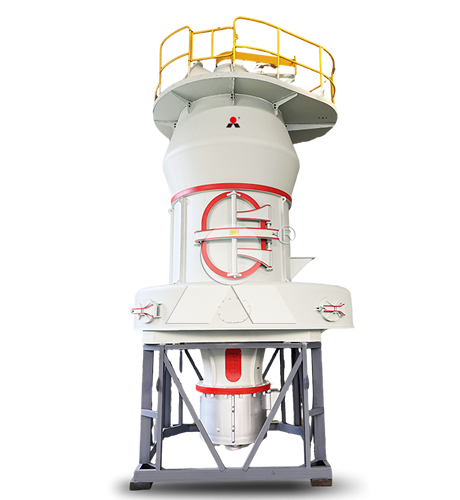
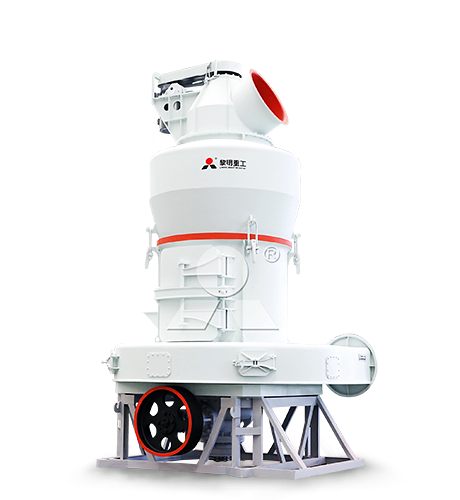
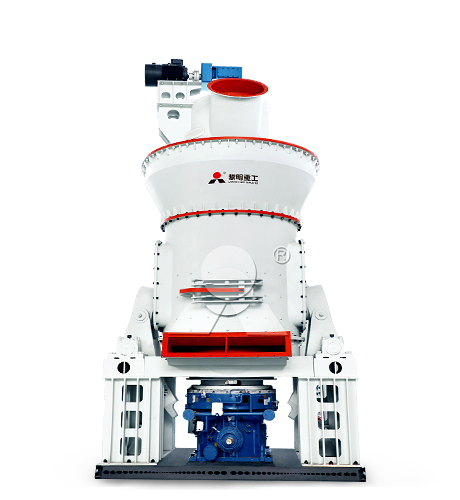
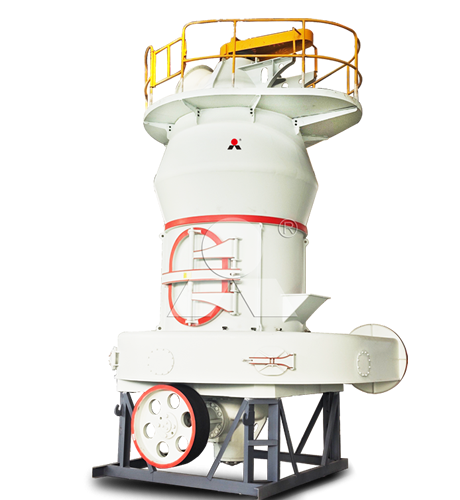
If the production line includes quicklime powder, define the mill’s permitted feed temperature before finalizing the cooling system. A Liming Heavy Industry grinding mill should be evaluated against the actual cooled feed, required fineness, throughput, and downstream collection arrangement.
The mill should not be expected to absorb an unspecified cooling duty. Keeping cooling and grinding responsibilities clear helps establish measurable performance requirements for both stages.
Cooling also cannot correct incomplete calcination or reverse excessive burning. Its role is to remove and recover heat after the kiln has produced the required quicklime.
What to Include in the Cooling-System Specification
Normal and maximum quicklime throughput.
Expected hot-lime inlet conditions and size distribution.
Required discharge temperature and measurement locations.
Design ambient conditions.
The proposed heat-recovery and combustion-air connection.
Fan, control, instrumentation, and maintenance requirements.
Temperature limits for conveying, storage, and grinding equipment.
The performance-test conditions and acceptance procedure.
A well-integrated cooling system connects the kiln’s thermal process with the plant’s material-handling requirements. It recovers useful heat, delivers quicklime within the specified temperature range, and gives downstream equipment a clearly defined operating duty.
Related Lime Kiln Plant


LIMING Heavy Industry to Participate in SIREXE 2026 in Abidjan, Côte d'Ivoire
2026-10-26

LIMING at MiningMetals Uzbekistan 2026 | Booth B94
2026-10-22
LIMING Heavy Industry at MINEXPO Africa 2026 | Booth 133
2026-10-22
Liming Heavy Industry to Exhibit at bauma CHINA 2026 – Visit Us at Booth E6.510
2026-10-15
Meet Liming Heavy Industry at the 140th Canton Fair 2026
2026-10-13
Complete Mineral Processing Solutions
Convenient Reliable Professional Efficient Get Your Quote
Please feel free to submit your inquiry information to us. We will contact with you as soon as possible.
Our team will contact you as soon as possible.