


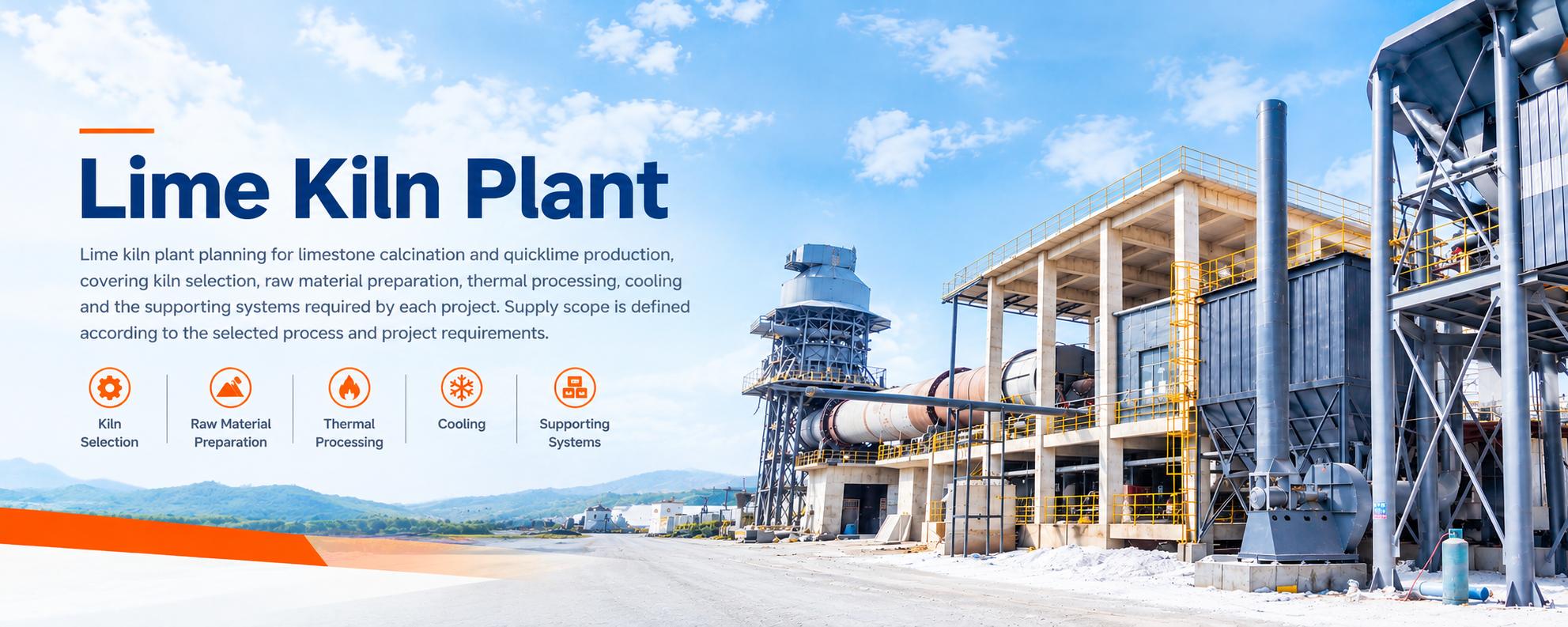
Choose a lime kiln by matching the available limestone, required quicklime quality, production capacity, and fuel supply to a suitable calcination system. Then compare the complete installed cost and expected operating cost under the same project conditions. A kiln that offers an attractive purchase price may not be the most economical choice if it rejects too much quarry material, consumes more fuel, or produces lime outside the customer’s specification.
For most projects, the main comparison involves a conventional vertical shaft kiln, a rotary lime kiln, and a twin-shaft regenerative lime kiln. These designs differ in material movement, combustion arrangement, and heat recovery. Parallel-flow regenerative twin-shaft kilns are particularly associated with efficient heat recovery and soft-burned lime production, while conventional shaft kiln performance depends strongly on the specific firing arrangement.
Begin with Three Questions That Can Change the Entire Project
What Limestone Can the Quarry Supply Consistently?
Assess the limestone that will actually reach the plant—not only a carefully selected sample. Chemical composition, particle-size distribution, moisture, and handling behavior should be documented across representative deliveries.
Particle size can be especially influential. Rotary kilns may accommodate smaller limestone fractions more readily than conventional lump-feed shaft kilns, but every proposed kiln still needs a defined feed specification. A wider acceptable feed range does not mean that unscreened or highly variable material can be fed without consequences.
Request an acceptable feed-size range for each proposed design and compare it with the quarry’s actual screened output. This reveals whether additional preparation is required and how much material may need another outlet.
What Does the Customer Mean by Acceptable Quicklime?
“High-quality quicklime” is not a sufficient purchasing specification. Define the properties that determine whether the customer can use the product:
Available lime content and the agreed analytical method.
Permitted residual carbonate or other indicators of incomplete calcination.
Reactivity, including the test procedure and acceptance limits.
Limits for magnesium, sulfur, and other relevant constituents.
Required delivery size and permitted fines.
The required burning condition matters. Soft-burned lime and more heavily burned lime are not interchangeable in every application. Different shaft-kiln combustion arrangements are associated with different burning characteristics, so the description “vertical kiln” alone does not establish the product it will produce.
Which Fuels Are Reliably Available?
Evaluate the fuel supply before finalizing the kiln. Record its physical form, heating value, moisture, ash, sulfur, delivery pressure where relevant, and expected variation.
Some regenerative kiln systems can be configured for gaseous, liquid, or pulverized solid fuels. That does not mean a particular installation can switch freely between them. Fuel preparation, delivery equipment, burners, and control systems must match the approved fuel conditions.
Build a Shortlist Around the Plant’s Strongest Constraints
| Project Condition | Kiln Option to Evaluate | Question to Resolve Before Selection |
|---|---|---|
| Consistent lump limestone is available, and the project favors a vertical process arrangement. | Conventional vertical shaft lime kiln. | Can the proposed firing and material-distribution system meet the required lime quality? |
| The quarry produces a significant smaller-size fraction that the plant needs to utilize. | Rotary lime kiln with a suitable feed and heat-recovery arrangement. | What proportion of the actual quarry output falls within the guaranteed feed specification? |
| Reactive lime and low thermal consumption are major priorities, with a stable screened feed. | Parallel-flow regenerative twin-shaft lime kiln. | Can the limestone supply, fuel system, and operating controls support stable regenerative operation? |
| Fuel quality is variable or an unconventional fuel is proposed. | Only kiln configurations with a compatible, verified combustion system. | What fuel limits apply to capacity, consumption, emissions, and product guarantees? |
This shortlist is a starting point, not a universal ranking. Smaller-feed utilization can favor a rotary kiln, while regenerative heat recovery can favor a twin-shaft design. The final comparison must use the same raw-material analysis, product specification, and operating assumptions.
Compare Complete Systems, Not Kiln Shells
A quicklime plant requires more than the calcination vessel. Depending on the selected process and supply scope, the installation may also require feed storage, weighing and charging equipment, a preheater, cooling equipment, fuel preparation, fans, dust collection, product handling, electrical systems, and controls.
For a Liming Heavy Industry project, request proposals that clearly identify the boundaries of supply for each vertical shaft kiln, rotary lime kiln, or twin-shaft lime kiln configuration under consideration.
The comparison should answer four practical questions:
Which equipment and services are included in the quoted price?
Which civil works, utilities, and installation activities remain the buyer’s responsibility?
Which upstream and downstream conditions must be met for the kiln to achieve its stated performance?
Which performance figures are guaranteed, and which are preliminary estimates?
This prevents an apparently lower-priced proposal from being compared with another proposal that includes substantially more equipment or services.
Turn the Capacity Target into an Operating Requirement
A daily output figure is useful only when its basis is clear. Specify whether the requirement refers to total discharged lime or saleable product meeting the agreed quality and size limits.
Also define the expected operating schedule, planned maintenance periods, and demand pattern. A plant supplying a steady customer has different scheduling needs from one facing large seasonal changes.
Ask each supplier to state:
The rated output under the specified limestone and fuel conditions.
The normal operating range and minimum stable load.
Expected product quality across that operating range.
Startup, shutdown, and restart requirements.
Maintenance activities that interrupt production.
Do not assume that a larger kiln will operate equally well at every lower production rate. The proposed operating range should match the plant’s expected demand rather than only its most optimistic sales forecast.
Look Beyond Fuel Consumption When Comparing Cost
Thermal consumption is important, and regenerative twin-shaft kilns can offer a substantial heat-recovery advantage. However, published consumption figures describe particular kiln arrangements and operating conditions; they should not be treated as unconditional project guarantees.
Use saleable quicklime as the basis for the economic comparison. Review the following cost groups together:
Raw-material utilization
Account for feed preparation, rejected size fractions, handling losses, and the value of alternative outlets for unused stone.
Energy and utilities
Include fuel, electricity, fuel preparation, fans, conveying, and other process services within a clearly defined plant boundary.
Maintenance and availability
Review refractory work, wear parts, inspections, spare-parts availability, and production interruptions.
Product acceptance
Include the consequences of off-specification lime, excessive fines, and inconsistent deliveries.
Installed investment
Compare equipment, foundations, structures, utilities, installation, commissioning, and required environmental controls.
Decide Whether Grinding Belongs in the Initial Plant
If customers require lump quicklime, a grinding mill may not be necessary. If they require quicklime powder, downstream milling should be included in the process brief from the beginning.
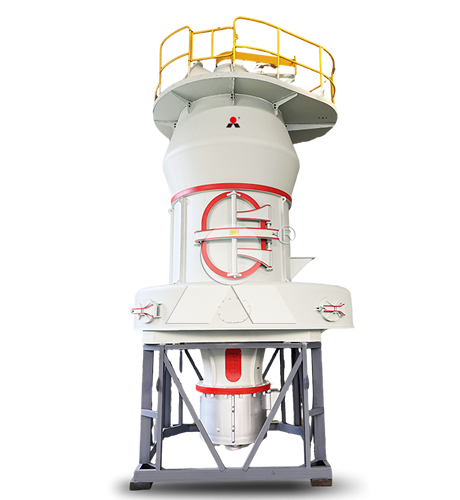
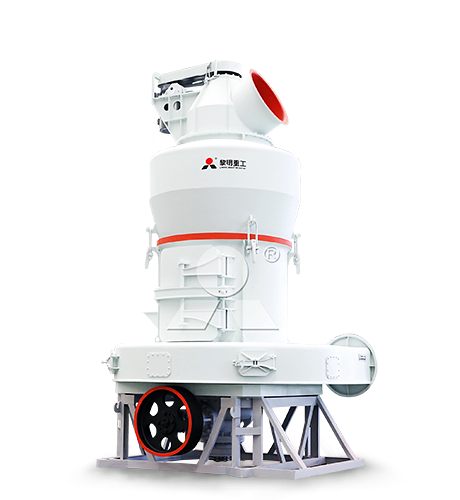
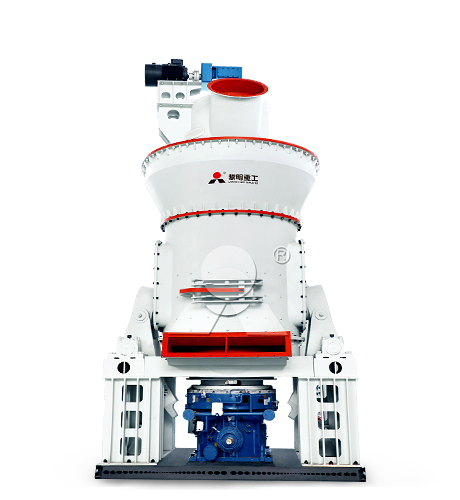
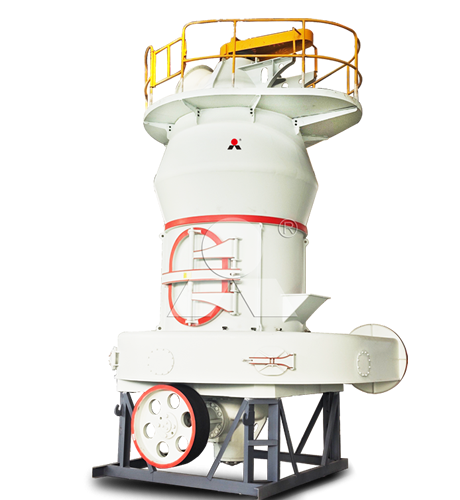
A Liming Heavy Industry grinding mill can be evaluated against the actual cooled quicklime feed, required fineness, and powder-production rate. Keep kiln output and mill output distinct: the kiln must produce acceptable quicklime, while the mill must deliver the specified particle size.
Where both lump and powdered products are planned, define the expected split between them. This helps avoid sizing the grinding section for material that will normally be sold without milling.
What to Confirm Before Placing an Order
The final technical agreement should connect the supplier’s performance commitments to measurable conditions. Confirm the feed and fuel limits, product acceptance criteria, output basis, consumption boundaries, test methods, and acceptance-test procedure.
Before approving the configuration, prepare a single project data sheet containing the limestone analysis, screened feed distribution, quicklime specification, production schedule, fuel information, site conditions, and required delivery forms. Use that same document to evaluate every proposal.
The right lime kiln is the one that can consistently process the available stone into the required quicklime at an acceptable total cost. A well-defined project brief makes that choice more dependable than selecting by kiln type, purchase price, or nominal capacity alone.
Related Lime Kiln Plant


LIMING Heavy Industry to Participate in SIREXE 2026 in Abidjan, Côte d'Ivoire
2026-10-26

LIMING at MiningMetals Uzbekistan 2026 | Booth B94
2026-10-22
LIMING Heavy Industry at MINEXPO Africa 2026 | Booth 133
2026-10-22
Liming Heavy Industry to Exhibit at bauma CHINA 2026 – Visit Us at Booth E6.510
2026-10-15
Meet Liming Heavy Industry at the 140th Canton Fair 2026
2026-10-13
Complete Mineral Processing Solutions
Convenient Reliable Professional Efficient Get Your Quote
Please feel free to submit your inquiry information to us. We will contact with you as soon as possible.
Our team will contact you as soon as possible.