


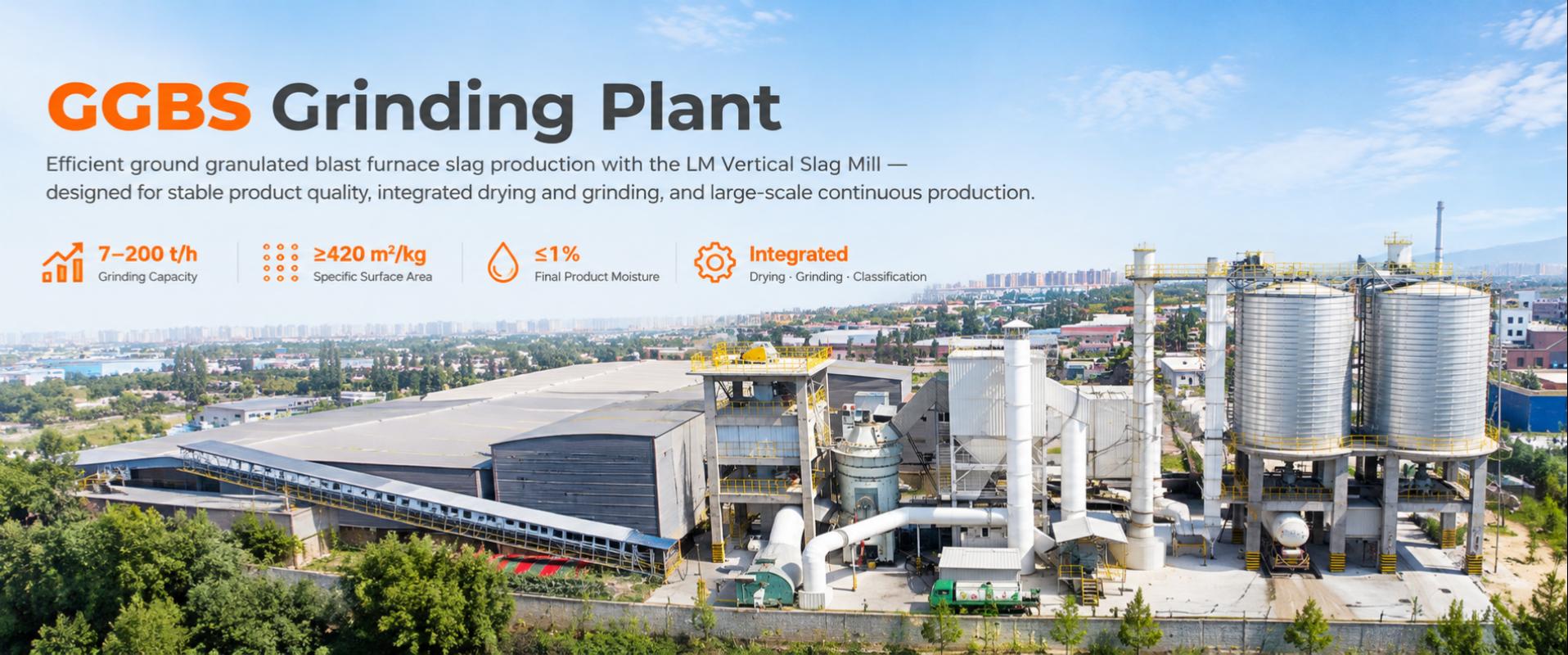
Choosing a GGBS grinding mill starts with the production target, the condition of the incoming slag, and the quality requirements of the finished powder. For a dedicated ground granulated blast-furnace slag line, the LM Vertical Slag Mill from Liming Heavy Industry is a practical solution because it combines drying, grinding, classification, and powder conveying in one system.
The right equipment should deliver more than a specified hourly capacity. It must process the actual moisture and abrasiveness of the slag, maintain the desired Blaine fineness and particle-size distribution, operate reliably over long production periods, and fit the site’s available heat source, power supply, layout, and logistics.
Start With the GGBS Production Target
Mill selection should be based on clear operating data rather than annual capacity alone. Before choosing a slag grinding system, define the finished product and the plant’s real production conditions.
| Selection Item | Why It Matters | Information to Confirm |
|---|---|---|
| Required output | Determines mill size, drive power, auxiliary equipment, and storage capacity | Hourly output, operating hours per year, peak demand, and future expansion plan |
| Target fineness | Controls separator settings, grinding intensity, power consumption, and product performance | Blaine value, sieve residue, particle-size distribution, and applicable product standard |
| Feed moisture | Determines the hot-gas requirement and the need for integrated drying | Average, maximum, seasonal, and storage-related moisture variation |
| Feed size | Affects the design of screening, crushing, feeding, and grinding equipment | Typical granule size, oversized fraction, and foreign-material content |
| Slag abrasiveness | Influences wear-part selection, maintenance planning, and operating cost | Source history, chemical composition, hardness, and metal contamination |
| Available heat source | Directly affects the ability to dry water-granulated slag during milling | Hot-gas temperature, volume, fuel type, waste heat, and seasonal availability |
| Site conditions | Determines installation feasibility and the layout of the complete line | Building height, foundation conditions, access, environmental controls, and bulk-loading arrangement |
In most cases, the most useful design basis is a representative sample of the actual granulated blast-furnace slag. Laboratory analysis and pilot-scale grinding data can help establish realistic values for moisture, grindability, specific surface area, wear tendency, and achievable capacity.
Why an LM Vertical Slag Mill Fits GGBS Production
Water-granulated slag is often wet when it reaches the grinding plant. It requires both moisture removal and fine grinding before it can become a stable GGBS product. A vertical slag mill is well suited to this duty because hot gas can dry the feed while the mill simultaneously reduces particle size and classifies the powder.
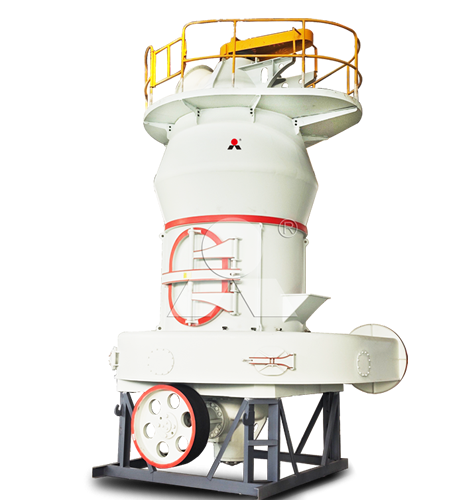
The LM Vertical Slag Mill integrates the main functions required in one unit:
Continuous feeding of granulated blast-furnace slag
Hot-gas drying of moist feed material
Bed grinding between the rotating table and grinding rollers
Internal separation of fine and coarse particles
Return of oversized particles for further grinding
Pneumatic transport of qualified powder to the collection system
Liming Heavy Industry states that its LM-series vertical mills can accommodate feed materials with moisture below 15% where drying is required and can produce finished powder with moisture of 1% or less under the stated operating conditions. The actual drying capacity depends on the moisture of the slag, available gas temperature and volume, feed rate, and local process configuration.
For slag production, the dedicated LM Vertical Slag Mill is designed around the abrasive and moisture-sensitive characteristics of granulated slag. Its integrated drying and classification functions can simplify the process flow compared with a layout that uses separate drying, grinding, and separation systems.
How the Grinding System Works
The LM Vertical Slag Mill uses a material-bed grinding principle. Granulated slag is fed onto a rotating grinding table, where centrifugal force distributes the material beneath the rollers. Hydraulic force presses the rollers against the material bed, causing particle breakage through compression and inter-particle grinding.
Hot gas enters the mill and flows upward through the grinding area. This airflow removes moisture from the feed and carries fine particles toward the classifier. The classifier separates the material according to the required cut size: qualified powder leaves with the gas stream, while coarse particles return to the grinding table for another pass.
Granulated slag → feed metering → hot-air drying → roller grinding → dynamic classification → powder collection → finished GGBS silo
Separator adjustment is particularly important. Increasing separator speed generally produces a finer powder, while reducing separator speed tends to increase throughput but can raise the coarse fraction. The correct setting should be established through product tests, not by output alone.
Match the Mill to Moisture and Fineness
Two conditions have the greatest influence on equipment sizing: incoming slag moisture and required product fineness. A mill selected only for dry-material capacity may underperform when it receives freshly granulated or rain-affected slag with higher moisture.
| Condition | Effect on the Grinding Line | Selection Response |
|---|---|---|
| High or variable feed moisture | Raises the heat demand and can limit output if drying becomes insufficient | Select an LM Vertical Slag Mill with adequate hot-gas capacity and a properly sized heat source |
| Higher target Blaine value | Requires stronger grinding and more precise classification | Confirm achievable fineness, separator capability, drive power, and capacity at the target specification |
| High annual production volume | Increases the importance of reliability, wear protection, and maintenance access | Select a mill with sufficient operating margin rather than designing only for nominal output |
| Variable slag chemistry or grindability | Can change mill power demand, residue, and product quality | Use representative material tests and allow operating flexibility in the mill and classifier |
| Limited plant footprint | Restricts equipment arrangement and interconnecting conveyors | Use an integrated vertical system to reduce transfer points and simplify layout |
LM-series vertical mill data published by Liming Heavy Industry show nominal capacities ranging from 10–30 t/h to 41–128 t/h across standard models, with listed output fineness from 45 to 170 microns. A GGBS project should not use these figures as a final guarantee because actual capacity changes with slag grindability, moisture, target fineness, and system design. Instead, they provide an initial basis for screening mill sizes before confirming the selection with project-specific technical data.
Do Not Select the Mill Alone
A GGBS mill performs as part of a complete production system. Even a correctly sized vertical mill can lose capacity or product consistency if upstream feeding, drying, classification, dust collection, or finished-powder handling is undersized.
A complete LM Vertical Slag Mill line normally includes:
Slag receiving, storage, reclaiming, and conveying equipment
Screening and magnetic separation for foreign-material removal
Accurate weighing and feeding equipment
Heat source and hot-gas ducting for drying
LM Vertical Slag Mill with grinding table, rollers, classifier, and hydraulic system
High-efficiency dust collector and process fan
Finished GGBS conveying equipment and storage silos
Bulk loading or packing equipment
Electrical control, instrumentation, and condition-monitoring systems
For example, when slag moisture increases after outdoor storage during a wet season, the system needs sufficient thermal capacity to maintain drying without sacrificing grinding stability. If the hot-gas system is undersized, reducing mill feed may be necessary, even when the grinding drive itself has spare capacity. This is why mill output and drying capacity must be evaluated together.
Evaluate Operating Cost and Reliability
The lowest equipment purchase price is not always the lowest-cost solution over the life of a slag grinding plant. Slag is abrasive, and a GGBS line often operates for long periods at high load. Selection should therefore include the expected cost of electricity, heat generation, wear parts, maintenance, labor, dust collection, and production interruptions.
When comparing options, assess the following points:
Power consumption at the required fineness rather than at a different reference product
Thermal energy needed to dry the worst-case incoming moisture
Wear-life expectation for grinding rollers, table liners, and classifier components
Availability of maintenance access and replacement parts
Ease of adjusting product fineness during normal operation
Control-system capability for monitoring vibration, pressure, temperature, airflow, and separator speed
Dust-control performance and compatibility with local emission requirements
Ability to increase capacity in the future through operating optimization or an expanded production line
Vertical roller mill technology is widely used for slag because it can combine grinding, drying, and classification in a single process unit. Equipment selection is commonly driven by final fineness, required capacity, feed moisture, abrasiveness, and energy objectives.
A Practical Selection Checklist
Before confirming an LM Vertical Slag Mill model, prepare a technical specification that answers the following questions:
What is the required GGBS output per hour and per year?
What Blaine value, sieve residue, particle-size distribution, and moisture limit must the final powder achieve?
What are the normal and maximum moisture contents of the incoming slag?
How much hot gas is available, and at what temperature?
What is the maximum feed size and how will oversized pieces and tramp iron be removed?
What are the chemical composition and grindability characteristics of the slag source?
What electrical capacity, foundation arrangement, and installation height are available?
How will finished GGBS be stored, loaded, and protected from moisture?
What maintenance strategy is planned for wear parts and critical equipment?
Once these points are defined, the equipment supplier can match the LM Vertical Slag Mill size, classifier arrangement, hot-gas requirement, dust-collection capacity, and auxiliary systems to the actual project rather than to a generic output figure.
Choosing With Confidence
The best GGBS grinding equipment is the system that reliably converts the available granulated slag into the required powder specification at the planned production rate. It must handle real feed moisture, produce stable fineness, protect against wear and contamination, and work efficiently with the available utilities and site layout.
For dedicated slag-powder production, the LM Vertical Slag Mill from Liming Heavy Industry offers an integrated approach to drying, grinding, classification, and conveying. A final model should be selected after confirming the slag sample, maximum moisture condition, required output, target fineness, and heat-source capacity.
Related GGBS Grinding Plant


LIMING at MiningMetals Uzbekistan 2026 | Booth B94
2026-10-22

LIMING Heavy Industry at MINEXPO Africa 2026 | Booth 133
2026-10-22
Liming Heavy Industry to Exhibit at bauma CHINA 2026 – Visit Us at Booth E6.510
2026-10-15
Meet Liming Heavy Industry at the 140th Canton Fair 2026
2026-10-13
Liming Heavy Industry to Attend the 140th Canton Fair
2026-09-25
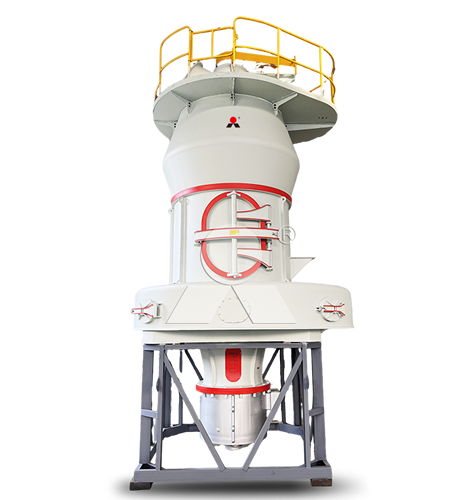
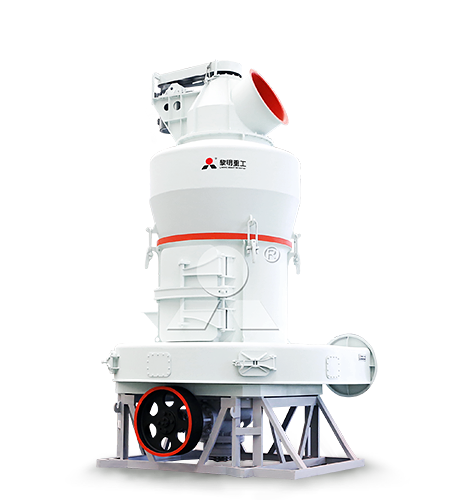
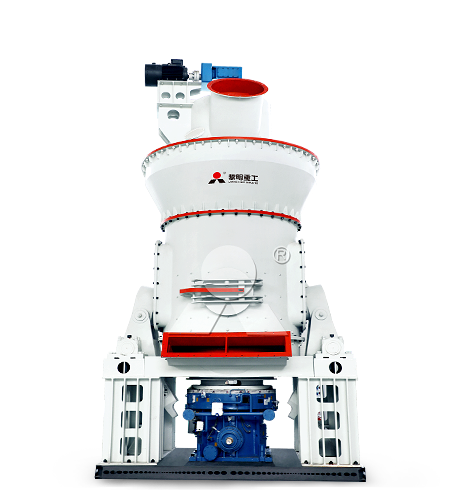
Complete Mineral Processing Solutions
Convenient Reliable Professional Efficient Get Your Quote
Please feel free to submit your inquiry information to us. We will contact with you as soon as possible.
Our team will contact you as soon as possible.