


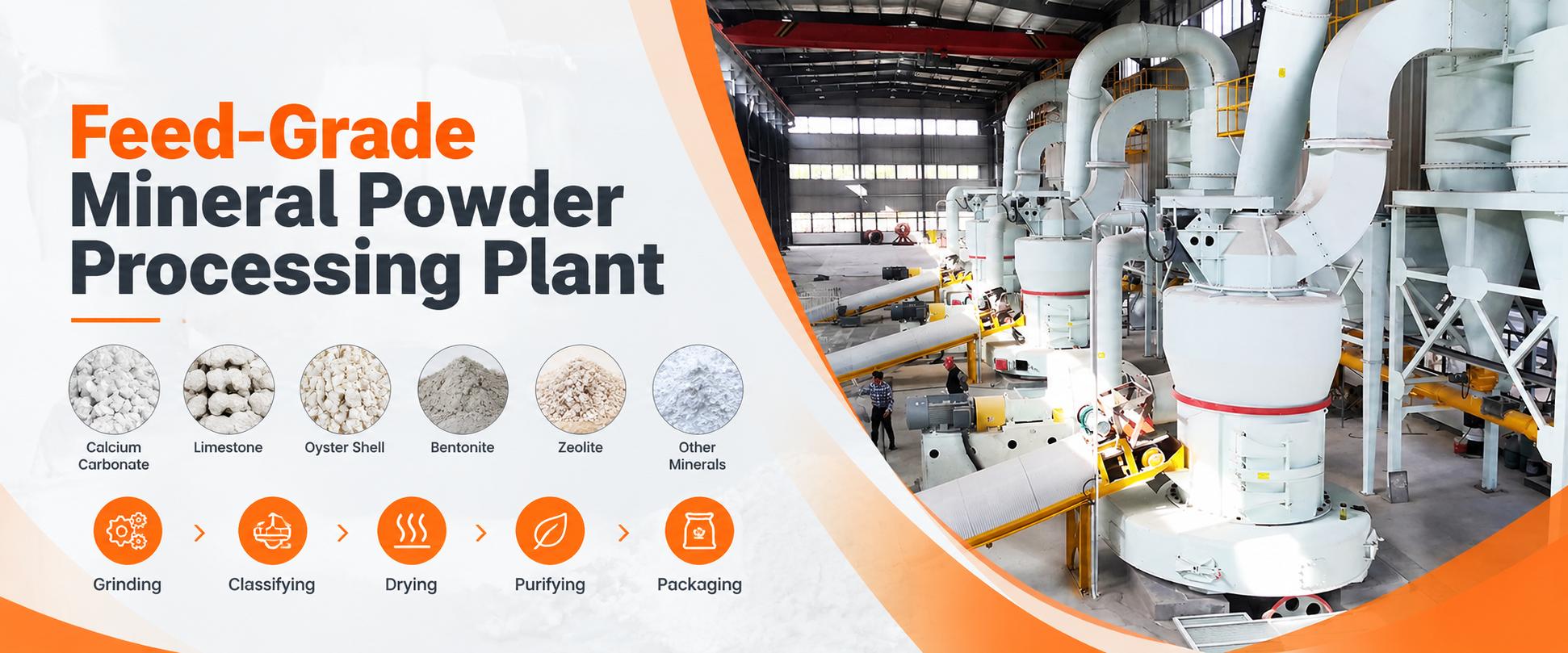
A calcium carbonate grinding plant for animal feed should produce a dependable calcium ingredient—not simply the finest powder the equipment can make. The right installation combines an approved mineral source, controlled grinding, consistent particle-size distribution, and a documented product-release process. Its design should begin with the feed manufacturer’s specification and work backward to the equipment configuration.
Ground limestone is widely used as a calcium source in animal feeding. However, fine powder and coarse limestone particles serve different purposes, particularly in poultry diets. A successful project must distinguish between these products before selecting a grinding system.
What Are You Actually Producing?
The first commercial decision is whether the plant will supply fine calcium carbonate powder, coarse calcium particles, or both. These products may share a raw-material source, but they should not automatically share the same processing route.
| Product | Typical Application | Main Processing Priority |
|---|---|---|
| Fine ground calcium carbonate | A calcium ingredient incorporated into formulated feed | Consistent composition, controlled fineness, and suitable handling characteristics |
| Coarse limestone particles | A calcium component used in certain laying-hen feeding programs | A controlled coarse size range with limited unwanted fines |
| Customer-specified combinations of particle sizes | Layer-feed programs requiring more than one limestone size fraction | Accurate size separation, proportioning, and product identification |
Fine ground limestone is used in feed formulations, while coarse limestone can provide a more sustained calcium supply for laying hens. Research also shows that limestone particle-size combinations can influence eggshell quality. This does not establish one universal size specification for every flock; the product requirement should come from the customer’s nutrition program.
For the grinding plant, the practical rule is fit-for-purpose fineness. Producing a finer powder than the customer requires adds processing work without automatically improving its nutritional value.
Feed Suitability Starts at the Quarry
A clean-looking limestone or calcite sample is not enough to establish suitability for animal feed. Mineral identity, nutrient content, composition variability, and relevant contaminants must be assessed before the source is approved. Feed-industry guidance treats undesirable substances in ingredients as a supply-chain control issue, not merely a finished-product inspection task.
Source consistency deserves particular attention. A study of limestone supplied for animal feeding found substantial variation in calcium and magnesium content among the tested samples. The lesson for a new plant is not to assume that every delivery from a deposit will match the initial sample.
Build a raw-material acceptance specification
Agree on the following before ordering the grinding line:
Approved mineral source and supplier identification.
Required calcium content and acceptable composition variation.
Magnesium and other constituents relevant to the customer’s formulation.
Applicable limits for undesirable substances.
Maximum incoming lump size and acceptable moisture conditions.
Sampling methods, testing frequency, and delivery-release procedures.
Ask the laboratory to assess the material against the intended feed use and destination-market requirements. A general industrial mineral analysis may not cover every parameter needed for feed acceptance.
Grinding changes particle size; it does not remove dissolved or mineral-bound contaminants. Material that fails the feed specification should not be treated as acceptable simply because it can be milled successfully.
Inside a Calcium Carbonate Grinding Line
For fine powder production, a practical dry-processing arrangement moves approved material through preparation, controlled feeding, grinding, classification, collection, and dispatch. Liming Heavy Industry describes limestone processing systems using preliminary crushing, storage, metered feeding, and grinding with LM or MTW equipment.
1. Prepare a steady supply of correctly sized material
Crushing is needed only when the incoming stone exceeds the selected mill’s inlet requirements. Its purpose is to prepare a manageable feed size, not to produce the final feed ingredient.
Provide enough intermediate storage to decouple stone receiving and crushing from mill operation. Specify the storage and feeder arrangement using the actual material’s moisture, size distribution, and flow behavior rather than assuming that all limestone handles identically.
2. Grind to the agreed specification
The mill should operate with controlled feeding and a defined product target. Equipment selection must consider the required particle-size distribution and output together: a capacity figure is not meaningful unless the corresponding material and fineness are stated.
For this application, request performance commitments based on a representative mineral sample. Include the expected range of incoming moisture and composition so the proposal reflects normal production rather than only the most favorable sample.
3. Classify the powder
Classification separates acceptable powder from material that needs further grinding. The classifier and mill must therefore be evaluated as one system, not as independent purchases.
Acceptance testing should check more than a nominal mesh designation. Agree on the measurement method, allowable coarse fraction, and any restrictions on excessive fines. This makes the specification usable for both plant control and customer inspection.
4. Collect, store, and pack without losing control of the product
Design enclosed transfer points, suitable dust collection, identifiable storage, and accessible inspection locations. Feed-manufacturing guidance emphasizes protection from contamination throughout handling, processing, storage, and distribution.
Keep unreleased material distinguishable from approved stock. If several product grades are manufactured, define how transfer equipment, silos, and packing lines will be cleared or managed between grades.
Choosing a Liming Heavy Industry Mill
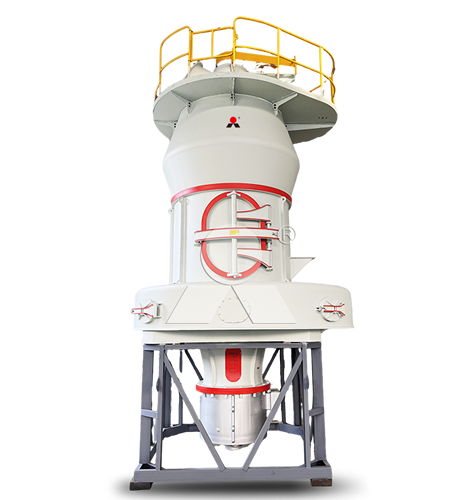
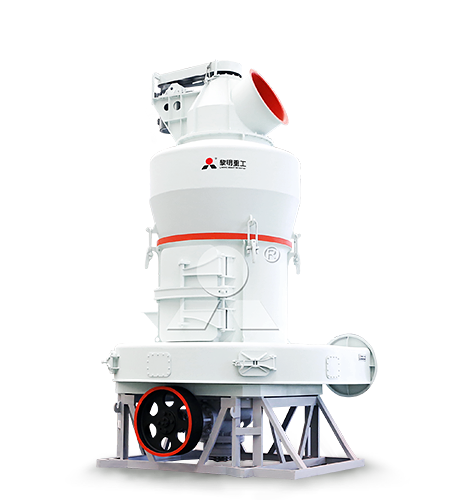
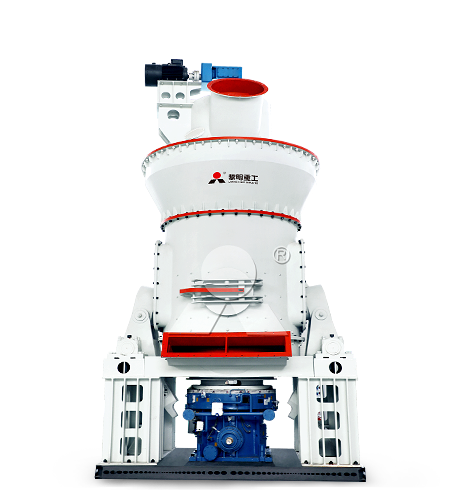
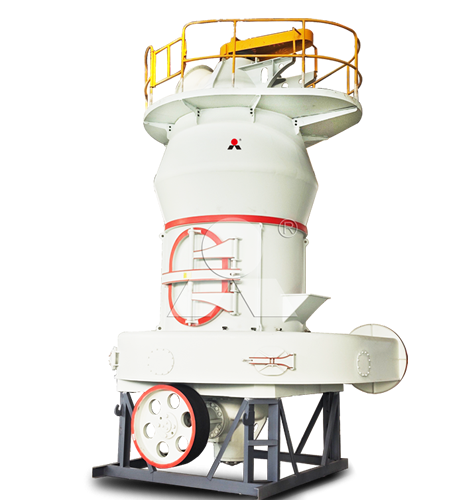
For conventional fine limestone and calcium carbonate powder, the initial equipment review can focus on the MTW European Type Grinding Mill and LM Vertical Roller Mill. Liming Heavy Industry lists both for limestone powder production. Their suitability for a feed-ingredient project still requires a separate review of the material, product specification, and contamination-control arrangements.
| Option | When to Evaluate It | Questions to Resolve |
|---|---|---|
| Liming Heavy Industry MTW European Type Grinding Mill | A project producing conventional fine calcium carbonate powder | Can the proposed configuration meet the required output and size distribution with the actual mineral? |
| Liming Heavy Industry LM Vertical Roller Mill | A project evaluating a vertical grinding arrangement for limestone powder production | How do material properties, operating conditions, maintenance access, and the complete system layout affect the proposal? |
These are established mineral-grinding options, but a mineral-processing application listing is not evidence of feed-grade certification for an entire plant. Require project-specific confirmation of product-contact components, wear materials, lubrication separation, cleaning access, and operating procedures.
Do not choose between the two mills using model size alone. Compare proposals against the same raw material, finished-product specification, operating schedule, scope of supply, and acceptance-test conditions.
Do You Need Ultrafine Calcium Carbonate?
Not every animal-feed calcium product needs ultrafine grinding. The distinction between fine and coarse limestone in animal feeding shows why particle size must follow the application rather than an assumption that smaller is always better.
Before considering an ultrafine production route, obtain a written customer requirement that explains:
The required particle-size distribution and test method.
Why a conventional fine product is unsuitable.
The acceptable handling and packing characteristics.
The quantity required and the commercial basis for supplying it.
Where the customer only needs conventional fine calcium carbonate, keep the equipment review focused on that duty. Where coarse limestone is also required, evaluate a separate crushing-and-screening route instead of grinding the entire production volume into powder.
A Practical Two-Product Plant Arrangement
Consider a producer planning to supply fine calcium carbonate to compound-feed manufacturers and a coarse limestone grade to layer-feed customers. A useful design concept is to share approved raw-material receiving while separating the downstream size-processing routes.
The fine-powder route sends prepared stone to a Liming Heavy Industry grinding system, followed by classification, powder collection, and dedicated storage.
The coarse-product route uses controlled crushing and screening to produce the customer’s required size fraction.
Off-size material receives a defined disposition rather than being automatically mixed into either finished product.
Each finished grade has its own identification, sampling requirements, and release criteria.
This arrangement is a planning concept, not a fixed equipment prescription. Its value is that it preserves the distinction between products whose particle sizes serve different feeding purposes. The required coarse and fine fractions should be set by the customer’s specification.
What Determines the Cost per Tonne?
A useful investment comparison should cover the complete cost of producing accepted, dispatch-ready material—not just the mill purchase price.
| Cost Area | What to Include in the Evaluation |
|---|---|
| Raw-material supply | Purchase or extraction, transport, sampling, testing, and rejected deliveries |
| Material preparation | Receiving, crushing where required, storage, and controlled feeding |
| Grinding and classification | Power demand, wear parts, maintenance labor, and output at the agreed fineness |
| Powder handling | Collection, conveying, storage, dust-control maintenance, and product losses |
| Quality assurance | Laboratory work, retained samples, batch records, and release administration |
| Dispatch | Bags or bulk bags, packing labor, weighing, loading, and delivery requirements |
Ask each equipment proposal to state what is included and excluded. A quotation covering only the grinding unit cannot be compared directly with a complete line that includes preparation, collection, controls, storage, and packing.
Release the Ingredient, Not Just the Production Batch
A finished batch should be released against the agreed ingredient specification. The control plan should address composition, applicable contaminants, particle size, moisture where relevant, packaging condition, and traceability. Feed-industry guidance places these responsibilities across production and distribution rather than relying on equipment performance alone.
Connect each dispatched lot to its incoming material, production records, and inspection results. Keep a clear procedure for handling material that falls outside specification, including who can authorize reprocessing and what testing is required afterward.
Information Needed for a Plant Proposal
A useful calcium carbonate grinding plant inquiry should include the mineral analysis, representative sample, incoming stone size, moisture range, required finished-particle distribution, target output, operating hours, packing format, available utilities, and site constraints.
Also identify whether the project supplies fine powder only or includes a separate coarse calcium product. With that distinction established, Liming Heavy Industry’s MTW and LM grinding options can be evaluated against a defined production duty rather than a general request for a “feed calcium powder machine.” Both mill families are offered for limestone powder processing; the final configuration must be matched to the project’s material and finished-product requirements.
Related Feed Mineral Processing


Liming Heavy Industry to Exhibit at bauma CHINA 2026 – Visit Us at Booth E6.510
2026-10-15

Meet Liming Heavy Industry at the 140th Canton Fair 2026
2026-10-13
Liming Heavy Industry to Attend the 140th Canton Fair
2026-09-25
Liming Heavy Industry at bauma CONEXPO INDIA 2026 | Booth 5-C6
2026-09-07
Turnkey Raw Mill Cement Plant in Saudi Arabia: Design and Installation
2026-09-03
Complete Mineral Processing Solutions
Convenient Reliable Professional Efficient Get Your Quote
Please feel free to submit your inquiry information to us. We will contact with you as soon as possible.
Our team will contact you as soon as possible.