


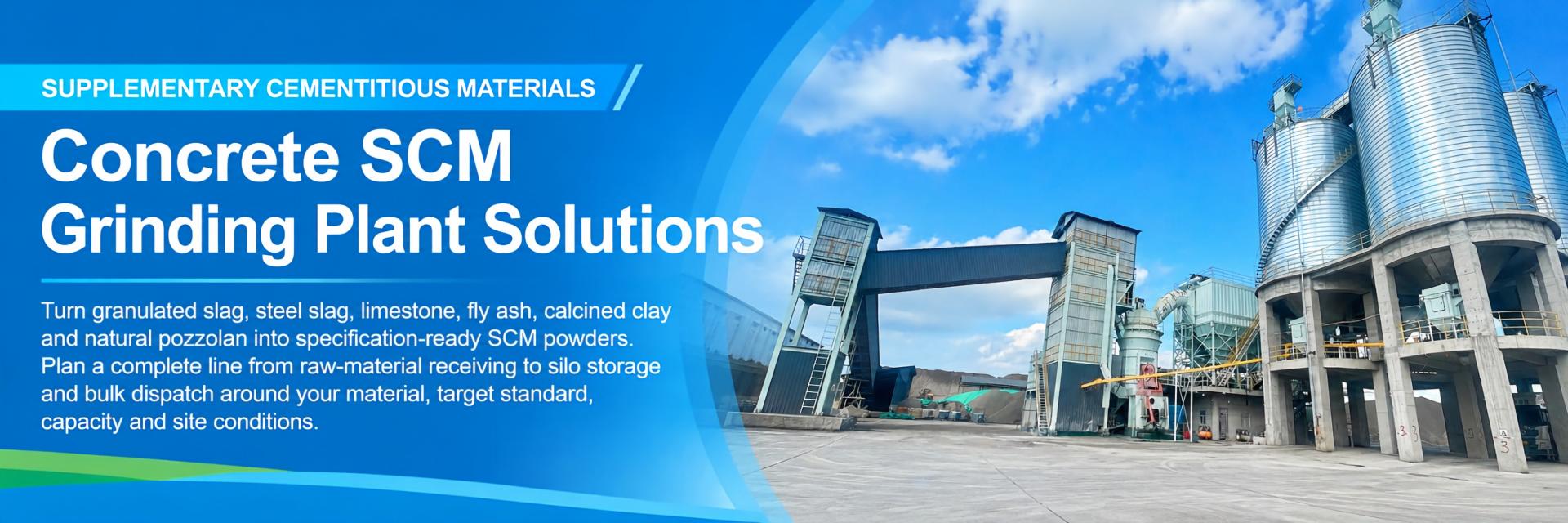
The cost of an SCM grinding plant depends primarily on the raw material, required product quality, annual output, drying duty, pretreatment requirements, and project scope. Two plants with the same nominal capacity can have very different investment and operating costs if one processes clean, dry material while the other must remove moisture, recover metal, separate carbon-rich particles, or activate clay before grinding.
The most useful comparison is therefore not the price of the mill alone. Evaluate the installed plant investment, the cost of producing each tonne of qualified powder, and the cost of delivering that powder to the customer. These three views reveal whether an apparently inexpensive proposal is genuinely economical or simply excludes necessary equipment and services.
Three Different Costs Need Three Different Answers
| Cost category | What it should cover | Why it matters |
|---|---|---|
| Installed investment | Equipment, freight, foundations, structures, installation, electrical systems, engineering, commissioning, and other defined project costs. | Shows the funding required to establish an operating facility. |
| Production cost | Feed preparation, electricity, heat, labor, maintenance, wear parts, quality control, and waste handling. | Shows what it costs to manufacture qualified product. |
| Delivered product cost | Production cost plus storage, loading, packaging where required, and transport to the customer. | Shows whether the product is competitive in its intended market. |
A budget should also state whether land, financing, taxes, working capital, and contingency are included. These items may sit outside an equipment quotation but still affect the total funding requirement.
The Raw Material Determines How Much Plant You Need
“SCM grinding plant” describes several different processing duties. Before requesting a price, establish which operations are actually necessary.
Granulated blast-furnace slag may need receiving, controlled storage, screening, metal removal, drying, grinding, classification, and collection.
Steel slag may require more extensive metal recovery, stabilization verification, and management of unsuitable fractions.
Harvested fly ash may need dewatering, screening, drying, classification, carbon treatment, or selective grinding.
Calcined clay production includes a thermal activation duty that must be budgeted separately from ordinary drying and grinding.
Natural pozzolan processing depends on deposit variability, moisture, grindability, and whether thermal treatment is necessary.
For GGBS, Liming Heavy Industry’s plant-design guidance identifies a complete route extending from receiving and covered storage through feed preparation, integrated drying and grinding, collection, silos, and dispatch. Pricing only the central mill would leave substantial parts of that route unaccounted for.
Cheap feed does not always mean cheap powder
A low purchase price can be offset by high moisture, difficult handling, poor yield, variable quality, or long transport distances. Evaluate the cost of the usable dry fraction rather than the price of incoming wet tonnes alone.
For example, a supplier offering inexpensive wet material may also be selling you water that must be transported, handled, and evaporated. Whether that supply is economical depends on its total processing requirements and the qualified product it can produce.
Capacity Changes Both Investment and Unit Cost
A larger plant generally requires larger drives, process equipment, structures, and material-handling systems. However, not every cost increases in direct proportion to output. Shared facilities and operating resources can spread some costs across more tonnes—provided the plant actually produces and sells those tonnes.
The financial assessment should distinguish between:
Nominal hourly capacity.
Verified output at the specified feed and product conditions.
Annual qualified production after downtime and losses.
The quantity the market is realistically expected to purchase.
An oversized line can tie up capital and run below its intended operating range. An undersized line can restrict sales, reduce maintenance flexibility, and leave little opportunity to recover lost production.
For a GGBS project, mill selection should be based on verified capacity at the required fineness and design moisture—not an output quoted for drier feed or a coarser powder.
Moisture Affects More Than the Fuel Bill
Incoming moisture influences the required hot-gas supply, process airflow, handling arrangement, and achievable production rate. Where drying is significant, it can affect both initial equipment sizing and continuing operating expenditure.
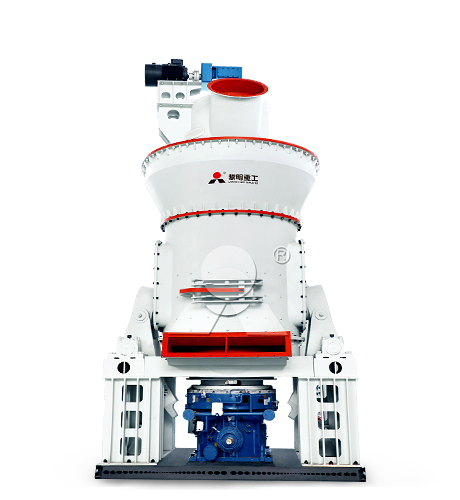
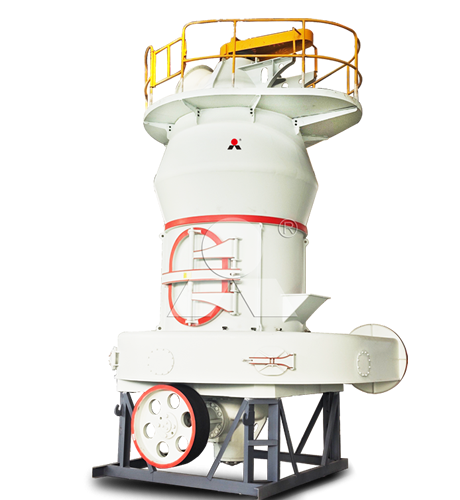
The Liming Heavy Industry LM Vertical Slag Mill combines drying, grinding, classification, and material transport. This integrated arrangement can simplify the process, but the drying duty still has to be matched to the feed moisture, heat source, and required output.
Existing heat is valuable only if it is usable
Available kiln exhaust or another process heat stream may reduce purchased fuel demand. However, its temperature, volume, availability, gas composition, and connection requirements must be checked. A heat source that is unavailable during the grinding plant’s operating hours cannot be treated as a dependable substitute for dedicated heat.
Possible heat sources include suitable process exhaust and dedicated hot-gas generation. Their selection depends on moisture, capacity, fuel availability, plant configuration, and emission requirements.
Storage can influence drying expenditure
Covered storage and controlled reclaiming can help limit rain-related moisture increases and stabilize the feed. These facilities add investment, so compare their cost with the drying burden and operating variability they are intended to reduce. Liming Heavy Industry includes covered slag storage in its GGBS process arrangement.
Fineness Has a Price—Specify Only What the Product Needs
A tighter fineness requirement can change mill selection, classifier duty, throughput, and energy demand. A proposal for ordinary fine powder is not directly comparable with one guaranteeing a higher specific surface or a more restrictive coarse-particle limit.
For a meaningful quotation, define:
Blaine specific surface where applicable.
Residue on the required sieve.
Particle-size distribution where relevant.
Finished moisture.
The applicable activity and other qualification requirements.
Liming Heavy Industry’s GGBS design guidance specifically calls for capacity assessment at the required Blaine, residue, and particle-size distribution rather than a general powder description.
Trials should establish the useful grinding range. Paying to produce a finer powder is worthwhile only when the additional processing supports the required performance or a justified customer specification.
Pretreatment and Product Yield Can Change the Economics
Receiving capacity and finished-product capacity are not necessarily equal. Some incoming material leaves as water, recovered metal, carbon-rich fractions, debris, or unsuitable mineral residue.
An economical process needs a clear destination and cost allocation for each stream. Recovered metal may have value, while another separated fraction may require paid transport and disposal. Do not assume either outcome without checking product quality, buyer acceptance, and local requirements.
Distinguish permanent losses from internal returns. Coarse material circulating back to a mill is not automatically a yield loss, although it contributes to equipment loading. Material removed from the process entirely has a different effect on the cost of each tonne sold.
For variable feedstocks, compare plausible yield cases. A project that appears attractive only when nearly all incoming solids become saleable product needs stronger evidence before investment.
The Mill Is Only One Part of the Equipment Budget
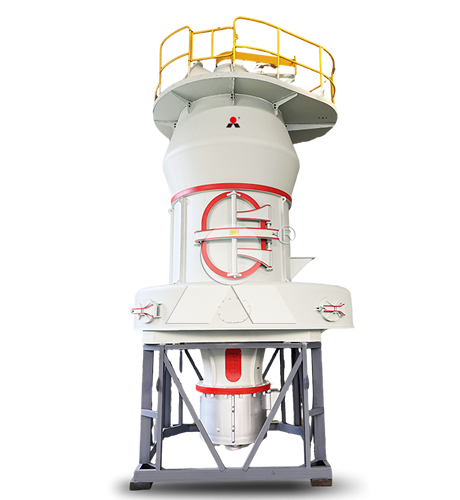
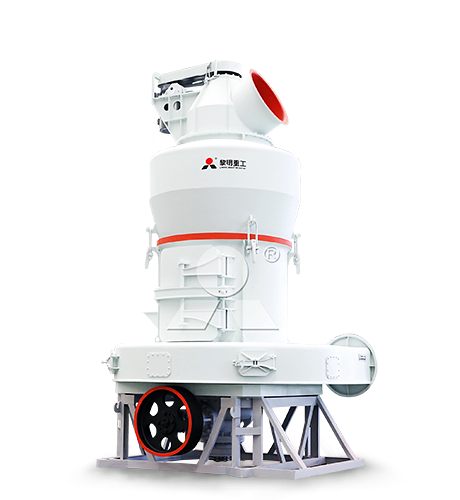
For a dedicated moist-slag project, evaluate the Liming Heavy Industry LM Vertical Slag Mill as the core processing unit. For other suitable mineral-powder duties, the appropriate Liming Heavy Industry grinding configuration should be selected after representative testing.
A complete equipment scope may also require:
Receiving hoppers and unloading facilities.
Storage and reclaiming equipment.
Crushing, screening, and metal removal.
Weigh feeders and feed conveying.
Hot-gas generation and connecting ductwork.
Fans, dust collection, and powder collection.
Finished-product conveying and silos.
Bulk loading or packing equipment.
Electrical distribution, instrumentation, and controls.
Sampling facilities and laboratory equipment.
These surrounding systems are part of the production route identified in Liming Heavy Industry’s GGBS plant guidance. Their size and complexity depend on the site and the agreed supply boundary.
Site Conditions Can Make Identical Equipment Cost Different Amounts
The same process package can have different installed costs at two locations. Before comparing budgets, identify the work required outside the equipment supply.
| Site factor | Possible cost consequence |
|---|---|
| Ground conditions | Different foundation, piling, drainage, or ground-improvement requirements. |
| Electrical infrastructure | New connection capacity, transformers, distribution equipment, or incoming-line work. |
| Access and transport | Restrictions on equipment delivery, lifting, storage, and construction sequencing. |
| Existing plant interfaces | Additional conveyors, ducting, control integration, shutdown work, or structural modifications. |
| Environmental and planning conditions | Site-specific dust, noise, drainage, enclosure, monitoring, or permitting provisions. |
| Local construction resources | Variation in labor, fabrication, installation, accommodation, and contractor costs. |
A brownfield location may save money by reusing facilities, but integration can also create additional work. Verify the condition and capacity of existing equipment rather than assigning it full value simply because it is already on site.
Operating Cost Depends on How the Plant Is Run
Electricity
Request consumption at a defined product quality and feed condition. State whether the figure includes only the main drive or also the classifier, fans, conveying, and other auxiliaries. A low number with a narrow measurement boundary may be less useful than a higher but complete system figure.
Heat
Keep thermal consumption separate from electrical consumption. Record feed moisture when comparing operating periods so that changing weather or storage conditions do not obscure the underlying grinding performance.
Wear and maintenance
Budget wear parts, planned maintenance, specialist support, lifting arrangements, and critical spares. The appropriate allowance should reflect the actual material and the proposed equipment arrangement, not a generic percentage applied without supporting information.
Labor and quality control
Include receiving, operations, maintenance, laboratory work, loading, and administration according to the intended organization. Automated controls do not remove the need to verify product quality or maintain equipment.
Lost production
Downtime affects both output and the distribution of fixed costs. Consider maintenance access, spare-part availability, upstream feed reliability, and downstream storage limitations when estimating annual production.
Transport Can Decide Whether the Project Is Competitive
An SCM plant must connect a resource with a customer base. Low manufacturing cost does not guarantee a competitive delivered price if either the incoming feed or the finished powder travels a long distance.
Fly ash market assessments identify transportation as an important influence on value and marketability. The same location question should be tested explicitly in the project’s logistics model rather than left outside the plant-cost discussion.
Compare candidate locations using actual routes and handling arrangements. Consider proximity to the resource, customer demand, bulk transport options, backhaul opportunities, storage, and the cost of loading and unloading. A slightly higher factory production cost may still lead to a lower delivered cost.
Why a Universal “Cost per Tonne of Capacity” Can Mislead
An investment benchmark can help screen early ideas, but it is not a dependable quotation unless its scope and assumptions match the proposed project.
For example, the following are not equivalent investments:
A grinding package installed beside existing storage and utilities.
A new GGBS plant including covered receiving, drying, silos, and dispatch.
A harvested-ash facility with beneficiation and reject handling.
A calcined-clay project including thermal activation.
Currency, location, project date, taxes, construction scope, and the meaning of annual capacity must also be consistent. Without those details, a precise-looking benchmark can create more confidence than the underlying information supports.
How to Obtain a Useful Project Quotation
For a Liming Heavy Industry plant assessment, provide a design brief that allows the equipment and process scope to be priced on a common basis:
Raw-material source, representative samples, and available test results.
Feed size, moisture range, and expected variability.
Required product specification and target fineness.
Annual sales requirement and realistic operating schedule.
Pretreatment needs, expected yield, and reject destinations.
Available electrical power, heat sources, and fuel conditions.
Site location, layout restrictions, and existing facilities.
Receiving, storage, packing, and loading requirements.
The requested supply boundary, installation responsibilities, and commissioning scope.
The capacity, consumption, and product-quality acceptance procedure.
Representative testing of moisture, chemistry, grindability, achievable fineness, and activity is part of establishing a sound GGBS design basis. Better input information reduces the need to price uncertainty into the proposal or resolve it later through modifications.
Compare the Base Case with Realistic Downside Cases
Before approving the investment, test how the result changes with lower sales volume, wetter feed, higher energy prices, reduced yield, greater wear, or a tighter product specification. Evaluate these conditions separately before combining them, so their individual effects remain visible.
The preferred SCM grinding plant is not necessarily the one with the lowest purchase price. It is the one with a clearly defined scope, a verified processing route, and a credible cost of delivering qualified powder at the annual volume the business can sell.
Related Concrete SCM Grinding Plant Solutions


Liming Heavy Industry to Showcase Crushing and Grinding Solutions at bauma CHINA 2026
2026-11-02

LIMING Heavy Industry to Participate in SIREXE 2026 in Abidjan, Côte d'Ivoire
2026-10-26
LIMING at MiningMetals Uzbekistan 2026 | Booth B94
2026-10-22
LIMING Heavy Industry at MINEXPO Africa 2026 | Booth 133
2026-10-22
Liming Heavy Industry to Exhibit at bauma CHINA 2026 – Visit Us at Booth E6.510
2026-10-15
Complete Mineral Processing Solutions
Convenient Reliable Professional Efficient Get Your Quote
Please feel free to submit your inquiry information to us. We will contact with you as soon as possible.
Our team will contact you as soon as possible.