


In the modern feed industry, the use of high-quality mineral powders plays a crucial role in improving the nutritional value and performance of animal feed. These powders not only supply essential minerals for animal growth but also enhance feed quality, reduce waste, and increase production efficiency.
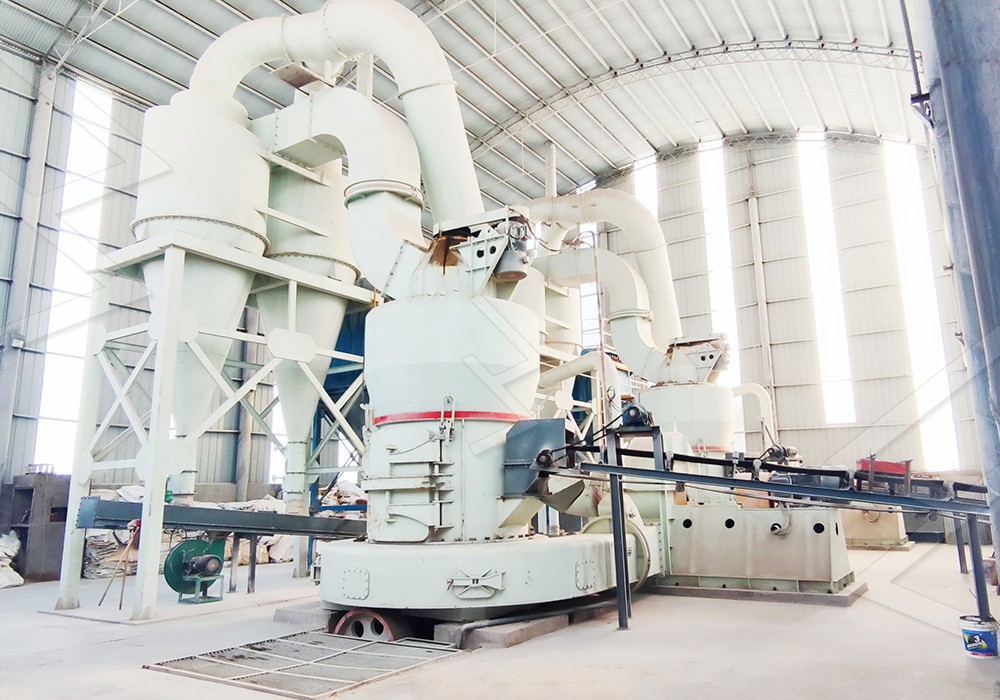
Among the most commonly used mineral powders in feed production are limestone, dolomite, bentonite, dicalcium phosphate, zeolite, kaolin, and talc. Each serves a specific function that contributes to animal health and productivity. Limestone powder provides calcium, which strengthens bones and improves eggshell quality for poultry. Dolomite powder delivers both calcium and magnesium, essential for balanced metabolism and bone development. Bentonite acts as a natural binder and toxin adsorbent, improving feed texture and safety. Dicalcium phosphate is a key source of phosphorus and calcium, vital for muscle and bone growth. Zeolite and kaolin enhance digestion and reduce harmful ammonia emissions, while talc powder ensures feed flowability and stability.
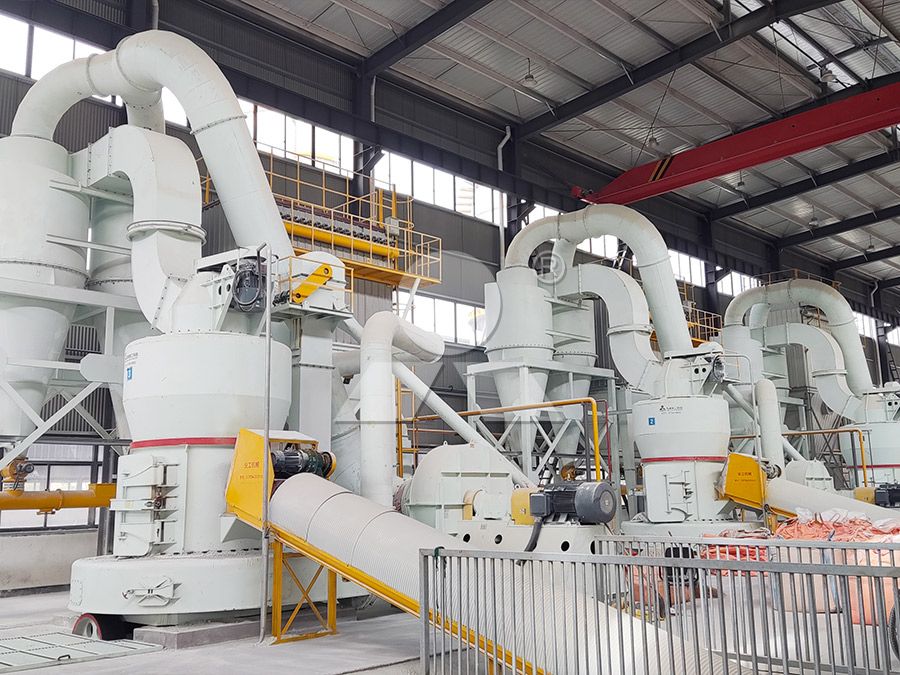
Producing these powders requires efficient and reliable grinding equipment. The quality of mineral powder directly depends on grinding precision, particle size distribution, and operational stability. Advanced grinding mills allow producers to achieve fine and consistent powders ranging from 60 to 400 mesh, ensuring the minerals are easily digestible and effectively absorbed by animals.
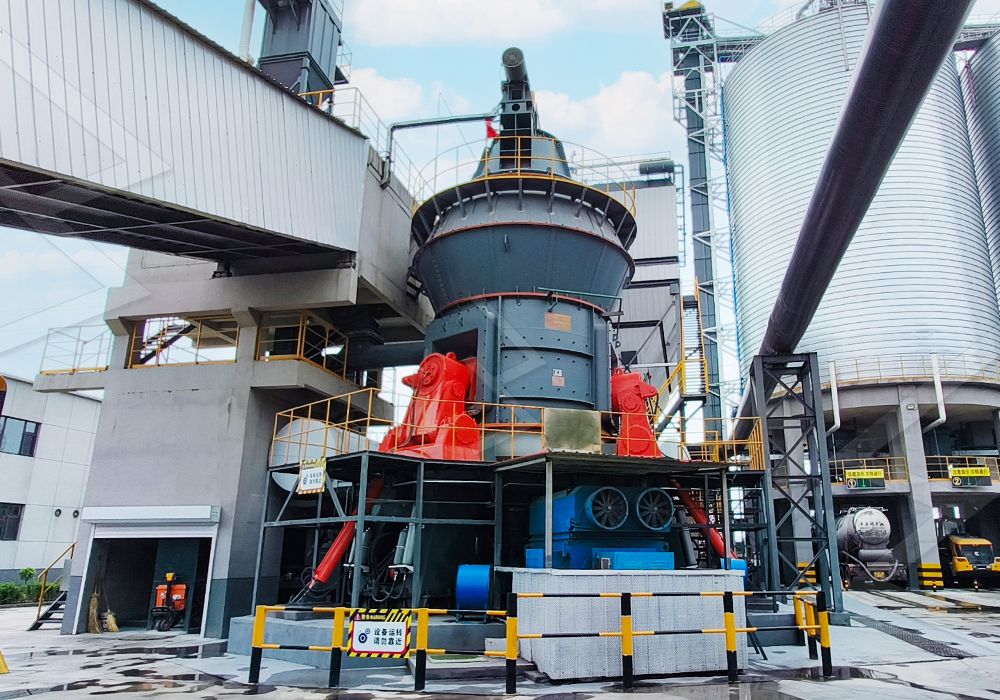
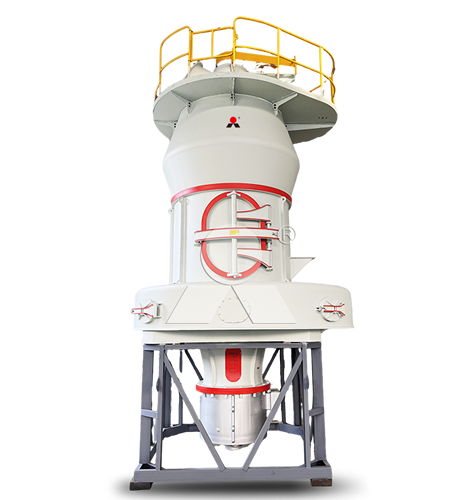
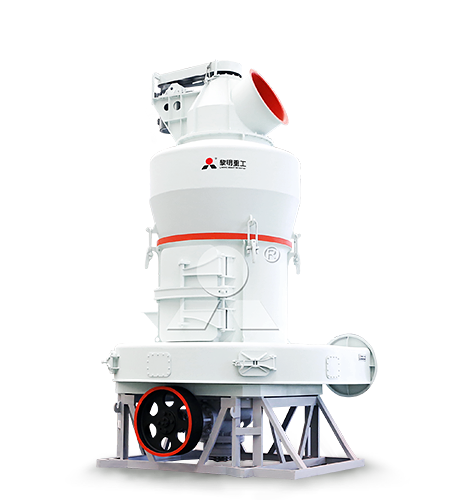
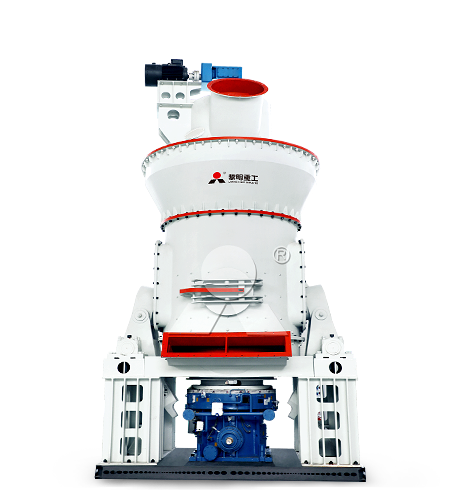
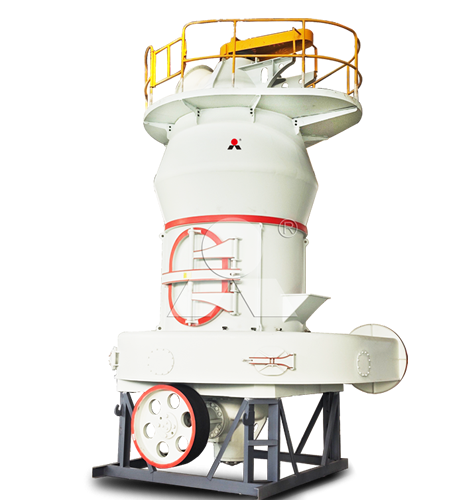
Liming Heavy Industry offers professional grinding solutions designed for the feed additive industry. Their range of grinding mills—including Raymond mills, vertical mills, and micro powder mills—delivers high capacity (3–60 tons per hour), low energy consumption, and stable performance. With durable components, intelligent control systems, and easy maintenance, Liming's equipment ensures efficient processing of limestone, bentonite, dolomite, and other minerals used in animal feed production.
By upgrading to modern grinding technology, feed producers can significantly improve output quality, reduce energy costs, and achieve better overall profitability.
FAQ
Q1: What types of minerals can be processed for feed production?
A1: Common minerals include limestone, dolomite, bentonite, phosphate, zeolite, kaolin, and talc.
Q2: What fineness can Liming Heavy Industry's mills achieve?
A2: The equipment can produce powders from 60 to 400 mesh, suitable for feed additives and industrial use.
Q3: What are the advantages of Liming Heavy Industry grinding mills?
A3: High efficiency, energy saving, easy operation, and long service life, ensuring stable and cost-effective production.
Related Industry News


Liming Heavy Industry to Attend the 140th Canton Fair
2026-09-25

Liming Heavy Industry at bauma CONEXPO INDIA 2026 | Booth 5-C6
2026-09-07
Turnkey Raw Mill Cement Plant in Saudi Arabia: Design and Installation
2026-09-03
Cement Raw Mill Supplier in Indonesia: Cost and Configuration Analysis
2026-09-01
Liming Heavy Industry to Exhibit at the 24th Global Gypsum Conference & Exhibition in Turkey
2026-08-31
Complete Mineral Processing Solutions
Convenient Reliable Professional Efficient Get Your Quote
Please feel free to submit your inquiry information to us. We will contact with you as soon as possible.
Our team will contact you as soon as possible.