


Wollastonite is a calcium silicate mineral widely used in ceramics, plastics, paints, coatings, and metallurgy. Its unique acicular structure and chemical stability make it an excellent functional filler, improving product strength, dimensional stability, and thermal resistance. To maximize its industrial value, wollastonite must be processed into fine powder with specific particle size requirements, often followed by surface modification to enhance compatibility with polymers and other matrices.
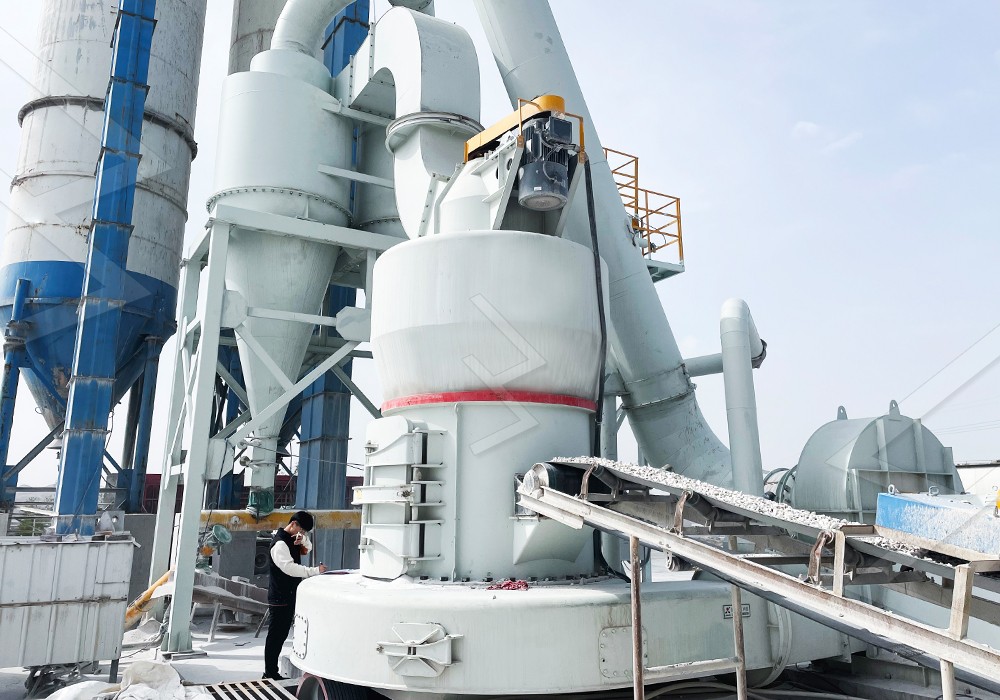
Grinding is the first critical step in wollastonite processing. The required fineness usually ranges from 200 mesh to 1250 mesh, depending on the application. For ceramics and coatings, medium-fine powder ensures good dispersion and reactivity, while ultrafine powders are essential for high-performance composites and plastics. Efficient grinding equipment not only achieves precise particle size control but also ensures high throughput and low energy consumption, both of which are vital for large-scale production.
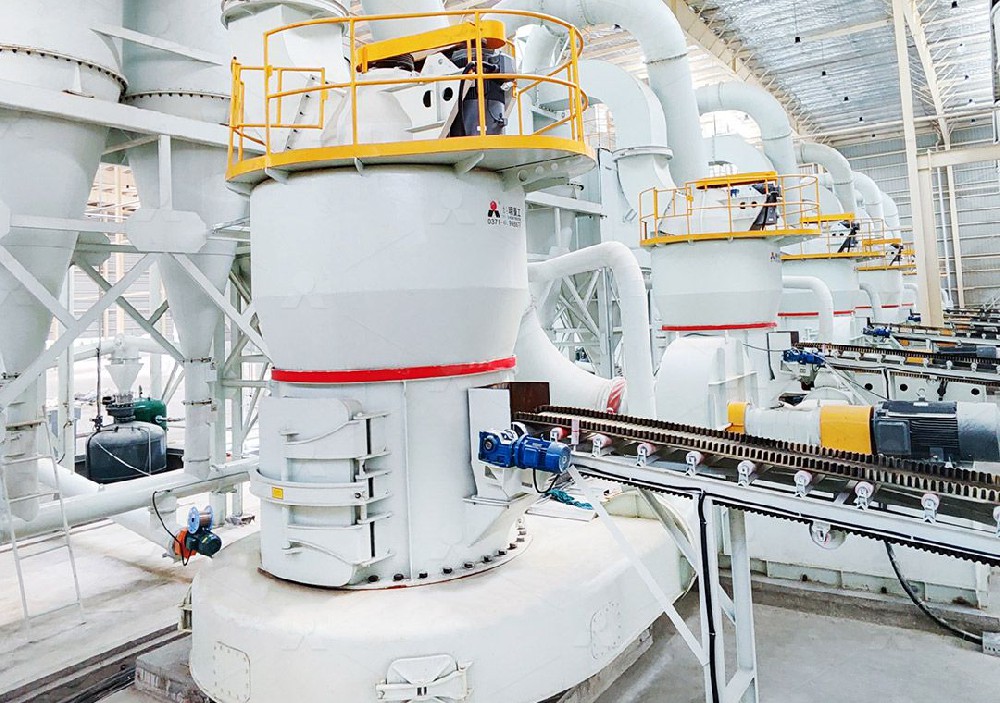
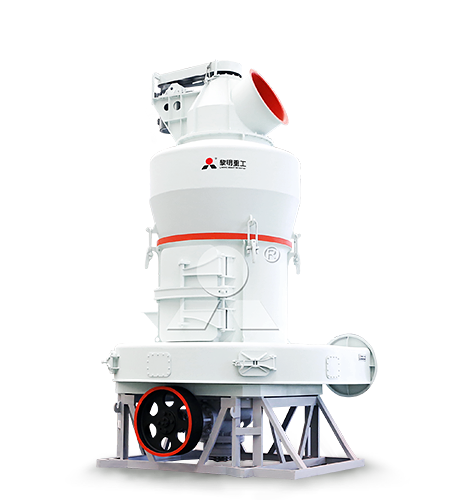
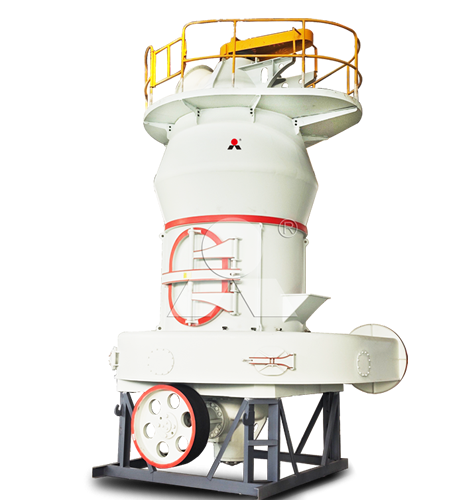
Raymond mills are a reliable choice for producing medium-fine wollastonite powders. They offer stable performance, consistent particle size distribution, and cost-effective operation. The integrated classifier system ensures precise separation of fine particles, reducing over-grinding and improving overall efficiency. This makes Raymond Mill suitable for manufacturers targeting powder grades used in ceramics, paints, and coatings.
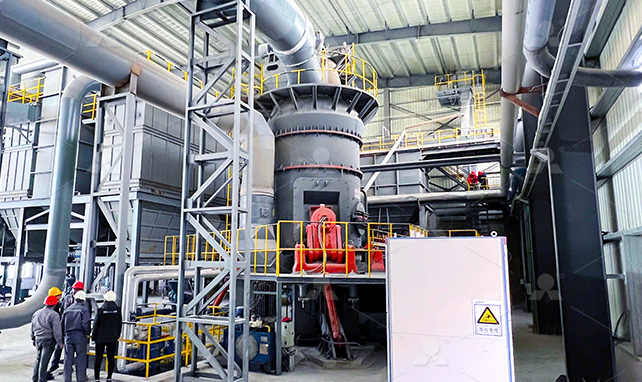
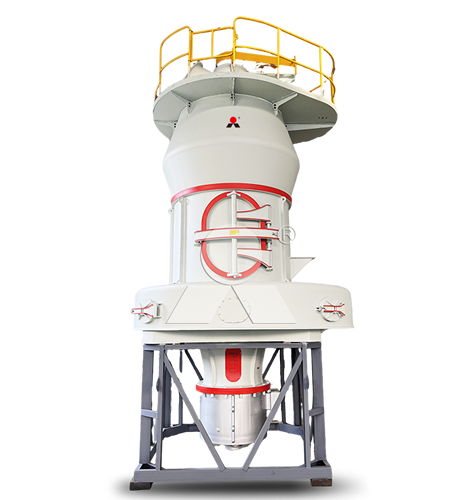
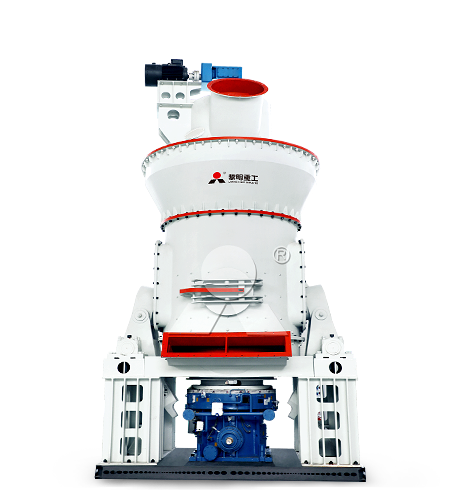
For higher fineness and larger capacity requirements, vertical roller mill provide significant advantages. These mills combine grinding, drying, and classification into a single unit, allowing for efficient handling of wollastonite with variable moisture levels. Their strong drying capacity, lower energy consumption, and ability to produce powders up to ultrafine levels make them ideal for applications where surface area and reactivity are crucial.
After grinding, surface modification is often required to improve the compatibility of wollastonite with organic materials, particularly in plastics and rubber. Surface treatment agents, such as silanes, are used to modify the surface energy of wollastonite particles, enhancing dispersion and adhesion. This step ensures better performance in composite materials, resulting in improved mechanical strength, reduced shrinkage, and enhanced thermal stability.
Liming Heavy Industry provides advanced Raymond and vertical grinding mills designed for efficient wollastonite powder production. The equipment ensures stable operation, flexible fineness adjustment, and energy-efficient performance. With robust design and reliable after-sales support, these grinding solutions meet the diverse needs of manufacturers across industries. By combining precise grinding with surface modification techniques, high-quality wollastonite powders can be produced to unlock maximum industrial benefits.
FAQ
Q: What fineness range is typically required for wollastonite powder?
A: Depending on applications, powders range from 200 mesh to 1250 mesh.
Q: Which mill is better for ultrafine wollastonite powder?
A: Vertical mills are more suitable due to their high capacity and fine classification.
Q: Why is surface modification necessary for wollastonite?
A: It improves dispersion and bonding in plastics, rubbers, and coatings.
Q: What solutions does Liming Heavy Industry provide?
A: The company offers Raymond and vertical mills tailored for wollastonite grinding, with reliable performance and technical support.
Related Industry News


Liming Heavy Industry to Attend the 140th Canton Fair
2026-09-25

Liming Heavy Industry at bauma CONEXPO INDIA 2026 | Booth 5-C6
2026-09-07
Turnkey Raw Mill Cement Plant in Saudi Arabia: Design and Installation
2026-09-03
Cement Raw Mill Supplier in Indonesia: Cost and Configuration Analysis
2026-09-01
Liming Heavy Industry to Exhibit at the 24th Global Gypsum Conference & Exhibition in Turkey
2026-08-31
Complete Mineral Processing Solutions
Convenient Reliable Professional Efficient Get Your Quote
Please feel free to submit your inquiry information to us. We will contact with you as soon as possible.
Our team will contact you as soon as possible.