


Marble is a widely used non-metallic mineral that serves as a raw material in construction, coatings, plastics, paints, and many other industries. To meet the different requirements of these applications, marble must be processed into powders of varying fineness, ranging from coarse grinding to ultra-fine grades. Choosing the right grinding mill is therefore crucial for achieving stable quality, efficient production, and cost-effective operation.
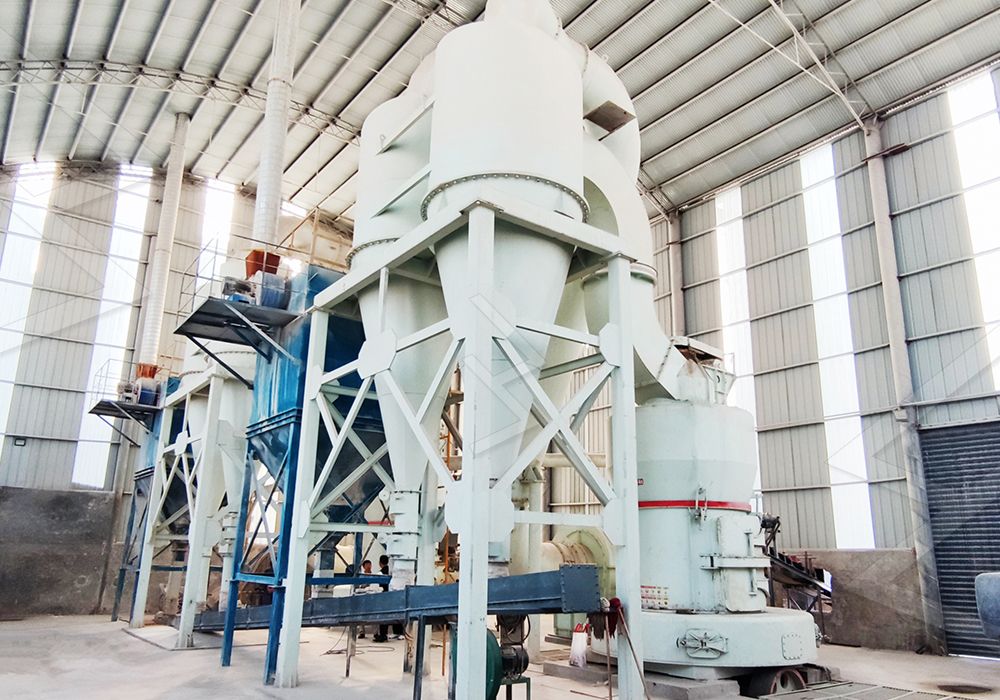
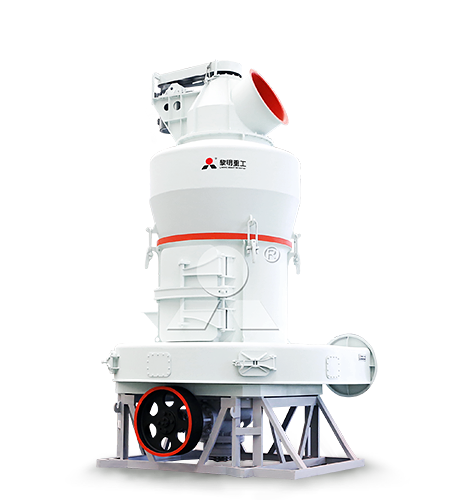
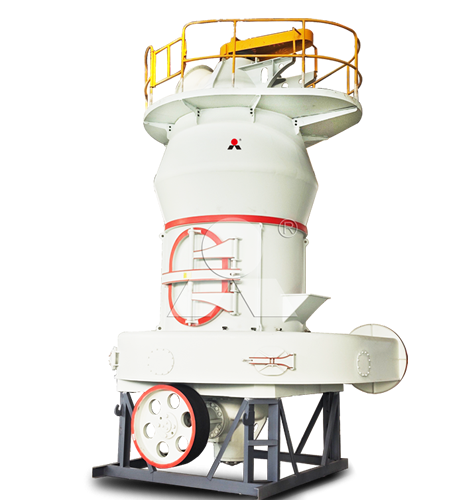
For basic size reduction, coarse crushing is usually the first step. After marble is broken into smaller pieces, it can be fed into specialized grinding equipment. A Raymond mill is a common choice for medium-fine processing, typically producing powders in the range of 80–400 mesh. With its simple structure, stable performance, and relatively low investment cost, this mill is widely applied in producing fillers and additives for general industrial use.
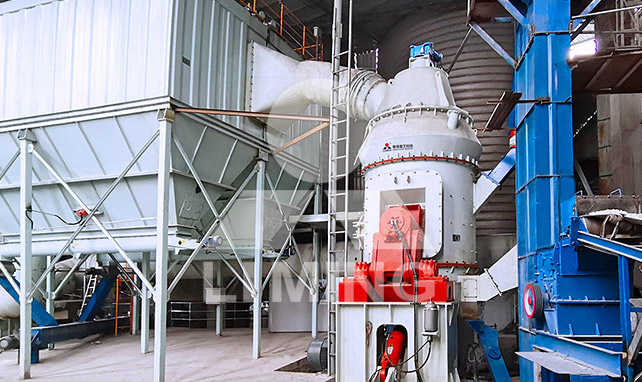
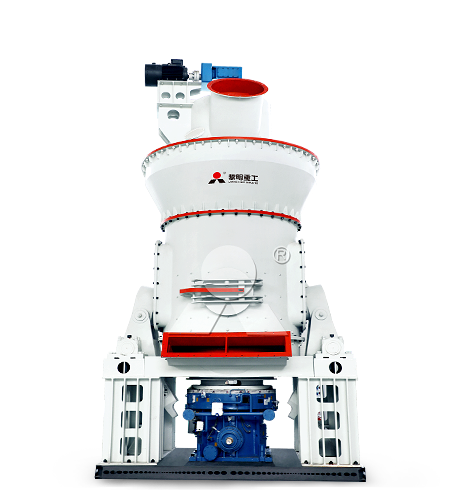
When the demand is for higher capacity and energy efficiency, vertical grinding mills offer an advanced solution. These mills integrate crushing, drying, grinding, and classifying in one unit, making them suitable for large-scale production. Vertical mills can process marble into powders of 200–600 mesh with consistent particle size distribution. Their low power consumption and reduced maintenance make them ideal for enterprises aiming to optimize production costs while ensuring product quality.
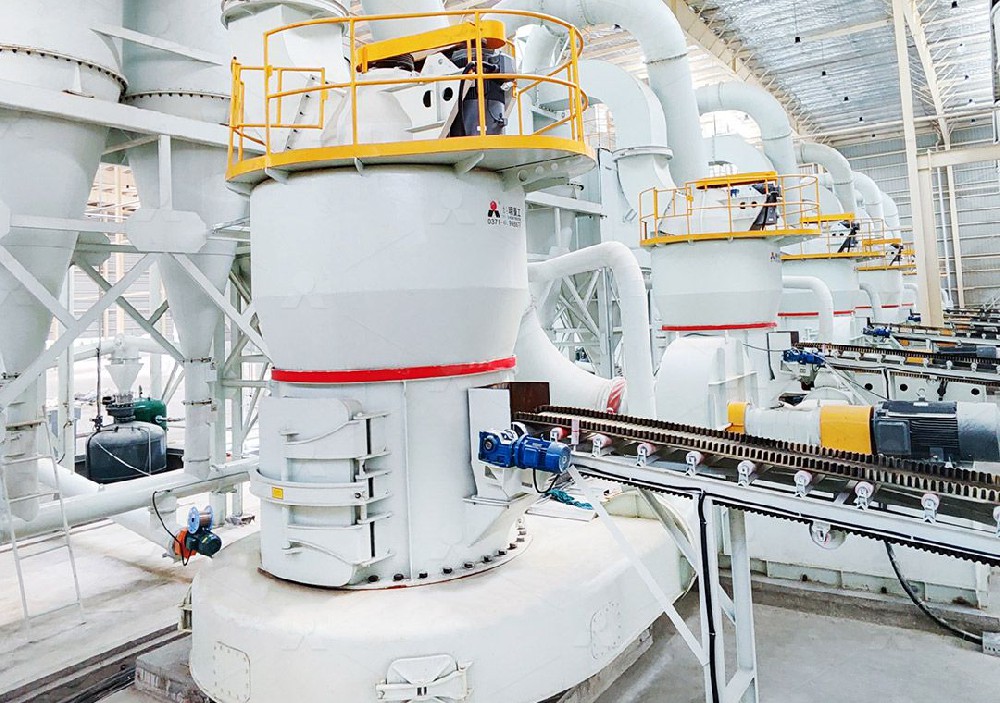
For industries that require extremely fine powders, such as coatings, high-performance fillers, or specialty chemical applications, ultra-fine grinding mills are the preferred option. These machines are capable of achieving fineness up to 3000 mesh, producing powders with narrow particle size distribution and high whiteness. This level of processing ensures that the final marble powder meets the stringent standards required in advanced manufacturing sectors.
In addition to grinding capacity and fineness, the choice of mill also depends on factors such as energy efficiency, maintenance needs, dust collection systems, and automation level. A well-designed production line will integrate feeding, grinding, classifying, and dust removal to ensure smooth operation, environmental compliance, and consistent product quality.
Liming Heavy Industry offers a complete range of marble grinding solutions, including Raymond mills, vertical mills, and ultra-fine mills. With years of experience in mineral processing equipment, the company provides reliable machines that combine efficiency, durability, and modern design. Backed by professional technical support and after-sales service, these grinding systems help enterprises maximize productivity and secure long-term competitiveness in the marble powder industry.
FAQ
Q: What fineness can a Raymond mill achieve for marble?
A: Typically between 80–400 mesh, suitable for general industrial applications.
Q: Why choose a vertical mill for marble processing?
A: It offers large capacity, low energy consumption, and consistent product quality for 200–600 mesh powders.
Q: What applications require ultra-fine marble powder?
A: High-performance coatings, plastics, paints, and specialty chemical products often demand powders up to 3000 mesh.
Q: What advantages come with choosing Liming Heavy Industry?
A: The company delivers advanced grinding technology, a full range of equipment options, and professional service to ensure efficient and reliable production.
Related Industry News


Liming Heavy Industry to Attend the 140th Canton Fair
2026-09-25

Liming Heavy Industry at bauma CONEXPO INDIA 2026 | Booth 5-C6
2026-09-07
Turnkey Raw Mill Cement Plant in Saudi Arabia: Design and Installation
2026-09-03
Cement Raw Mill Supplier in Indonesia: Cost and Configuration Analysis
2026-09-01
Liming Heavy Industry to Exhibit at the 24th Global Gypsum Conference & Exhibition in Turkey
2026-08-31
Complete Mineral Processing Solutions
Convenient Reliable Professional Efficient Get Your Quote
Please feel free to submit your inquiry information to us. We will contact with you as soon as possible.
Our team will contact you as soon as possible.