


Barite, or barium sulfate (BaSO₄), is a non-metallic mineral recognized for its high density, chemical stability, and versatility. It is widely used in drilling muds, paints, chemicals, and pharmaceuticals. To be suitable for these applications, raw barite ore must be processed into fine powder—typically between 200 and 400 mesh. A reliable grinding plant, combining primary crushing and fine milling, is the key to unlocking its industrial value.
Stage 1: Coarse Crushing with a Jaw Crusher
Processing begins with reducing raw barite lumps to manageable sizes. A jaw crusher is particularly suited for this task due to its ability to handle high-density, abrasive materials. Large feed openings, strong crushing force, and wear-resistant parts allow it to break down barite efficiently to particles under 25 mm. By producing uniform feed material, the jaw crusher not only improves downstream grinding efficiency but also helps lower energy consumption across the system.
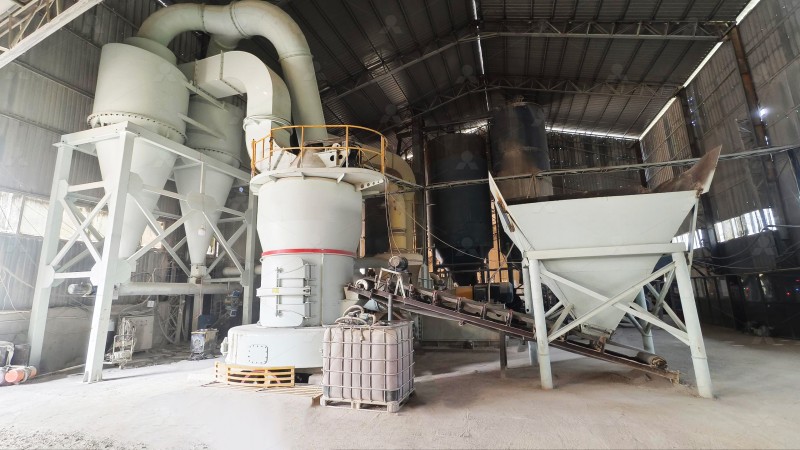
Stage 2: Fine Grinding with a Raymond Mill
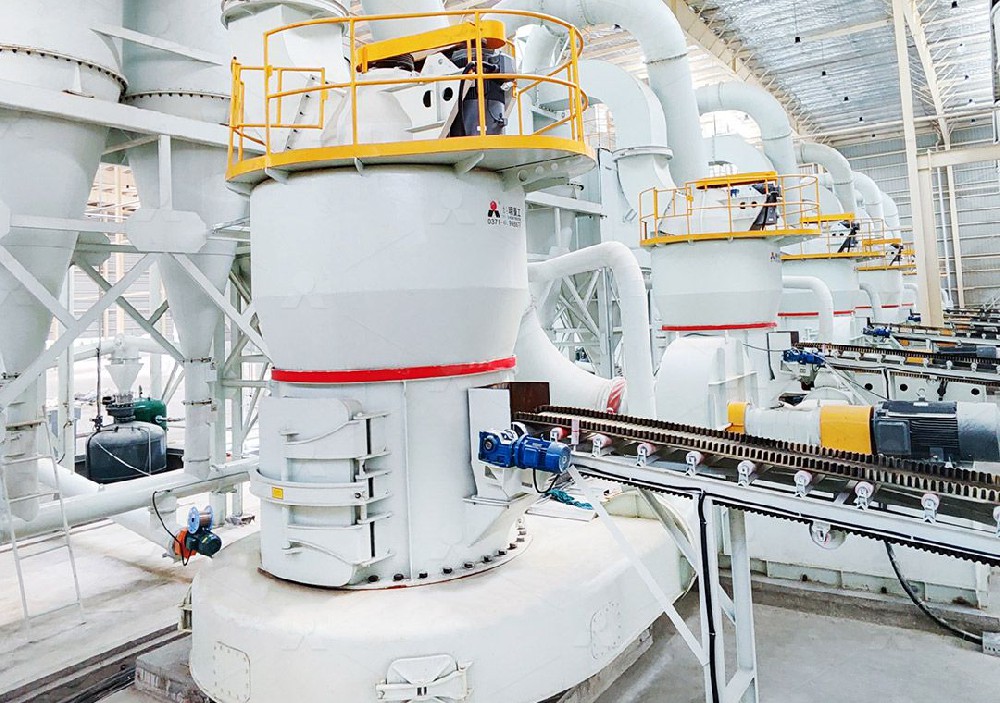
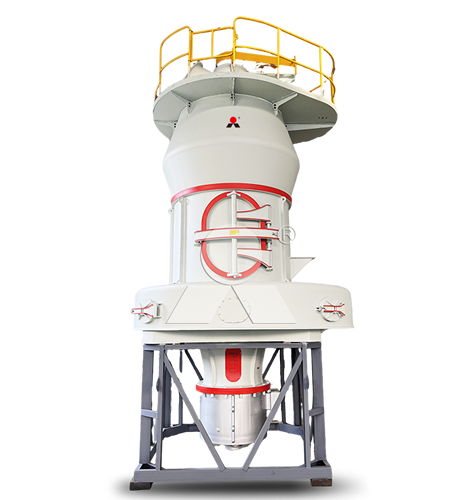
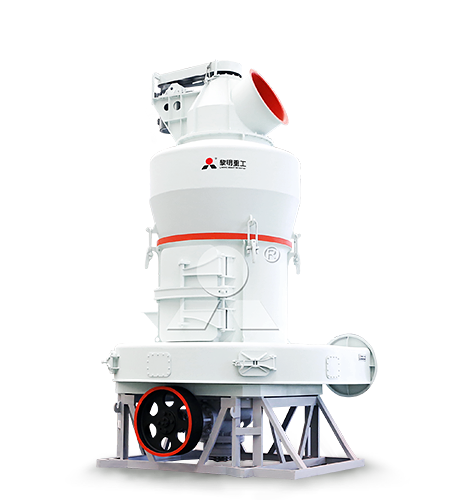
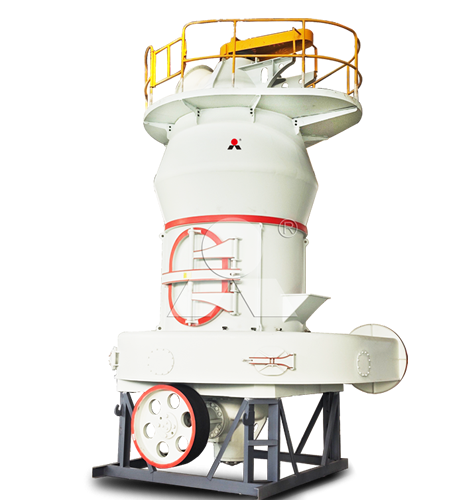
Once crushed, the material moves to the Raymond mill for fine grinding. Known for its reliability in processing non-metallic minerals, this mill ensures precise particle size control and consistent powder quality. With a built-in classifier, it produces barite powder within the required 200–400 mesh range. At the same time, its centralized control, low vibration, and dust-controlled operation make it a clean and stable choice for continuous production.
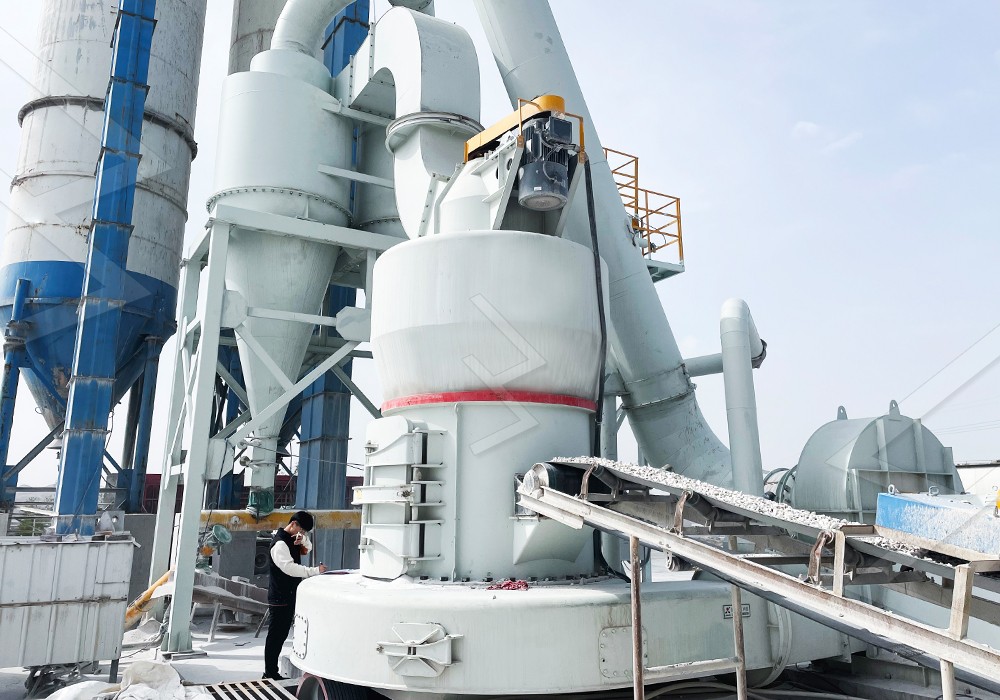
Integrated Plant Design for Barite Producers
A complete barite grinding line typically consists of feeding equipment, jaw crusher, conveyors, dust collection systems, Raymond mill, and powder collection units. When designed and installed as a turnkey system, this arrangement minimizes downtime during setup, ensures coordinated operation of each stage, and reduces overall project costs. With technical support, spare parts supply, and customized layouts, producers can achieve both reliability and long-term profitability.
Why This Combination Works
The pairing of a jaw crusher for coarse reduction and a Raymond mill for fine grinding offers an efficient and balanced approach. The crusher prepares the ore to the right size, and the mill delivers the precision required for high-value powder products used in global industries. This combination ensures not just efficiency, but also product consistency and compliance with quality standards.
Conclusion
A complete grinding plant built around a jaw crusher and Raymond mill provides a robust solution for barite producers. It guarantees stable operation, reduced maintenance, and cost-effective performance. Whether expanding output or upgrading existing facilities, companies adopting this setup can achieve competitive advantages in barite powder production for markets worldwide.
Related Industry News


Liming Heavy Industry to Attend the 140th Canton Fair
2026-09-25

Liming Heavy Industry at bauma CONEXPO INDIA 2026 | Booth 5-C6
2026-09-07
Turnkey Raw Mill Cement Plant in Saudi Arabia: Design and Installation
2026-09-03
Cement Raw Mill Supplier in Indonesia: Cost and Configuration Analysis
2026-09-01
Liming Heavy Industry to Exhibit at the 24th Global Gypsum Conference & Exhibition in Turkey
2026-08-31
Complete Mineral Processing Solutions
Convenient Reliable Professional Efficient Get Your Quote
Please feel free to submit your inquiry information to us. We will contact with you as soon as possible.
Our team will contact you as soon as possible.