


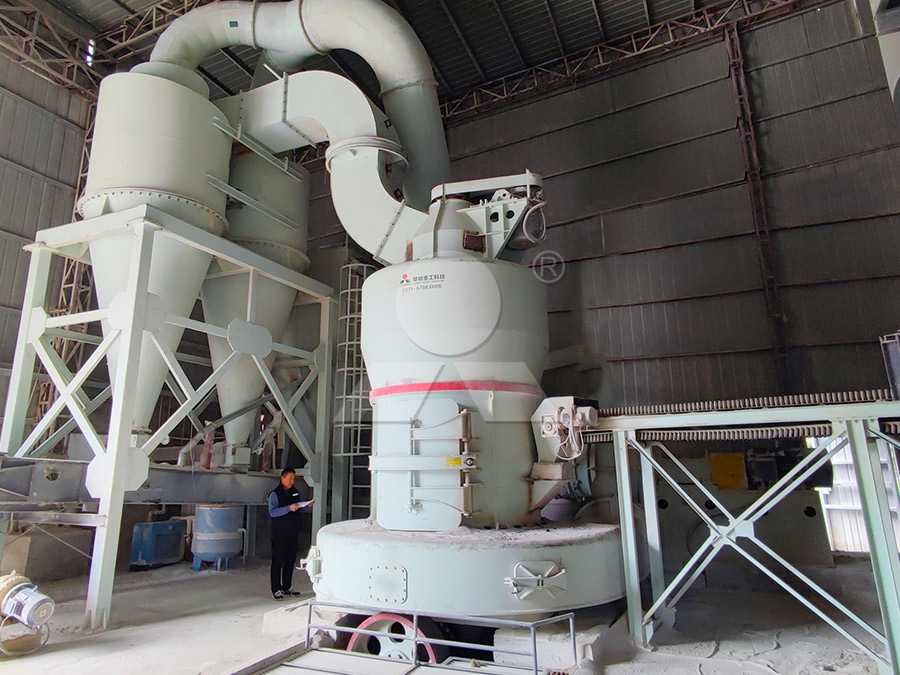
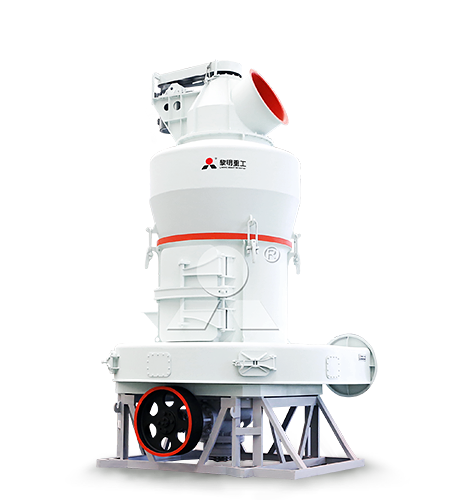
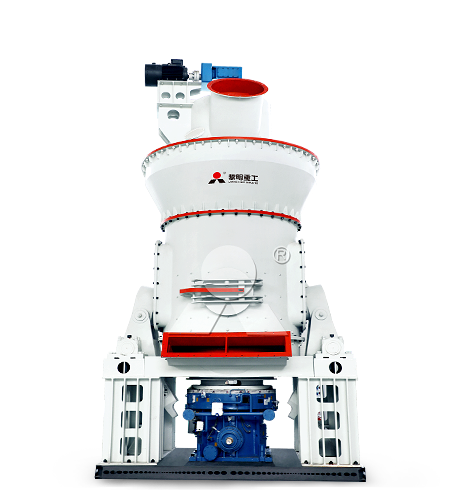
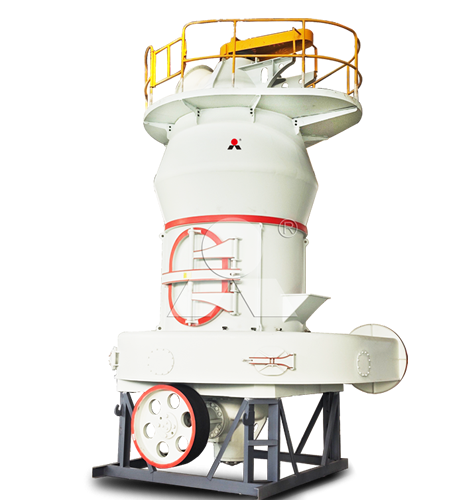
Raymond mills are a mainstay in industries ranging from mining to construction and chemical manufacturing, where they are used to grind raw minerals such as limestone, calcite, gypsum, and barite into fine powders. Choosing the right mill model is a key decision: it influences productivity, cost control, and product consistency. Below are the main factors to keep in mind when selecting equipment.
1. Material Properties
Every mineral behaves differently under grinding. Hardness, abrasiveness, and moisture content should guide your choice.
Soft minerals (limestone, calcite): A 3R or 4R Raymond mill usually delivers the required performance.
Harder feedstocks (quartz, feldspar): Heavier-duty 5R or 6R models with higher grinding force are more effective.
Moisture-sensitive materials: Mills with integrated drying systems, or paired with pre-dryers, are essential to prevent blockages.
2. Desired Powder Fineness
Raymond mills typically handle 80–600 mesh production.
80–200 mesh (coarse powders): 3R/4R models fit well.
200–400 mesh (fine powders): Larger 5R/6R units with high-pressure systems are preferred.
400–600 mesh (ultrafine powders): Consider mills with specialized classifiers or even ultrafine alternatives.
3. Production Scale
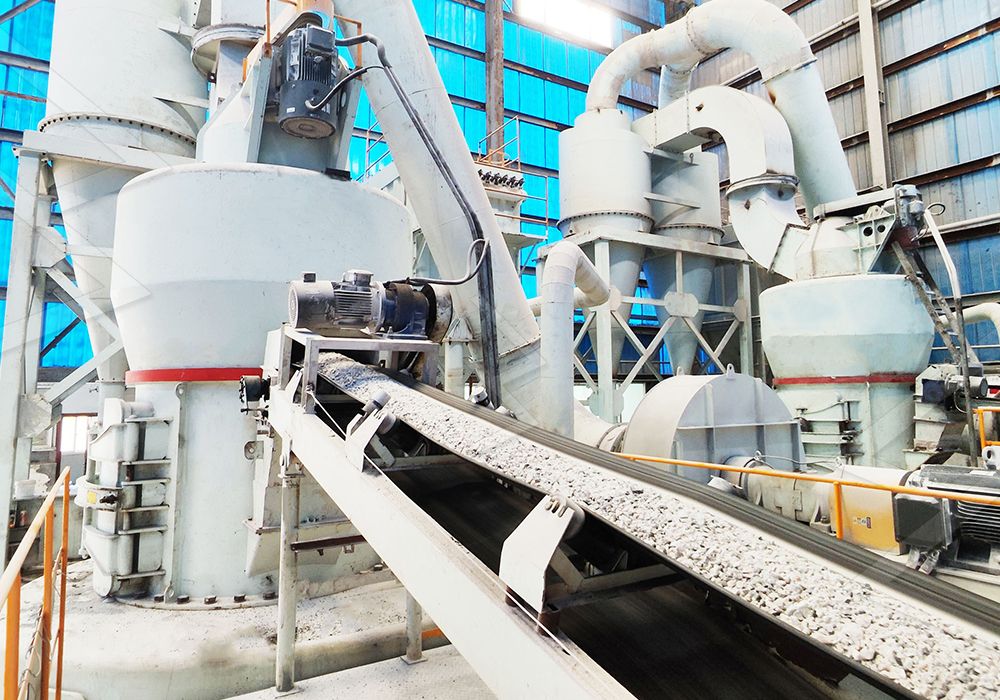
Small operations (1–5 tons/hour): 3R/4R models are economical.
Medium operations (5–20 tons/hour): 4R/5R mills balance efficiency and output.
Large operations (20+ tons/hour): 6R mills or multiple units in tandem are recommended.
4. Energy and Operating Costs
Look for mills equipped with frequency-controlled motors to save electricity. Wear-resistant grinding parts lower replacement frequency, while automated systems reduce manual intervention and improve stability.
5. Durability and Serviceability
Strong alloy rollers extend service life, while easy-access maintenance designs simplify daily upkeep. Equally important is after-sales support—quick access to spare parts and reliable service minimizes downtime.
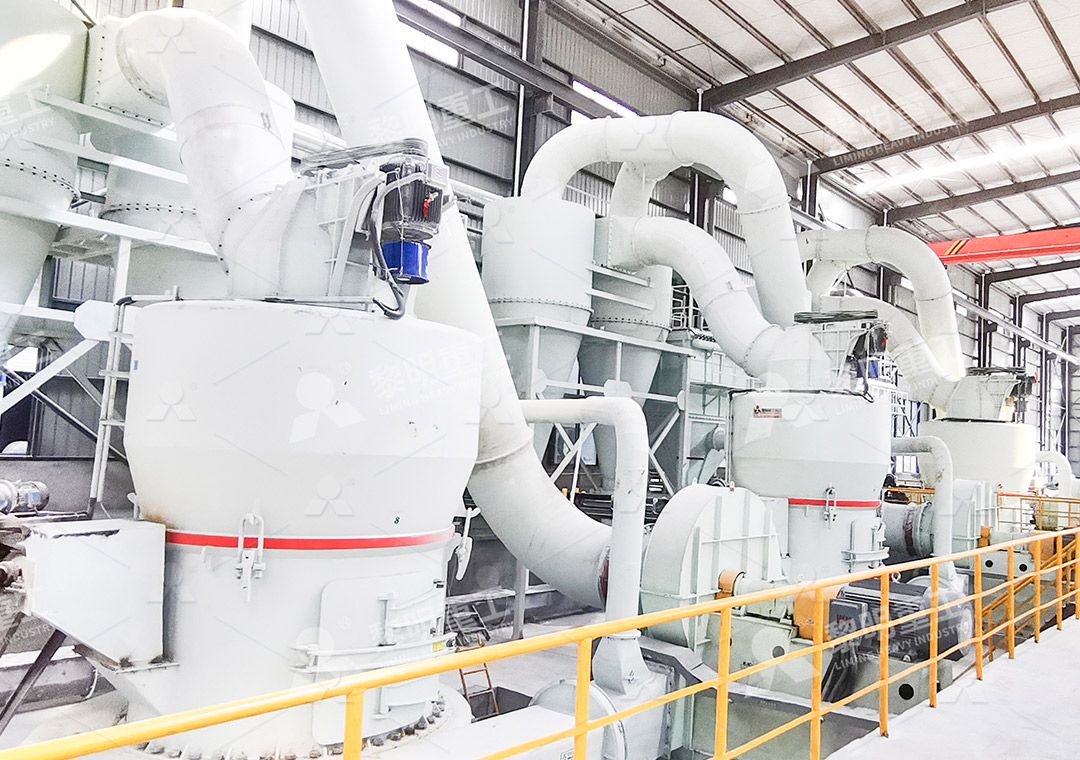
In summary: the right Raymond mill is selected by aligning the machine's specifications with material properties, fineness targets, capacity needs, and long-term operating costs. A carefully chosen mill not only ensures high efficiency but also maximizes return on investment across industrial grinding applications.
Related Industry News


Liming Heavy Industry to Attend the 140th Canton Fair
2026-09-25

Liming Heavy Industry at bauma CONEXPO INDIA 2026 | Booth 5-C6
2026-09-07
Turnkey Raw Mill Cement Plant in Saudi Arabia: Design and Installation
2026-09-03
Cement Raw Mill Supplier in Indonesia: Cost and Configuration Analysis
2026-09-01
Liming Heavy Industry to Exhibit at the 24th Global Gypsum Conference & Exhibition in Turkey
2026-08-31
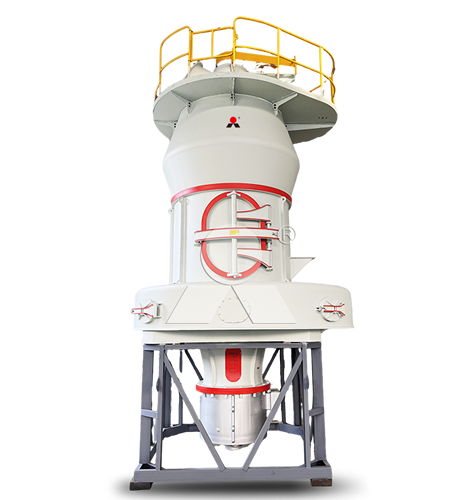
Complete Mineral Processing Solutions
Convenient Reliable Professional Efficient Get Your Quote
Please feel free to submit your inquiry information to us. We will contact with you as soon as possible.
Our team will contact you as soon as possible.