


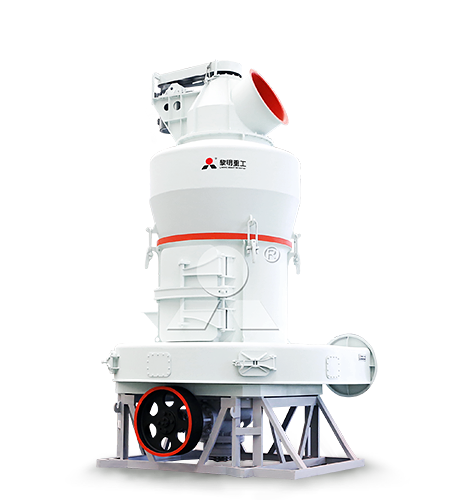
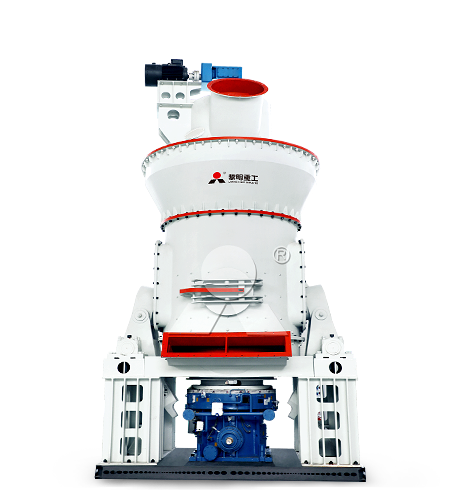
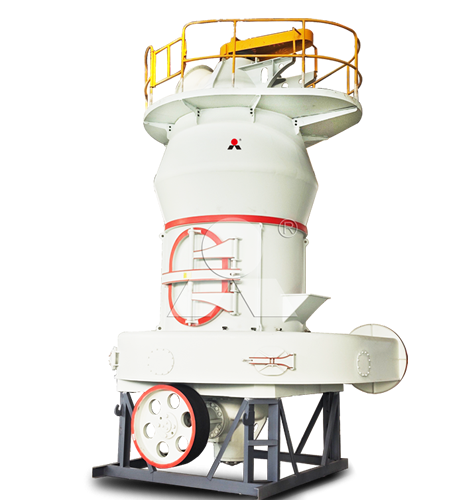
Raymond Mill is one of the most commonly used grinding machines in the field of mineral processing. With its stable performance, precise fineness control, and energy-efficient design, it plays a vital role in industries such as mining, construction materials, chemical engineering, and metallurgy. Typical materials processed include limestone, calcite, gypsum, barite, dolomite, and other non-metallic minerals.
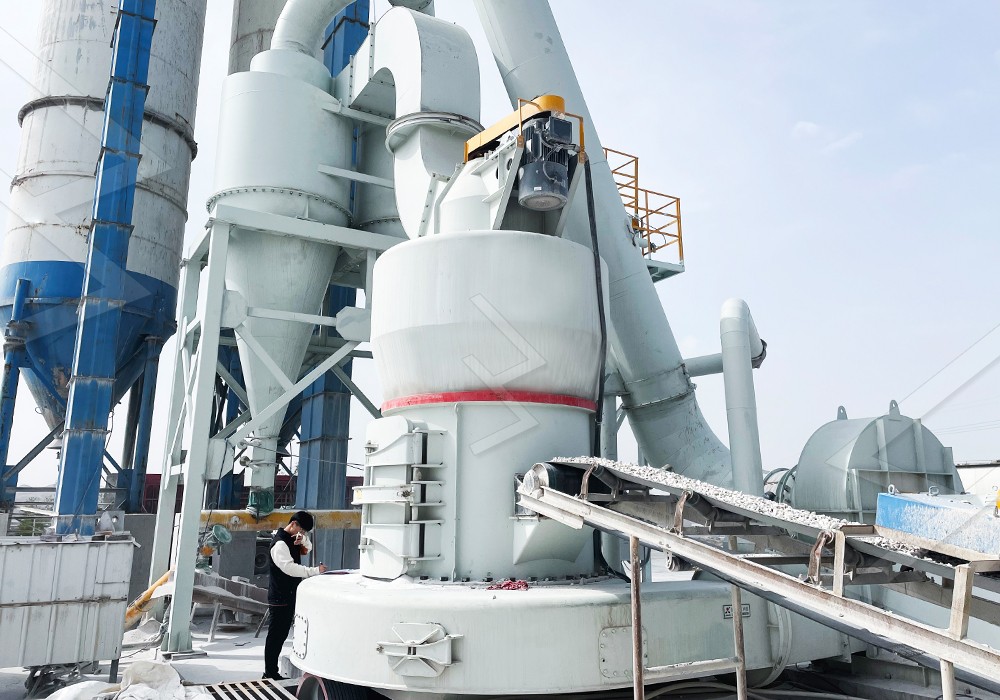
Working Principle of Raymond Mill
The grinding process inside a Raymond Mill can be divided into four main stages:
1. Material Feeding
Raw materials are evenly delivered into the grinding chamber through a conveyor or vibrating feeder. Proper feeding ensures stable operation and uniform grinding efficiency.
2. Grinding Action
At the heart of the mill are grinding rollers and a grinding ring. Driven by the main shaft, the rollers rotate and press against the ring with strong centrifugal force. As the material is caught between the rollers and the ring, it is crushed and ground into fine particles.
3. Airflow Classification
The ground material is carried upward by high-speed airflow into the classifier. This system separates fine powder from coarser particles. Qualified fine powders pass through to the next stage, while oversized particles fall back for repeated grinding. This circulation guarantees uniform particle size distribution.
4. Collection of Final Product
The finished powder is collected through a cyclone separator or high-efficiency dust collector. Clean air is either released into the atmosphere or recirculated within the system. The resulting fine powder can then be packaged directly or used as feedstock for further industrial processes.
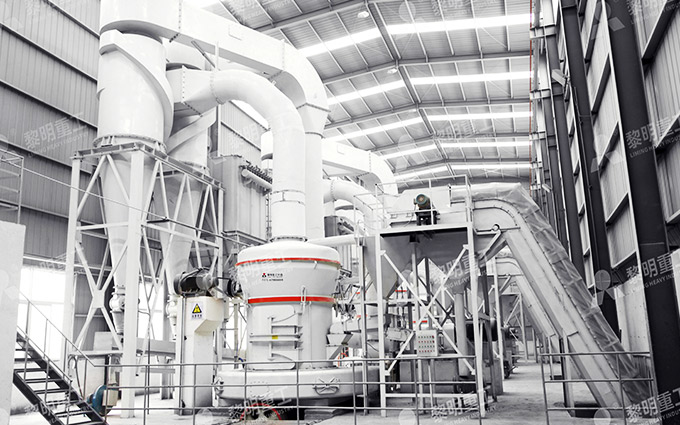
Advantages of Raymond Mill
High Grinding Efficiency – Produces fine powders with relatively low energy consumption compared to traditional mills.
Adjustable Fineness – Finished powder fineness can be controlled precisely, typically within 80–600 mesh, and even higher with special configurations.
Stable and Durable Design – Robust components and wear-resistant parts ensure continuous operation and long service life.
Environmental Protection – Equipped with advanced dust collection systems to meet modern emission standards.
Wide Application Range – Capable of processing a variety of non-metallic minerals, making it highly versatile for different industries.
Conclusion
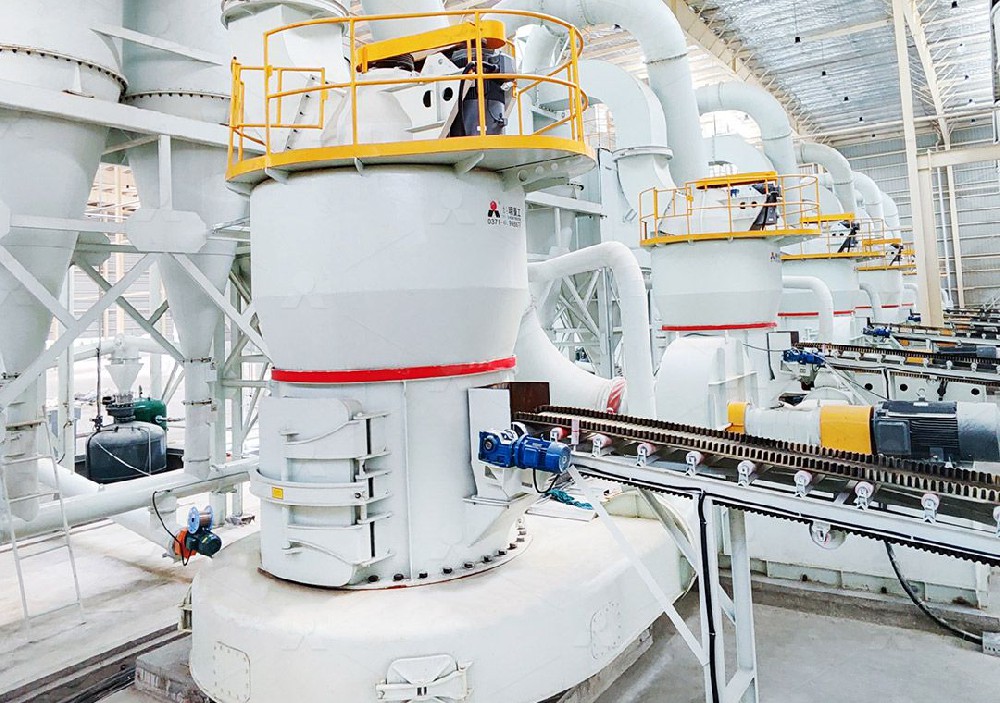
By combining mechanical grinding with airflow classification, Raymond Mill provides a reliable, efficient, and flexible solution for producing fine mineral powders. Its proven design, ease of operation, and adaptability make it an essential piece of equipment in modern industrial grinding systems.
Related Industry News


Liming Heavy Industry to Attend the 140th Canton Fair
2026-09-25

Liming Heavy Industry at bauma CONEXPO INDIA 2026 | Booth 5-C6
2026-09-07
Turnkey Raw Mill Cement Plant in Saudi Arabia: Design and Installation
2026-09-03
Cement Raw Mill Supplier in Indonesia: Cost and Configuration Analysis
2026-09-01
Liming Heavy Industry to Exhibit at the 24th Global Gypsum Conference & Exhibition in Turkey
2026-08-31
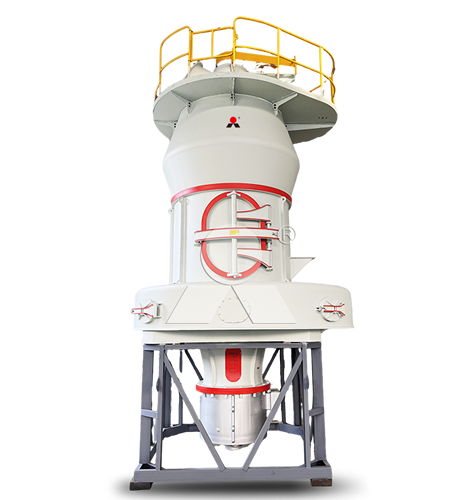
Complete Mineral Processing Solutions
Convenient Reliable Professional Efficient Get Your Quote
Please feel free to submit your inquiry information to us. We will contact with you as soon as possible.
Our team will contact you as soon as possible.