


Limestone is one of the most abundant and widely distributed non-metallic mineral resources on Earth. For centuries, it has been used primarily for construction, cement production, road aggregates, and traditional lime manufacturing. However, as industries worldwide pursue resource efficiency, environmental sustainability, and higher-value materials, limestone processing has evolved far beyond basic calcination.
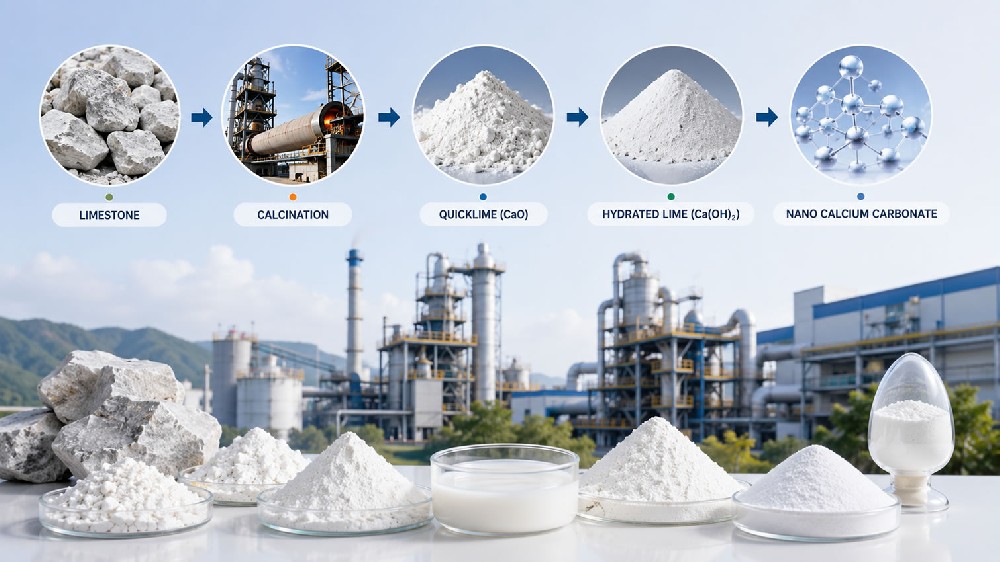
Today, the global lime industry is rapidly shifting toward value-added products such as reactive quicklime, high-surface-area hydrated lime, precipitated calcium carbonate (PCC), nano calcium carbonate (Nano CaCO₃), food-grade calcium products, and environmental treatment reagents. These advanced products play essential roles in steelmaking, flue gas desulfurization, wastewater treatment, plastics, rubber, pharmaceuticals, food processing, paper manufacturing, and numerous emerging industries.
As governments tighten environmental regulations and manufacturers seek higher-performance materials, deep processing of limestone is becoming one of the most promising segments of the global industrial minerals market.
Understanding the Basics: Limestone, Quicklime, and Hydrated Lime
The limestone value chain begins with calcium carbonate (CaCO₃), the primary component of limestone.
Limestone (CaCO₃)
Limestone is a sedimentary rock composed mainly of calcium carbonate. Major limestone-producing regions include North America, Europe, China, India, Southeast Asia, the Middle East, and South America. Due to its abundance and relatively low extraction cost, limestone serves as the foundation for numerous downstream industries.
Quicklime (Calcium Oxide, CaO)
Quicklime is produced by calcining limestone at temperatures typically ranging from 900°C to 1,200°C in rotary kilns, vertical shaft kilns, or other advanced lime kilns.
The calcination process removes carbon dioxide and converts calcium carbonate into calcium oxide, creating a highly reactive alkaline material used throughout modern industry.
Quicklime is characterized by:
High chemical reactivity
Strong moisture absorption
High alkalinity
Excellent slag-forming capability
Strong neutralization properties
Globally, quicklime is widely used in metallurgy, environmental protection, chemical processing, construction materials, and infrastructure development.
Hydrated Lime (Calcium Hydroxide, Ca(OH)₂)
Hydrated lime is produced when quicklime reacts with water. This hydration process releases significant heat and produces a fine alkaline powder. Hydrated lime has been used for thousands of years in construction, but modern applications now extend into environmental engineering, specialty chemicals, pharmaceuticals, and food processing.
Reactive Lime: The Premium Product for Steel and Environmental Industries
Not all quicklime is created equal. In modern industrial applications, high-reactivity lime has become the preferred material due to its superior performance.
Reactive lime is typically characterized by:
High porosity
Low bulk density
Large specific surface area
Fine crystal structure
Low residual carbon dioxide content
Fast hydration rate
These properties significantly improve reaction efficiency in downstream processes.
Steelmaking
Steel remains the world's largest consumer of lime. Reactive lime is used as a slag-forming agent to remove sulfur and phosphorus, improve steel purity, increase furnace productivity, and reduce energy consumption. As steel producers increasingly adopt electric arc furnaces and low-carbon production technologies, demand for high-quality reactive lime continues to grow.
_1761355701097.jpg)
Flue Gas Desulfurization
Environmental regulations worldwide are driving demand for lime-based air pollution control systems. Reactive lime is widely used to remove sulfur dioxide from coal-fired power plants, waste-to-energy facilities, cement plants, and metal smelters.
Wastewater Treatment
Hydrated lime and reactive lime are used to neutralize acidic wastewater, remove heavy metals, adjust pH levels, and improve sludge dewatering efficiency.
Chemical Manufacturing
Reactive lime serves as a key raw material in the production of precipitated calcium carbonate, calcium carbide, alumina, calcium salts, and various specialty chemicals.
Major Value-Added Limestone Processing Products
The global limestone industry is increasingly focused on advanced calcium-based products with higher margins and broader industrial applications.
1. Nano Calcium Carbonate (Nano CaCO₃)
Nano calcium carbonate represents one of the highest-value products in the calcium industry. Produced through precisely controlled carbonation processes, nano calcium carbonate typically has particle sizes ranging from 1 to 100 nanometers.
Compared with conventional calcium carbonate, nano calcium carbonate offers:
Higher surface activity
Better dispersion
Superior reinforcement effects
Enhanced transparency
Improved rheological properties
Major applications include:
High-end plastics
Rubber products
Adhesives and sealants
Specialty coatings
Printing inks
Engineering composites
Premium paper products
As lightweight materials and advanced polymers become increasingly important, global demand for nano calcium carbonate is expected to expand rapidly.
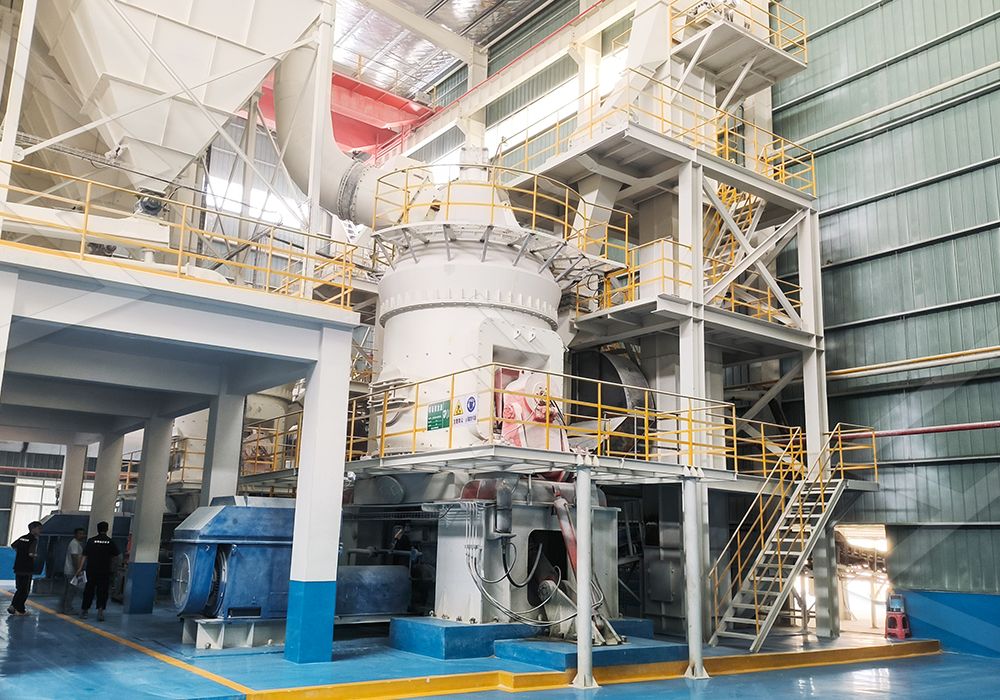
2. Precipitated Calcium Carbonate (PCC)
Precipitated calcium carbonate, commonly known as PCC or light calcium carbonate, is produced by carbonating lime milk with purified carbon dioxide.
Compared with ground calcium carbonate (GCC), PCC offers:
Controlled particle size
Higher purity
Better brightness
Improved performance consistency
Major applications include:
Paper manufacturing
Plastic compounds
Paints and coatings
Sealants
Rubber products
Personal care products
The paper and plastics industries remain the largest consumers of PCC worldwide.
3. High-Purity Hydrated Lime
Modern hydrated lime production goes far beyond traditional construction applications. High-purity hydrated lime is widely used in water treatment plants, pharmaceutical manufacturing, food processing, chemical synthesis, and environmental protection systems.
High-surface-area hydrated lime products are increasingly used in advanced air pollution control systems due to their enhanced reaction efficiency.
4. Lime-Based Functional Powders
Various refined calcium hydroxide powders are used in construction materials, interior wall putties, decorative coatings, environmental treatment systems, and soil stabilization projects.
These products provide improved whiteness, workability, durability, and environmental performance.
5. Industrial and High-Purity Calcium Oxide
Industrial-grade calcium oxide remains one of the most important alkaline materials in modern industry.
Major applications include:
Steelmaking
Non-ferrous metallurgy
Waste incineration
Flue gas treatment
Chemical processing
Leather manufacturing
Soil remediation
Infrastructure construction
High-purity grades are also used in food processing and pharmaceutical applications where strict impurity control is required.
6. Food-Grade and Pharmaceutical Calcium Products
Food-grade calcium carbonate, calcium oxide, and calcium hydroxide represent specialized market segments with strict quality standards.
Applications include:
Calcium supplements
Food additives
pH regulators
Pharmaceutical excipients
Nutritional fortification products
As health awareness grows globally, demand for high-purity calcium ingredients continues to rise.
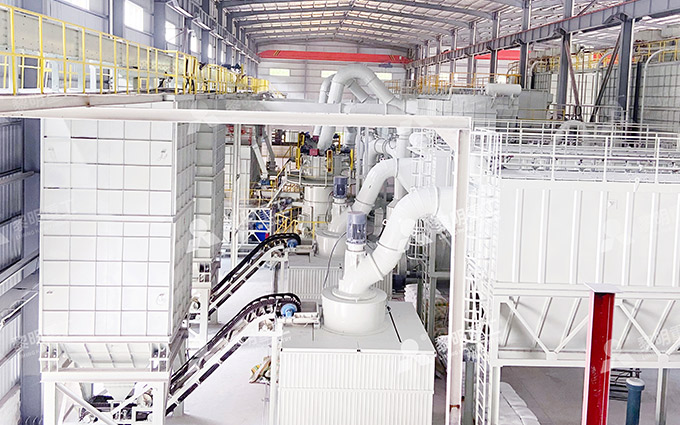
Global Market Trends and Industry Transformation
Transition from Commodity Products to Specialty Materials
Across North America, Europe, China, India, Southeast Asia, and the Middle East, lime producers are increasingly shifting from low-value construction lime toward specialty calcium products.
The main drivers include:
Higher profit margins
Growing environmental demand
Advanced manufacturing requirements
Increasing quality standards
Environmental Applications Drive Growth
Environmental protection has become one of the fastest-growing markets for lime products.
Key demand drivers include:
Flue gas desulfurization
Industrial wastewater treatment
Municipal water treatment
Soil remediation
Hazardous waste stabilization
Carbon capture technologies
Many countries are investing heavily in environmental infrastructure, creating long-term opportunities for calcium-based treatment products.
Expansion of High-End Calcium Carbonate Products
The global plastics, coatings, rubber, and adhesive industries increasingly require functional fillers with precisely controlled particle characteristics.
As a result, investment in:
Nano calcium carbonate
Surface-treated calcium carbonate
Ultrafine PCC
Functional calcium compounds
continues to accelerate worldwide.
Modern Lime Kilns and Sustainable Production
The future of the industry depends heavily on energy-efficient and environmentally friendly production technologies.
Modern lime plants increasingly adopt:
Rotary kilns
Twin-shaft regenerative kilns
Vertical shaft kilns with energy recovery
Digital process control systems
Waste heat recovery technologies
Carbon reduction solutions
These technologies improve product quality while reducing fuel consumption and emissions.
Future Outlook
The global limestone processing industry is undergoing a structural transformation. Traditional low-value lime production is gradually giving way to high-performance, high-purity, and environmentally focused calcium products.
Over the next decade, the strongest growth opportunities are expected in:
Steel industry upgrading
Environmental protection systems
Water treatment infrastructure
Advanced plastics and composites
Nano calcium carbonate production
Food-grade and pharmaceutical calcium products
Carbon capture and utilization technologies
Companies that invest in advanced lime kilns, high-purity calcium processing technologies, and value-added product development will be best positioned to capture future market growth.
Conclusion
Limestone is no longer simply a raw material for construction and basic lime production. Through modern processing technologies, it has evolved into a strategic industrial resource supporting metallurgy, environmental protection, advanced materials, pharmaceuticals, food production, and sustainable infrastructure development.
From reactive quicklime and high-surface-area hydrated lime to precipitated calcium carbonate and nano calcium carbonate, the limestone value chain continues to expand into higher-value applications. As global industries prioritize cleaner production, higher efficiency, and better material performance, value-added calcium products will remain at the center of future industrial development.
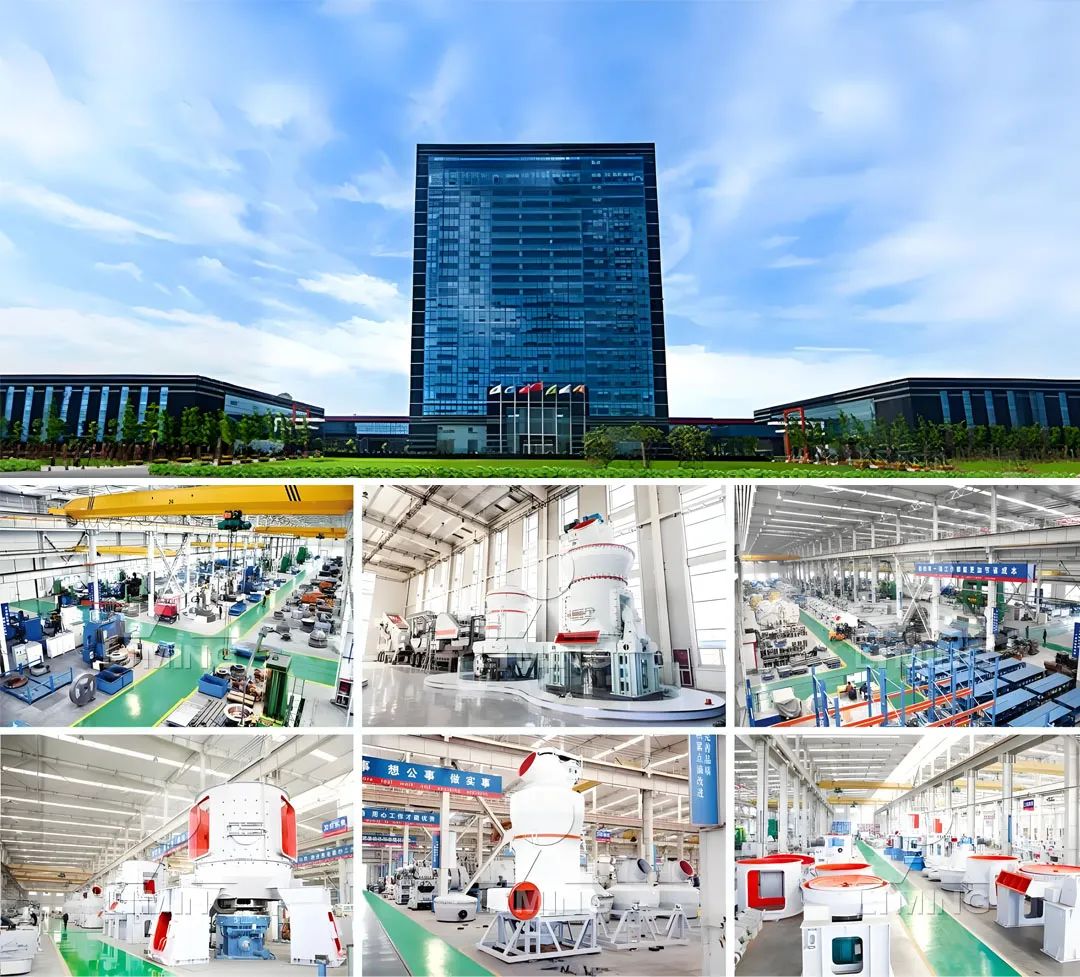
About Liming Heavy Industry
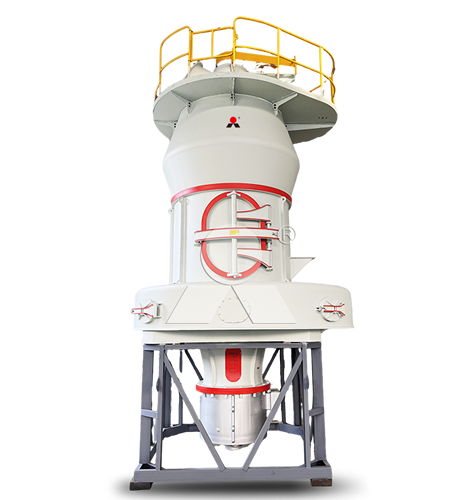
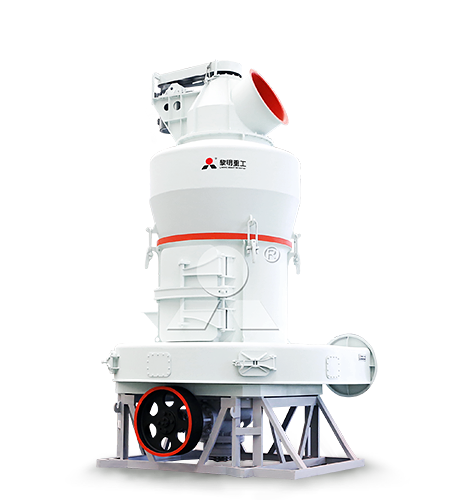
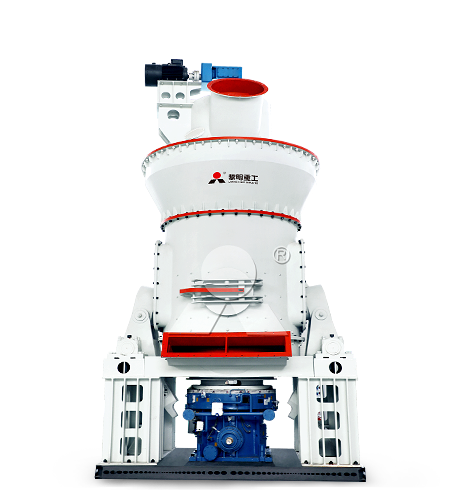
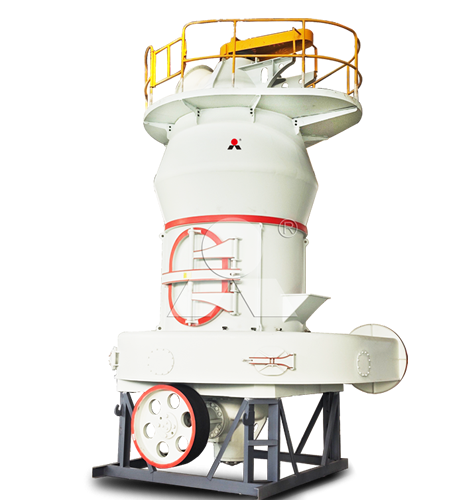
Liming Heavy Industry is a global manufacturer of grinding mills, lime kilns, and complete mineral processing solutions. The company provides advanced equipment for limestone crushing, grinding, calcination, hydration, classification, and calcium carbonate production. With extensive experience serving customers worldwide, Liming Heavy Industry delivers turnkey solutions for quicklime plants, hydrated lime plants, PCC production lines, nano calcium carbonate projects, and other high-value limestone processing applications.
Related News


Liming Heavy Industry at bauma CONEXPO INDIA 2026 | Booth 5-C6
2026-09-07

Turnkey Raw Mill Cement Plant in Saudi Arabia: Design and Installation
2026-09-03
Cement Raw Mill Supplier in Indonesia: Cost and Configuration Analysis
2026-09-01
Liming Heavy Industry to Exhibit at the 24th Global Gypsum Conference & Exhibition in Turkey
2026-08-31
Complete Calcium Carbonate Grinding and Coating Plant Solution
2026-08-29
Complete Mineral Processing Solutions
Convenient Reliable Professional Efficient Get Your Quote
Please feel free to submit your inquiry information to us. We will contact with you as soon as possible.
Our team will contact you as soon as possible.