


Summary:
Marble powder for artificial stone manufacturing should be ground to a controlled particle-size distribution rather than simply made as fine as possible. For conventional calcium carbonate filler applications, a Raymond Mill or MTW European Grinding Mill may be suitable when the required fineness and capacity fall within their practical operating ranges.
Details:
Marble powder for artificial stone manufacturing should be ground to a controlled particle-size distribution rather than simply made as fine as possible. For conventional calcium carbonate filler applications, a Raymond Mill or MTW European Grinding Mill may be suitable when the required fineness and capacity fall within their practical operating ranges. Finer applications may require an MW Micro Powder Mill or LUM Ultrafine Vertical Roller Mill, while larger-capacity projects can be evaluated with an LM Vertical Roller Mill when its operating range matches the required product.
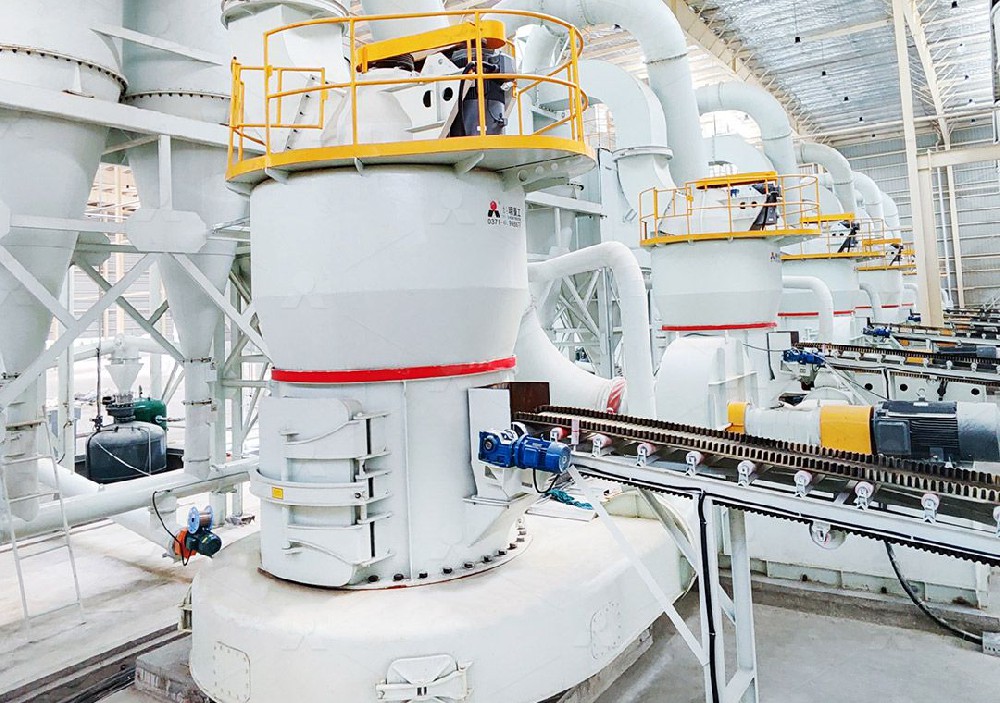
The correct grinding system depends on more than the fact that the raw material is marble. Engineers should consider marble composition, hardness, abrasiveness, feed size, moisture, required fineness, particle-size distribution, production capacity, and the formulation of the artificial stone. The objective is to produce a stable calcium carbonate filler that performs consistently in the downstream manufacturing process.
Start with the Marble Quality Before Selecting the Grinding Mill
The marble should be chemically and physically evaluated before the grinding equipment is selected because mineral impurities and material characteristics directly affect powder quality and grinding performance.
Natural marble is predominantly calcium carbonate, but the actual composition can vary. Depending on the deposit, it may contain quartz, dolomite, mica, clay minerals, iron-bearing minerals, or other impurities. These components can affect whiteness, purity, abrasiveness, and the behavior of the grinding system.
Important information to establish before equipment selection includes:
Calcium carbonate content and mineralogical composition
Whiteness and color
Hardness and abrasiveness
Feed size and feed-size distribution
Moisture content
Required powder fineness
Required production capacity
Required particle-size distribution
Final artificial-stone application and formulation
A chemical and mineralogical analysis is particularly important when the finished artificial stone requires high whiteness or controlled calcium carbonate purity. Grinding can reduce particle size, but it does not by itself remove every unwanted mineral impurity.
The Grinding Process Should Produce a Controlled Particle-Size Distribution
A typical dry marble powder production line consists of crushing, feed preparation, grinding, classification, dust collection, and finished-product handling.
A representative process is:
Marble lumps → Crushing → Feed preparation → Grinding → Classification → Dust collection → Finished marble powder
If the quarry supplies large marble lumps, crushing is normally required before grinding. The crusher reduces the feed to a size that the selected grinding mill can process consistently. Stable feed size helps reduce fluctuations in mill loading and product output.
After grinding, the classifier separates particles according to size. Fine particles meeting the product specification leave the grinding circuit, while coarse particles are returned for further grinding.
This classification stage is particularly important for artificial stone because particle-size distribution can be more important than a single nominal mesh value. Two powders may both be described as 325 mesh while having substantially different D50, D90, or D97 values and therefore different behavior in the final formulation.
_1767930326611.jpg)
The Required Fineness Depends on the Artificial-Stone Formulation
There is no single universal fineness requirement for marble powder used in artificial stone. The required particle size depends on the formulation, aggregate structure, binder system, surface-finish requirements, and desired physical properties of the finished product.
As a general processing reference, different marble powder applications may fall into ranges such as:
| Approximate product size | Potential application or processing role |
|---|---|
| 80–200 mesh | Coarser mineral filler or aggregate fraction |
| 200–400 mesh | Conventional fine filler applications |
| 600–1000 mesh | Fine calcium carbonate filler applications |
| 1250 mesh and above | Fine or ultrafine applications requiring tighter particle-size control |
These ranges are general engineering references rather than universal artificial-stone specifications. The actual target should be established from the formulation and product requirements.
For example, a producer requiring approximately 325-mesh marble powder does not normally need an ultrafine grinding system designed for micron-level powder. If the formulation requires a much finer calcium carbonate product, however, conventional grinding may no longer provide the required particle-size distribution efficiently.
Choose the Grinding Mill According to Fineness and Capacity
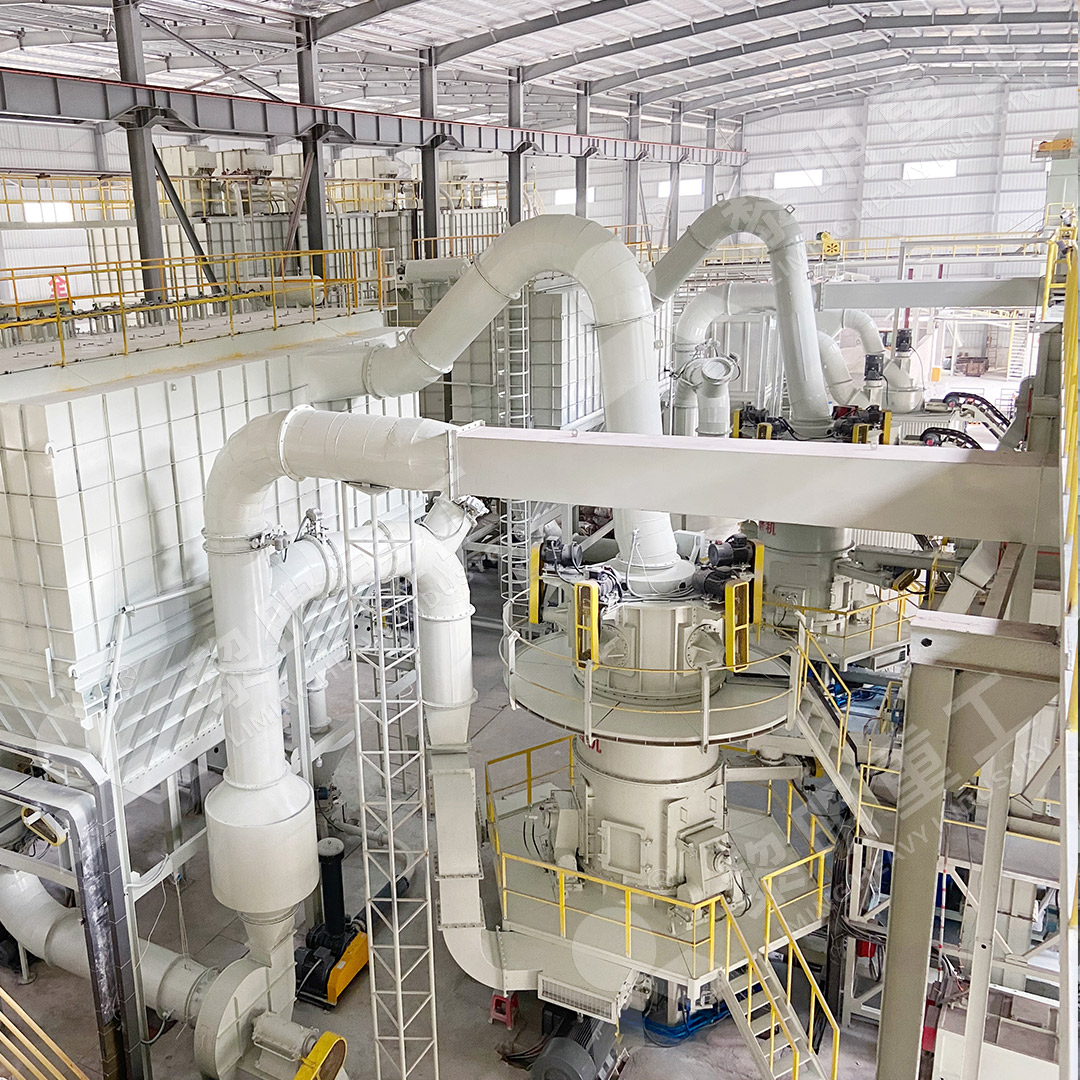
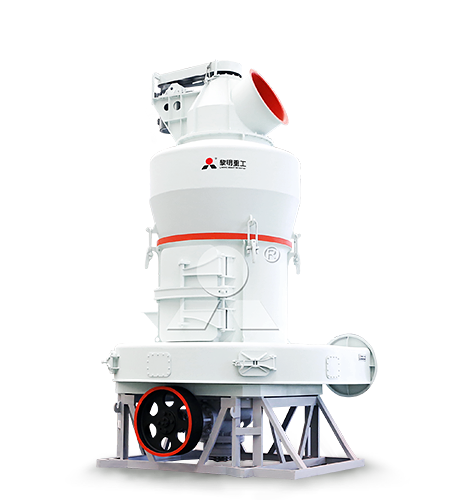
For conventional fine marble powder, Raymond Mill or MTW European Grinding Mill can be considered when the required fineness, capacity, and material characteristics fit their operating ranges. For larger-capacity applications, an LM Vertical Roller Mill may be evaluated when its operating conditions are compatible with the project.
For finer calcium carbonate powder, MW Micro Powder Mill or LUM Ultrafine Vertical Roller Mill becomes more relevant because these technologies are intended for finer product requirements and more intensive classification.
| Grinding technology | Typical selection situation |
|---|---|
| Raymond Mill | Conventional fine marble powder with moderate production requirements |
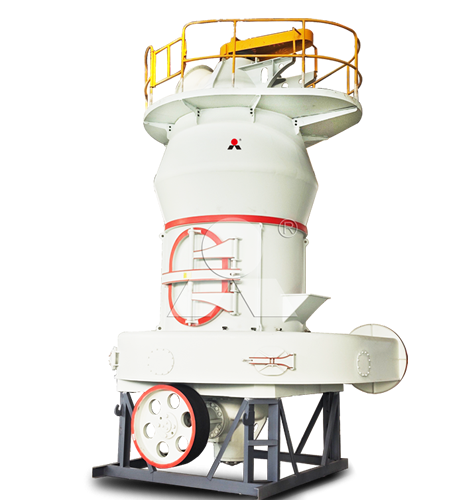
| MTW European Grinding Mill | Conventional to fine powder production where a larger industrial grinding system is required |
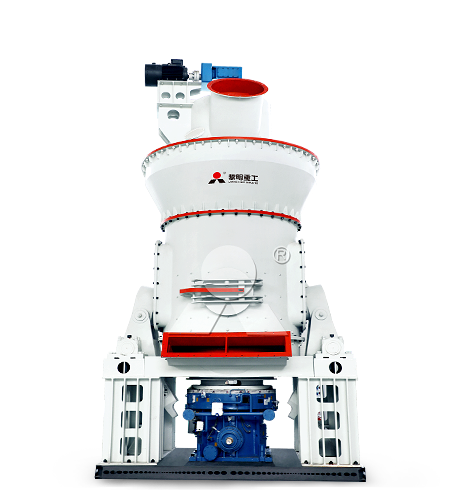
| LM Vertical Roller Mill | Larger-capacity grinding where the required fineness and material properties are compatible |
| MW Micro Powder Mill | Fine and ultrafine marble powder production |
| LUM Ultrafine Vertical Roller Mill | Industrial production of very fine calcium carbonate powder with controlled classification |
The specific model should not be selected from the material name alone. Feed size, capacity, fineness, moisture, abrasiveness, product requirements, and actual material testing should be considered together.
Why Classification Is Critical in Marble Powder Production
The classifier determines which particles have reached the required size and which particles must return to the grinding zone, making classification a critical part of fine marble powder production.
Grinding does not produce particles of exactly one size. Instead, it creates a distribution of particle sizes. The classifier controls the separation of coarse and fine material and therefore has a direct influence on final product quality and circulating load.
This is why a specification such as "325 mesh" does not completely describe a calcium carbonate powder. A more useful technical specification may include D50, D90, D97, or another particle-size distribution requirement.
For applications with tight product specifications, particle-size analysis should be incorporated into quality control. Laser particle-size analysis can be used to monitor the distribution and identify changes in grinding or classification performance.
Moisture Should Be Checked Before Dry Grinding
Moisture can affect feeding, grinding stability, classification, and powder handling, so the actual moisture of the marble feed should be measured before finalizing a dry grinding system.
Marble is not normally considered a highly moisture-sensitive grinding material, but quarry material may contain surface water because of rainfall, washing, wet handling, or storage conditions.
Excessive moisture can contribute to:
Material adhesion
Unstable feeding
Classification problems
Powder accumulation
Fluctuating product fineness
Reduced grinding stability
If the feed moisture is sufficiently high to interfere with stable dry grinding, a drying stage or another suitable moisture-control measure may be required. The need for drying should be determined from actual feed conditions rather than assumed solely from the material type.
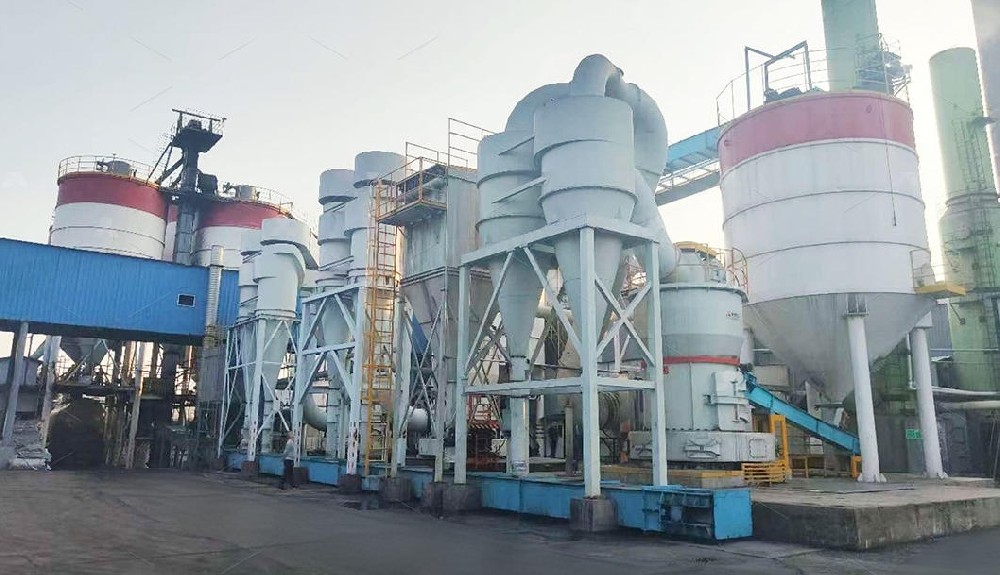
A 20 TPH Marble Powder Project Illustrates the Selection Process
Consider a preliminary project requiring 20 tph of marble powder at approximately 325 mesh. The nominal continuous production requirement would be:
20 tph × 24 hours = 480 tons per day
This calculation provides a production reference, but it does not mean that a mill should simply be selected with a nominal 20 tph rating. Actual equipment selection must account for the relationship between throughput, fineness, material grindability, operating hours, maintenance downtime, and feed variability.
Before selecting the grinding system, the engineering team should confirm:
Marble feed size
Required 325-mesh product specification
Calcium carbonate content
Feed moisture
Required operating schedule
Particle-size distribution requirements
Dust-emission requirements
Available installation conditions
For a conventional fine-powder requirement of this type, a Raymond Mill or MTW European Grinding Mill could be evaluated first. An LM Vertical Roller Mill may become relevant where a larger-capacity industrial grinding system is required and its fineness range matches the product specification.
If the same project instead required a calcium carbonate product in the 1–5 micron range, the equipment selection would be fundamentally different. An MW Micro Powder Mill or LUM Ultrafine Vertical Roller Mill would become more relevant because the process would require substantially finer grinding and tighter classification.
This illustrates an important equipment-selection principle: capacity alone is not sufficient to select a marble grinding mill.
Grinding Finer Than Necessary Can Increase Cost Without Improving the Product
The marble should be ground only as fine as the artificial-stone formulation requires because unnecessary ultrafine grinding can increase energy demand and reduce practical throughput without providing a corresponding product benefit.
As the target particle size becomes finer, the grinding and classification system generally becomes more demanding. Classifier performance, airflow, circulating load, grinding intensity, and operating stability become increasingly important.
If a formulation does not benefit from additional fineness, producing an unnecessarily fine powder can therefore be an inefficient use of grinding capacity.
A more rational design sequence is:
Artificial-stone requirements → Powder particle-size distribution → Grinding technology → Classification system → Mill capacity
This approach is more reliable than starting with a particular mill and attempting to adapt the final product to whatever fineness the equipment can produce.
_1767930568574.jpg)
A Complete Grinding Plant Requires More Than the Mill
A commercial marble powder production line should be designed as an integrated process rather than as a standalone grinding machine.
Depending on the project, the system may include:
Raw-material receiving
Crusher or feed-size reduction equipment
Feeding and conveying equipment
Grinding mill
Classifier
Induced-draft fan
Dust collector
Finished-product conveying
Finished-powder storage
Dust collection is particularly important because fine calcium carbonate becomes airborne during crushing, grinding, classification, conveying, and storage. Fan capacity, system resistance, duct arrangement, air leakage, and filter selection can all influence the stability of the grinding circuit.
The final process configuration should therefore be determined from the required capacity, material condition, product specification, plant layout, and applicable environmental requirements.
Test the Marble Before Final Equipment Selection
A representative marble sample should be evaluated before finalizing a new grinding plant, especially when the product has strict purity, whiteness, or particle-size requirements.
The engineering evaluation should ideally include:
Chemical composition
Mineralogical composition
Feed-size distribution
Moisture
Grindability
Abrasiveness
Required product fineness
Particle-size distribution
Required production capacity
For fine and ultrafine calcium carbonate applications, laboratory or pilot grinding tests can provide additional information about achievable fineness, classification behavior, throughput, and power requirements. This is particularly valuable when the marble contains significant non-carbonate minerals or when the finished powder must meet a narrow particle-size specification.
_1761361296294.jpg)
Final Engineering Recommendation
For artificial stone manufacturing, marble should generally be processed into a controlled calcium carbonate powder with a particle-size distribution matched to the formulation, rather than simply ground to the finest possible size.
For conventional fine marble powder, Raymond Mill or MTW European Grinding Mill can be practical options when their capacity and fineness ranges match the project. For larger-capacity applications, an LM Vertical Roller Mill may be evaluated. When the application requires genuinely fine or ultrafine calcium carbonate, an MW Micro Powder Mill or LUM Ultrafine Vertical Roller Mill becomes more appropriate.
The final selection should be based on the combination of marble composition, hardness, abrasiveness, feed size, moisture, required fineness, particle-size distribution, production capacity, and artificial-stone formulation.
For a new project, the most reliable starting point is to define the required product specification and provide a representative marble sample. The grinding technology can then be evaluated against the actual material and production target rather than relying on the material name alone.
Related FAQ


Liming Heavy Industry to Attend the 140th Canton Fair
2026-09-25

Liming Heavy Industry at bauma CONEXPO INDIA 2026 | Booth 5-C6
2026-09-07
Turnkey Raw Mill Cement Plant in Saudi Arabia: Design and Installation
2026-09-03
Cement Raw Mill Supplier in Indonesia: Cost and Configuration Analysis
2026-09-01
Liming Heavy Industry to Exhibit at the 24th Global Gypsum Conference & Exhibition in Turkey
2026-08-31
Complete Mineral Processing Solutions
Convenient Reliable Professional Efficient Get Your Quote
Please feel free to submit your inquiry information to us. We will contact with you as soon as possible.
Our team will contact you as soon as possible.