


Summary:
Fine talc powder is widely used in plastics, coatings, paper, and cosmetics. Producing high-quality talc powder requires suitable grinding equipment such as Raymond mills, ultrafine grinding mills, or vertical roller mills.
Details:
Characteristics of Talc and Grinding Requirements
Talc is a soft non-metallic mineral with excellent lubricity and chemical stability. Because of its layered crystal structure, talc can be easily ground into fine powder. However, different industrial applications require different levels of fineness and particle distribution.
For example, talc used in plastics, coatings, and paper manufacturing usually requires powder ranging from about 200 mesh to over 1000 mesh. Achieving consistent fineness while maintaining high production efficiency is an important goal in talc processing plants.
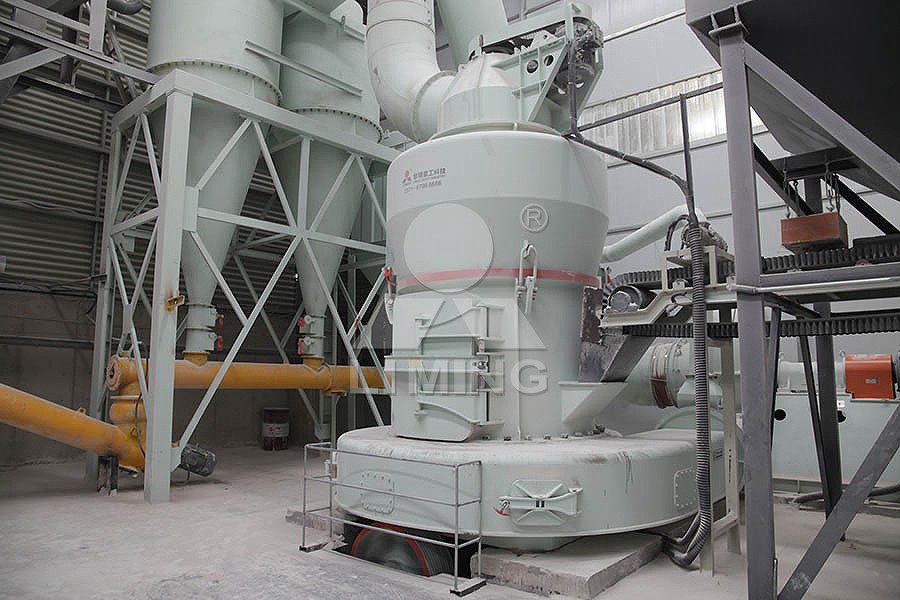
Raymond Mill for Medium-Fine Talc Powder
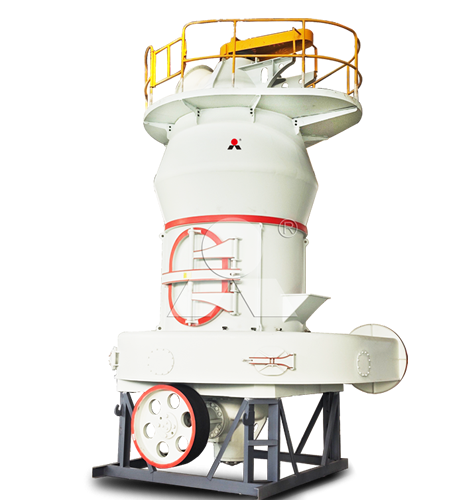
The Raymond grinding mill is commonly used to produce talc powder in the range of about 80 to 400 mesh. This type of mill uses grinding rollers and a grinding ring to crush and grind the mineral, while an internal classifier controls the final particle size.
Raymond mills are widely used in small and medium-sized talc processing plants because they offer reliable performance, stable operation, and relatively low investment cost.
Ultrafine Grinding Mill for High Fineness
When the application requires very fine talc powder, ultrafine grinding mills are often selected. These mills can produce powder with much higher fineness compared with traditional grinding equipment.
Ultrafine mills are suitable for industries that require very fine and uniform talc particles, such as high-end plastics, coatings, and specialty materials.
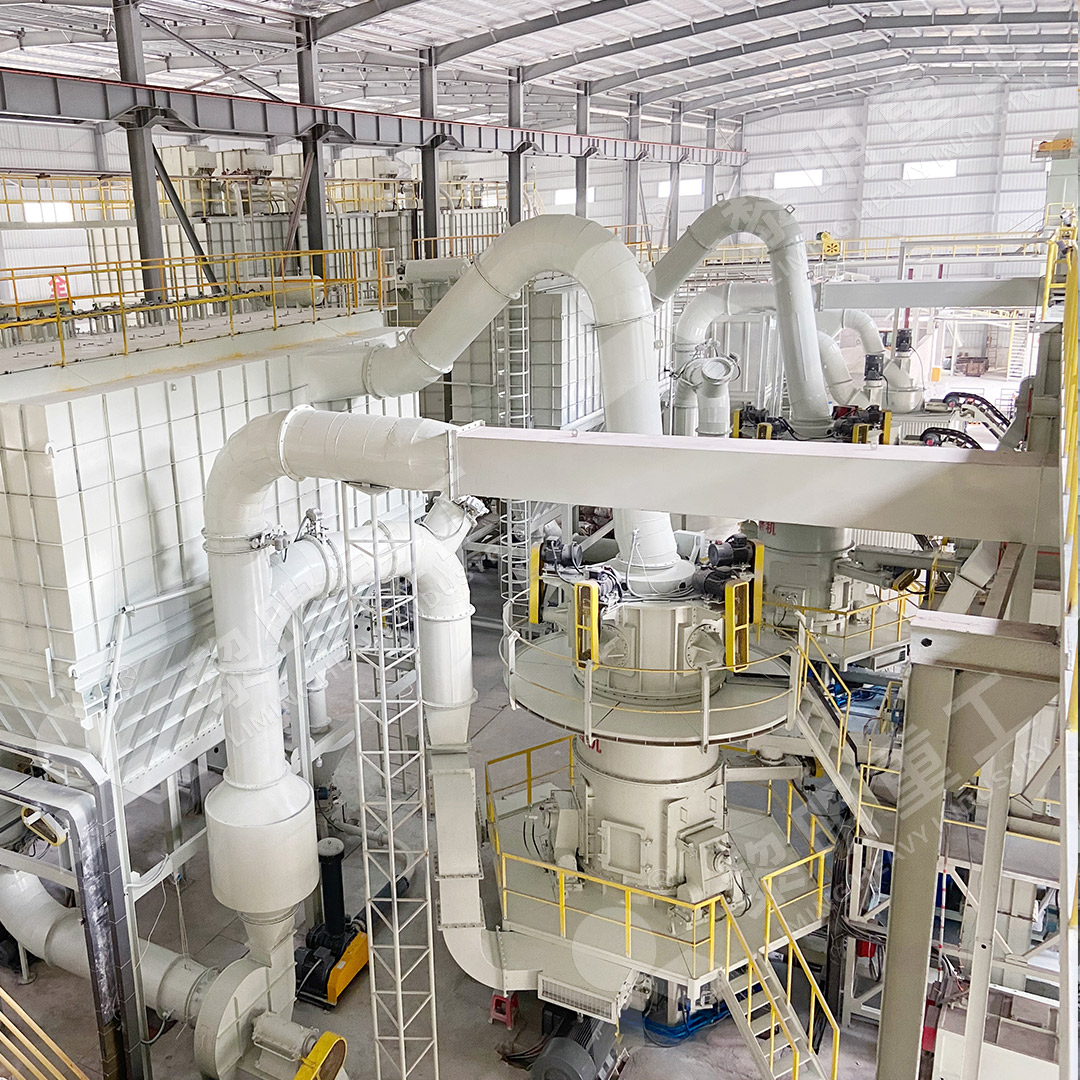
Typical Talc Powder Production Process
A typical talc grinding production line usually includes several key steps:
Crushing raw talc into smaller particles
Feeding the material into the grinding mill
Grinding and classifying the powder to reach the required fineness
Collecting and storing the finished talc powder
Choosing the Right Talc Grinding Machine
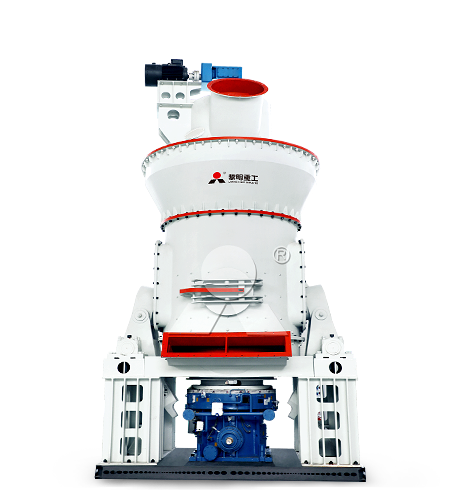
The best machine for talc powder processing depends on factors such as required product fineness, plant capacity, and investment budget. Raymond mills are suitable for general talc powder production, while ultrafine grinding mills are preferred when very fine powder is required. For large-scale operations, vertical roller mills can also provide efficient and stable grinding performance.
Related FAQ


Liming Heavy Industry to Exhibit at bauma CHINA 2026 – Visit Us at Booth E6.510
2026-10-15

Meet Liming Heavy Industry at the 140th Canton Fair 2026
2026-10-13
Liming Heavy Industry to Attend the 140th Canton Fair
2026-09-25
Liming Heavy Industry at bauma CONEXPO INDIA 2026 | Booth 5-C6
2026-09-07
Turnkey Raw Mill Cement Plant in Saudi Arabia: Design and Installation
2026-09-03
Complete Mineral Processing Solutions
Convenient Reliable Professional Efficient Get Your Quote
Please feel free to submit your inquiry information to us. We will contact with you as soon as possible.
Our team will contact you as soon as possible.