


Quicklime cooling is an important step between lime calcination and downstream powder processing. After limestone is calcined in a lime kiln, the resulting quicklime remains at a high temperature and cannot be handled in the same way as cooled material. Before grinding, conveying and storage, the quicklime needs to be cooled to suitable handling conditions.
Proper cooling helps protect downstream equipment, improve grinding stability and provide safer, more reliable material handling. It also helps maintain more consistent conditions for producing finished CaO powder.
Quicklime Is Hot After Calcination
During calcination, limestone is heated in a lime kiln and converted into quicklime. The material leaving the kiln can still contain substantial heat, even after it has completed the calcination process.
This means that quicklime coming directly from the kiln is not simply ready to enter a grinding mill or storage silo. The material must first pass through an appropriate cooling stage so that its temperature is compatible with the following handling and processing equipment.
Why Cooling Matters Before Grinding
Grinding quicklime generates additional heat. If the material entering the mill is already excessively hot, the combined thermal load can make it more difficult to maintain stable grinding conditions.
For this reason, cooled quicklime is normally supplied to the grinding section. Controlling the temperature of the feed helps the grinding system operate under more stable conditions and makes it easier to manage the temperature of the finished powder and conveying air.
This is particularly important for continuous industrial grinding, where the mill operates for extended periods and material is continuously transferred through the system.
Cooling Helps Protect Grinding Equipment
A grinding plant contains mechanical and electrical components that are designed to operate within specific temperature conditions. Excessively hot feed material can increase the thermal load on equipment and affect the operating conditions of the grinding system.
Allowing quicklime to cool before feeding it to the mill reduces the heat entering the grinding system. This provides a more suitable starting condition for the mill, classifier, conveying equipment and powder collection system.
For a large-scale quicklime powder plant, the cooling section should therefore be considered as part of the overall process rather than as an isolated upstream operation.
Cooling and Quicklime Moisture Control
Quicklime has an important characteristic that needs to be considered during cooling and storage: calcium oxide reacts with water. When quicklime comes into contact with moisture, it can undergo hydration and produce hydrated lime.
Therefore, cooling should not simply involve exposing hot quicklime to uncontrolled humid conditions. The cooling and subsequent conveying system should be designed to provide appropriate temperature reduction while limiting unwanted moisture contact.
This becomes especially important in areas with high humidity or where the finished quicklime powder needs to remain dry during storage and transportation.
Why Storage Conditions Matter After Cooling
Once quicklime has been cooled, it is normally transferred to a storage bin, silo or other enclosed material-handling system before grinding or further processing.
Suitable storage helps protect the material from moisture and provides a buffer between the lime production section and the grinding plant. This can be particularly useful when the kiln and grinding system operate under different production schedules.
For finished quicklime powder, enclosed storage is equally important. After grinding, the fine CaO powder has a much larger surface area and therefore requires careful protection from moisture during storage and delivery.
Cooling Supports Stable Quicklime Grinding
A stable grinding process starts with stable feed conditions. Besides feed size and material characteristics, temperature can also affect the operating environment inside the grinding system.
When cooled quicklime is supplied at a controlled temperature, the grinding system can be operated more consistently. The classifier, conveying airflow and powder collection equipment can also be configured around more predictable operating conditions.
This is one reason why quicklime powder production should be viewed as a complete process from kiln discharge and cooling through grinding, classification, collection and finished-product storage.
From Cooling to Quicklime Powder Production
A typical process can be arranged as:
Calcination → Quicklime Cooling → Storage → Feed Preparation → Grinding → Classification → Powder Collection → Finished CaO Storage
The exact process configuration depends on the kiln system, quicklime characteristics, required production capacity and finished powder specification.
Cooling Requirements Depend on the Plant Design
There is no single cooling arrangement suitable for every quicklime plant. The required cooling method and equipment depend on the type of lime kiln, production capacity, material discharge conditions and the layout of the downstream grinding system.
The condition of the quicklime after cooling should be considered when selecting feeding, conveying and grinding equipment. Feed size, temperature, moisture condition and required powder fineness should all be evaluated together.
Preparing Cooled Quicklime for Grinding
Once the quicklime has reached suitable handling conditions, it can be transferred to the grinding section. If oversized lumps are present, pre-crushing may be required before controlled feeding to the mill.
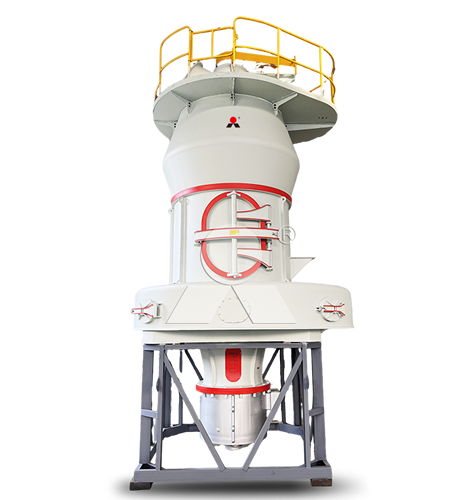
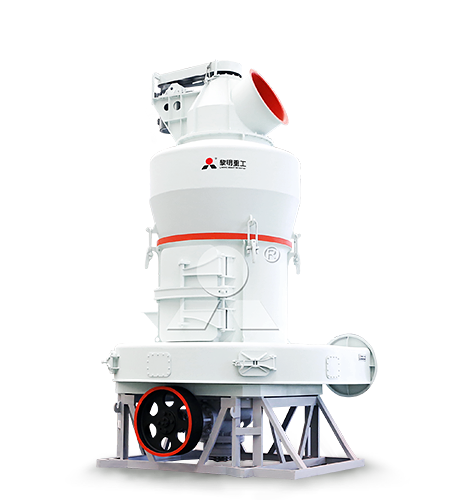
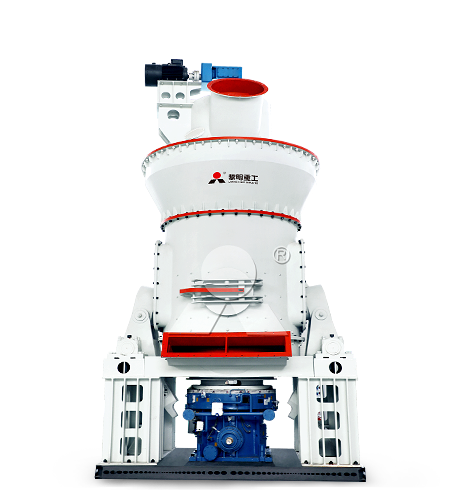
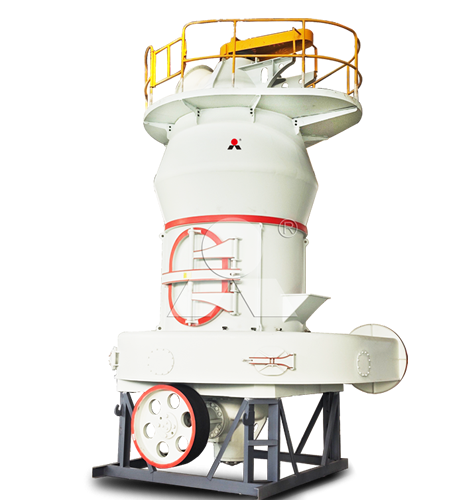
For large-scale CaO powder production, the Liming Heavy Industry LM Vertical Mill can be used as the core grinding equipment when its capacity and fineness range match the project requirements. The mill can be integrated with feeding, conveying, classification, powder collection and finished-product storage systems.
Cooling Is Part of a Reliable Quicklime Powder Plant
Quicklime cooling is not merely a temperature-reduction step. It creates suitable conditions for the subsequent grinding, conveying and storage stages.
Properly cooled quicklime can be handled more consistently, while controlled storage helps protect it from unwanted moisture. Together, these measures provide a better starting condition for producing stable CaO powder.
For projects involving quicklime grinding, the complete process should therefore be considered from the point where the material leaves the kiln through cooling, storage, grinding and final powder delivery. A properly matched system helps ensure that the grinding mill receives quicklime in a condition suitable for continuous powder production.
Related Quicklime Powder Production Line


Liming Heavy Industry to Attend the 140th Canton Fair
2026-09-25

Liming Heavy Industry at bauma CONEXPO INDIA 2026 | Booth 5-C6
2026-09-07
Turnkey Raw Mill Cement Plant in Saudi Arabia: Design and Installation
2026-09-03
Cement Raw Mill Supplier in Indonesia: Cost and Configuration Analysis
2026-09-01
Liming Heavy Industry to Exhibit at the 24th Global Gypsum Conference & Exhibition in Turkey
2026-08-31
Complete Mineral Processing Solutions
Convenient Reliable Professional Efficient Get Your Quote
Please feel free to submit your inquiry information to us. We will contact with you as soon as possible.
Our team will contact you as soon as possible.