


Limestone grinding usually starts with proper feed preparation. Limestone extracted from a quarry is often delivered as large rocks or irregular lumps, while a grinding mill requires a controlled feed size. Crushing before grinding reduces the raw limestone to a suitable size and helps the grinding system operate more consistently.
The crushing process is therefore not simply an additional step before the mill. Feed-size control directly affects grinding efficiency, equipment selection, production capacity, and the stability of the finished limestone powder.
Why Limestone Usually Needs Crushing Before Grinding
Grinding mills are designed to process material within a specific feed-size range. Quarry limestone can contain large pieces that are too large to enter the grinding mill directly. Attempting to feed oversized rocks into a mill can reduce production efficiency and may cause unstable operation or excessive wear.
A crusher provides the size reduction required before the grinding stage. Once the limestone has been reduced to a suitable feed size, it can be conveyed and continuously fed into the grinding system.
A typical process may therefore follow this sequence:
Quarry Limestone → Crushing → Screening or Feeding → Grinding → Classification → Dust Collection → Finished Limestone Powder
Feed Size Is the First Parameter to Check
Before selecting a crusher or grinding mill, determine the actual size of the limestone arriving at the plant. “Limestone” alone is not enough information for equipment selection because the feed could range from small particles to large quarry rocks.
Important feed-size information includes:
Maximum limestone lump size
Typical feed size distribution
Percentage of oversized material
Whether the limestone has already been crushed
Required feed size for the selected grinding mill
For example, limestone supplied at less than a few tens of millimeters may require a different crushing arrangement from limestone arriving directly from a quarry in large blocks.
Primary and Secondary Crushing
The number of crushing stages depends mainly on the initial limestone size and the required mill feed size.
Large limestone blocks may first pass through primary crushing to reduce the material substantially. If the resulting particles are still too large for the grinding mill, a secondary crushing stage can further reduce the size.
Not every limestone grinding plant needs multiple crushers. If the raw material is already relatively small, a single crushing stage may be sufficient. The objective is to provide a stable feed size for the grinding system rather than to add unnecessary equipment.
How the Crushing Stage Affects Grinding
A well-prepared feed allows the grinding mill to focus its energy on producing the required fine powder instead of dealing with oversized material.
Consistent feed size can also make the grinding process easier to control. Large variations in feed size may lead to fluctuations in grinding load, product output, and classifier operation.
This becomes particularly important for high-capacity limestone powder plants, where continuous operation requires stable material flow from crushing through grinding and classification.
Choosing a Crushing Process for Limestone
The crusher should be selected according to the initial feed size, desired crushed product size, limestone characteristics, required capacity, and downstream grinding equipment.
For relatively large limestone feed, a primary crusher can provide the initial size reduction. A secondary crusher may then be used when a smaller and more uniform feed is required.
For some smaller limestone feed sizes, a simpler crushing arrangement may be sufficient. The actual process should be determined from the measured feed size rather than from a standard configuration.
When Crushing Can Be Simplified
Not every limestone grinding project requires a conventional multi-stage crushing plant.
If the limestone supplier already provides material within the acceptable feed-size range of the grinding mill, the crushing stage may be reduced or eliminated. This can simplify material handling and reduce the number of machines in the production line.
However, even when crushing is not required, the feed should still be checked for occasional oversized lumps. Stable feeding is important for continuous grinding operation.
Consider Moisture Along With Feed Size
Feed size is not the only raw-material characteristic that affects the grinding process. Limestone moisture can also influence material flow, grinding performance, and powder separation.
For limestone with relatively low moisture, conventional crushing and grinding can generally be arranged without a dedicated drying stage. If the raw material contains higher moisture, the grinding system may need to incorporate drying capability or additional process measures.
The moisture condition should therefore be provided together with the feed-size information when planning a limestone grinding plant.
Crushing and Grinding Should Be Designed as One System
A common mistake is to select the crusher and grinding mill independently. In a complete limestone powder plant, these two stages should be matched.
If the crusher produces material that is significantly larger than the grinding mill's recommended feed size, the grinding system may become overloaded. On the other hand, excessive crushing can increase equipment investment and energy consumption without providing a meaningful benefit to the downstream process.
The objective is to achieve a practical balance between crushing performance and grinding requirements.
Example of a Limestone Preparation Process
Consider a limestone powder project in which the raw material is delivered as quarry rock. The material first enters the crushing section, where large lumps are reduced to a suitable size. A feeder then delivers the crushed limestone at a controlled rate to the grinding mill.
Inside the grinding system, the limestone is ground and classified. Fine particles meeting the required specification are collected by the powder collection system, while coarser particles are returned for additional grinding.
The finished powder can then be transferred to a silo for storage or directly to a packaging system.
Integrating Crushing With Liming Heavy Industry Grinding Mills
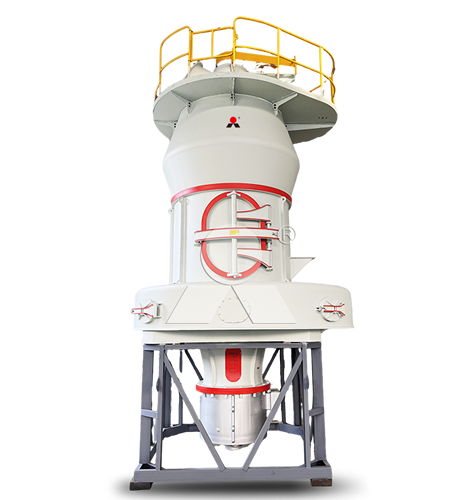
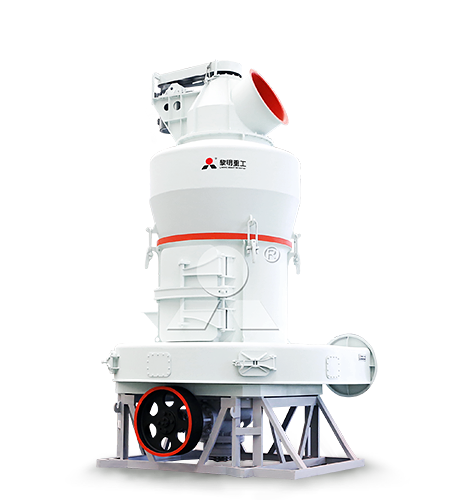
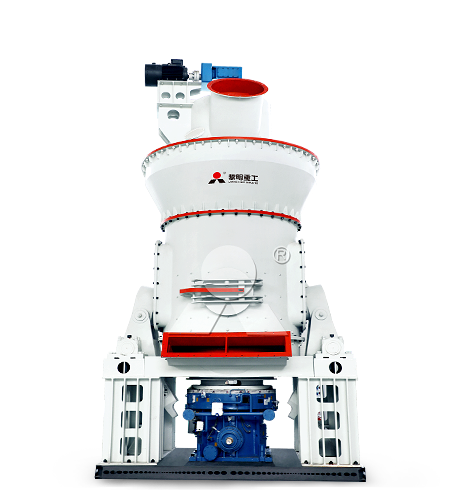
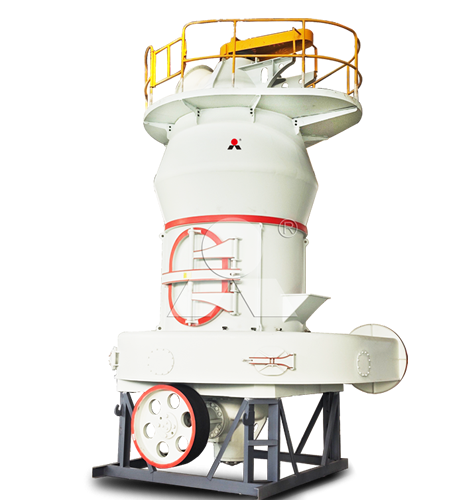
Liming Heavy Industry offers limestone grinding systems based on different production and fineness requirements. The LM Vertical Grinding Mill and MTW European Grinding Mill can be used for many conventional limestone powder applications, while the MW Micro Powder Mill and LUM Ultrafine Vertical Grinding Mill are designed for finer powder processing.
When these mills are used in a complete limestone powder production line, the upstream crushing section should be configured according to the feed requirements of the selected grinding system.
This approach makes it possible to match the crusher, feeder, grinding mill, classifier, dust collector, and conveying equipment into a continuous process rather than treating each machine as an independent unit.
What Information Is Needed to Select the Crushing Equipment?
For a practical limestone crushing and grinding project, the following information is useful:
Maximum size of the raw limestone
Average feed size
Required grinding capacity in tons per hour
Required finished limestone powder fineness
Limestone hardness and general material characteristics
Moisture content
Whether the limestone has already undergone primary crushing
Available space for the crushing and grinding equipment
These parameters help determine whether the project needs one crushing stage, multiple stages, or only a simple feed-preparation system.
Feed Size Control Matters After Crushing
Crushing is not complete simply because the limestone has become smaller. The crushed material should also be suitable for stable feeding into the grinding system.
Consistent particle size makes downstream feeding more predictable and helps the grinding mill maintain stable operating conditions. Depending on the process, screening or other material separation equipment may be incorporated to control the feed entering the mill.
From Quarry to Finished Limestone Powder
A well-designed limestone powder plant connects each stage according to the characteristics of the material:
Quarry: provides the raw limestone.
Crushing: reduces oversized rocks.
Feeding: controls the material entering the grinding system.
Grinding: reduces limestone to the required powder size.
Classification: separates particles according to the required product specification.
Dust collection: collects the finished powder and controls airborne dust.
Storage and packaging: handles the finished limestone powder for shipment or further use.
The exact configuration can be simplified or expanded depending on the raw limestone feed and the final product requirements.
Conclusion
Limestone crushing before grinding is primarily about controlling the feed entering the mill. The correct crushing process depends on the initial rock size, required mill feed size, production capacity, limestone characteristics, and finished powder specification.
Not every project needs the same number of crushing stages. A practical design uses only the size-reduction equipment necessary to prepare a stable and suitable feed for the grinding system.
For limestone powder projects using Liming Heavy Industry equipment, the crushing section should be matched with the selected LM, MTW, MW, or LUM grinding system. Providing the raw limestone size, required capacity, target fineness, and moisture content is the starting point for developing an appropriate crushing and grinding process.
Related Limestone Grinding Plant


Liming Heavy Industry at bauma CONEXPO INDIA 2026 | Booth 5-C6
2026-09-07

Turnkey Raw Mill Cement Plant in Saudi Arabia: Design and Installation
2026-09-03
Cement Raw Mill Supplier in Indonesia: Cost and Configuration Analysis
2026-09-01
Liming Heavy Industry to Exhibit at the 24th Global Gypsum Conference & Exhibition in Turkey
2026-08-31
Complete Calcium Carbonate Grinding and Coating Plant Solution
2026-08-29
Complete Mineral Processing Solutions
Convenient Reliable Professional Efficient Get Your Quote
Please feel free to submit your inquiry information to us. We will contact with you as soon as possible.
Our team will contact you as soon as possible.