


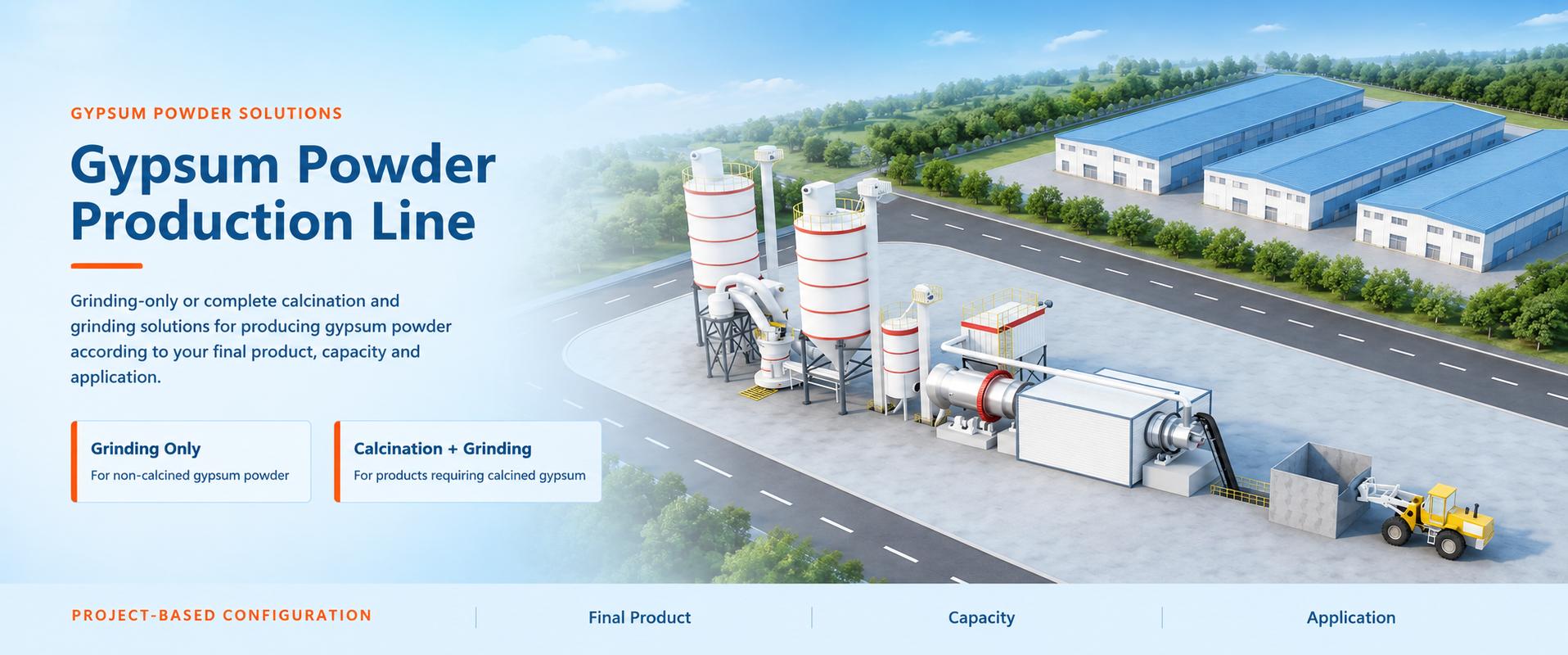
Setting up a gypsum powder production line begins with defining the final product. The most important question is whether the plant will produce ground natural gypsum powder or calcined gypsum powder. This decision determines whether the process requires only crushing and grinding, or a complete route including crushing, calcination, grinding, classification, dust collection and packing.
A successful gypsum powder plant is designed as one connected system. Raw material receiving, crushing, storage, calcination when required, grinding, classification, conveying, dust collection, finished-product storage and packing should be matched to the same production target. Equipment should not be selected independently without considering the material flow through the full line.
Step 1: Define the Final Gypsum Powder Product
Before selecting equipment, confirm the exact type of gypsum powder required. Different applications need different material conditions, processing routes and powder fineness.
| Final Product Direction | Required Process Route | Typical Application Direction |
|---|---|---|
| Ground natural gypsum powder | Raw Gypsum → Crushing → Grinding → Classification → Packing | Non-calcined gypsum powder and related industrial applications |
| Construction gypsum powder | Raw Gypsum → Crushing → Calcination → Grinding → Classification → Packing | Construction gypsum and interior finishing materials |
| Gypsum plaster powder | Raw Gypsum → Crushing → Calcination → Grinding → Classification → Storage and Packing | Wall plaster, ceiling plaster and surface finishing products |
| Plaster of Paris powder | Raw Gypsum → Crushing → Calcination → Cooling → Grinding → Classification → Packing | Plastering, casting, molding and decorative gypsum products |
| Gypsum board powder | Raw Gypsum → Crushing → Calcination → Grinding → Classification → Finished Powder Storage | Gypsum board and wallboard production |
| Fine gypsum powder | Prepared Feed → Fine Grinding → Advanced Classification → Collection and Storage | Applications requiring finer powder and closer particle-size control |
Natural gypsum powder and calcined gypsum powder are not the same. A grinding-only line produces ground natural gypsum. Products such as gypsum plaster, Plaster of Paris and many gypsum board materials require calcination before final grinding.
Step 2: Analyze the Raw Gypsum
The production line should be designed around actual raw material data. Gypsum from different sources can vary in lump size, moisture, impurity level, chemical composition and material flow behavior. These differences influence crushing, calcination, grinding and material handling.
Raw gypsum may be natural mined gypsum, industrial gypsum or another gypsum-bearing material. Before finalizing the process, collect representative material information and confirm how the gypsum will be delivered, stored and fed into the plant.
Raw Material Information to Confirm
Type and source of gypsum raw material.
Maximum feed size and particle-size distribution.
Free moisture content and seasonal variation.
Gypsum composition and impurity level.
Presence of clay, soil, metal fragments and other foreign materials.
Material flow behavior in hoppers, conveyors and storage bins.
Available raw material supply per day, month and year.
Required raw material storage capacity.
High moisture can affect feeding, crushing, calcination, conveying and grinding. Oversized lumps can limit the crusher and create unstable feed for the next process. Metal fragments and other foreign materials should be removed before they enter crushers, kilns or grinding mills.
Step 3: Define Capacity and Operating Time
Plant capacity should be defined as the required amount of finished gypsum powder per day, per hour or per year. The required hourly production rate depends on the number of operating hours planned each day.
A daily capacity target alone is not enough for equipment selection. For example, a plant designed to produce the same daily output over 12 hours requires a higher hourly rate than a plant operating continuously for 24 hours. The production schedule should account for maintenance, material supply, storage capacity and packing requirements.
| Capacity Planning Item | Why It Is Important |
|---|---|
| Required daily output | Defines the total finished gypsum powder target. |
| Operating hours per day | Determines the average hourly process rate. |
| Operating days per year | Helps calculate annual production and equipment utilization. |
| Maintenance schedule | Allows capacity planning to account for planned downtime. |
| Raw material availability | Ensures the plant can be supplied at the planned production rate. |
| Finished-product storage | Prevents packing or dispatch delays from stopping production. |
| Packing or bulk-loading rate | Ensures finished powder can leave the plant at the required rate. |
Step 4: Select the Process Route
After confirming the final product and raw material condition, select the main production route. The process can be a grinding-only line or a calcination and grinding line.
Grinding-Only Line
This route is suitable for ground natural gypsum powder that does not require thermal conversion.
Raw Gypsum → Receiving and Storage → Crushing → Grinding → Classification → Dust Collection → Finished Powder Storage → Packing
Calcination and Grinding Line
This route is suitable for products that require calcined gypsum properties.
Raw Gypsum → Receiving and Storage → Crushing → Calcination → Cooling and Transfer → Grinding → Classification → Dust Collection → Finished Powder Storage → Packing
The calcination stage should be added only when required by the final product. It is not necessary for every gypsum powder project, but it is essential for many construction gypsum, gypsum plaster, Plaster of Paris and gypsum board applications.
Step 5: Set Up Raw Material Receiving and Crushing
Raw gypsum receiving and crushing are the first mechanical stages of the line. The purpose is to receive gypsum safely, remove unwanted materials and reduce the feed to a size suitable for calcination equipment or a grinding mill.
A basic raw material section may include a receiving hopper, feeder, crusher, magnetic separator, screen, conveyor and storage bin. The selected equipment should be sized according to raw gypsum size, required plant capacity and the feed requirement of the next process stage.
| Equipment | Function |
|---|---|
| Receiving hopper | Accepts raw gypsum from trucks, loaders or upstream equipment. |
| Feeding equipment | Supplies gypsum to the crusher at a stable and controlled rate. |
| Crusher | Reduces large gypsum lumps to a suitable feed size. |
| Magnetic separator | Removes metal fragments before they reach downstream equipment. |
| Screening equipment | Controls feed size and returns oversized material where required. |
| Conveyor | Transfers crushed gypsum to storage, calcination or grinding. |
| Crushed-material storage bin | Provides a buffer between crushing and the next process stage. |
Step 6: Add Calcination When Required
Calcination is required when raw gypsum must be converted into calcined gypsum. Natural gypsum is mainly calcium sulfate dihydrate, CaSO4·2H2O. Controlled thermal treatment removes part of the chemically combined water and produces calcined gypsum, commonly including calcium sulfate hemihydrate, CaSO4·½H2O.
The thermal section must be selected according to the raw material condition and final product requirement. Feed size, feed rate, material moisture, residence time, heat balance, airflow and discharge stability all affect the calcination process.
Rotary Kiln Calcination
A rotary kiln can be used in a continuous gypsum calcination line. It is a rotating, slightly inclined cylindrical unit. Crushed gypsum enters at the feed end, moves gradually through the kiln under controlled heat and exits as calcined gypsum at the discharge end.
The material is lifted and rolled as the kiln rotates. The kiln inclination supports movement from the feed end to the discharge end. The calcined gypsum is then cooled, conveyed or stored before it enters the grinding system.
Calcination Equipment Sections
Crushed gypsum storage bin.
Controlled feeder for stable kiln supply.
Rotary kiln or selected calcination unit.
Thermal and air-handling system.
Dust collection equipment.
Discharge and cooling equipment.
Conveying system for calcined gypsum.
Intermediate storage bin before grinding.
Step 7: Choose the Grinding System
The grinding system produces the required final gypsum powder size. The selected mill should match the feed size, material moisture, required capacity, target fineness and final application. It should also be selected with the classifier, dust collector, air system and finished-product handling equipment.
R Raymond Mill
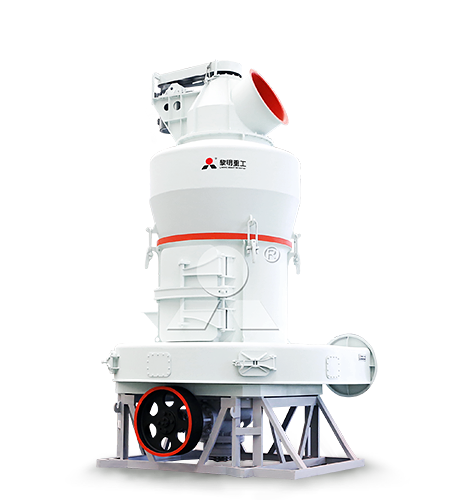
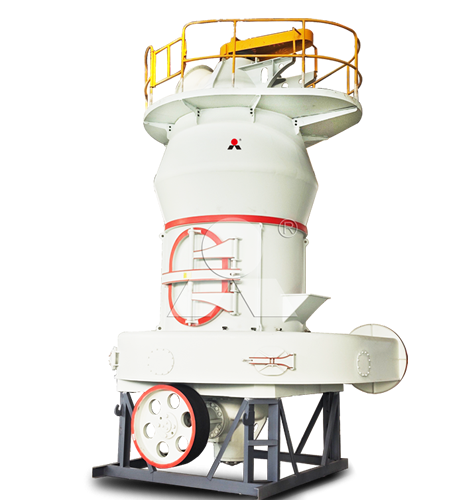
An R Raymond mill can be selected for conventional gypsum powder production where the required capacity and finished powder fineness are within a moderate range. It is suitable for grinding prepared natural gypsum or calcined gypsum into commonly used industrial powder grades.
MTW European Grinding Mill
An MTW European grinding mill is suitable for industrial gypsum powder processing with a broad range of fineness requirements. It can be used in grinding-only lines and in calcination and grinding lines after the thermal stage.
LM Vertical Grinding Mill
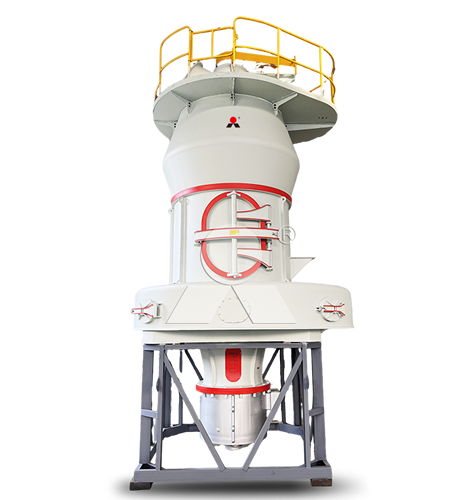
An LM vertical grinding mill can be considered for larger gypsum powder production lines requiring continuous operation. It is suitable for integrated systems where feeding, grinding, classification, air handling, dust collection and powder transport need to operate together.
LUM Ultrafine Vertical Mill
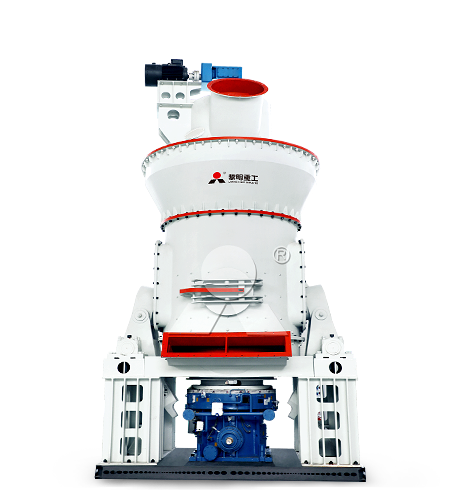
A LUM ultrafine vertical mill is suitable for applications requiring finer gypsum powder and closer particle-size control. It can be selected when the final product needs a finer powder grade than conventional gypsum grinding conditions.
| Grinding Equipment | Suitable Processing Direction | Main Selection Focus |
|---|---|---|
| R Raymond Mill | Conventional gypsum powder | Moderate capacity and common industrial powder grades |
| MTW European Grinding Mill | Industrial gypsum powder | Broad fineness requirements and stable grinding |
| LM Vertical Grinding Mill | Larger continuous gypsum powder production | Integrated high-output process arrangement |
| LUM Ultrafine Vertical Mill | Finer gypsum powder | Fine powder processing and closer particle-size control |
Step 8: Install Classification and Dust Collection
Grinding alone does not control the final powder condition. A classifier separates qualified powder from particles that remain too coarse. Coarse material returns to the grinding zone, while qualified powder moves to collection and storage.
The classifier should be selected according to the target fineness and grinding capacity. If the classifier setting is too coarse, large particles may enter the finished powder. If it is too fine, more material may return to the mill and reduce finished-product output.
Dust collection is required at crushing, calcination, cooling, grinding, classification, conveying and packing points. The dust collector, fan, ducts, filters and equipment seals should be considered as part of the process airflow system. In the grinding section, airflow affects powder transport and classification.
| System Section | Main Function |
|---|---|
| Classifier | Separates finished powder from coarse particles requiring further grinding. |
| Fan and air system | Moves air and fine powder through the grinding and classification circuit. |
| Dust collector | Collects fine gypsum powder and supports controlled system pressure. |
| Ducting and hoods | Captures dust and transfers air to the collection system. |
| Sealed transfer points | Reduce dust leakage and unwanted air entry. |
Step 9: Plan Storage and Packing
Finished gypsum powder should be conveyed to a storage silo or bin before packing. This storage section creates a buffer between powder production and product dispatch. It allows the grinding system to continue operating while bags are filled, trucks are loaded or powder is transferred to downstream equipment.
The storage and packing system should protect the finished powder from unnecessary moisture exposure. It should also be sized to match the grinding output. If the finished-product silo is too small or the packing system is too slow, the entire production line may need to reduce output or stop.
Finished Product Equipment
Powder conveyor from collection system to storage.
Finished-product silo or storage bin.
Silo discharge equipment.
Bagging machine or packing system.
Weighing equipment.
Bulk-loading equipment where required.
Dust collection equipment at the packing station.
Step 10: Design the Plant Layout
Plant layout should follow the direction of material flow. Raw gypsum should move from receiving to crushing, then to calcination or grinding, without unnecessary transfer points. Finished powder should move from collection to storage and packing in a separate handling route.
Space should be provided for maintenance, material storage, equipment access, dust collector service, truck movement, electrical systems and safe operation. Building height can be important because mills, classifiers, elevators, silos and dust collection systems may require vertical installation space.
| Layout Area | Design Priority |
|---|---|
| Raw material area | Provide space for unloading, storage and controlled feed to the crusher. |
| Crushing section | Allow access for maintenance and material transfer equipment. |
| Calcination section | Provide space for thermal equipment, gas handling, dust collection and discharge transfer. |
| Grinding section | Allow space for the mill, classifier, fan, dust collector and maintenance access. |
| Finished-product area | Provide powder storage, packing, bulk loading and dispatch access. |
| Conveying route | Reduce unnecessary material transfer points and avoid interference with maintenance routes. |
Step 11: Commission the Production Line
After equipment installation, the production line should be commissioned in stages. Each section should be checked individually before the complete process is operated at the planned production rate.
Check raw material receiving, feeding and crushing operation.
Confirm conveyor direction, discharge condition and material flow.
Test calcination equipment when the line includes a thermal stage.
Check cooling, transfer and intermediate storage operation.
Start the grinding mill with controlled feed.
Adjust classification according to the required powder condition.
Check dust collection, fan operation and system sealing.
Test finished-product conveying, storage and packing equipment.
Monitor material flow, powder fineness, output and equipment condition.
Increase production gradually until the required operating condition is reached.
Common Setup Mistakes to Avoid
Choosing Equipment Before Defining the Final Product
Equipment selection should begin after confirming whether the final product is ground natural gypsum powder or calcined gypsum powder. The process route changes when calcination is required.
Ignoring Raw Material Moisture
High moisture can affect storage, feeding, crushing, calcination, grinding and conveying. It should be considered during process design rather than treated as a minor operating issue.
Selecting the Mill Without Matching the Classifier
The grinding mill and classifier work together. A suitable mill cannot maintain the required finished powder condition if the classifier, airflow system and dust collector are not properly matched.
Undersizing Storage Capacity
Raw material storage, crushed-material storage, intermediate storage after calcination and finished-product storage are all important. Without sufficient buffer capacity, small interruptions can stop the entire plant.
Overlooking Packing Capacity
Packing and bulk-loading equipment must handle the finished powder produced by the grinding system. If finished powder cannot leave the storage silo fast enough, the upstream line may need to reduce output.
Gypsum Powder Production Line Checklist
Confirm the final gypsum powder type and application.
Determine whether calcination is required.
Analyze raw gypsum size, moisture, composition and impurities.
Define daily capacity, hourly output and operating hours.
Plan raw material receiving and storage.
Select crushing and feed preparation equipment.
Select calcination equipment when required.
Select R Raymond, MTW European, LM vertical or LUM ultrafine vertical grinding equipment according to capacity and fineness.
Match classifier, dust collector, conveyors, silos and packing equipment to the mill output.
Design the plant layout around clear material flow and maintenance access.
Commission the system in stages and adjust operating conditions based on actual material performance.
Conclusion
To set up a gypsum powder production line, first define the final product, analyze the raw gypsum and determine the required capacity. Then select either a grinding-only route or a calcination and grinding route, and configure every equipment section around the same material flow and production target.
A complete gypsum powder line may include receiving, crushing, calcination when required, cooling, grinding, classification, dust collection, conveying, storage and packing. R Raymond mills, MTW European grinding mills, LM vertical grinding mills and LUM ultrafine vertical mills can be selected according to the material condition, required output, target fineness and final application.
Related Gypsum Powder Production Line


LIMING at MiningMetals Uzbekistan 2026 | Booth B94
2026-10-22

LIMING Heavy Industry at MINEXPO Africa 2026 | Booth 133
2026-10-22
Liming Heavy Industry to Exhibit at bauma CHINA 2026 – Visit Us at Booth E6.510
2026-10-15
Meet Liming Heavy Industry at the 140th Canton Fair 2026
2026-10-13
Liming Heavy Industry to Attend the 140th Canton Fair
2026-09-25
Complete Mineral Processing Solutions
Convenient Reliable Professional Efficient Get Your Quote
Please feel free to submit your inquiry information to us. We will contact with you as soon as possible.
Our team will contact you as soon as possible.