


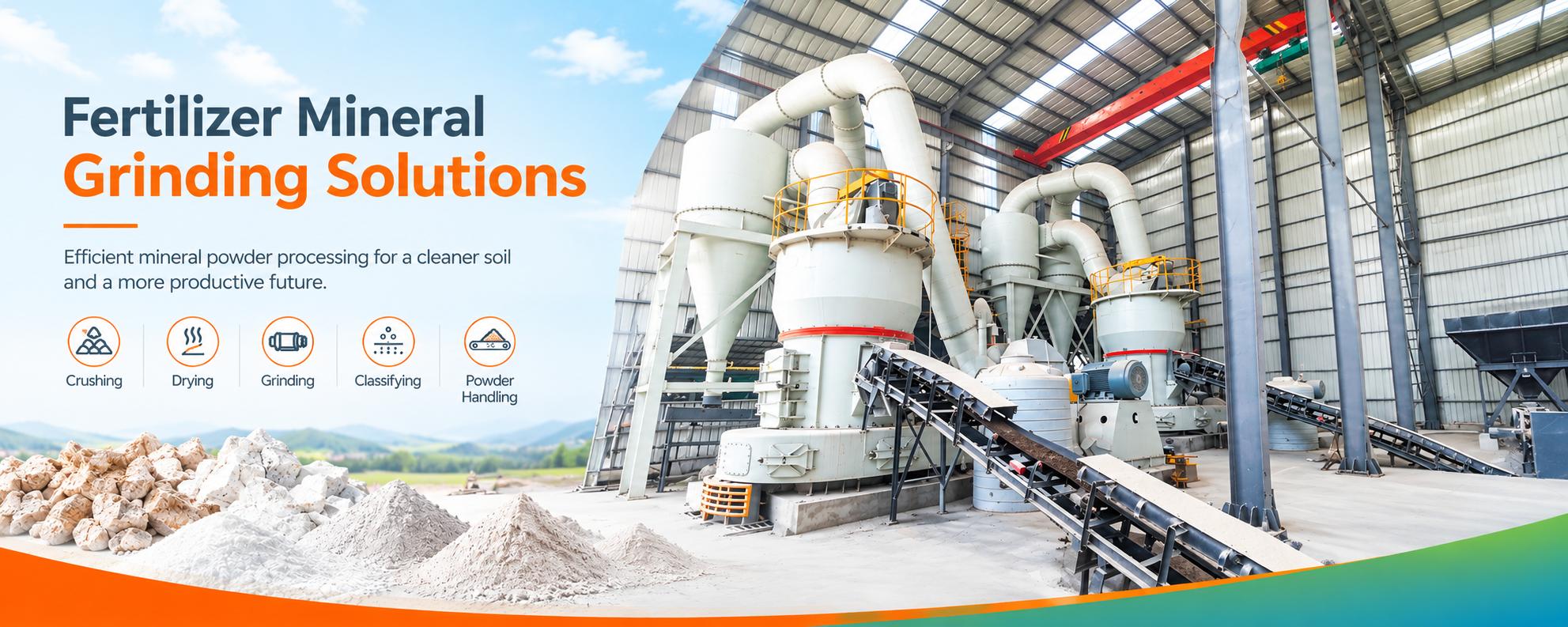
To design a fertilizer mineral grinding plant, provide the mineral type, representative feed analysis, maximum feed size, moisture range, required powder specification, production capacity, and downstream application. Site conditions, utility availability, storage requirements, and the equipment supply boundary are also needed before a practical layout and complete quotation can be developed.
If some information is not yet available, identify it as an assumption or an item requiring testing. Clearly stated uncertainty is more useful than an apparently precise value that has not been verified.
The Minimum Information Needed for an Initial Assessment
An initial discussion does not require a complete engineering package. Start with the following project brief, supported by photographs and existing laboratory reports where available.
| Project Detail | What to Provide |
|---|---|
| Mineral feed | Phosphate rock, limestone, dolomite, gypsum, bentonite, or another clearly identified material. |
| Intended use | The receiving fertilizer process, formulation, agricultural product, or downstream granulation application. |
| Incoming condition | Maximum lump size, approximate size distribution, and normal and maximum moisture. |
| Finished powder | Required particle size distribution, allowable moisture, and relevant chemical specifications. |
| Production requirement | Required tonnes per hour of accepted powder, operating hours, and planned product grades. |
| Installation location | Country, site location, available land or building dimensions, and whether the project is new or an expansion. |
| Utilities and dispatch | Power supply, potential drying heat, and whether powder will be bagged, loaded in bulk, or transferred directly. |
Feed size, moisture, fineness, and capacity are central equipment-selection inputs. Liming Heavy Industry’s limestone grinding guidance uses these factors to distinguish suitable grinding configurations, including LM and MTW systems.
1. Describe the Actual Mineral—not Just Its Name
“Phosphate rock” or “dolomite” identifies a material category, but it does not fully describe its processing behavior. Supply the mine or production source, available analysis, and any expected variation between deliveries.
A useful material file includes:
Representative chemical and mineralogical analyses where available.
The components that determine the intended product grade.
Relevant impurity and contaminant limits.
Information on hardness, grindability, and abrasive constituents.
Bulk density and observed handling behavior.
Any previous crushing, washing, beneficiation, activation, or other treatment.
Also explain whether the feed is natural rock, a concentrate, or an industrial by-product. A wet, fine by-product material may require a different front end from a dry rock feed, even when both are described using the same mineral name.
What Makes a Sample Representative?
Discuss sample collection with the equipment supplier before dispatch. The sample should reflect the material expected during normal production, including meaningful variability—not only the cleanest or driest material available.
Ask the supplier to confirm the required sample quantity, packaging, labeling, and proposed tests. Keep a record of the sampling location and condition so the results can be connected to the future feed supply.
2. Give Normal and Maximum Feed Conditions
The design needs an operating range, not just an average.
For feed size, distinguish the typical distribution from the largest lumps that may arrive. State whether the quoted size is before or after an existing crusher.
For moisture, provide normal and maximum values, the test method, and whether seasonal changes are expected. Note any practical problems already observed, such as sticking, bridging, irregular discharge, or buildup on conveyors.
These details help establish whether the plant requires additional crushing, feed conditioning, drying, or changes to storage and feeding equipment. Liming Heavy Industry’s equipment-selection guidance explicitly connects incoming size and moisture with the choice of grinding arrangement.
3. Define Finished Powder Acceptance Clearly
The most important document is a measurable product specification. A description such as “fine powder for fertilizer” leaves too much uncertainty for reliable equipment selection.
Particle Size
State the required particle size limit.
Include the required passing percentage.
Identify the sieve standard or particle size measurement method.
Specify any additional coarse-particle restriction.
For example, “at least 90 percent by mass passing the agreed test sieve” is clearer than a mesh number alone. The actual sieve opening must still be selected for the intended application.
Moisture and Composition
State the finished moisture requirement and reporting basis. Include the chemical limits that determine whether the powder can be accepted by the customer.
Where the product requires functional performance—such as bentonite binding behavior—identify the relevant test separately from particle size and moisture.
Sampling and Testing
Agree on where samples will be taken, how they will be prepared, and which methods determine acceptance. Keep laboratory results comparable by using consistent procedures.
4. Explain What Happens After Grinding
The downstream application determines what “suitable powder” means. Provide the receiving process specification or arrange a technical discussion with its owner.
| Downstream Application | Additional Information Needed |
|---|---|
| Chemical fertilizer processing | Approved mineral feed specification, delivery rate, moisture, and transfer conditions. |
| Fertilizer formulation | Ingredient quality limits, dosing requirements, compatibility assessment, and trial acceptance criteria. |
| Granulation or pelletizing | Required powder condition, feeding method, buffer storage, and downstream trial results. |
| Direct agricultural mineral supply | Applicable product grade, labeling requirements, handling arrangements, and dispatch method. |
Make the process boundary explicit. A mineral grinding section does not automatically include chemical conversion, activation, granulation, drying of finished granules, or complete fertilizer packaging.
5. State Capacity as Accepted Product Output
Specify the required tonnes per hour of finished powder meeting the agreed quality requirements—not merely the material entering the mill.
Include:
Minimum, normal, and maximum production requirements.
Daily and annual operating hours.
The number of product grades.
Expected production campaign lengths and changeover frequency.
Any planned future expansion.
If several minerals will share one line, provide a separate duty for each. Do not assume that the output for limestone will also apply to phosphate rock or bentonite.
The selection principle is traceability: every proposed capacity should be linked to stated feed conditions and a defined finished product.
6. Provide a Usable Site Plan
A dimensioned drawing is more helpful than an approximate statement of available floor area. Show the land boundary, existing buildings, access roads, unloading areas, and downstream connection points.
Include building height restrictions, nearby structures, utility connection locations, and any available information on ground conditions. Photographs should identify their viewing direction so they can be understood alongside the drawing.
For an expansion, list existing equipment proposed for reuse. Provide available drawings, ratings, condition information, and tie-in restrictions rather than assuming the equipment has spare capacity.
The layout must also reserve maintenance access, component removal routes, lifting arrangements, and practical space for installation.
7. Confirm Utilities and Environmental Requirements
Provide the available electrical voltage, frequency, supply capacity, and site standards. Where drying may be needed, identify potential fuels or waste-heat sources and the information available about them.
Also identify compressed-air availability, control-system requirements, applicable emission limits, worker-exposure requirements, and site noise constraints.
These conditions should be known before the main equipment and collector arrangement are finalized. Required permits and approval responsibilities should be identified locally as part of project development.
8. Define Storage, Packing, and Delivery
Explain how raw material arrives and how finished powder leaves. Include truck schedules, bag sizes where applicable, bulk loading requirements, and the receiving process’s consumption pattern.
Define what should happen when:
Raw material delivery is interrupted.
The crusher stops but grinding remains available.
The downstream fertilizer process stops.
Packing or bulk dispatch is delayed.
The plant changes product grade.
These scenarios provide a practical basis for buffer capacity, finished storage, product segregation, and operating sequences.
9. Clarify What the Supplier Must Deliver
A complete quotation needs an agreed supply boundary. Identify whether the proposal should include receiving equipment, crushing, drying, grinding, collection, conveying, silos, packing, electrical controls, installation supervision, and commissioning.
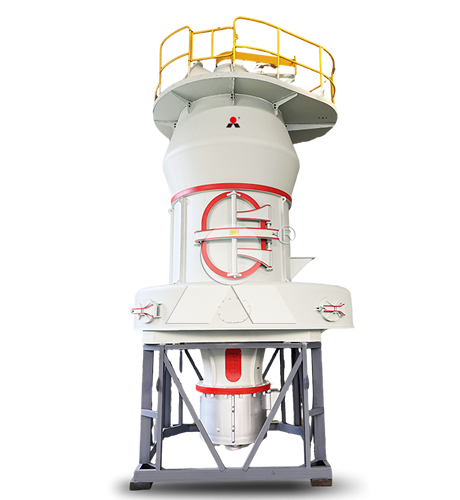
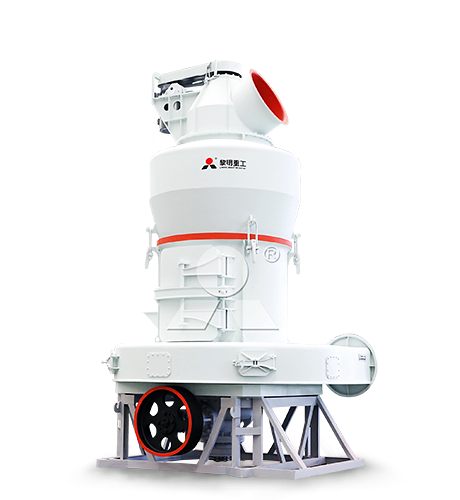
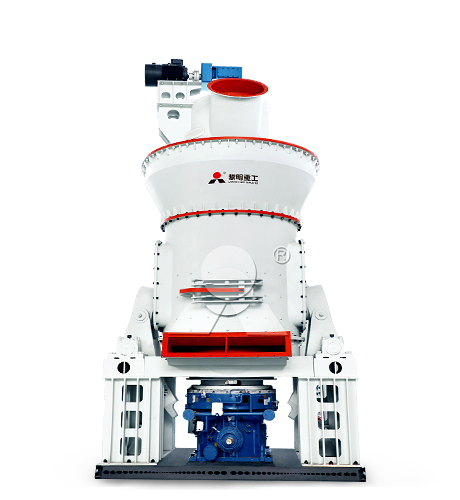
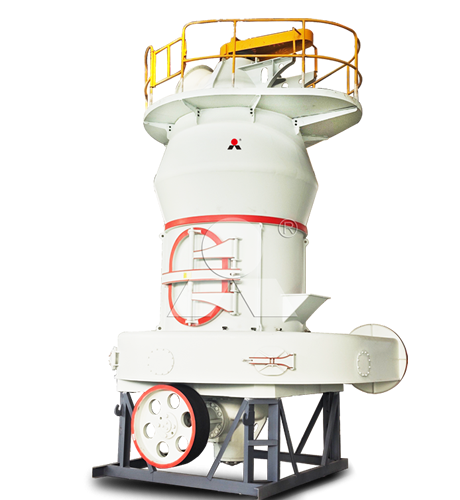
For suitable mineral duties, request a comparison of Liming Heavy Industry LM Vertical Roller Mill and MTW European Trapezium Grinding Mill configurations using the same design basis. The manufacturer’s guidance identifies both equipment families as options for applicable mineral powder requirements, with selection dependent on fineness, capacity, and feed conditions.
Ask each proposal to state assumptions, exclusions, required customer-supplied equipment, and the testing basis behind its performance commitments.
10. Agree on Performance Verification Before Procurement
Define the commissioning acceptance procedure while the equipment proposal is being developed. Include the test material, feed moisture, finished fineness, finished moisture, required output, sampling method, and sustained test duration.
State which equipment is included in energy measurements. Where downstream functionality matters, establish separate product-performance criteria and clarify who is responsible for those trials.
The most useful project package combines a clear product specification, representative material data, a dimensioned site plan, and a defined supply boundary. With these inputs, Liming Heavy Industry can evaluate an appropriate grinding configuration and develop a plant proposal grounded in the actual production task.
Related Fertilizer Mineral Grinding Solutions


Liming Heavy Industry to Exhibit at bauma CHINA 2026 – Visit Us at Booth E6.510
2026-10-15

Meet Liming Heavy Industry at the 140th Canton Fair 2026
2026-10-13
Liming Heavy Industry to Attend the 140th Canton Fair
2026-09-25
Liming Heavy Industry at bauma CONEXPO INDIA 2026 | Booth 5-C6
2026-09-07
Turnkey Raw Mill Cement Plant in Saudi Arabia: Design and Installation
2026-09-03
Complete Mineral Processing Solutions
Convenient Reliable Professional Efficient Get Your Quote
Please feel free to submit your inquiry information to us. We will contact with you as soon as possible.
Our team will contact you as soon as possible.