


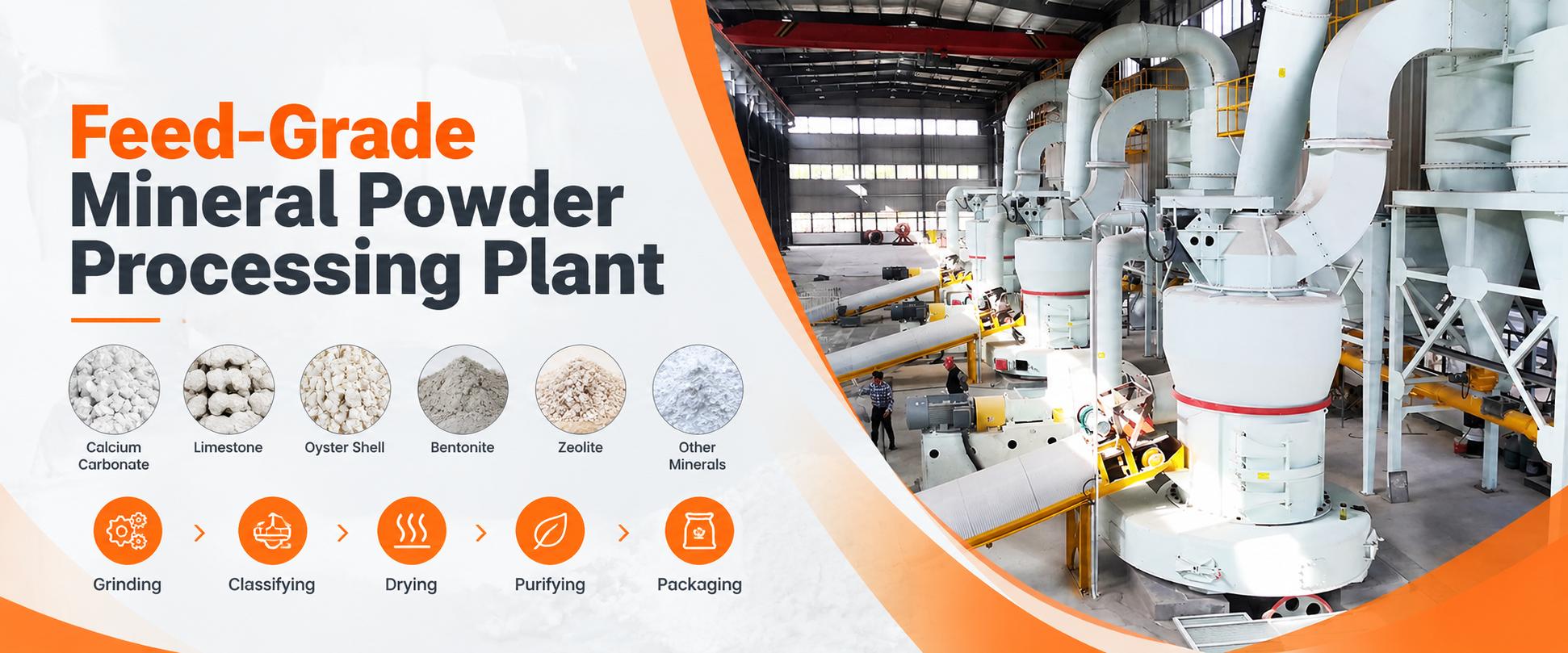
A feed-grade mineral powder plant should be arranged around the movement of approved material: receiving, preparation, grinding, classification, finished-product storage, packing, and dispatch. Equipment selection should follow the product specification and raw-material characteristics—not begin with the largest mill that fits the site.
The layout must also protect the ingredient from contamination and allow practical operation, inspection, maintenance, and cleaning. Feed-manufacturing guidance specifically calls for process flow that minimizes contamination and for processed ingredients to be stored separately from unprocessed materials.
Define the Production Duty Before Drawing the Layout
A plant producing one fine limestone grade has different requirements from a facility processing limestone, bentonite, and zeolite in separate campaigns. Wet incoming material, coarse calcium products, several packaging formats, and frequent product changes can all alter the equipment arrangement.
Prepare a design basis covering:
Approved mineral types and intended feed applications.
Raw-material composition, incoming size, moisture range, and variability.
Finished-product particle-size distribution and other acceptance criteria.
Required accepted output for each product.
Operating schedule and planned maintenance time.
Product-change frequency and cleaning requirements.
Bagged, bulk-bag, or bulk-dispatch demand.
Available land, building height, utilities, and expansion plans.
Specify capacity as compliant product ready for the next agreed stage. A mill-discharge target alone does not establish whether the complete plant can store, release, pack, and dispatch that quantity.
Organize the Site into Functional Zones
The most important layout principle is separation: keep incompatible activities and different material statuses distinguishable. Physical barriers, dedicated equipment, controlled operating sequences, or a combination may be needed depending on the contamination risk. Where cleaning is insufficient to control a significant risk, feed guidance recommends considering separate production, transfer, storage, and delivery equipment.
| Plant Zone | Main Purpose | Layout Priorities |
|---|---|---|
| Receiving and incoming inspection | Identify deliveries and establish acceptance status | Vehicle access, sampling access, and space for material awaiting approval |
| Approved raw-material storage | Supply the process with identified, released material | Weather protection where needed, source identification, and controlled loading |
| Preparation and moisture conditioning | Produce suitable mill feed | Crusher or dryer access, transfer arrangements, dust control, and maintenance space |
| Grinding and classification | Achieve the finished particle-size specification | Equipment interfaces, airflow routing, inspection access, and lifting provisions |
| Finished-product storage | Hold powder before packing or dispatch | Grade identity, release status, sampling, and protection from contamination |
| Packing and dispatch | Prepare identifiable customer deliveries | Clean packaging storage, weighing, closure, pallet handling, and loading access |
| Maintenance and waste handling | Support the plant without compromising product areas | Controlled tools, spare parts, used lubricants, scrap, and rejected material |
Do not allow a convenient shortcut for loaders, forklifts, or maintenance traffic to undermine the intended material flow. Review vehicle, personnel, packaging, waste, and product movements together.
Choose a Layout Concept That Suits the Site
A compact vertical arrangement
A vertical concept may use gravity between selected stages. Evaluate it where land is restricted or where the equipment arrangement supports that approach.
The review must include structural loads, access platforms, maintenance lifting, emergency access, and the removal path for major components. A small footprint is not an advantage if a routine wear-part replacement requires dismantling unrelated equipment.
A more spread-out arrangement
A lower-rise concept may provide more direct access around individual units and leave space for phased additions. It can also require additional conveying and more transfer interfaces.
Compare the complete installed arrangement rather than building area alone. Include foundations, access roads, conveying, dust extraction, utility routing, and the space needed to operate safely.
A shared front end with separate product routes
For a plant supplying both fine powder and coarse mineral particles, consider shared approved-material receiving followed by different downstream routes. Fine-powder production may require grinding and classification, while a coarse product may require controlled crushing and screening.
Define each route’s specification, storage, and off-size material disposition before assuming that all fractions can be combined or returned to the same process.
Select Equipment Stage by Stage
Receiving and preliminary preparation
Choose receiving equipment around the delivery format and material condition. Confirm how deliveries will be sampled, held, accepted, and transferred into production.
Include preliminary crushing only where the incoming stone exceeds the selected mill’s requirements. The crusher discharge specification should come from the actual downstream configuration, not from a generic plant drawing.
Assess foreign-material risks and identify where receiving grates, screening, magnets, or other controls are required. Leave access for inspection and cleaning rather than treating these devices as inaccessible additions inside a chute.
Drying or moisture conditioning
Determine whether incoming moisture can be handled within the proposed grinding system or requires a separate preparation stage. Define the normal and maximum agreed moisture conditions and the response when deliveries fall outside them.
Where thermal drying is included, establish the heat source, contamination controls, operating window, and required finished condition. Keep ordinary drying distinct from activation, calcination, or other treatment that could change the product.
Grinding and classification
Select the mill and classifier against the same material, fineness, and output requirements. Evaluate the complete circuit, including material return, collection, and the air-handling system.
Request performance commitments tied to representative feedstock and a measurable product specification. Avoid comparing maximum catalog capacities that refer to different operating conditions.
Conveying and storage
Choose conveying arrangements using the actual powder’s behavior and the proposed transfer distance. Define inspection points, cleanout access, and the disposition of material retained during a product change.
Specify storage for both physical capacity and material status. A plant needs a clear way to distinguish released powder from material awaiting test results or investigation.
Packing and loading
Match packing capacity to the required rate of acceptable, closed, identified packages. Include bag supply, deaeration where needed, closure, inspection, palletizing, and loading in the assessment.
Keep packaging materials clean and dry and protect them from contamination. These requirements apply before the bag reaches the filling machine.
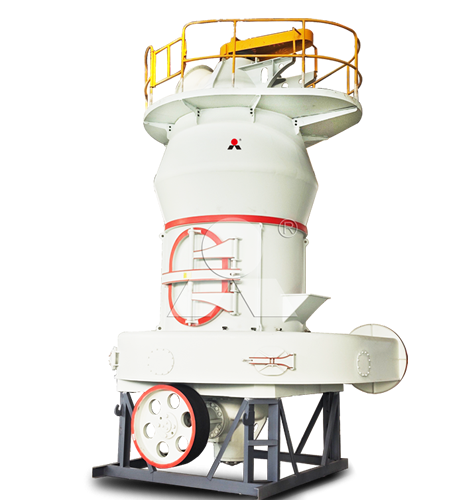
Evaluating Liming Heavy Industry Grinding Mills
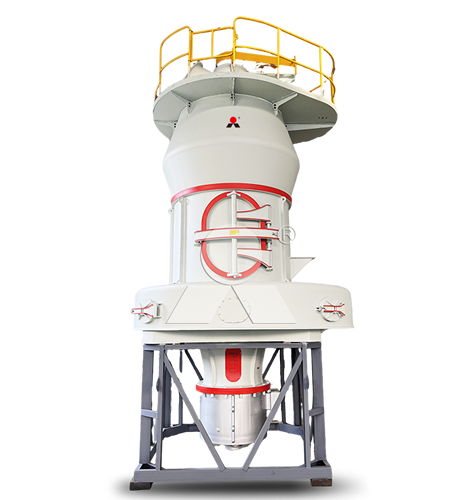
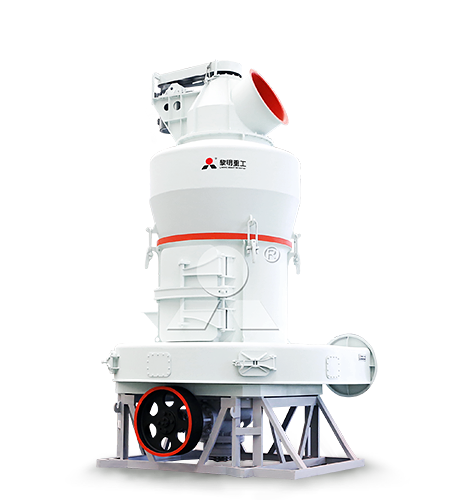
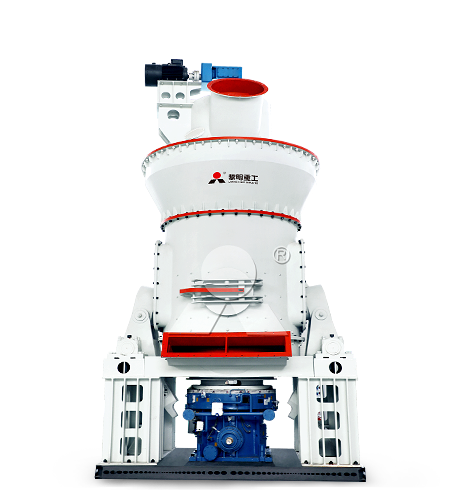
Liming Heavy Industry identifies MTW European Type Grinding Mills and LM Vertical Roller Mills for limestone processing. Its bentonite processing information also lists these mill families, with finer-processing options including LUM Ultrafine Vertical Mills and MW Micro Powder Mills.
| Project Requirement | Liming Heavy Industry Option to Evaluate | Key Selection Questions |
|---|---|---|
| Conventional fine limestone or calcium carbonate powder | MTW European Type Grinding Mill or LM Vertical Roller Mill | Can the proposed system meet the required distribution and output with the actual material? |
| Bentonite fine-powder production | MTW European Type Grinding Mill or LM Vertical Roller Mill | How will moisture, feeding behavior, drying needs, and classification be managed? |
| A validated requirement for finer powder | LUM Ultrafine Vertical Mill or MW Micro Powder Mill | Is the additional fineness necessary, and what are its consequences for throughput and handling? |
| Other feed-mineral materials, including zeolite | A material-specific assessment of the appropriate Liming Heavy Industry system | What do representative grinding trials establish about suitability and performance? |
These are mineral-processing options, not automatic confirmation of feed-grade compliance. Review product-contact materials, wear components, lubrication separation, cleaning, inspection, and the finished ingredient’s requirements separately.
For each shortlisted configuration, ask for a general arrangement drawing that shows equipment boundaries, maintenance envelopes, lifting access, utilities, and interfaces with upstream and downstream systems.
Make Maintenance Space Part of the Initial Drawing
Feed-processing buildings and equipment should permit ease of operation, maintenance, and cleaning while minimizing contamination. Maintenance access is therefore part of the original design requirement, not spare space to be found after installation.
Mark the following on the layout:
Removal paths for major wear components and motors.
Required lifting points and lifting-equipment access.
Collector inspection and filter-maintenance areas.
Access to feeders, magnets, sampling points, and discharge devices.
Electrical isolation and safe maintenance positions.
Temporary placement areas for removed parts.
Check that future expansion will not block these areas. A reserved equipment pad is only useful if conveyors, roads, cables, and maintenance activities can still function around it.
Plan Dust, Drainage, and Waste Routes Together
Feed guidance calls for sewage, waste, and rainwater disposal that avoids contaminating equipment and ingredients. It also requires facilities and their surroundings to be kept clean.
Review water entry and drainage around receiving areas, storage buildings, and equipment foundations. Determine how cleaning will be performed in each zone and how surfaces will be returned to the required condition before production resumes.
For dust systems, identify each extraction point and the destination of collected material. Assess shared collection arrangements carefully where different mineral grades are processed. Do not automatically return all collected powder to saleable product.
Provide defined routes and holding locations for magnetic rejects, damaged bags, off-specification powder, used maintenance materials, and other waste. Keep these movements from crossing uncontrolled through packing and released-product areas.
A Practical Concept for a Multi-Product Plant
Consider a facility planning to supply fine limestone powder and bentonite in separate campaigns, with a possible future zeolite product. A sensible concept review would examine:
Separate identified raw-material storage positions.
Incoming-material quarantine and approval procedures.
Preparation equipment suited to each mineral’s size and moisture.
Whether a shared grinding route can be cleaned and verified adequately.
Finished-product storage that preserves grade and lot identity.
A packing line with validated product-change procedures.
Expansion space that does not compromise present-day access.
This does not establish that a shared line is acceptable. Where the contamination risk cannot be controlled adequately by sequencing and cleaning, separate transfer, storage, or production equipment may be necessary.
Documents to Request Before Approving the Investment
A useful engineering package should include:
A written design basis and finished-product specifications.
A process flow diagram identifying material and reject streams.
An equipment list with clearly defined duties.
A general arrangement showing access and maintenance space.
Utility and heat-source requirements.
Dust-control and waste-handling provisions.
Storage, sampling, and release-status arrangements.
The control philosophy and major equipment interlocks.
A commissioning and performance-acceptance protocol.
A clear statement of supplier scope and purchaser responsibilities.
Approve the layout and equipment as one connected system. The mill, storage, collection, packing, access, and quality-control arrangements should all support the same production duty. That is what turns a collection of machines into a practical feed-grade mineral powder plant.
Related Feed Mineral Processing


Liming Heavy Industry to Exhibit at bauma CHINA 2026 – Visit Us at Booth E6.510
2026-10-15

Meet Liming Heavy Industry at the 140th Canton Fair 2026
2026-10-13
Liming Heavy Industry to Attend the 140th Canton Fair
2026-09-25
Liming Heavy Industry at bauma CONEXPO INDIA 2026 | Booth 5-C6
2026-09-07
Turnkey Raw Mill Cement Plant in Saudi Arabia: Design and Installation
2026-09-03
Complete Mineral Processing Solutions
Convenient Reliable Professional Efficient Get Your Quote
Please feel free to submit your inquiry information to us. We will contact with you as soon as possible.
Our team will contact you as soon as possible.