


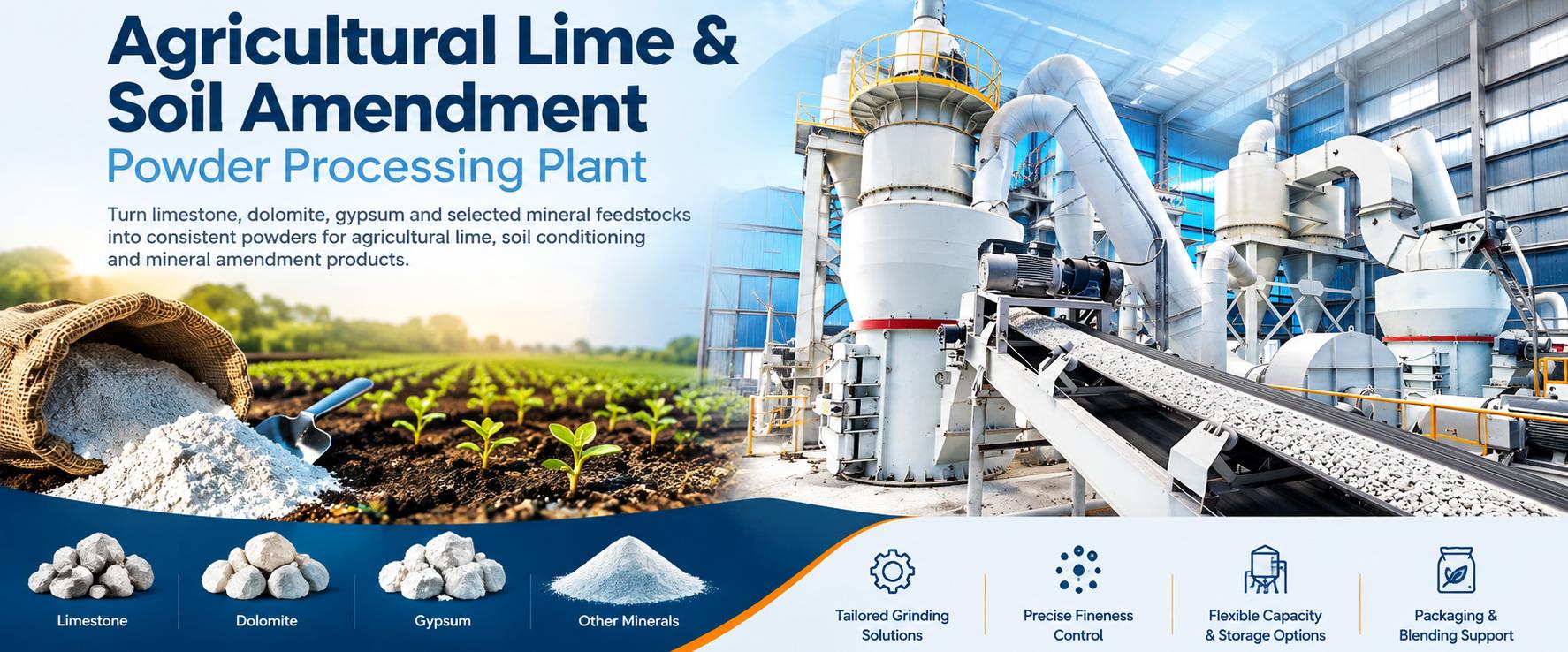
Once agricultural limestone has been crushed and ground to the required specification, the next challenge is delivering the finished product to customers efficiently. Storage, packaging, and dispatch arrangements affect product quality, production continuity, labor requirements, and overall operating costs.
Some agricultural lime producers supply bulk powder directly to fertilizer manufacturers or large agricultural distributors. Others package their products in small bags or large industrial bags for easier handling, storage, and distribution. Many plants benefit from offering more than one delivery option.
For producers planning a new agricultural lime plant or upgrading an existing facility, the best solution depends on customer purchasing habits, production capacity, transport distance, product characteristics, and available site space.
1. Bulk or Bagged Agricultural Lime: Which Is Right for Your Market?
Bulk and bagged products serve different distribution needs. The decision should be based on how customers receive, store, and use agricultural lime rather than on packaging cost alone.
Bulk agricultural lime
Bulk delivery is often suitable for large-volume customers that have their own storage facilities and material-handling equipment. Examples include fertilizer manufacturers, agricultural supply businesses, and large-scale distributors.
Suitable for high-volume deliveries and regular repeat orders.
Can reduce the need for individual bags and manual bag handling.
Requires suitable loading facilities, transport arrangements, and receiving equipment at the customer's site.
Needs careful control of dust, moisture exposure, and material loss during loading and unloading.
Bagged agricultural lime
Bagged products are useful when customers need defined package sizes, convenient warehouse handling, or distribution through agricultural retailers. Bags may be sold individually, palletized, or delivered in larger industrial formats.
Offers convenient unit sizes for distributors and end users.
Supports product labeling, batch identification, and retail presentation.
Requires packaging materials, weighing and filling equipment, and additional handling.
Needs suitable warehouse conditions to protect packages from damage and moisture.
For some producers, a combined arrangement works best: bulk loading for large customers and a separate bagging line for distributors or smaller orders. This approach can broaden the customer base, provided that the storage and conveying system can supply both routes reliably.
2. Plan Finished-Product Storage Around Production and Sales
Storage capacity should be designed around the relationship between grinding output, packaging speed, order patterns, and dispatch schedules. If the grinding section operates continuously while finished products are dispatched intermittently, a suitable storage buffer can help prevent interruptions.
For ground agricultural limestone, the storage system may include finished-powder silos, enclosed conveying equipment, a bagging feed hopper, and a designated bulk-loading area. The appropriate arrangement depends on plant capacity and the number of products being handled.
Finished-powder silos
Silos can provide a buffer between grinding and dispatch, allowing the grinding system and packaging equipment to operate at different rates. Their capacity should reflect expected output, delivery frequency, and the time required to load or package orders.
When selecting a silo, consider:
Finished-product bulk density and flow characteristics
Required storage volume and expected holding time
Discharge equipment and the risk of material buildup
Dust collection during filling and discharge
Inspection access, maintenance requirements, and structural design
Separate storage for different product grades
If the plant produces several fineness grades or different mineral formulations, separate silos or clearly defined storage compartments may be needed. This helps reduce the risk of cross-contamination and incorrect product delivery.
Storage areas should also support traceability. Production batches, test results, and dispatch records should be linked wherever required by the product specification or local regulations.
3. Protect Powder Quality During Storage
Ground limestone can be affected by moisture exposure, contamination, and unsuitable handling. Although limestone is generally a stable mineral, the finished powder should be protected so that it retains the physical properties required by the customer.
Good storage practice includes:
Keeping silos, transfer points, and loading systems in suitable condition.
Preventing rainwater and unwanted moisture from entering the product system.
Keeping finished powder separate from incompatible or unrelated materials.
Maintaining appropriate dust collection at silo filling and discharge points.
Inspecting storage equipment for buildup, blockages, leakage, and wear.
Using stock rotation and batch identification procedures appropriate to the product.
Moisture control is particularly important where the product specification includes a moisture limit or where damp powder can cause handling difficulties. If the product tends to cake or bridge, the cause should be investigated before selecting additional discharge equipment or changing storage practices.
4. Choose the Right Packaging Format
The best packaging format depends on order size, customer handling equipment, transport method, and the product's intended market. A plant may use one format or combine several options.
| Packaging or delivery option | Typical application | Main considerations |
|---|---|---|
| Small bags | Agricultural retailers, smaller distributors, and customers requiring manageable package sizes | Bag weight, filling accuracy, sealing or closing, labeling, and manual handling |
| Large industrial bags | Commercial farms, distributors, and industrial users requiring larger units | Bag capacity, lifting arrangements, pallet or truck handling, and filling equipment compatibility |
| Bulk truck loading | Large-volume customers with suitable receiving and storage facilities | Loading rate, truck access, dust control, and receiving equipment at the destination |
| Flexible packaging line | Plants serving several customer groups or package sizes | Changeover time, equipment flexibility, storage segregation, and production scheduling |
Bag material should be selected according to the product's moisture sensitivity, required strength, storage conditions, transport method, and local packaging requirements. The packaging supplier should confirm that the selected bag is suitable for the intended weight and handling conditions.
5. Design a Bagging Line That Matches Production Output
A bagging line typically receives powder from a silo or feed hopper, meters the product into bags, verifies the target weight, and transfers filled bags for closing and further handling. Depending on the required automation level, the system may also include conveyors, checkweighing, palletizing, and wrapping equipment.
The main equipment may include:
Finished-product feed hopper
Controlled powder feeding and weighing equipment
Bag filling machine
Bag closing or sealing equipment where appropriate
Filled-bag conveyor
Weight checking and quality inspection equipment
Labeling or batch identification system
Palletizing and wrapping equipment where required
When selecting the line, evaluate both the required packing rate and the operating characteristics of the powder. The filling system must be suitable for the product's flow behavior and bulk density, and its dust-control arrangement should be integrated into the plant design.
The nominal capacity of a bagging machine should not be considered in isolation. Actual output can be affected by bag changes, product flow, weighing accuracy, operator activity, palletizing, and downstream transport. A bottleneck at any of these stages can reduce the finished-product dispatch rate.
6. Bulk Loading Requires Its Own Process Design
Bulk delivery can simplify packaging operations, but it requires a suitable loading arrangement. The finished powder must be transferred from storage to the vehicle in a controlled way while limiting dust release and product loss.
A bulk-loading system may include a silo discharge device, conveying equipment, a loading chute or telescopic spout, dust collection, and controls for the loading operation. The configuration depends on the truck type and the receiving arrangement at the customer's site.
Important design considerations include:
Vehicle dimensions, loading height, and safe positioning
Required loading rate and the number of vehicles served per shift
Compatibility between the loading equipment and customer transport methods
Dust containment during transfer
Weighing arrangements and shipment documentation
Safe access for drivers and plant operators
Where both bulk and bagged products are sold, the layout should prevent conflicts between trucks, forklifts, warehouse traffic, and raw material deliveries.
7. Integrate Grinding, Storage, and Packaging
Storage and packaging should be planned together with the grinding system. A mill may produce powder continuously, while orders and packaging demand can vary throughout the day. The plant therefore needs a suitable balance between grinding capacity, buffer storage, and finished-product handling.
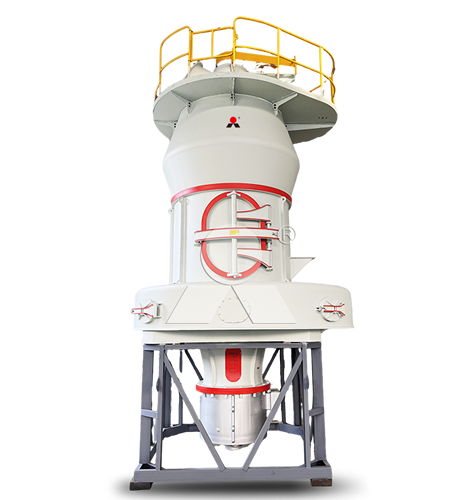
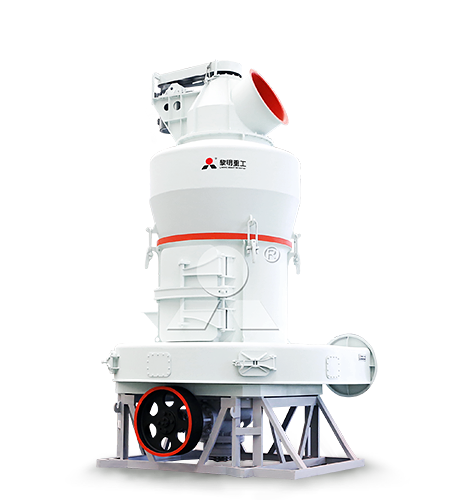
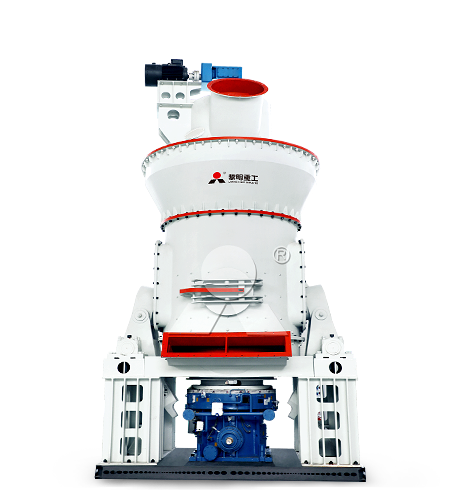
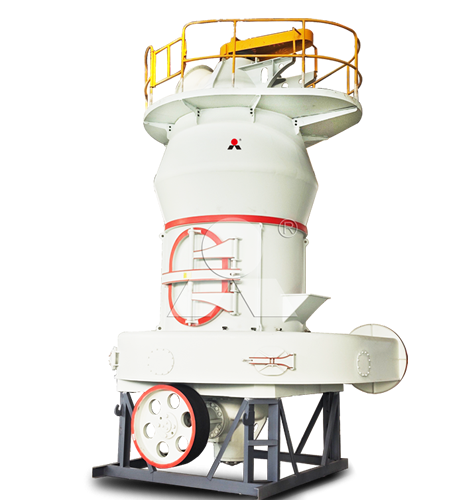
Liming Heavy Industry offers grinding equipment for limestone and other non-metallic mineral powders. The MTW European Trapezium Grinding Mill and LM Vertical Grinding Mill can be evaluated according to the material properties, target fineness, and production requirements.
When planning the complete line, confirm that the grinding system, classifier, dust collector, finished-powder conveyors, silos, and packaging or bulk-loading equipment are compatible. The objective is to achieve the required finished-product output rather than maximizing the capacity of a single machine.
8. Manage Inventory, Product Identification, and Dispatch
Reliable dispatch depends on more than having enough finished powder in storage. The plant should also maintain accurate inventory records, clear product identification, and a practical order-loading procedure.
Useful procedures include:
Recording production quantities and finished-product test results.
Identifying product grade and production batch where required.
Separating products with different specifications.
Checking bag weight, package condition, and labels before shipment.
Verifying the order quantity and delivery destination before loading.
Recording dispatched quantities and retaining the required shipment documentation.
For bagged products, warehouse space should allow safe pallet stacking, forklift movement, and vehicle loading. For bulk products, loading capacity and vehicle scheduling should be coordinated to reduce waiting time and avoid disrupting production.
9. Compare the Operating Costs of Bulk and Bagged Sales
Bulk and bagged delivery have different cost structures. Bulk supply can reduce expenditure on bags and bag-handling labor, but it depends on suitable loading equipment, transport availability, and customer storage facilities. Bagged sales require packaging materials and additional handling, but they can support distribution to customers who cannot receive bulk powder.
A realistic cost comparison should consider:
Packaging materials and consumables
Labor and automation requirements
Electricity consumption for conveying and packaging
Warehouse space and inventory handling
Equipment maintenance and downtime
Transport method and delivery distance
Product loss, rejected packages, and customer handling requirements
The most economical arrangement depends on order sizes, local logistics, and the needs of the target market. Producers should compare total handling and delivery costs rather than evaluating the packaging line alone.
10. Common Storage and Dispatch Problems to Avoid
Insufficient buffer storage
If finished-product storage is too small, a delay in packaging or vehicle dispatch can interrupt grinding operations. Estimate buffer requirements from actual production and dispatch schedules.
Packaging capacity below plant output
A bagging line that cannot keep pace with production may create a bottleneck. Evaluate sustained packing performance, changeover time, and downstream pallet handling before finalizing the system.
Poor dust control at transfer points
Uncontrolled dust during silo filling, bagging, or bulk loading can create housekeeping and workplace concerns. Include suitable collection equipment and accessible maintenance points in the original design.
Inadequate protection from moisture
Exposure to rain or humid conditions can affect powder handling and packaging integrity. Storage, loading, and warehouse arrangements should be suitable for the local climate and product requirements.
Unclear product identification
When several grades are produced, weak identification and inventory procedures can lead to incorrect dispatch. Use clear storage segregation and suitable batch or product records.
11. Plan Your Agricultural Lime Handling System with Liming Heavy Industry
Liming Heavy Industry provides grinding equipment and mineral powder processing solutions for limestone, dolomite, and other non-metallic materials. For agricultural lime projects, the grinding line should be coordinated with finished-product storage, packaging, and dispatch from the beginning of the design process.
To evaluate the appropriate equipment configuration, prepare the following project details:
Raw material type and incoming feed size
Required finished-product fineness and quality specifications
Target production capacity in tonnes per hour or tonnes per day
Required storage volume and expected dispatch frequency
Bag sizes, bagging rate, and whether bulk loading is also required
Available warehouse space, site layout, and vehicle access
Existing grinding, storage, or packaging equipment, if applicable
Project location and operating conditions
With this information, the Liming Heavy Industry team can assess the grinding requirements and help identify the process configuration appropriate for the project. Explore the Liming Heavy Industry product range to learn more about grinding equipment for agricultural limestone and other mineral powders.
Related Agricultural Lime & Soil Amendment


Meet Liming Heavy Industry at the 140th Canton Fair 2026
2026-10-13

Liming Heavy Industry to Attend the 140th Canton Fair
2026-09-25
Liming Heavy Industry at bauma CONEXPO INDIA 2026 | Booth 5-C6
2026-09-07
Turnkey Raw Mill Cement Plant in Saudi Arabia: Design and Installation
2026-09-03
Cement Raw Mill Supplier in Indonesia: Cost and Configuration Analysis
2026-09-01
Complete Mineral Processing Solutions
Convenient Reliable Professional Efficient Get Your Quote
Please feel free to submit your inquiry information to us. We will contact with you as soon as possible.
Our team will contact you as soon as possible.