


Producing consistent quicklime powder does not end when the material leaves the grinding mill. Storage, loading and packing are the final stages that determine how well the finished CaO powder is protected before it reaches the customer or the next production process.
Quicklime requires particular attention because it reacts readily with moisture. Fine powder also tends to become airborne during conveying, silo filling, bulk loading and bag filling. A practical handling system therefore needs to protect the product while keeping material transfer controlled and reliable.
Storage Starts with Moisture Protection
Finished quicklime powder should normally be stored in an enclosed environment. Exposure to rain, humid air or uncontrolled water sources can cause the material to react and may affect its condition during storage.
For continuous grinding plants, finished-product silos are commonly used as a buffer between powder production and downstream loading or packing. The silo provides temporary storage while allowing the grinding section and dispatch section to operate at different rates.
The storage system should be designed around the expected production capacity, dispatch frequency and required buffer volume rather than simply selecting a storage vessel based on available space.
What to Consider When Designing a Quicklime Powder Silo
A suitable storage system should allow the powder to enter, remain and discharge without creating unnecessary handling problems.
Moisture protection: The storage vessel should remain properly enclosed and protected from external water.
Reliable filling: The conveying route should deliver powder smoothly into the silo without excessive dust leakage.
Controlled discharge: The outlet should provide stable material flow to bulk loading or packing equipment.
Dust control: Silo filling and powder discharge should be connected with appropriate dust collection arrangements.
Easy maintenance: Inspection and maintenance points should be accessible without disrupting the entire production line.
Finished Powder Conveying to Storage
After classification and collection, the finished quicklime powder needs to be transferred to the storage section. At this stage, avoiding unnecessary exposure to the surrounding environment is important.
Enclosed conveying equipment can reduce dust escape and help maintain a controlled material path. The conveying arrangement should also be compatible with the powder's fineness and the required production rate.
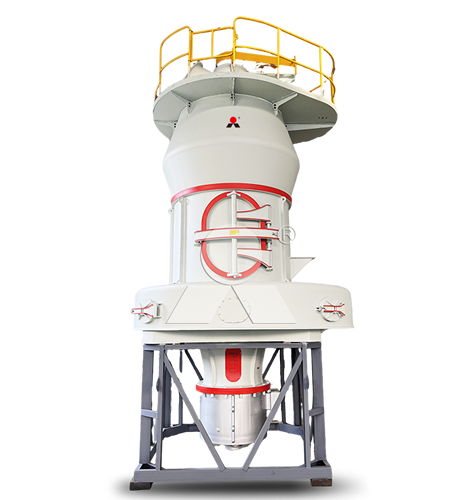
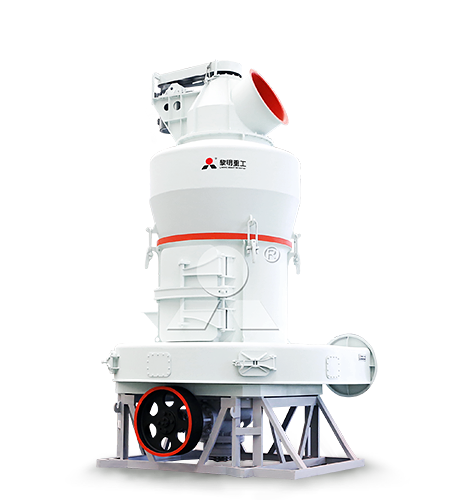
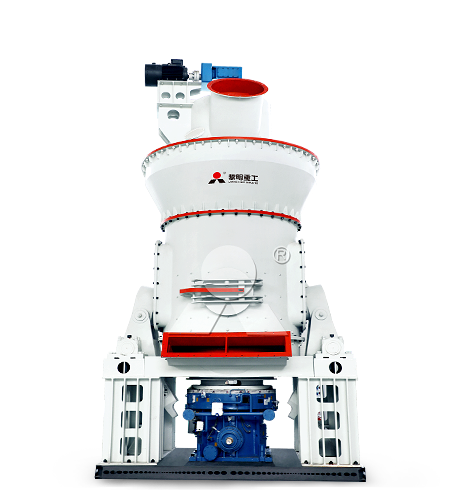
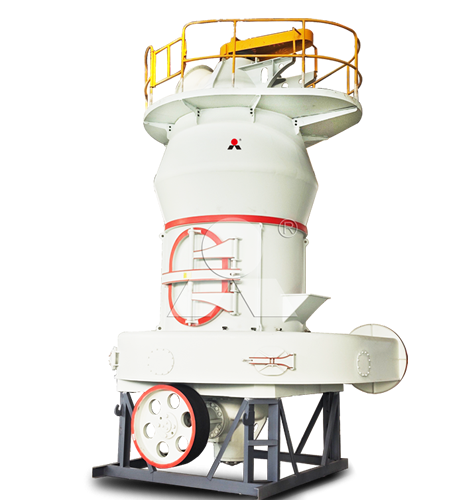
For a grinding plant using a Liming Heavy Industry LM Vertical Mill, finished powder collection and conveying can be arranged as part of the overall grinding and storage system. This helps connect the grinding section with downstream product handling rather than treating storage as an independent operation.
Bulk Loading for Large-Volume Customers
Bulk loading is commonly considered when customers purchase large quantities of quicklime powder or when the product is supplied directly to another industrial process.
A typical bulk-loading route is:
Finished Product Silo → Controlled Discharge → Enclosed Loading Equipment → Bulk Tanker or Receiving System
The loading connection should be properly sealed and matched to the receiving vehicle. This reduces powder leakage during transfer and helps control the dust released as the receiving vessel is filled.
Loading speed should also be considered. If the grinding plant produces powder continuously but the loading system is too slow, finished product may accumulate in the storage silo and eventually restrict production.
When Bag Packing Is More Suitable
Bag packing can be more practical when customers require smaller quantities, standardized package sizes or easier warehouse handling.
Common packing formats may include small bags for general industrial distribution and larger bags for customers with higher consumption. The appropriate package depends on the customer's handling equipment, transportation method and required consumption rate.
Because quicklime powder is fine and moisture-sensitive, the packaging material and sealing method should provide suitable protection during transportation and storage.
Dust Control During Packing
Bag filling is one of the points where finished powder can easily become airborne. When the powder enters a bag, displaced air can carry fine particles into the surrounding area.
A practical packing station should therefore combine controlled feeding, suitable sealing and local dust extraction. The objective is to keep the powder inside the packaging system rather than allowing it to escape around the filling point.
The same principle applies to bulk loading. The loading equipment should provide a controlled connection between the finished-product silo and the receiving vehicle.
Storage Capacity Should Match the Production and Dispatch Plan
Storage capacity should be considered together with grinding capacity and customer delivery schedules.
| Operating Situation | Storage Consideration |
|---|---|
| Continuous grinding with regular dispatch | Provide enough buffer capacity to separate production from loading. |
| Intermittent customer collection | A larger finished-product buffer may be useful. |
| High-volume bulk supply | Coordinate silo capacity with tanker loading speed. |
| Bagged product distribution | Consider both packing capacity and finished-bag storage. |
| Multiple product finenesses | Separate storage may be required to prevent product mixing. |
Separate Storage for Different Powder Specifications
Some quicklime powder plants produce more than one finished specification. For example, different customers may require different fineness levels for applications such as flue gas treatment, chemical processing or other industrial processes.
In such cases, finished products should be clearly separated during classification, conveying and storage. Mixing different grades in a common silo can make it difficult to maintain consistent product specifications.
Storage arrangements should therefore be considered when the grinding and classification system is configured, rather than added after the main equipment has already been selected.
Bulk Loading or Packing: Which Route Fits the Plant?
The choice between bulk loading and bag packing depends mainly on the customer's purchasing pattern and the downstream handling method.
Bulk loading: Suitable for large-volume industrial users with their own bulk receiving and storage facilities.
Bag packing: Suitable when the product needs to be distributed in standardized packages or handled manually or with warehouse equipment.
Both systems: A plant serving different customer groups may use a common finished-product storage system with separate bulk-loading and packing routes.
Important Details Before Finalizing the Handling System
Before selecting storage, loading and packing equipment, a quicklime powder project should clarify several practical requirements:
Required finished-powder capacity.
Finished product fineness and the number of product specifications.
Expected daily or weekly dispatch volume.
Bulk or bagged delivery requirements.
Bag size and packing capacity if bagged product is required.
Bulk tanker or receiving-system requirements.
Required storage buffer between grinding and dispatch.
Moisture protection requirements.
Dust collection requirements around storage and loading points.
Connecting Grinding with Final Product Handling
A well-designed quicklime powder plant should consider the complete route from cooled quicklime to final delivery. Grinding capacity alone does not determine the practical output of the plant if storage, conveying or loading becomes a bottleneck.
For large-scale production, the Liming Heavy Industry LM Vertical Mill can be incorporated into a complete quicklime powder system covering grinding, classification, powder collection and downstream conveying. The storage and dispatch equipment can then be configured according to the required product specifications, production capacity and customer delivery method.
Whether the final product is delivered by bulk tanker or packed into bags, enclosed handling, moisture protection, reliable discharge and effective dust control are key considerations for maintaining the quality and stability of quicklime powder after grinding.
Related Quicklime Powder Production Line


Liming Heavy Industry to Attend the 140th Canton Fair
2026-09-25

Liming Heavy Industry at bauma CONEXPO INDIA 2026 | Booth 5-C6
2026-09-07
Turnkey Raw Mill Cement Plant in Saudi Arabia: Design and Installation
2026-09-03
Cement Raw Mill Supplier in Indonesia: Cost and Configuration Analysis
2026-09-01
Liming Heavy Industry to Exhibit at the 24th Global Gypsum Conference & Exhibition in Turkey
2026-08-31
Complete Mineral Processing Solutions
Convenient Reliable Professional Efficient Get Your Quote
Please feel free to submit your inquiry information to us. We will contact with you as soon as possible.
Our team will contact you as soon as possible.