


The cost of a limestone grinding plant depends on much more than the price of the grinding mill. A complete project may include limestone crushing, feeding, grinding, classification, dust collection, conveying, storage, electrical systems, installation, and other auxiliary equipment.
Because limestone projects vary significantly in capacity, feed conditions, required fineness, plant layout, and automation level, there is no single equipment price that applies to every project. Understanding the main investment factors is essential when planning a limestone powder production line.
1. Production Capacity
Production capacity is one of the most important factors affecting the initial investment.
A small limestone powder plant may require only a relatively compact grinding system, while a large commercial project may need a high-capacity vertical mill or several grinding lines.
As capacity increases, the project may require larger or additional equipment for:
Limestone crushing
Feeding and storage
Grinding
Classification
Dust collection
Finished powder conveying
Storage and packaging
Capacity should therefore be specified as an actual required production rate rather than simply selecting equipment based on its maximum rated capacity.
2. Required Limestone Powder Fineness
Fineness has a direct influence on equipment selection and project cost. Producing ordinary fine limestone powder generally requires less grinding energy and a simpler system than producing very fine or ultrafine powder.
For example, a plant producing 100–200 mesh limestone powder has different equipment requirements from a plant producing 1000–3000 mesh powder.
Liming Heavy Industry provides several grinding solutions for different fineness requirements:
| Grinding Mill | Typical Fineness Range | Typical Capacity Range | Typical Application |
|---|---|---|---|
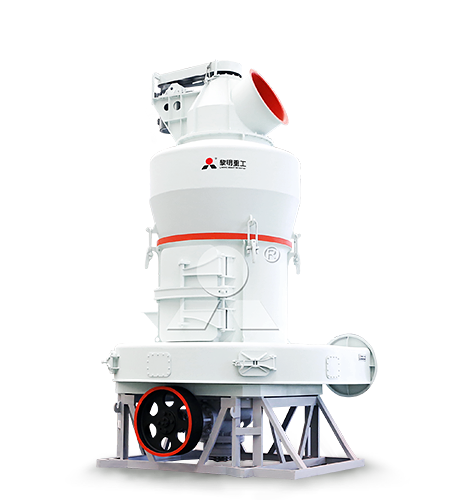
| MTW European Mill | 12–400 mesh | 3–55 t/h | Fine limestone powder production |
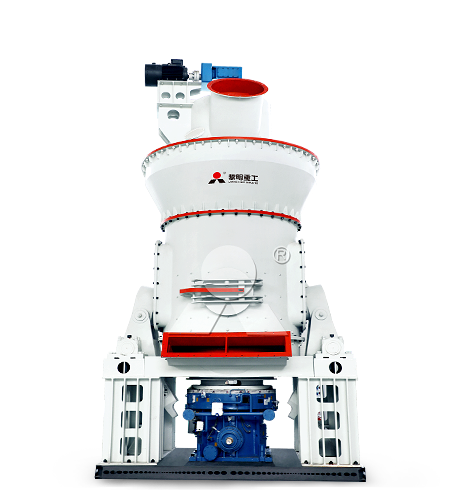
| LM Vertical Mill | 20–400 mesh | 7–340 t/h | Large-scale limestone grinding |
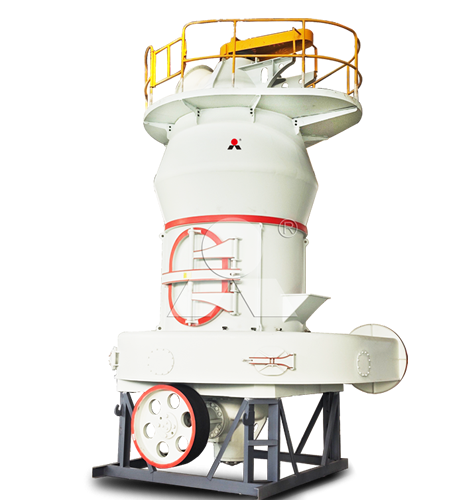
| MW Micro Powder Mill | 325–3250 mesh | 0.5–25 t/h | Fine and ultrafine limestone powder |
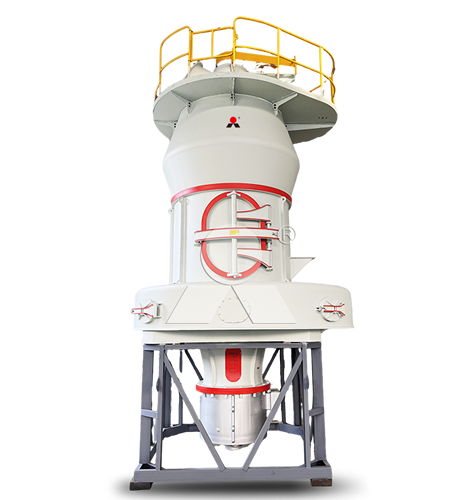
| LUM Ultrafine Vertical Mill | 625–3250 mesh and finer applications | 5–18 t/h | High-fineness limestone powder |
The finer the required product, the more attention must be given to grinding, classification, airflow, powder collection, and material handling.
3. Limestone Feed Size
The size of the limestone entering the grinding system can affect the equipment configuration and investment.
If the quarry supplies relatively large limestone lumps, a crushing stage may be required before grinding. If the raw material is already within the acceptable feed size of the selected mill, additional crushing equipment may not be necessary.
A complete project assessment should therefore consider both the maximum raw limestone size and the required mill feed size.
4. Raw Material Moisture
Limestone moisture can influence grinding performance and material flow. In some projects, the raw material is sufficiently dry for direct grinding. In other cases, additional drying may need to be considered.
When drying is required, the project may need additional equipment and supporting systems, increasing the overall investment.
For this reason, the actual moisture condition of the limestone should be determined before finalizing the process design.
5. Grinding Mill Selection
The grinding mill is a major part of the equipment investment, but selecting the lowest-priced mill is not necessarily the best way to reduce total project cost.
The mill should match the required capacity, fineness, feed size, material characteristics, and operating conditions.
For general fine limestone grinding, MTW and LM systems can cover a wide range of applications. For higher-fineness requirements, MW or LUM systems may be more appropriate.
A correctly sized mill can also help avoid unnecessary investment caused by oversized equipment.
6. Crushing and Pre-Treatment Equipment
Not every limestone grinding plant requires a separate crushing stage. Whether crushing equipment is needed depends mainly on the incoming limestone size.
A project using large quarry limestone may require crushers and associated feeding and conveying equipment before grinding. A project receiving appropriately sized material may be able to feed the grinding system directly.
Therefore, the raw material condition can make a significant difference to the total equipment list and project investment.
7. Dust Collection System
Dust collection is an important part of a limestone grinding plant. The system normally needs to handle the airflow and fine powder generated during grinding and classification.
The required dust collection equipment depends on the plant capacity, process configuration, airflow requirements, and environmental standards applicable to the project.
A higher-capacity grinding system generally requires a correspondingly larger dust collection and air-handling system.
8. Conveying and Material Handling
The cost of a complete limestone grinding plant also includes the equipment required to move limestone and finished powder between process stages.
Depending on the plant configuration, this may include:
Belt conveyors
Screw conveyors
Bucket elevators
Air conveying systems
Powder discharge equipment
Finished powder storage systems
A compact plant with short conveying distances may require less material-handling equipment than a large plant with multiple storage and processing areas.
9. Finished Powder Storage and Packaging
The required finished-product system depends on how the limestone powder will be sold or used.
A plant supplying powder directly to another production process may require only bulk storage and conveying. A commercial powder producer may additionally need silos, weighing systems, packing machines, and palletizing or loading equipment.
These downstream requirements can therefore have a noticeable effect on the total project investment.
10. Automation and Electrical Systems
Automation requirements also affect project cost.
A basic plant may use relatively simple controls, while a larger industrial facility may require centralized control, automatic feeding, interlocking, monitoring, alarms, and other automation functions.
The electrical system may include motor control equipment, control cabinets, instrumentation, cables, sensors, and other components. The final configuration depends on the project scale and the customer's operating requirements.
11. Plant Layout and Building Conditions
Equipment prices are only part of the total project investment. Site conditions can have a major influence on installation costs.
Important factors include:
Available plant area
Existing buildings
Foundation conditions
Equipment arrangement
Raw material storage distance
Finished powder storage location
Electrical infrastructure
Local construction requirements
A project using an existing industrial building may have different construction costs from a completely new facility.
12. Installation and Civil Construction
The total investment should distinguish between equipment cost and installation-related expenses.
Depending on the project, additional work may include equipment foundations, steel structures, buildings, electrical installation, piping, cable installation, commissioning, and local construction work.
These costs vary considerably between countries and individual sites, so they should be evaluated separately from the grinding equipment itself.
13. Number of Grinding Lines
Large limestone powder projects can sometimes use one high-capacity grinding line or several smaller lines.
A single large LM vertical mill can be suitable for high-capacity production. Multiple lines may be considered when a plant needs greater production flexibility or different finished products.
The most suitable arrangement depends on the required total capacity, product specifications, operating schedule, and maintenance strategy.
14. Energy Consumption and Long-Term Operating Cost
Initial equipment investment is only one part of the economic evaluation. Electricity consumption, wear parts, maintenance, labor, and downtime can significantly affect the long-term cost of operating a limestone grinding plant.
For this reason, two plants with similar initial equipment costs may have different operating economics over their service life.
When comparing grinding systems, it is useful to consider both the initial investment and the expected operating conditions.
15. Application of the Limestone Powder
The intended application determines many of the technical requirements of the plant.
Common applications include:
Construction materials
Dry-mix mortar
Cement-related applications
Flue gas desulfurization
Industrial fillers
Ultrafine mineral powder applications
Each application can require a different combination of capacity, fineness, particle-size control, storage, and conveying equipment.
16. How to Estimate a Limestone Grinding Plant Investment
A practical project assessment should start with the basic technical information rather than asking for a mill price alone.
The following information is normally required:
Type and characteristics of limestone
Maximum feed size
Required production capacity in tons per hour
Required finished powder fineness
Required operating hours
Raw material moisture
Required finished-product storage and packaging
Existing equipment or infrastructure
Destination country and site conditions
Once these parameters are defined, the required equipment configuration can be established and the investment can be evaluated more realistically.
17. Why There Is No Universal Limestone Grinding Plant Price
Two projects may both be described as “limestone grinding plants” while having completely different equipment configurations.
For example, one project may require 10 t/h of 200-mesh powder from relatively small, dry limestone feed. Another may require 100 t/h of 325-mesh powder from large quarry stone and include crushing, storage, multiple conveying stages, and automatic packaging.
The equipment lists, power requirements, building requirements, and installation work will therefore be different.
For this reason, a meaningful project investment estimate should be based on the complete process and site conditions rather than on a general price per ton of capacity.
Conclusion
The investment required for a limestone grinding plant is determined by the complete production system. The most important factors include production capacity, finished powder fineness, limestone feed size, moisture, grinding mill selection, crushing requirements, dust collection, conveying, storage, automation, installation, and site conditions.
For general fine limestone powder production, MTW and LM grinding mills can provide solutions across a broad capacity range. For fine and ultrafine limestone powder, MW and LUM grinding systems can be selected according to the required product specifications.
The most reliable way to determine the required investment is to define the material, capacity, feed size, and finished powder fineness first. These parameters provide the foundation for selecting the grinding equipment and designing the complete limestone processing plant.
Related Limestone Grinding Plant


Liming Heavy Industry at bauma CONEXPO INDIA 2026 | Booth 5-C6
2026-09-07

Turnkey Raw Mill Cement Plant in Saudi Arabia: Design and Installation
2026-09-03
Cement Raw Mill Supplier in Indonesia: Cost and Configuration Analysis
2026-09-01
Liming Heavy Industry to Exhibit at the 24th Global Gypsum Conference & Exhibition in Turkey
2026-08-31
Complete Calcium Carbonate Grinding and Coating Plant Solution
2026-08-29
Complete Mineral Processing Solutions
Convenient Reliable Professional Efficient Get Your Quote
Please feel free to submit your inquiry information to us. We will contact with you as soon as possible.
Our team will contact you as soon as possible.