


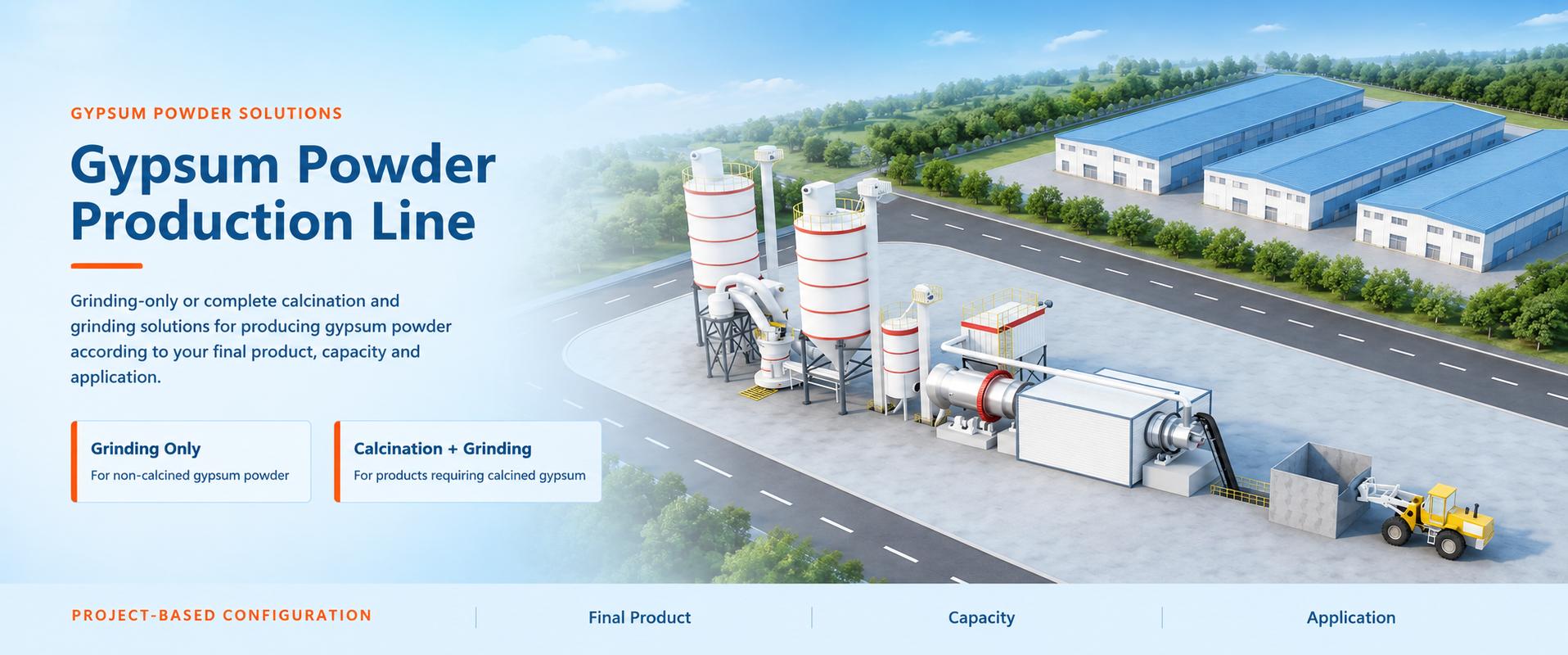
Gypsum powder for plaster is generally produced from raw gypsum through crushing, controlled calcination, grinding, classification, dust collection and packing. The key requirement is not simply to make gypsum powder finer. The process must produce a calcined gypsum material with stable properties and a particle-size condition suited to plaster production.
Gypsum plaster is used in interior finishing, wall leveling, ceiling work, decorative elements, repair materials and other building applications. Different plaster formulations can require different powder conditions, so the production line should be configured according to the raw gypsum source, required output, target fineness and intended application.
What Is Gypsum Powder for Plaster?
Gypsum powder for plaster is usually based on calcined gypsum. Natural gypsum contains chemically combined water and is primarily calcium sulfate dihydrate, CaSO4·2H2O. During controlled calcination, part of this chemically combined water is removed, producing calcined gypsum that can be further ground and used in plaster formulations.
When calcined gypsum powder is mixed with water during later use, it can hydrate and set. This property makes gypsum-based powder suitable for many plastering and finishing materials. The actual performance of the final plaster depends on the complete material formulation, powder condition, water addition, mixing method and application environment.
Ground natural gypsum powder and calcined gypsum powder are not the same product. A grinding-only line can produce non-calcined gypsum powder. For plaster applications requiring calcined gypsum, the processing route must include a controlled thermal stage before final grinding.
Typical Production Route for Gypsum Plaster Powder
A gypsum plaster powder plant usually follows the route below:
Raw Gypsum → Crushing → Controlled Feeding → Calcination → Cooling or Transfer → Grinding → Classification → Dust Collection → Storage → Packing
Each stage contributes to the final material condition. Crushing prepares the feed. Calcination converts the raw gypsum. Grinding produces the required powder size. Classification controls the particle-size distribution. Dust collection, conveying and packing preserve the finished material during handling.
| Production Stage | Main Purpose | Importance for Plaster Powder |
|---|---|---|
| Raw material preparation | Controls gypsum source, lump size, moisture and impurities. | Creates a stable starting condition for calcination and grinding. |
| Crushing | Reduces raw gypsum to a suitable feed size. | Supports more uniform calcination and stable feeding. |
| Calcination | Converts raw gypsum into calcined gypsum. | Provides the material condition required for gypsum plaster. |
| Cooling and transfer | Moves calcined material to downstream equipment. | Helps maintain stable handling conditions before grinding. |
| Grinding | Reduces calcined gypsum to the required powder size. | Supports powder uniformity for mixing and application. |
| Classification | Separates qualified powder from coarse material. | Controls particle-size consistency in the finished powder. |
| Dust collection | Recovers fine particles and manages airflow. | Supports clean operation and powder recovery. |
| Storage and packing | Stores and fills finished plaster powder. | Protects powder from unnecessary moisture exposure. |
Raw Gypsum Selection for Plaster Production
The quality of gypsum plaster powder begins with the raw material. Raw gypsum may be natural gypsum, industrial gypsum or another gypsum-bearing material. Before designing the process, the material should be evaluated for gypsum content, lump size, moisture, impurities and storage behavior.
Raw material variation can affect calcination and grinding. If the gypsum feed changes frequently in moisture or particle size, the thermal condition and material flow may also change. A stable raw material source supports more consistent operation throughout the plant.
Raw Material Conditions to Check
Source and type of gypsum raw material.
Maximum size of incoming gypsum lumps.
Free moisture content and seasonal changes in moisture.
Presence of clay, soil, metal fragments or other foreign materials.
Storage condition before processing.
Flow behavior in hoppers, conveyors and feeders.
Required final plaster powder grade.
Crushing Raw Gypsum Before Calcination
Raw gypsum is usually crushed before entering the calcination system. Crushing reduces large pieces into a more uniform feed size, allowing the material to move and receive heat more consistently during the thermal stage.
A typical crushing arrangement can include a receiving hopper, controlled feeder, crusher, conveyor, screen, magnetic separator and storage bin. The crusher discharge size should match the feed requirement of the calcination equipment.
Crushing is not intended to produce the finished plaster powder. Its purpose is to prepare the raw gypsum for the next processing stage. If the feed contains large variations in size, the calcination process can become less stable because different particles may receive different levels of thermal exposure.
Calcination: The Core Stage for Gypsum Plaster Powder
Calcination converts raw gypsum into calcined gypsum. This is the essential stage for plaster powder production because it changes the material from its natural gypsum form into a form that can be used for gypsum plaster and related products.
Natural gypsum is mainly calcium sulfate dihydrate, CaSO4·2H2O. Under controlled thermal treatment, part of the chemically combined water is removed. The resulting calcined gypsum commonly includes calcium sulfate hemihydrate, CaSO4·½H2O.
The calcination stage must be matched to the required plaster product. Feed size, feed rate, material moisture, residence time, heat balance and discharge condition all affect the calcined gypsum. Stable operation requires these variables to work together.
Rotary Kiln Calcination
A rotary kiln can be used for continuous gypsum calcination. The kiln is a rotating, slightly inclined cylindrical unit. Prepared gypsum enters at the feed end and moves gradually toward the discharge end while receiving controlled heat.
As the kiln rotates, the material is lifted, rolled and moved forward. The amount of time the gypsum remains in the kiln is influenced by the feed rate, kiln rotation, kiln slope and material condition. The calcined gypsum then leaves the kiln for cooling, conveying, storage or direct transfer to the grinding section.
Conditions That Influence Calcination
| Condition | Effect on Plaster Powder Production |
|---|---|
| Raw gypsum feed rate | Changes thermal load and material residence time. |
| Feed particle size | Affects the uniformity of thermal treatment. |
| Free moisture | Influences heat demand and material movement. |
| Thermal condition | Controls the conversion from raw gypsum to calcined gypsum. |
| Material residence time | Determines how long the gypsum receives heat. |
| Kiln discharge stability | Affects cooling, storage and feed stability for the grinding mill. |
| Airflow and dust collection | Support process balance and fine-particle recovery. |
Cooling and Transfer After Calcination
After calcination, gypsum should be transferred to the grinding system under controlled conditions. Depending on the plant layout, the material may pass through cooling equipment, enclosed conveyors, elevators, storage bins or direct feeding equipment.
This stage is important because calcined gypsum can be affected by moisture and material-handling conditions. The transfer system should reduce buildup, support steady material flow and protect the powder from unnecessary moisture exposure before grinding and packing.
Intermediate storage can provide a buffer between calcination and grinding. It allows the grinding mill to receive a more stable feed even when the upstream thermal section experiences minor variations. Storage capacity should be matched to the operating rhythm of the full plant.
Grinding Calcined Gypsum for Plaster
Grinding reduces calcined gypsum to the particle size required for plaster production. The selected mill should be matched to feed size, material condition, required capacity and target powder fineness. The grinding system normally operates together with a classifier, air system, dust collector, powder conveyor and finished-product storage bin.
For plaster powder, particle-size consistency is important. If the powder contains too much coarse material, mixing and application behavior may differ from the intended condition. If the powder is excessively fine or varies widely between production periods, the final formulation may require adjustment.
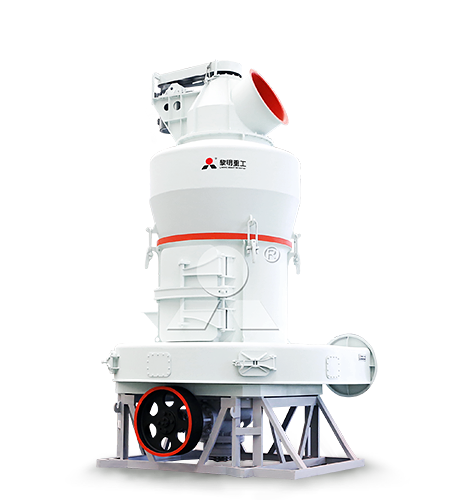
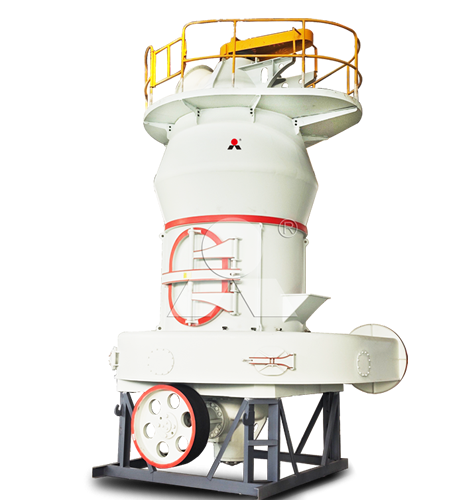
R Raymond Mill for Conventional Plaster Powder
An R Raymond mill can be considered for conventional gypsum plaster powder production where capacity and fineness requirements are within a moderate range. It is suitable for grinding prepared calcined gypsum into common industrial powder grades.
The mill should receive stable feed material from the cooling or storage section. The classifier and air system should be adjusted according to the required finished powder condition.
MTW European Grinding Mill for Broad Powder Requirements
An MTW European grinding mill is suitable for industrial gypsum plaster powder production with a broad range of fineness requirements. It can be integrated into a calcination and grinding plant after the calcined gypsum has been cooled and transferred.
The system can include feeding, grinding, classification, dust collection, powder conveying and storage. The configuration should be based on the actual calcined gypsum condition and the required output.
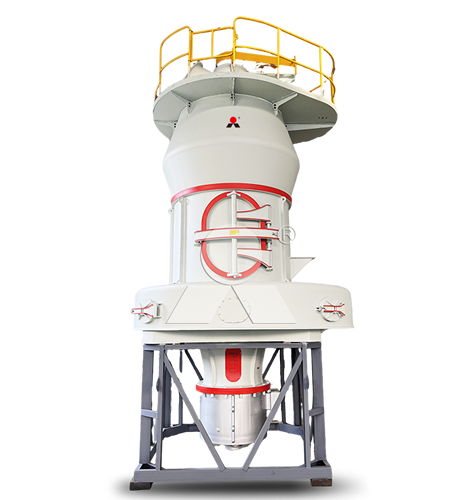
LM Vertical Grinding Mill for Larger Plaster Powder Lines
An LM vertical grinding mill can be considered for larger gypsum plaster powder production lines requiring continuous operation. It is suitable for integrated systems where material feeding, grinding, classification, air handling, dust collection and finished powder transport are coordinated.
For larger lines, stable flow between the calcination section and the mill is important. Crushing capacity, kiln discharge, intermediate storage, feeder capacity and finished-product handling should all be matched to the planned powder output.
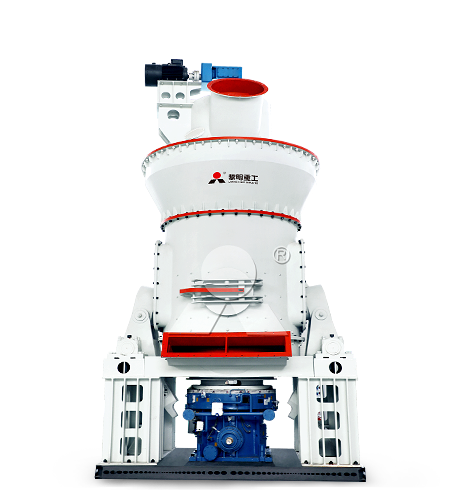
LUM Ultrafine Vertical Mill for Finer Gypsum Powder
A LUM ultrafine vertical mill is suitable for plaster powder applications requiring finer gypsum powder and closer particle-size control. It can be selected when the final formulation requires a fine powder grade beyond conventional gypsum grinding conditions.
In fine powder processing, the classifier plays a central role. Qualified fine powder is collected, while particles that remain too coarse return for further grinding. This circulation helps maintain a more controlled particle-size distribution.
Classification and Powder Consistency
Classification separates finished plaster powder from particles that need additional grinding. The classifier works with the grinding mill to maintain the target particle-size range. It affects both final powder fineness and production stability.
When classifier conditions are not stable, the finished powder can become too coarse, too fine or inconsistent. The feed rate, airflow, grinding component condition and amount of circulating material should be checked together with the classifier setting.
| Observed Powder Condition | Possible Areas to Check |
|---|---|
| Powder is coarser than expected | Classifier setting, airflow, feed rate and grinding component condition. |
| Powder fineness varies frequently | Raw material condition, calcination stability, mill feeding and classification operation. |
| Grinding output decreases | Feed moisture, material flow, mill wear, circulating load and dust collector resistance. |
| Excessive material returns to the mill | Classifier setting, target powder requirement and grinding efficiency. |
| Powder discharge becomes unstable | Conveying equipment, storage-bin flow, dust collection and finished-product handling. |
Dust Collection and Finished Powder Handling
Fine gypsum powder is generated during grinding, classification, conveying and packing. Dust collection equipment helps recover usable material and supports negative-pressure operation around powder-handling points.
The dust collection system should be coordinated with the mill and classifier. Airflow affects powder movement through the grinding circuit, so filter condition, fan operation, duct sealing and collection efficiency all influence the stability of the process.
After collection, finished gypsum plaster powder is transferred to storage and packing equipment. The storage bin should provide enough capacity to buffer the difference between grinding output and packing speed. The final product should be protected from unnecessary moisture exposure during storage and transport.
Gypsum Plaster Powder Applications
Calcined gypsum powder can be used in a range of plastering and interior finishing applications. The exact formulation and powder requirement depend on the intended material and local construction practice.
| Application Direction | Role of Gypsum Powder |
|---|---|
| Wall plaster | Provides a gypsum-based binder for interior surface finishing. |
| Ceiling plaster | Used in gypsum-based finishing materials for ceiling surfaces. |
| Skim coat and surface leveling materials | Used as a gypsum-based component in thin finishing layers. |
| Repair materials | Used in gypsum-based mixes for filling and surface repair. |
| Decorative gypsum products | Used in casting and ornamental building elements. |
| Joint treatment materials | Used as a gypsum-based powder component in filling and joint-finishing systems. |
Key Production Controls for Plaster Powder
Use raw gypsum with stable material properties where possible.
Crush raw gypsum to a feed size suitable for continuous calcination.
Maintain stable feeding into the thermal process.
Control calcination according to the required gypsum plaster product.
Transfer calcined gypsum without unnecessary moisture exposure.
Select grinding equipment according to required capacity and target fineness.
Use classification to control the finished powder particle-size distribution.
Maintain dust collection and airflow balance throughout the system.
Store and pack finished powder under suitable dry handling conditions.
Conclusion
Gypsum powder for plaster is typically produced through a calcination and grinding process. Raw gypsum is crushed, thermally converted into calcined gypsum, transferred to the grinding system, classified to the required particle size and then stored and packed for use in gypsum plaster applications.
The appropriate grinding equipment depends on production capacity, powder fineness and material condition. R Raymond mills can be used for conventional plaster powder production, MTW European grinding mills are suitable for broad industrial fineness requirements, LM vertical grinding mills can be considered for larger continuous lines and LUM ultrafine vertical mills are suitable for finer gypsum powder with closer particle-size control.
Related Gypsum Powder Production Line


LIMING at MiningMetals Uzbekistan 2026 | Booth B94
2026-10-22

LIMING Heavy Industry at MINEXPO Africa 2026 | Booth 133
2026-10-22
Liming Heavy Industry to Exhibit at bauma CHINA 2026 – Visit Us at Booth E6.510
2026-10-15
Meet Liming Heavy Industry at the 140th Canton Fair 2026
2026-10-13
Liming Heavy Industry to Attend the 140th Canton Fair
2026-09-25
Complete Mineral Processing Solutions
Convenient Reliable Professional Efficient Get Your Quote
Please feel free to submit your inquiry information to us. We will contact with you as soon as possible.
Our team will contact you as soon as possible.