


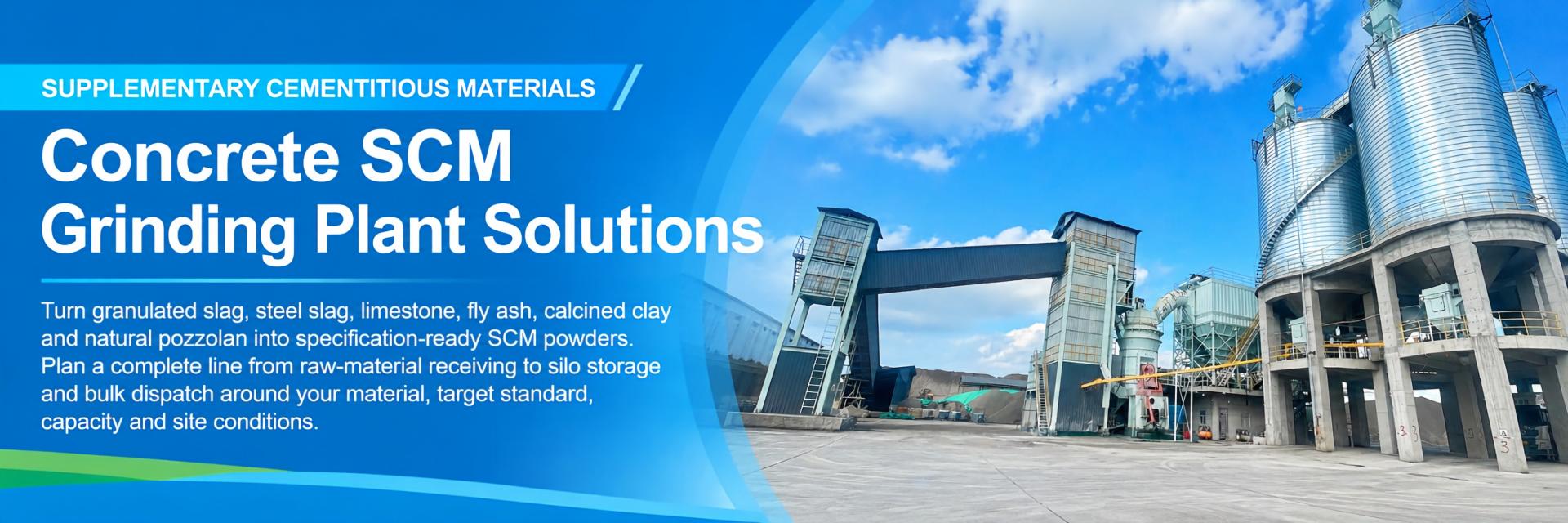
Natural pozzolan grinding converts a suitable mineral resource into a controlled powder for use in concrete or blended cement. The process usually involves selective extraction, crushing, drying where necessary, grinding, classification, and product testing. Some materials also require calcination to develop useful reactivity. The correct route depends on the deposit—not simply the desired powder fineness.
For a commercial production line, the objective is to deliver consistent cementitious performance while controlling water demand, grinding energy, and product variability. A powder that meets a sieve requirement is not automatically a qualified pozzolan. ASTM C618 addresses chemical requirements as well as physical properties, including fineness, strength activity, water requirement, and soundness-related testing.
From a Geological Resource to a Concrete Ingredient
Natural pozzolans include suitable volcanic ash, volcanic tuff, pumicite, and other naturally occurring siliceous or siliceous-aluminous materials. Some can be used after physical processing; others need thermal treatment. ASTM C618 recognizes both raw and calcined natural pozzolans.
A pozzolan contributes through reaction with calcium hydroxide in the presence of moisture, forming additional cementitious products. However, a rock’s name or bulk silica content does not establish how effectively it will react. Mineral structure, reactive phases, particle characteristics, and processing history all matter.
Before designing a grinding line, distinguish between three questions:
Is the resource chemically and mineralogically suitable?
What processing is needed to develop or expose its useful reactivity?
Can the resulting powder meet the customer’s requirements consistently?
Keeping these questions separate prevents a common project mistake: selecting a mill before establishing whether the raw material can produce an acceptable concrete ingredient.
Start with Representative Samples, Not the Best-Looking Rock
A production plant will process the deposit as it is mined, not only the most promising laboratory sample. The investigation should therefore cover the planned extraction area, different layers, weathered zones, and changes in moisture or accessory minerals.
A practical characterization program should establish:
Chemical composition and potentially limiting constituents.
Mineralogy and the nature of the reactive fraction.
Moisture range and handling behavior.
Feed-size distribution and crushing requirements.
Grindability and abrasive behavior.
Performance at several candidate fineness levels.
Whether calcination provides a necessary or worthwhile improvement.
Qualification must ultimately connect these findings with the required chemical and physical tests. ASTM C618 does not permit suitability to be established by fineness alone.
A Practical Natural Pozzolan Grinding Route
Selective extraction and controlled stockpiling
Keep materially different zones identifiable during extraction. Where the resource varies, controlled blending may help stabilize the feed, but it should be based on measured properties. Blending without understanding the components can spread an unsuitable layer through a much larger product volume.
Provide separate locations for accepted feed, material awaiting assessment, and rejected material. This simple arrangement makes it easier to connect changes in product quality with changes in the incoming resource.
Crushing and feed preparation
Reduce lump material to the selected mill’s feed specification. The preparation system should remove foreign objects and provide a stable, metered feed rather than alternate between starvation and surges.
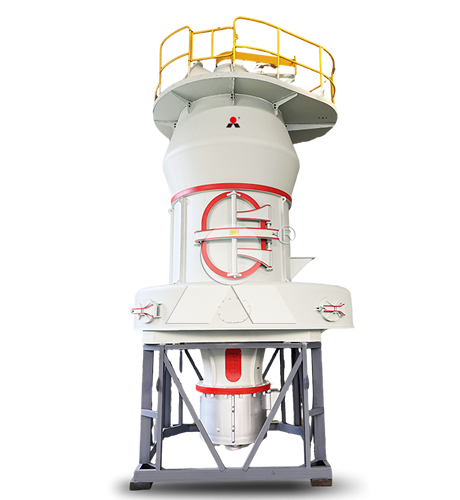
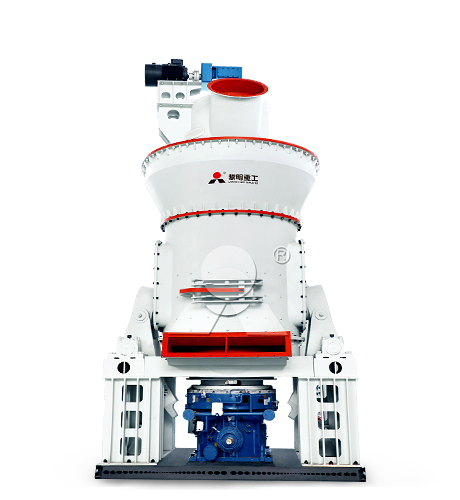
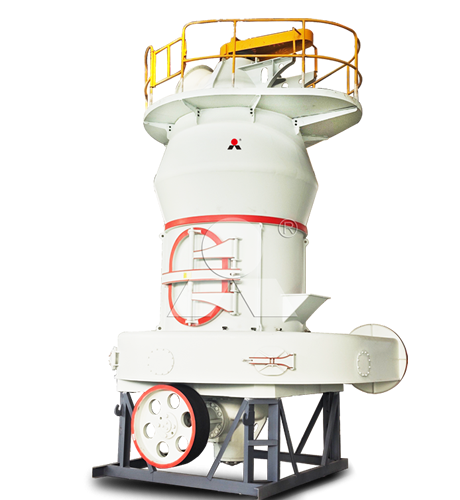
For a Liming Heavy Industry LM Vertical Roller Mill installation, the permitted feed size must be confirmed for the selected model and material. The LM system feeds material to a rotating grinding table, where rollers apply pressure before the powder enters the classification stage.
Drying where moisture requires it
Moisture affects feeding, grinding, classification, and powder collection. Where the feed requires drying, an integrated hot-air grinding arrangement may be appropriate. The available gas temperature and volume must be assessed against the moisture range, required output, and acceptable finished-product condition.
The Liming Heavy Industry LM Vertical Roller Mill combines hot-air drying with grinding and classification. This can simplify the process arrangement, but it does not eliminate the need to calculate the drying duty or manage feed that falls outside the agreed operating range.
Grinding and classification
Grinding reduces particle size and exposes additional surface. Classification separates the acceptable powder from material needing further size reduction. In the LM arrangement, coarse particles return to the grinding table while qualified fines leave with the airflow for collection.
The operating target should include both finished-product quality and stable output. Raising classifier speed or grinding pressure without checking circulation, airflow, and feed conditions can shift the limitation elsewhere in the system.
Collection, storage, and dispatch
Collected powder should move to storage that protects it from moisture and preserves product identity. Provide a defined destination for material produced during startup, feed changes, or off-specification operation rather than automatically mixing it into qualified stock.
Where several product grades are made, storage and dispatch controls should prevent accidental mixing. Customers need a consistent delivered product, not merely an acceptable average across several different production conditions.
Does the Material Need Calcination?
Not every natural pozzolan needs thermal activation. Some volcanic materials can provide useful performance after drying and grinding, while certain clay-bearing resources benefit from controlled calcination. ASTM C618 covers both raw and calcined natural pozzolans, reflecting these different processing routes.
The decision should follow comparative trials:
Prepare and test the raw material at practical fineness levels.
Evaluate appropriate calcination conditions where mineralogy supports that route.
Grind and test the treated material under controlled conditions.
Compare performance gains with thermal input, electrical consumption, yield, and handling requirements.
A drying mill removes free moisture; it does not automatically provide the thermal activation required by a clay mineral. If calcination is necessary, it must be designed as a separate process duty with verified treatment conditions.
Choosing the Fineness: Do Not Grind Past the Useful Point
Finer grinding can improve the rate at which a suitable pozzolan contributes to strength. However, additional surface can also increase water or admixture demand. A practical fineness target must balance activity, workability, mill output, and energy consumption.
Use several measurements rather than one commercial mesh description:
| Measurement | What it contributes to the decision |
|---|---|
| Coarse sieve residue | Checks the proportion of particles above a specified size and supports compliance assessment. |
| Particle-size distribution | Shows whether the powder contains an appropriate balance of coarse, intermediate, and fine particles. |
| Specific surface | Provides an additional fineness indicator when the method is suitable for the material. |
| Water requirement | Helps identify whether the powder creates an excessive demand for water under the prescribed test. |
| Strength activity | Evaluates contribution under defined mortar-test conditions. |
| Concrete trials | Verify behavior with the customer’s actual cement, aggregates, admixtures, and curing conditions. |
ASTM C618’s inclusion of fineness, water requirement, and strength activity as separate properties is important: meeting one does not establish that the others are satisfactory.
ASTM C618 Class N: What Producers Should Understand
Class N identifies raw or calcined natural pozzolans within ASTM C618. It is a material classification, not a ranking above Class F or Class C, and it does not prescribe a universal cement-replacement percentage.
A purchase specification should identify the required ASTM C618 edition and the applicable sampling and testing procedures. Avoid copying numerical limits from an older certificate without checking the contractual edition. The standard has been revised over time, and project requirements may add further conditions.
For qualification, expect to address the applicable requirements for chemistry, moisture, fineness, strength activity, water requirement, and soundness. Passing an initial test program should be followed by production controls that demonstrate the consistency of the supplied material.
Air-entrained concrete needs particular attention. ASTM C618 warns that finely divided materials can reduce entrained air and calls for verification and appropriate admixture adjustment where air entrainment is specified. A satisfactory strength result does not remove this requirement.
Supplying Concrete Plants vs Producing Blended Cement
Separately supplied pozzolan for concrete
When the powder is delivered as a separate concrete ingredient, the batching plant controls its dosage. The supplier should provide a defined product specification, consistent delivery condition, and representative performance information.
Mixture development should evaluate the intended replacement levels with the actual Portland cement and admixture system. The useful dosage depends on strength timing, placement requirements, exposure conditions, curing, and the governing concrete specification—not merely the pozzolan’s classification.
Pozzolan incorporated into blended cement
For blended cement production, the process must control both component properties and the finished blend. Separate grinding allows the pozzolan’s fineness to be adjusted independently before dosing and mixing. Intergrinding processes components together, making differences in grindability part of the circuit design.
The finished cement must satisfy the applicable cement specification. Qualification of the pozzolan as an ingredient does not, by itself, establish conformity of the completed blended cement.
In either arrangement, define whether the grinding plant is responsible only for producing pozzolan powder or also for proportioning and blending the finished cement. This boundary affects equipment scope, storage, quality control, and acceptance testing.
Selecting a Liming Heavy Industry Grinding System
For a continuous natural pozzolan powder project, the Liming Heavy Industry LM Vertical Roller Mill is an option to evaluate where integrated drying, grinding, and classification suit the feed. The LM platform is designed for nonmetallic minerals and building-material applications, but model selection must be based on representative material testing.
A useful equipment inquiry should include:
The geological material and planned feed blend.
Representative chemical, mineralogical, and performance results.
Feed size and expected moisture range.
Grindability and wear-related test information where available.
Required saleable output and annual operating schedule.
Target residue, particle-size distribution, and product moisture.
Available heat source and utility conditions.
Storage, conveying, and dispatch requirements.
Ask for capacity and consumption figures at those stated conditions. A nominal output for limestone, slag, or another mineral is not a dependable production estimate for a new pozzolan deposit.
When the Powder Meets Fineness but Misses Performance
More grinding should not be the automatic response. Investigate whether the change originates in the material, process, or test conditions.
If strength activity falls, check the raw-material source, reactive mineral fraction, particle distribution, and test repeatability.
If water demand rises, review fine-particle content, clay-bearing contamination, and changes in the feed blend.
If mill output falls, examine moisture, feed size, grindability, classifier operation, and wear condition.
If laboratory results remain stable but concrete behavior changes, check cement and admixture compatibility, batching, and curing.
If air content becomes difficult to maintain, conduct mixture-specific air-entrainment checks rather than relying on strength data.
The need to evaluate air content separately is explicitly recognized in ASTM C618. It illustrates why product acceptance must cover the concrete behavior relevant to the intended application, not only a powder’s appearance or fineness.
Build the Plant Around a Qualified Product
A dependable natural pozzolan operation links deposit management, processing conditions, and customer performance. Establish the resource’s suitability first, validate any thermal treatment, and then select the grinding conditions that deliver the required product without unnecessary processing.
For a Liming Heavy Industry plant assessment, representative samples and a complete finished-product specification provide the most useful starting point. The resulting grinding line should be designed to produce consistent, qualified powder at a verified output—not simply the finest powder the equipment can make.
Related Concrete SCM Grinding Plant Solutions


Liming Heavy Industry to Showcase Crushing and Grinding Solutions at bauma CHINA 2026
2026-11-02

LIMING Heavy Industry to Participate in SIREXE 2026 in Abidjan, Côte d'Ivoire
2026-10-26
LIMING at MiningMetals Uzbekistan 2026 | Booth B94
2026-10-22
LIMING Heavy Industry at MINEXPO Africa 2026 | Booth 133
2026-10-22
Liming Heavy Industry to Exhibit at bauma CHINA 2026 – Visit Us at Booth E6.510
2026-10-15
Complete Mineral Processing Solutions
Convenient Reliable Professional Efficient Get Your Quote
Please feel free to submit your inquiry information to us. We will contact with you as soon as possible.
Our team will contact you as soon as possible.